


 SA
SA
 KW
KW
 IE
IE AU
AU UAE
UAE UK
UK USA
USA
 CA
CA DE
DE
 QA
QA ZA
ZA
 BH
BH NL
NL
 MU
MU FR
FR







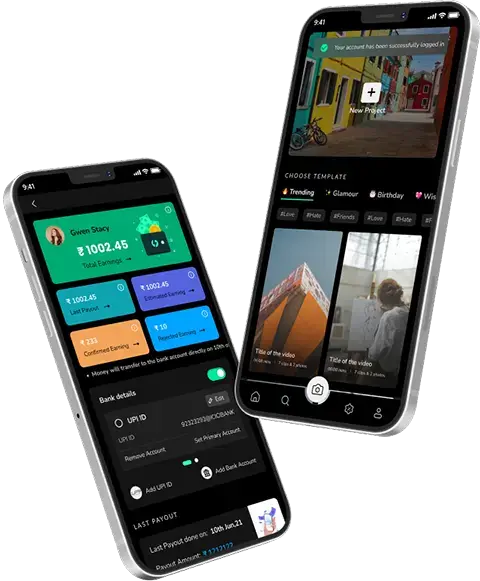





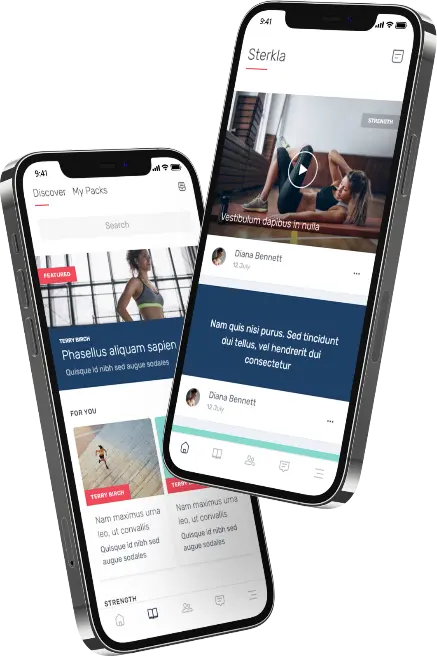

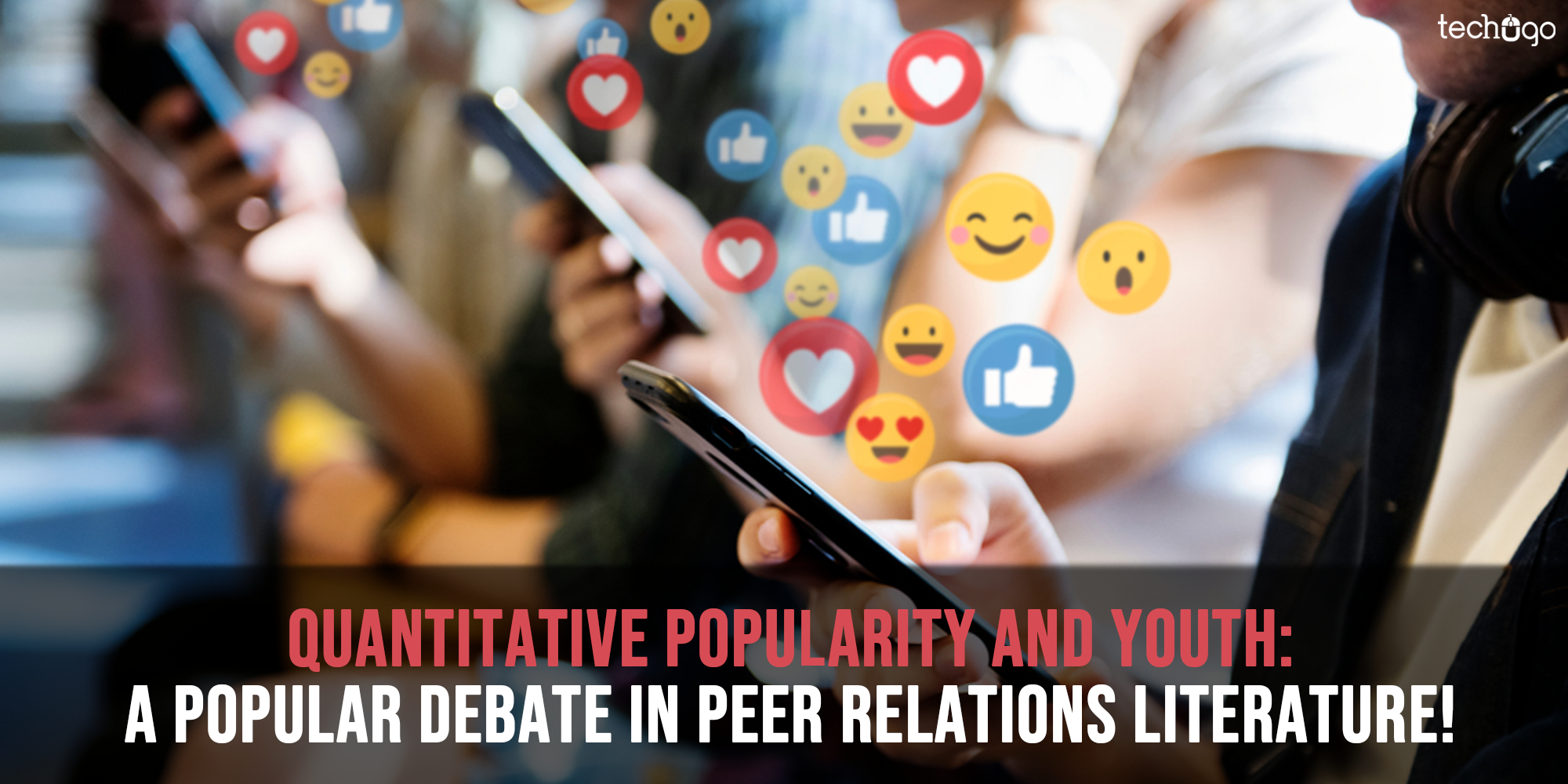


Imagine a world that promotes no popularity on any social media apps like Instagram, Facebook, etc. Let’s say that one day when we log in to our accounts, there’s no count of likes, followers, comments, and any such numerical data.
How do you think it’ll impact your life?
Undoubtedly, information and communication tech has transformed rapidly over the last decade, and social media has come out to be a hero! It’s the mobility age, and the development of mobile tech has highly contributed to the rise of platforms that have a hold over the youth.
Individuals are trying their best to develop an identity and become influencers, only to leave an impact on society and grow numbers on social media apps. In simple words, it cannot be overlooked that people’s lives are now tied up with numbers as they continuously make efforts to gain quantifiable popularity.
Have you ever emphasized how it may affect young adults?
We’ll learn more about the same later in this article,
BUT FIRST…
What Is Quantified Popularity?
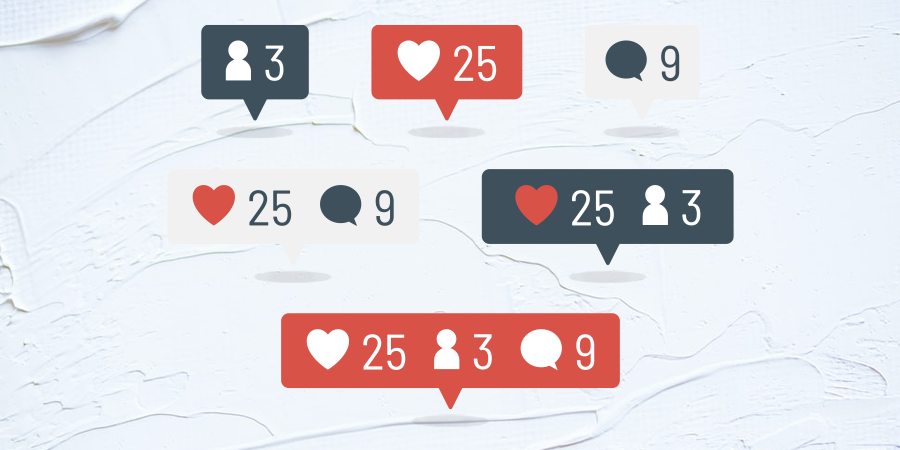
How do you feel about posting pictures or videos on social media? Assuming that every user expects a great number of likes and comments, it is precisely what quantified popularity is- one trying to get ahead of everyone in terms of digital scoreboards.
While tech companies are enjoying the stats maintained by them as it enables them to incline more consumers, activists want to eliminate the feature.
BUT WHY?
To make social media a better and safer place for young adults!
Social Media and Its Connection with Mental Health
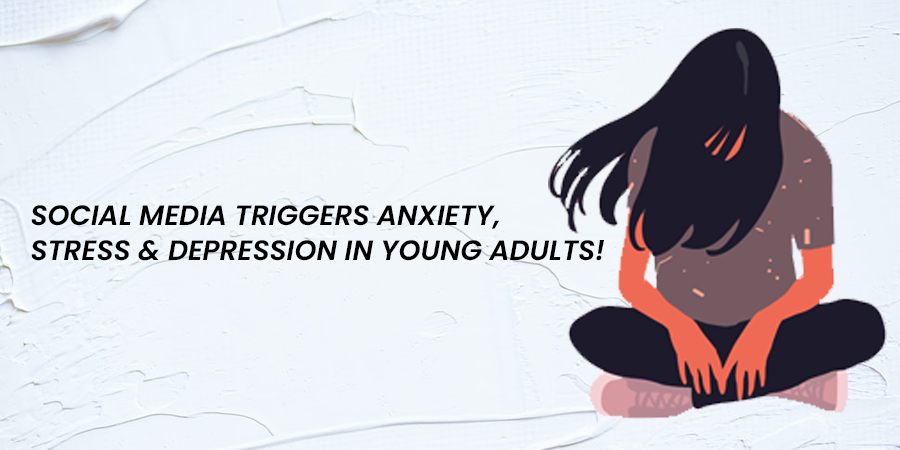
According to reports, higher utilization of social media content can lead to a state of anxiety, stress, and depression in young adults.
In fact, a study by the American Psychological Association (APA) found that teens who spend more than 3 hours per day on social media are at a significantly higher risk of experiencing mental health issues such as anxiety and depression.
Similarly, research from Harvard Medical School suggests a strong link between excessive social media usage and reduced emotional well-being among adolescents.
Why?
There are multiple reasons behind the same, one of which is cyberbullying. It comes in numerous forms and can include posting hurtful online comments, and the list goes on.
According to a report by UNICEF, around 1 in 3 young people across 30 countries have experienced cyberbullying, highlighting how widespread and damaging online harassment has become.
Additionally, social media is also linked with body image concerns, and young girls start comparing themselves to the pictures posted by influencers. Therefore, it can result in low self-esteem, especially in cases where young people develop insecurities about not having the ‘perfect’ bodies as they witness online.
A study published by the Journal of Social and Clinical Psychology found that reducing social media usage significantly decreased feelings of loneliness and depression, especially among young adults who frequently engage with image-based platforms.
Another huge impact of social media on young adults is the ‘Fear of Missing Out’ (FoMO). Young ones stay connected to social media all the time, compromising with their sleep. Keeping a constant check on the notifications, messages, etc., becomes a habit, resulting in poor sleep quality, which further leads to exhaustion.
Research by the Sleep Foundation indicates that excessive screen time and late-night social media usage are directly associated with poor sleep quality and increased fatigue among teenagers and young adults.
Who is the Most Popular?
Notably, school-going kids are obsessed with becoming popular and are keen to constantly keep a tab on who is popular and who is not.
Let’s face the fact that somewhere deep down, every kid wanted to hang out with the cool and popular one. So, while some were extremely introverts, they felt massive peer pressure of communicating and forming a bond with other people.
According to experts, cutting down quantified popularity could help a lot of kids as the first thing in the morning and the last thing at night won’t be reading the comments and checking the number of likes.
Fear of Not Getting Admired!
It can be distressing if the person you like doesn’t like, comment, or pay attention to your social media posts. Likewise, it can be hurtful to see a close group of friends hanging out without asking you. Therefore, eliminating quantitative popularity won’t help much in these situations!
It all depends on each individual and the manner they get attached to the mechanisms like these. The more importance a person gives to aspects like quantitative popularity, the more distress would come along. Therefore, it is only when we take it as a casual metric, maybe it could give rise to a healthy conversation on the table.
Social media platforms like Facebook are taking incredible initiatives to help people develop healthy relationships with the internet. It is planning to introduce measures like ‘nudge young users away from harmful content’ to divert them to other activities.
Social Media Trends in 2026: Are Metrics Losing Their Power?
The conversation around quantified popularity has evolved significantly.
In 2026, social media platforms are no longer just competing for attention. They are being questioned for their psychological impact. Features like hidden likes, private engagement metrics, and algorithm transparency are becoming more common.
Users, especially younger audiences, are slowly shifting:
- From public validation TO private sharing
- From follower count TO meaningful engagement
- From viral content TO authentic expression
At the same time, platforms are experimenting with reducing visible metrics to minimize comparison culture. The goal is simple: to make digital spaces less stressful and more human.
This shift is also influencing how businesses approach social media app development. Instead of focusing only on engagement numbers, modern platforms are being designed with user well-being, ethical UX, and mental health considerations in mind.
As a result, every forward-thinking social media app development company is now expected to balance growth with responsibility, something that wasn’t even part of the conversation a few years ago.
A Healthier Way Forward: Rethinking Digital Validation
While platforms continue to evolve, the responsibility also lies with users.
A few small shifts can make a big difference:
- Reducing screen time and notification dependency
- Focusing on content creation rather than validation
- Avoiding constant comparison with others
- Taking regular digital detox breaks
Because in the end, popularity was never meant to be reduced to numbers alone.
To Sum Up
The idea of quantified popularity isn’t going away anytime soon. But the way we perceive it? That’s already changing.
And maybe that’s where the real shift begins.
So, what is your take on quantitative popularity? Do you think that eliminating the same won’t harm the platforms?
Don’t forget to share your views with us.

Get in touch
We'd love to hear from you.