

 SA
SA  KW
KW  IE
IE AU
AU UAE
UAE UK
UK USA
USA  CA
CA DE
DE  QA
QA ZA
ZA  BH
BH NL
NL  MU
MU FR
FR 












What comes to your mind after reading a tweet that simply says:
“Just setting up my twt.”
Most people would probably scroll past it.
But this particular tweet became historic. It was posted by Jack Dorsey, the co-founder of Twitter, and later sold as an NFT for $2.9 million.
Yes… a tweet.
Even more surprising, a short digital GIF artwork once sold for around $60,000 in an online auction.
So naturally the question arises:
Why would anyone spend that much money on a digital file?
The answer lies in a powerful technology called NFTs (Non-Fungible Tokens) – a blockchain innovation that has changed how digital creations are owned, valued, and traded.
The global NFT market itself reached over $24 billion in trading volume in 2022, according to DappRadar. Even though the speculative hype later cooled, NFTs permanently changed the way artists monetize and protect digital work.
For decades, digital creators struggled to receive recognition, ownership rights, and fair payment for their creations. But NFTs are now reshaping that reality.
And that raises an important question.
How exactly are NFTs helping artists finally get the recognition they deserve?
Let’s explore.
What Are NFTs? Understanding the Technology Behind Digital Ownership
What are NFTs?
For starters, NFT stands for Non-Fungible Tokens.
In simple terms, an NFT is a unique digital asset stored on a blockchain that proves ownership of a specific item whether it is art, music, video, or even a tweet.
Think about traditional art galleries.
You might admire a beautiful painting on the wall, but rarely think about the artist behind it. Even if you do, there is always the risk of duplication or forgery.
NFTs solve this issue.
By recording artwork ownership on a blockchain network like Ethereum, creators can tokenize their artwork, making it unique and verifiable.
This means:
- The original creator is permanently recorded.
- Ownership can be traced publicly.
- Buyers receive proof that their purchase is authentic.
In short, NFTs bring digital scarcity and verified ownership to the internet.
And that’s exactly what digital artists needed for years.
Why Artists Are Turning Their Digital Artworks Into NFTs
At first glance, converting artwork into NFTs might sound unnecessary.
But for artists, it solves several long-standing challenges in the creative industry.
Here are some of the biggest advantages.
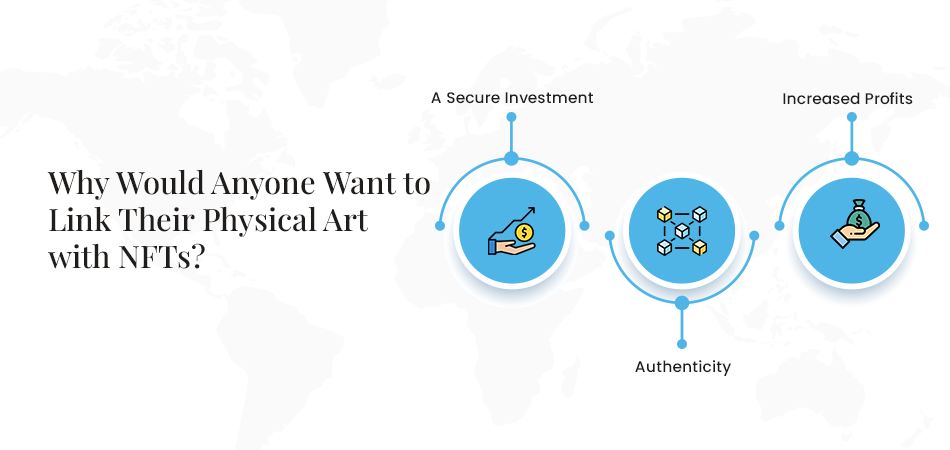
1. Verified Ownership and Authenticity
One of the biggest problems with digital art has always been copying and piracy.
Anyone could download an artwork and redistribute it without credit.
NFTs change that.
Once an artwork is minted as an NFT, its ownership and origin are recorded permanently on the blockchain. The owner holds the right to decision-making and can release as many copies as they want. This makes it extremely difficult to counterfeit or claim someone else’s work.
For artists, that means their creativity finally gets protected.
Notably, the entire process takes place under the blockchain app development that maintains the authenticity of the art.
2. Direct Monetization Without Galleries
Traditionally, artists relied heavily on galleries, agents, and exhibitions to sell artwork.
NFT marketplaces changed that model.
Platforms like:
- OpenSea
- Rarible
- Foundation
- Nifty Gateway
allow artists to sell their work directly to collectors worldwide.
This reduces middlemen and increases profits for creators.
3. Royalties on Future Sales
Another revolutionary feature of NFTs is automatic royalties.
When an artist sells an NFT, they can program smart contracts so that they receive a percentage of every future resale.
That means artists can continue earning as their artwork gains value over time.
This has never been possible in traditional art markets.
4. Lower Costs Compared to Traditional Art Sales
Organizing art exhibitions, renting gallery space, and promoting artwork can be expensive.
NFT platforms significantly reduce these barriers.
While creators pay a small minting or listing fee, selling artwork digitally eliminates many physical costs.
As a result, artists can reach a global audience without large investments.
How to Convert Digital Artworks Into NFTs
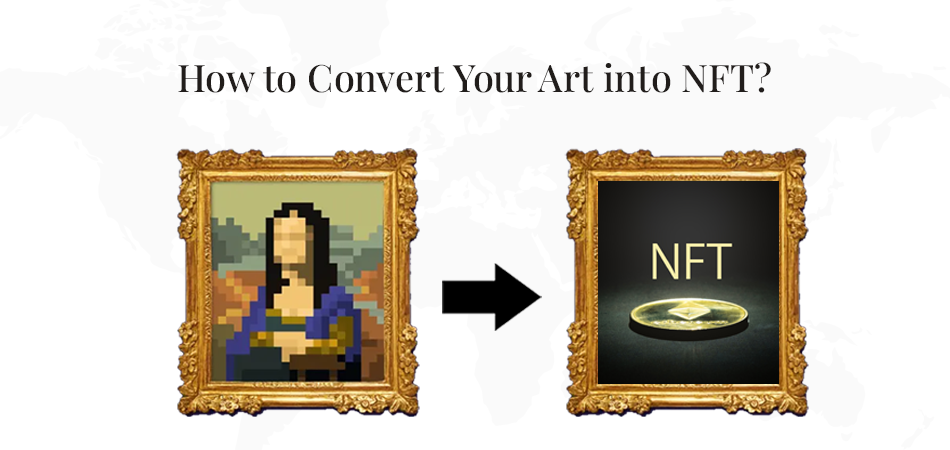
Now that you have come a long way and are interested in the idea of creating your own NFT, it is essential to understand the manner of doing the same.
It involves an easy chain of steps that need to be followed. Take a look.
Step 1: Choose an NFT Marketplace
The first step is selecting a reliable platform where you want to mint your artwork.
Popular NFT marketplaces include:
- OpenSea
- Rarible
- Foundation
- Nifty Gateway
Each platform offers slightly different features and fee structures.
Step 2: Select the Artwork You Want to Tokenize
Next, choose the piece of art you want to convert into an NFT.
This could include:
- Digital paintings
- GIFs
- Music
- Videos
- Animations
- Photography
The key is originality and uniqueness, since collectors often value rare creations.
Step 3: Choose a Blockchain Network
Most NFTs are minted on blockchain networks.
The most common one is:
- Ethereum
However, other blockchains such as Polygon or Solana are also gaining popularity because of lower transaction fees.
Step 4: Create a Crypto Wallet
To interact with NFT marketplaces, you’ll need a cryptocurrency wallet.
Wallets store your digital assets and allow you to pay blockchain fees.
Popular wallets include:
- MetaMask
- Coinbase Wallet
Once your wallet is set up, you can purchase cryptocurrency to cover minting costs.
Step 5: Upload Your Artwork and Add Details
After connecting your wallet to the marketplace:
- Upload your artwork file
- Add a title and description
- Set royalty percentages
- Choose the number of copies
Clear descriptions help collectors understand the story behind your artwork.
Step 6: Choose the Selling Method
Artists can sell NFTs in different ways.
Common options include:
- Fixed Price (Your artwork is sold instantly at a set price.)
- Timed Auction (Buyers place bids within a limited timeframe.)
- Open Auction (Collectors compete with increasing offers until you accept one.)
Step 7: Pay the Platform Fee and Mint the NFT
Finally, you’ll pay a small minting fee to create your NFT on the blockchain.
Once minted, your artwork becomes a unique digital asset ready for sale.
The Future of Digital Artworks and NFTs
While the early NFT market saw intense hype, the technology continues to evolve.
Today, NFTs are expanding beyond collectibles and into:
- gaming assets
- music ownership
- digital identity
- metaverse art galleries
- creator economies
For digital artists, the shift is powerful.
Instead of depending solely on galleries or publishers, creators now have global access to collectors, transparent ownership, and new revenue opportunities.
And that’s exactly why NFTs remain one of the most transformative innovations for digital creativity.
Conclusion
Every artist deserves recognition.
For years, digital creators struggled to prove ownership of their work and earn fair compensation. NFTs have started to change that reality by giving artists verified ownership, global exposure, and new monetization opportunities.
If you want to earn the recognition you deserve, then, NFT is your shot.
And if you’re thinking about building a platform that empowers creators and artists in the NFT economy, working with the right technology partner becomes crucial.
That’s where an expert blockchain and app development company come in.
With the right digital infrastructure, businesses can build platforms that empower artists, support creative economies, and reshape the future of digital art.
Because in the end, every great artist deserves not only admiration but recognition, ownership, and reward for their creativity.
FAQs
Q. What exactly is an NFT in digital art?
An NFT, which stands for Non-Fungible Token, is basically a digital certificate that proves the ownership of a particular artwork. It is stored on a blockchain and therefore it cannot really be altered or duplicated. So even though the image or file can be seen by many people online, the ownership (the real one) belongs to the person who holds the NFT.
Q. How do NFTs actually help digital artists earn money?
Well, earlier digital artists were creating amazing work, but it was difficult to monetize it because copies could easily circulate online. NFTs changed that situation because artists can now sell their artwork directly on digital marketplaces. And interestingly, they can also earn royalties every time the artwork is resold, which means the income potential has become much broader.
Q. Can anyone convert their digital artwork into an NFT?
Yes, technically anyone can convert their digital artwork into an NFT. If you have created digital art, whether it is a graphic, animation, music file, or even a short video, you can mint it as an NFT. But you still need to choose the right platform, connect a crypto wallet, and pay a small minting fee so that the artwork can be recorded on the blockchain.
Q. Which platforms are commonly used to sell NFT artworks?
There are several platforms where artists are already selling NFTs, and each one has its own audience and features. For instance, creators often use marketplaces like OpenSea, Rarible, Foundation, and Nifty Gateway. These platforms allow artists to upload their work, mint NFTs, and then list them for sale to collectors across the world.
Q. If people can copy the artwork, then why do buyers still purchase NFTs?
That’s a common question, and it does sound confusing at first. The artwork itself can be copied, yes, but the NFT proves who owns the original piece. Because the blockchain records the creator and the buyer, collectors value that verified ownership. So it is somewhat similar to owning an original painting, even though prints of it may exist elsewhere.
Q. What types of digital creations can be sold as NFTs?
Almost any digital file can become an NFT, as long as it is unique and created by the artist. This includes digital illustrations, GIFs, music tracks, video clips, photography, and even 3D designs. Therefore the NFT space has become a creative playground where artists from different fields are experimenting and showcasing their work.
Q. How much does it usually cost to create an NFT?
The cost depends on the blockchain network and the platform you are using. For example, when NFTs are minted on the Ethereum blockchain, creators may need to pay gas fees, and those fees change depending on network activity. Sometimes the cost is minimal, but at other times it can increase if the blockchain is busy.
Q. Are NFTs secure for artists and collectors?
Generally speaking, NFTs are considered secure because they rely on blockchain technology, which records transactions in a transparent and tamper-resistant way. However, artists still need to be careful about the platforms they use and protect their crypto wallets, because scams and phishing attempts have also been reported in the NFT ecosystem.
Q. Do artists lose their rights after selling an NFT?
Not necessarily. In most cases, the artist still retains the copyright of the artwork. The buyer only owns the NFT that represents the digital piece, but the creator continues to hold intellectual property rights unless those rights were specifically transferred during the sale.
Q. Are NFTs still relevant today, or was it just a trend?
The early hype around NFTs has definitely cooled down, but the technology itself has not disappeared. In fact, NFTs are still being used across digital art, gaming assets, virtual collectibles, and even metaverse projects. So while the market has matured, the concept of verified digital ownership continues to grow and expand.

Get in touch
We'd love to hear from you.