

 SA
SA
 KW
KW
 IE
IE AU
AU UAE
UAE UK
UK USA
USA
 CA
CA DE
DE
 QA
QA ZA
ZA
 BH
BH NL
NL
 MU
MU FR
FR















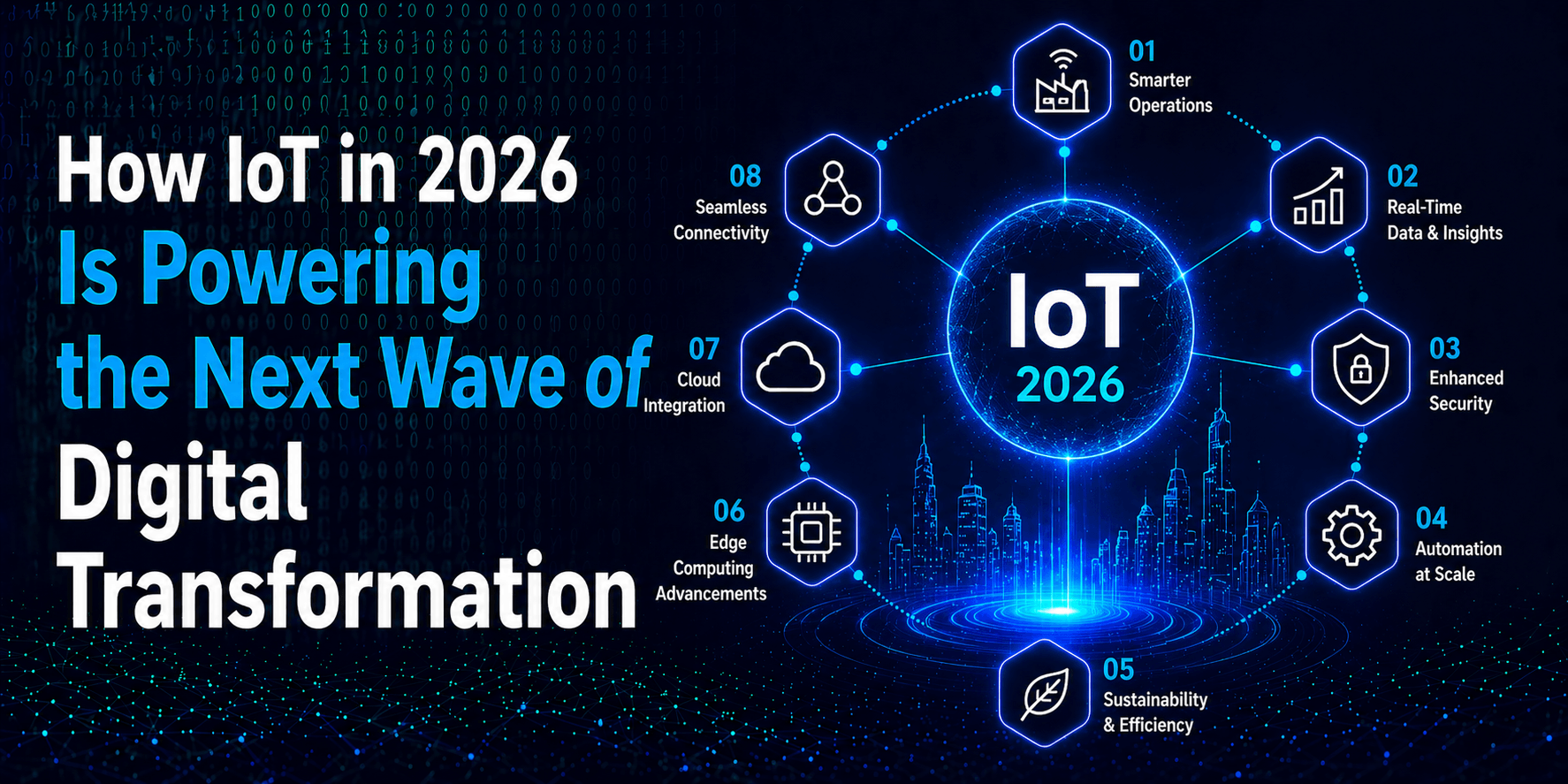


The name Internet of Things (IoT) might sound technical, but I bet you’ve already experienced it in real life without even realizing it. Whether it’s your kitchen appliances, Alexa or Google Assistant, smart home devices, your car navigation, or even FASTag toll payments—IoT is already quietly working around you in 2026.
You may not notice it, but this IoT ecosystem has become a regular part of your daily routine. From smart home automation to connected transportation systems, it works through sensors and wireless technologies like Wi-Fi, Bluetooth, and 5G to make life smoother and more efficient.
In simple terms, IoT is like your invisible helper. It connects devices, shares data in real time, and takes small actions automatically—so your life feels easier, faster, and more connected without you even asking for it.
5 Real-World Applications of IoT You Experience Every Day
You may not realize it, but IoT in 2026 is already part of your everyday routine. From the moment you wake up to the time you travel, work, or shop, connected devices are quietly doing their job in the background—making life easier, faster, and more automated.
Here are 5 real-life IoT applications you probably use daily without even noticing how they actually work:
1. Smart Homes (Lights, AC, and Appliances)
When your lights turn on through an app or your AC adjusts itself automatically, that’s IoT. These devices are connected through sensors and the internet, constantly communicating with each other. You just tap a button or set a schedule, and the system takes care of everything on its own.
2. Voice Assistants (Alexa, Google Assistant)
When you ask a question or play music using Alexa or Google Assistant, your voice is sent to the cloud, analyzed, and converted into action within seconds. It feels instant, but behind the scenes, multiple connected IoT systems are working together to respond to your command.
3. Wearables (Smartwatches & Fitness Trackers)
Your smartwatch tracks steps, heart rate, sleep, and even stress levels using built-in sensors. This data is continuously synced to your phone and analyzed to give you health insights. What feels like a simple fitness update is actually real-time IoT data processing.
4. Smart Transportation (Maps & FASTag Systems)
When Google Maps shows live traffic or suggests faster routes, it is using IoT data collected from millions of connected devices. Similarly, FASTag automatically deducts toll charges using RFID sensors—no stopping, no manual payment, just seamless automation.
5. Smart Shopping & Delivery Tracking
When you order something online and track it in real time, IoT-enabled devices attached to shipments are constantly updating location and delivery status. Even in stores, smart systems monitor stock levels so products are always available when needed.
How IoT Is Transforming Businesses and Industries
If you think IoT is just about smart speakers or fitness bands, think again. In 2026, IoT is quietly running entire industries behind the scenes—and chances are, it’s already influencing how your favorite products are made, shipped, and delivered to you.
Let’s break it down in a simple, real-world way.
1. Smart Factories (Where Machines “Talk” to Each Other)
Imagine a factory where machines don’t wait to break down—they actually tell you before something goes wrong. That’s IoT in manufacturing. Sensors track performance, detect issues early, and help businesses fix problems before they become expensive. Basically, machines are doing their own “health check-ups.”
2. Smarter Supply Chains (So Your Orders Reach You Faster)
Ever wondered how your online order magically shows up at your doorstep? IoT is behind it. From warehouses to delivery trucks, everything is tracked in real time. Businesses can literally see where your package is, how fast it’s moving, and when it will reach you—no guessing, no delays.
3. Smart Cities (Yes, Your City Is Getting Smarter Too)
Next time you’re stuck in traffic and suddenly it clears up, there’s a good chance IoT is working in the background. Smart traffic lights adjust automatically, streetlights save energy when no one is around, and sensors monitor pollution levels. Your city is basically “thinking” in real time.
4. Retail That Knows What You Want (Before You Do)
When you walk into a store and everything feels organized and well-stocked, IoT is quietly doing its job. Smart shelves track what’s running out, and systems analyze what customers like you are picking up. It’s like the store already knows your shopping habits.
5. Healthcare That Watches Over You (Without Being Invasive)
Your smartwatch or fitness band is not just counting steps—it’s constantly tracking your heartbeat, sleep, and health signals. Hospitals can even monitor patients remotely. So even when you’re at home, your health is being quietly watched over.
6. Offices That Adjust to You (Not the Other Way Around)
Walk into a smart office, and the lights adjust, the AC sets the perfect temperature, and meeting rooms are booked automatically. It’s like your workplace is actually paying attention to your comfort without you saying a word.
AI in IoT: The Smartest Combination Driving the Next Wave of Growth
IoT is already awesome in its own right, but adding a dash of AI to the mix really spices things up. It’s no longer just devices gathering information, it’s systems comprehending that information and making intelligent decisions based on it. That is where these changes really start to happen.
Look at it this way — IoT tells you what is happening, AI tells you what will happen next. This fusion infuses everyday businesses with predictive smarts. Artificial intelligence (AI) and the Internet of Things (IoT) are proving to be a powerful combination, enabling business owners to anticipate what happens next rather than react after the fact, from predicting machine breakdowns on the factory floor to consumer behavior in retail.
And frankly, in an era when everything is becoming digital, the companies that are using AI-enabled IoT networks are winning the race. Which means they can react more quickly, take fewer risks, be more efficient, and ultimately provide a more customized experience for fans like you. It’s not just building technology that is evolving — it’s moving toward smarter, self-learning ecosystems that develop after every interaction.
Key Challenges and Risks in IoT Adoption
Even though IoT in 2026 is making businesses smarter and more connected, it also comes with a few real challenges that companies need to handle carefully.
- Security risks: Since IoT devices are always connected and sharing data, they can become targets for hackers if not properly protected.
- Privacy concerns: These devices often collect personal or business data, so keeping that information safe is a big responsibility.
- Difficulty in connecting old systems: Many companies still use older systems, and linking them with new IoT technology is not always easy.
- High setup cost: Building an IoT system needs investment in devices, software, cloud storage, and regular maintenance.
- Dependence on internet: If the internet or network goes down, IoT systems can stop working or become less effective.
- Too much data: IoT generates a huge amount of information, and managing or making sense of it can get overwhelming.
- Compatibility issues: Not all IoT devices work well together, which can create technical challenges for businesses.
Future IoT Making Everything Smarter and Faster
The future of IoT is getting really exciting, especially when it teams up with AI. When these two technologies are combined, IoT doesn’t simply be confined to connected devices—it turns into a smart system that can understand, predict, even take actions on its own. That’s when the true me “next level” transformation is taking place.
Among the most interesting things about this advanced IoT is that you are probably already using it in your daily life and don’t even know it. Whether it is your smartwatch that monitors your health, Google Maps that recommends faster routes based on traffic, or your smart home that changes the lights and temperature according to the time of day and your mood, this is the best and latest #version of IoT silently at work all around you.
Now think about all this getting even smarter with AI. Your devices will not simply react to you but genuinely predict your needs before you get to them. Everything from homes to cars to businesses will become more automated and personalized. So yes, the future of IoT is not just bright—it’s going to be smarter, more seamless, and more intertwined with your every day life.
Food for thought
As IoT technology continues to grow, we are stepping into a world where everything around us is becoming smarter, faster, and more connected. From businesses to daily life, this shift is bringing more convenience, efficiency, and real-time intelligence into every process.
Whether it’s smart operations in warehouses or connected systems in modern enterprises, IoT is helping businesses run more smoothly and make better decisions. The more you adopt this technology, the more future-ready your business becomes in a rapidly evolving digital world.
If you are planning to build or scale an IoT-based solution, Techugo can help you bring your idea to life. As a trusted IoT technology partner, Techugo builds smart, scalable, and innovative solutions designed for future growth.
Connect with Techugo today and take your first step toward a smarter, connected future.
FAQ
1. What industries benefit most from IoT?
Industries like manufacturing, healthcare, retail, logistics, transportation, and smart city development benefit the most from IoT.
2. What is the role of AI in IoT?
AI enhances IoT by analyzing data and making predictions, helping systems become smarter and more automated in decision-making.
3. Is IoT secure for business use?
IoT is secure when properly implemented, but it requires strong cybersecurity measures to protect data and connected devices.
4. What are smart cities in IoT?
Smart cities use IoT to manage traffic, energy, waste, and public safety through connected sensors and real-time data systems.
5. Why is IoT important for the future?
IoT is important because it enables automation, real-time insights, and smarter systems that improve efficiency in both life and business.

Get in touch
We'd love to hear from you.