


 SA
SA
 KW
KW
 IE
IE AU
AU UAE
UAE UK
UK USA
USA
 CA
CA DE
DE
 QA
QA ZA
ZA
 BH
BH NL
NL
 MU
MU FR
FR







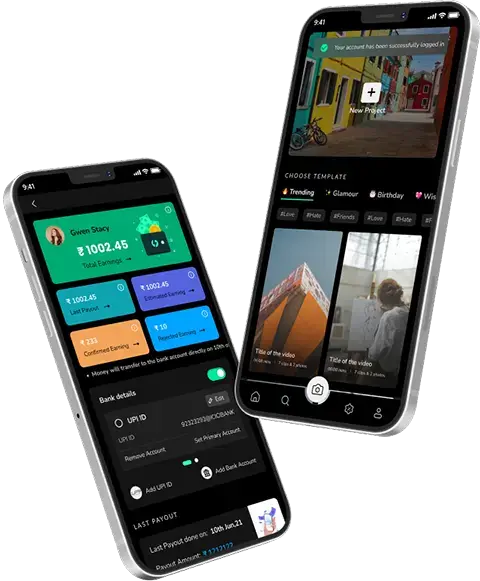













The rapid rise of React Native has transformed how modern mobile applications are built. Businesses today demand faster development cycles, cost efficiency, and cross-platform compatibility—making React Native a preferred framework. However, there are scenarios where integrating native Android functionality becomes essential for performance or device-specific features.
In this guide, we will walk you through how to seamlessly integrate a native Android application with React Native, ensuring you get the best of both worlds—native performance and cross-platform scalability.
How to Integrate React Native Module into Native Android Apps Easily
1. Environment setup
2. Setup Project Directory Structure
3. Install React Native Dependencies
4. Add react native dependecies
5. Configure Project Repositories
6. Enable Native Modules Auto Linking
7. Configure App Build Gradle
8. Update Android Manifest File
9. Improve Debugging
Why Choose React Native for Your Next App Development?
1. Faster Development with Reusable Components
React Native allows faster development as it enables developers to use the same components on the iOS and Android applications. Developers can take advantage of hot reloading, pre-built libraries and see results instantly in real time. This speeds up the entire process and allows companies to get their apps to market more quickly.
2. Near-Native Performance
Among the most important benefits of React Native is its near-native performance. Native components and APIs: React Native apps are built using native components, which means they have smooth animations, quicker load times, and overall better user experience. It’s a fit for performance-sensitive apps.
3. Strong Ecosystem and Community Support
React Native has a large ecosystem of tools, libraries and third party plugins to ease the development. Its well-established worldwide developer community keeps constantly improving, updating, and troubleshooting. This means developers will continuously have access to the most recent resources and best practices.
4. Cross-Platform Code Reusability
With React Native, a single codebase can be used to develop applications for both Android and iOS platforms. This not only reduces development effort but also minimizes maintenance costs. Businesses can achieve faster deployment across platforms without compromising on quality.
5. Seamless Integration with Native Code
React Native allows developers to integrate native modules written in Java, Kotlin, or Swift whenever required. This flexibility enables the addition of advanced functionalities such as device-specific features, high-performance modules, or third-party integrations that are not available in the core framework.
Conclusion
Integrating native Android apps with React Native offers a powerful way to build fast, scalable, and efficient mobile solutions. With React Native integration, businesses can combine native performance with cross-platform flexibility, reducing development time and cost while improving user experience. This makes it a strong choice for modern cross-platform mobile app development.
Looking to build your next mobile app? Connect with Techugo today and unlock the power of React Native integration for faster, smarter, and scalable app development.

Get in touch
We'd love to hear from you.