

 SA
SA  KW
KW  IE
IE AU
AU UAE
UAE UK
UK USA
USA  CA
CA DE
DE  QA
QA ZA
ZA  BH
BH NL
NL  MU
MU FR
FR 












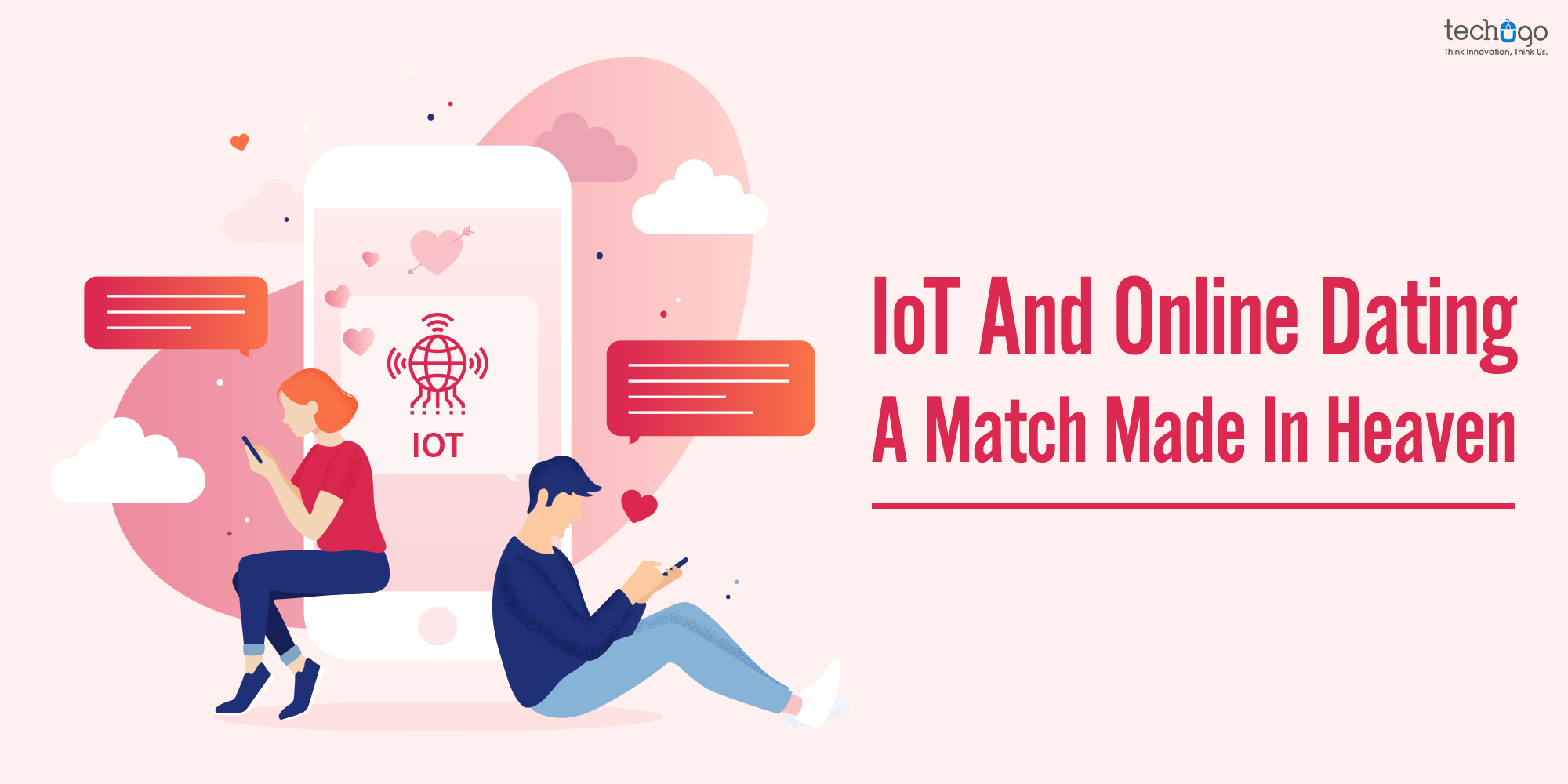


Dating has always been unpredictable!
Long before the world faced the grey clouds of a virus outbreak, building relationships through apps followed a fairly standard formula. But since 2020, the expected stages of online dating apps changed drastically, giving rise to a new concept: Virtual Dating and a shift in how online dating platforms evolved, along with growing interest from an IoT app development company perspective in building smarter, connected solutions.
No wonder, humans have an inherent need for novelty and emotional excitement, and this was fulfilled by the new norms of dating during the pandemic. Pandemic dating introduced a deeper level of trust-building, where people connected without physical presence, allowing more meaningful relationships to take shape. This shift also opened the door for more advanced innovations in online dating ecosystems.
The Evolution of Online Dating
| Phase | Time Period | Key Characteristics |
| Traditional Dating | Pre-2000s | Offline meetings through friends, family, workplaces |
| Early Online Dating | 2000–2010 | Desktop-based dating websites emerge |
| Mobile Dating Apps | 2010–2020 | Smartphone apps like swipe-based platforms rise |
| Pandemic/Virtual Dating | 2020–2022 | Rise of video dates and remote connections |
| Smart Dating Era | 2023–Present | AI + IoT + data-driven matchmaking begins |
Yeah, it sounds absurd, but there is a term ‘Pandemic Dating’, referring to a form of long-distance dating. It includes people who may or may not be geographically close but are constrained in their ability to meet. This virtual dating concept has pushed the boundaries, letting users experience virtual dates and build meaningful relationships, which has really triggered interest across online dating apps.
The online dating industry has continued to expand steadily in recent years, driven by rising smartphone adoption and changing relationship behaviors. As per Statista’s 2025 market outlook, the global online dating market is projected to generate around USD 3.17 billion in revenue in 2025, with continued growth expected through the decade . Another industry analysis shows that global dating apps generated over USD 6.1 billion in revenue in 2024, highlighting strong monetization across platforms .
Voila! That sounds promising and impressive!
On the other hand, considering the global inclination towards new-age dating behaviors, interest from investors and startups has significantly increased, opening strong opportunities in online dating platforms.
If you too are willing to create your own dating app, then this blog post will guide you to pick the latest technologies and integrate them within your mobile app development company ecosystem approach.
So let’s begin the romantic chemistry tale of technology and dating…
What is IoT in Online Dating Apps?
Can IoT integration dictate how we find love in the near future?
Well, it’s a million-dollar question that has been widely discussed. Most people associate IoT (Internet of Things) with connected devices and smart ecosystems. However, its role in IoT in online dating apps goes far beyond simple device connectivity, extending into behavioral insights, lifestyle tracking, and intelligent matchmaking.
To help you understand how IoT-enabled mobile apps are going to create a strong shift in the online dating market, we have brought you this post today.
“COVID-19 has brought an opportunity for people to know each other at a much deeper level than they were before, and app technology is offering that platform.”
– Abhinav Singh, CEO – Techugo
How IoT is Transforming Online Dating
Below are some ways through which IoT is transforming online dating experiences. Let’s understand how…
1. Smart homes will be a storyteller
OOPS, does it mean it will invade privacy?
No, of course not!
As we all know, smart homes will soon become a reality in the coming years, and these connected environments will generate data that can tell a LOT about the people living in them. It can be made possible with networked home ecosystems featuring devices such as smart body analyzers, smart appliances, smart mirrors, smart entertainment systems, smart security setups, air quality analyzers, and many more.
From your clothing style, the food you consume, or even the hygiene you maintain, these behavioral signals can help IoT in online dating apps build deeper personality insights and better matchmaking understanding.
2. Connect with someone sharing the same interest
IoT has a specific mechanism that works across both professional and personal spaces. When you use IoT-enabled dating apps, you certainly pave the way to connect with a partner who shares similar interests.
Apart from the data generated from connected devices, it also helps capture deeper behavioral traits. For instance, wearable tech helps generate significant data like location, app usage, media preferences, user photos, spending patterns, exercise patterns, sleep cycles, mood, and much more.
With the help of this data, an algorithm is developed that not only studies traits and attitudes but also builds deeper dimensions of compatibility. This is where online dating apps become more intelligent, so you don’t have to worry about getting matched with someone who isn’t truly compatible.
3. Stay connected without a pause
Trust is the most important thing when starting a new relationship, and certain activities in and around your daily routine must not disrupt your lovey-dovey connection.
Dating apps can certainly make the most out of IoT technology, which helps both users stay connected and communicate seamlessly, regardless of their busy or tiring schedules.
With IoT, dating apps can actually convert information into more accessible formats and even allow voice assistants to convert voice messages into text messages, making communication smoother and more effortless.
4. Wearable tech will redefine compatibility
IoT is not just limited to smart homes or connected devices, it also extends deeply into wearable technology.
Smartwatches, fitness bands, and health trackers can quietly capture lifestyle signals such as heart rate patterns, sleep quality, daily activity levels, stress indicators, and even emotional fluctuations over time.
When integrated with wearable apps, this data helps dating apps understand users beyond their profiles. It enables more accurate compatibility mapping based on real lifestyle behavior rather than just interests or swipes.
5. Context-aware matchmaking in real time
One of the most interesting shifts IoT brings into online dating apps is real-time, context-aware matching.
IoT systems can understand user context such as location patterns, daily routines, travel behavior, and activity status. This helps dating platforms suggest matches that are more relevant to a user’s current situation rather than static profile data.
So instead of random suggestions, users get matches that actually make sense “in the moment,” improving engagement and interaction quality.
6. Enhanced safety and smarter verification
Trust is already a big concern in online dating, and IoT can help strengthen it further.
Connected systems can support device-based verification, behavioral consistency checks, and location validation patterns to reduce fake profiles and suspicious activity.
This adds an additional layer of safety where online dating apps can become more reliable, secure, and user-trust driven without making the experience complicated.
7. Smart communication across connected devices
IoT also improves the way people communicate inside dating platforms.
With connected ecosystems, messages are no longer restricted to just one device. Users can continue conversations across smartwatches, phones, smart assistants, and even home devices.
Voice assistants can also convert spoken messages into text, making communication smoother, faster, and more natural, especially in busy routines where typing is not always possible.
Role of Wearable Technology in Dating Apps
Wearable technology is quietly becoming one of the most interesting contributors to modern online dating apps.
Smart devices like fitness bands, smartwatches, and health trackers are no longer just lifestyle gadgets. They are now generating continuous real-world data that can help dating platforms understand users on a much deeper level.
Things like daily activity levels, sleep patterns, heart rate trends, stress signals, and overall fitness behavior can collectively form a more realistic picture of a person’s lifestyle.
According to a report by IDC (International Data Corporation), global shipments of wearable devices are expected to exceed 500 million units annually in the coming years, driven largely by smartwatches and health-focused wearables that continuously track user behavior and health metrics. This growing adoption is making wearable-generated data one of the most reliable behavioral datasets for consumer applications, including lifestyle-based platforms like dating apps.
This is where wearable data becomes valuable. Instead of relying only on what users say in their profiles, dating apps can get a more authentic sense of who they are in real life.
Over time, this allows wearable app development services to play a key role in building smarter dating ecosystems, where compatibility is not just about interests, but about lifestyle alignment and emotional patterns too.
So rather than just matching profiles, dating apps start matching people who actually “live” in similar ways, which naturally improves long-term connection quality.
Benefits of IoT in Dating Apps
The integration of IoT in online dating apps is not just about adding advanced technology. It is about making the entire dating experience more meaningful, personalized, and reliable.
Better matchmaking accuracy
One of the biggest benefits is better matchmaking accuracy. With access to real-world behavioral data from connected devices, dating apps can move beyond surface-level preferences and focus on actual lifestyle compatibility.
Enhanced user experience
Another major advantage is enhanced user experience. IoT enables seamless interactions across multiple devices, which means users can stay connected without interruption, whether they are on their phone, smartwatch, or other smart devices.
Deeper personalization
IoT also helps in building deeper personalization. Instead of generic suggestions, users receive matches and recommendations based on their habits, routines, and activity patterns, making the experience feel more relevant and less random.
Security and trust
Security and trust also improve significantly. With connected systems supporting verification and behavioral consistency checks, online dating apps can reduce fake profiles and improve platform authenticity.
Smarter engagement and retention
Lastly, IoT opens the door to smarter engagement and retention. When apps understand users in real time, they can create more timely interactions, better suggestions, and more emotionally aligned connections, which keeps users more engaged over time.
Overall, IoT is helping transform dating apps from simple matchmaking platforms into intelligent relationship ecosystems.
Final Thoughts
There has been a steady surge in online dating apps, which has grown out of necessity and is expected to continue expanding in the coming years. However, as this space evolves, technology must be used wisely to ensure the privacy and security of users remain protected.
Online dating has indeed transformed the way we communicate and find love, and the inclusion of IoT in dating apps has further enhanced the experience by making connections more intelligent, personalized, and meaningful.
For businesses looking to enter this space, partnering with a reliable dating app development company can help turn this vision into a scalable and secure product.
If you are planning to build a next-generation dating platform, our team offering online dating app development services can help you bring your idea to life with the right mix of innovation and user-focused design.
Schedule a call with us and let’s help you turn your vision into a successful online dating app solution.
Like what you read? Recommend or share it ahead.

Get in touch
We'd love to hear from you.