


 SA
SA  KW
KW  IE
IE AU
AU UAE
UAE UK
UK USA
USA  CA
CA DE
DE  QA
QA ZA
ZA  BH
BH NL
NL  MU
MU FR
FR 
















The majority of mobile apps that we have right now in stores are catering to multiple users in a safe environment. But there are some that use the platform to spy on you.
In fact, studies suggest that over 80% of mobile apps collect user data for analytics, advertising, or tracking purposes (Source: Statista) which raises serious concerns around mobile app security and app data privacy.
So how can you pick the malicious ones out of the lot, and understand how apps track users behind the scenes?
Well, after being in the mobile app industry for more than a decade, we know a thing or two about applications. So today, we would be using our knowledge to share some insights on smartphone privacy risks, mobile app permissions, and overall app security.
But first, let’s address the myth of free applications and how it is related to smartphone app spying.
Myth vs Reality: Free Apps and Your Data

The advancement of technology has elevated our expectations in a lot of ways. We now expect high-quality digital services, and we want to relish them for free.
And there are many platforms catering to our expectations. But what we don’t realize is nothing in this world comes for free. In today’s ecosystem, mobile app security and app data privacy often take a backseat when convenience is prioritized.
We use several free applications, and we pay for those services by allowing the platform to access our data. In fact, most platforms today rely heavily on data tracking in apps and mobile app permissions to monetize their offerings. When we download and install an app, we need to accept all its terms and conditions.
Have you ever read that document?
Well, none of us do!
We hit the accept button without going through the terms & conditions, knowing that it outlines exactly how much data the application can use and what it intends to do with it. And this is exactly where smartphone privacy risks begin to grow.
Privacy is the price that every single one of us pays for free applications. Our motive here is not to scare you but to inform you, and we all know that information is power.
While many applications use the data for the services they provide and personalized advertising, today’s apps go a step further. They analyze behavior, preferences, and usage patterns to understand how users interact, which is a core part of how apps track users in 2026.
While this is often done to improve user experience, we cannot rule out the possibility of other malpractices. Because ‘access to data’, when viewed through a different lens, can be easily termed as ‘spying’.
| Myth | Reality |
| Free apps don’t cost anything | You pay with your data, behavior, and usage patterns |
| Apps only collect necessary data | Many apps collect extra data for analytics, ads, and third-party sharing |
| Accepting permissions is harmless | Permissions define what parts of your device an app can access (camera, mic, location, etc.) |
| My data isn’t valuable | Even basic data contributes to detailed user profiling and targeted advertising |
| Only suspicious apps track users | Even popular apps use data tracking in apps for monetization |
| Privacy policies protect users completely | Most users don’t read them, and they often allow broad data usage |
Why Would Anyone Spy On You?
While reasons for spying can vary from personal to professional, but a lot of apps do it to collect information on your phone. They study the collected information like videos, searches, pictures, online activity for curating more personalized ads.
While most of the apps ask permission to access the same, some don’t even bother asking for your consent. This can turn your smartphone into a pocket spy.
Almost all apps collect your data for commercial purposes, but some are more infringing than others. Therefore, you must identify all the spying applications in your smartphone. After that, you can either restrict their permission or remove them to safeguard your privacy.
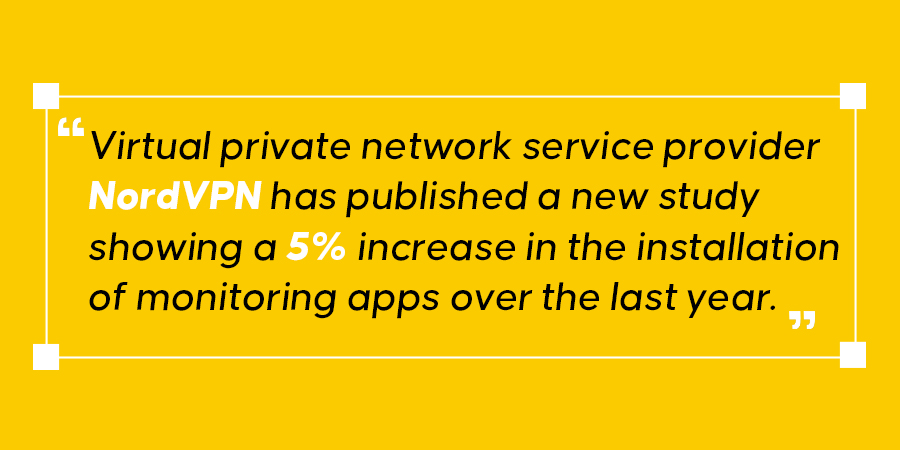
Let’s consider a few examples. When you grant full access to apps, they get a free pass to access your camera.
Apps can access hardware like camera/mic if permissions are granted.
Background tracking and metadata collection are more common than direct recording.
These giants can then record you, run facial recognition, or track your location. Also, there is no line that separates tech giants and their government. So when you give access to apps, you can give power to the government to spy on you.
Your private data is being harvested, but as we’ve mentioned earlier, not all ask for your permission. And, it is a serious security breach! Hackers can send you emails with malicious links, and clicking on them would allow them permission to access your smartphone.
Signs You Have Spies On Your Device
A lot of people who fall victim to spying applications are not even aware that it is happening. You could be one of them. Take a look at the following signs to stay mindful of such threats and understand how apps track users silently in the background.
- New apps appear without download
- Faster battery discharge
- Unexpected pop-ups
- High data usage
- Sudden reboots
- Lagging smartphone
In addition to these, modern smartphone privacy risks may also show up in more subtle ways:
- Apps asking for unnecessary mobile app permissions (like camera or microphone without clear reason)
- Location access being used even when the app is not active
- Personalized ads following you across different apps and platforms
- Unknown login alerts or suspicious account activity
- Microphone or camera indicators turning on unexpectedly
- Apps running continuously in the background without usage
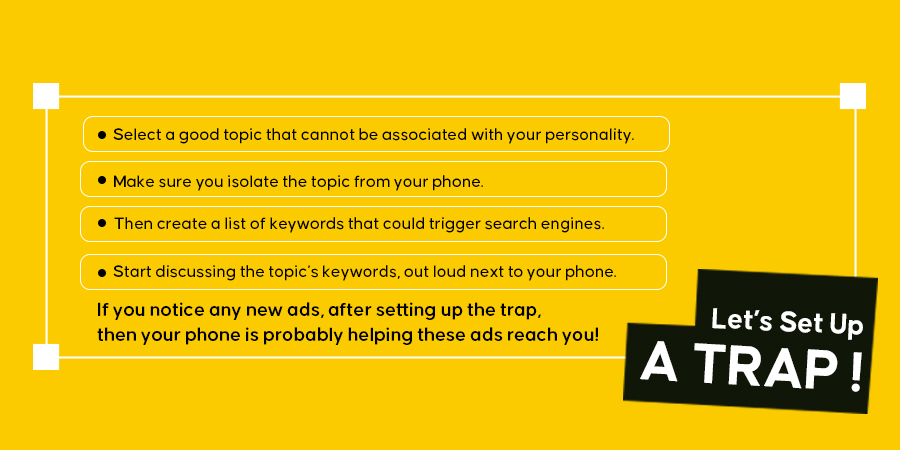
If your smartphone is displaying any such signs, you need to take immediate steps to secure your privacy. For example, resetting your phone to its factory setting. If you aren’t tech-savvy, then it is better to reach one.
Also keep in mind that not every sign confirms spying, but a combination of these signals can indicate gaps in your mobile app security.
How To Avoid Spying?
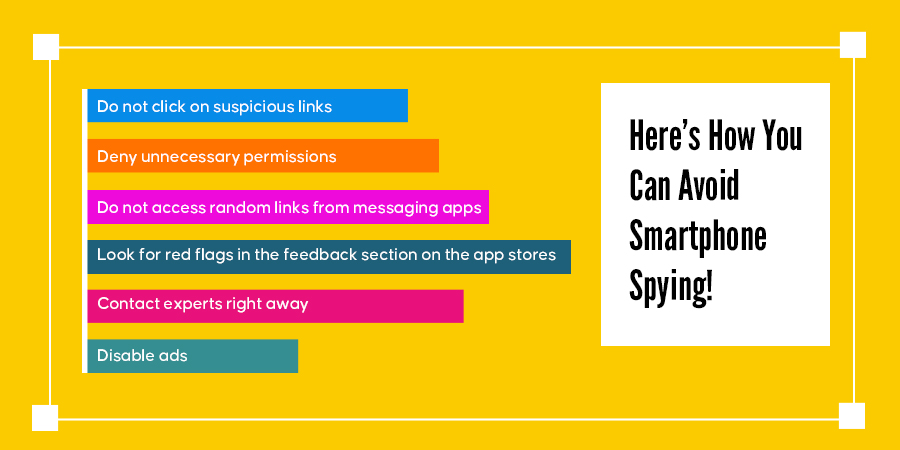
There are several ways in which you can protect yourself from the invasion of privacy and strengthen your mobile app security.
- Let’s start with the most basic one. Do not click on suspicious email links or attachments, as they remain one of the easiest entry points for malicious attacks and smartphone privacy risks.
- Make sure to deny unnecessary mobile app permissions such as access to the camera, microphone, speaker, location, contacts, call logs, etc. Today, controlling permissions is one of the most effective ways to limit data tracking in apps.
- Do not access random links from messaging apps and untrusted emails. Having an antivirus program on your smartphone, tablet, PC, or any other device is still a good technique to keep threats at bay.
- We would also recommend you read the feedbacks and comments that users leave on app stores before downloading a particular app. These comments can often reveal how apps track users or whether there are concerns related to app data privacy. They will help you identify complaints such as:
- Spying
- Invasive advertising
- Misleading & unauthorized reports
- Questionable links
- Unexpected pop-ups
If there are many comments raising red flags, then you should stay away from that app!
- You can also try to limit the ads that the app creator inserts. For this, iOS users can go to “Settings,” then “Privacy,” and finally “Tracking” to control app tracking permissions. Android users can go to “Google Settings,” then “Ads,” to limit ad personalization. These settings help reduce unnecessary data tracking in apps.
- Do not enable the microphone, location, and camera access for apps until it’s absolutely necessary. Instead, use options like “Allow only while using the app,” which is now a standard feature across devices to improve mobile app security.
- Regularly review “App permissions” in “Settings” and turn off anything that feels unnecessary.
Wrapping It Up!
“Your smartphone isn’t spying on you by default… but the permissions you allow might be. The real control still sits with you if you choose to use it.” – Ankit Singh, COO at Techugo
As he rightly points out, it becomes necessary to take steps like reviewing permissions, disabling location, camera, microphone, and limiting access to contacts and gallery. Such measures go a long way in strengthening mobile app security and protecting your sensitive data from misuse.
Fundamentally, our community is more technologically dependent. And witnessing the growing reliance, the trend is not fading away any time soon; concerns around app data privacy and smartphone privacy risks are only expected to rise. It is now even more important to stay alert, identify potential risks, and eradicate them as soon as possible.
And while users must stay cautious, every responsible mobile app development company also plays a key role in building secure applications that are transparent and privacy-first.
Still have doubts?
You can contact us anytime.
For more such tech-related buzz, stay tuned to this section.

Get in touch
We'd love to hear from you.