

 SA
SA
 KW
KW
 IE
IE AU
AU UAE
UAE UK
UK USA
USA
 CA
CA DE
DE
 QA
QA ZA
ZA
 BH
BH NL
NL
 MU
MU FR
FR















📌 Key Takeaways
- Plan app features carefully to enhance user engagement.
- Focus on a seamless UI/UX for better retention.
- Integrate social sharing and in-app monetization strategies.
- Use analytics to track user behavior and improve the app.
- Ensure scalability and cross-platform compatibility for growth.
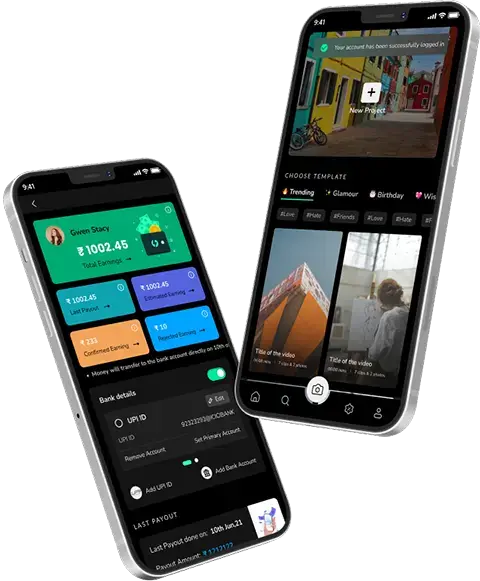
Entertainment apps are one of the finest masterpieces of the app world, holding the potential to attract a wider group of users across demographics. Today, entertainment app development has evolved far beyond basic usage, as mobile apps are no longer limited to a specific age or gender. In fact, users from different walks of life, with no age-bar, are actively consuming digital content and enjoying the convenience these apps bring.
Indeed, entertainment apps such as games, videos, music, and live-streaming platforms have become a powerful source of revenue. With the rise of video streaming app development and OTT platforms, businesses are now leveraging advanced solutions to engage users and scale faster. And this is where an efficient, well-planned app solution truly makes a difference.
Here in this post, we have collected a few practical tips and tricks to help you generate higher revenues while building a strong and widespread user base. So, let’s scroll further and explore what entertainment apps have to offer…
Different types of entertainment apps you can build in 2026
Yes, an entertainment app is not just limited to one category, but it is a vast genre, where a wide variety of apps help users get the most out of digital content while supporting the entire business ecosystem. Today, entertainment app development covers multiple segments, from streaming platforms to interactive and social experiences. Let’s take a look at the different types of entertainment apps.
1. Social media apps
It is the most popular form of entertainment apps, and helps users stay connected with each other. These platforms not only enable communication but also act as major content-sharing hubs, making them a key part of entertainment mobile app development.
2. Music Apps
These apps are widely used, letting online music gain huge popularity, but also allowing artists across the world to get great recognition. With the growth of music streaming app development, platforms now offer personalized playlists, AI-based recommendations, and offline listening features.
3. Gaming apps
Indeed, amid COVID-19 these apps secured a top position in the mobile app market, and continue to be one of the most demanding categories. From casual games to real-time multiplayer experiences, gaming plays a crucial role in entertainment app features and engagement strategies.
4. Live streaming apps
With these apps, users can access live episodes of their favorite TV shows, sporting events, and more. Also, these apps are on a great popularity level, where users can watch live streams without having to move out. This has significantly boosted the demand for live streaming app development and real-time content delivery solutions.
5. Video streaming / OTT apps
These apps, like OTT platforms, allow users to watch movies, web series, and exclusive content on demand. With the rapid rise of OTT app development and video streaming app development, this category has become one of the most profitable segments in the entertainment industry.
6. Short video apps
Short-form content apps have gained massive traction, where users consume quick, engaging videos in seconds. These platforms are highly addictive and play a major role in increasing user retention and app engagement.
7. Event & ticketing apps
These apps allow users to discover events, book tickets, and stay updated with concerts, shows, and local happenings. They bridge the gap between digital discovery and real-world entertainment experiences.
8. Podcast & audio streaming apps
With the growing popularity of audio content, podcast apps are becoming a key segment in entertainment app development, offering users on-the-go learning and storytelling experiences.
Features to enhance user engagement in your entertainment app in 2026
Below are the core features of entertainment apps that lay the foundation. They are non-negotiable. Let’s look at them…
-
Keep registration simple
Users’ data is an important aspect, and it further lets the app owners create a personalized connection with the users. In this process you need to ensure that the registration process is kept as short as possible. To elevate user-experience you can simply allow them to include social registration via Facebook or any other popular social media site.
-
App design; ensure it is worthy
Surprisingly, reports suggest that almost a quarter of all users prefer to abandon apps if they don’t like their DESIGN or find it HARD to navigate through the app. This is where you need to invest your time and money and must ensure that the app is checked not from the owner’s or developer’s perspective, but only from the customer’s perspective. In the first place you need to make the design as smooth as possible, but still, to help the users, you can include a short tutorial for your users, where they can learn how to use the app. To enhance the user experience, keep this tutorial animated and succinct with a skip button, so users are not forced to watch it.
-
Live Streaming
This feature lets the users receive the bits of the live content and sync the buffer with the stream of data. And this is the most prominent feature amid COVID-19, where people aren’t able to attend the events or go to movie halls.
-
Give a shot of social buttons
On liking your app, it will be shared and discussed among friends and family. To ease down the road for your users, simply provide an opportunity to users. Where they can share the app via chat or social media.
-
Content management and DRM
Here, you keep a security shield around your content. In order to prevent the content from being reproduced or hacked, providing access control can limit video access based on IP address, domain, and location.
-
Various payment modes
Yes, this is one of the most significant features that must be considered while developing an entertainment app. It brings ease to your users letting them do online transactions, payment via e-wallets, and cards.
-
Notification alert
With this feature you let your users receive a notification, every time a video is added, event timing is changed or any other relevant information comes.
Bonus tip: Make sure the app works flawlessly
Your app MUST work flawlessly, as users out there are highly impatient, and they don’t prefer to stay with a mobile app that is slow or has poor performance. Henceforth to combat these obstacles you must consider proceeding with MVP app development. Your app can have only a few features but they should work perfectly.
Advanced features to consider for entertainment apps in 2026
While the core features lay the foundation, modern entertainment app development is now being shaped by AI, personalization, and immersive experiences. To stay relevant in 2026, here are a few advanced features you should consider:
1. AI-powered content recommendations
Users no longer want to search, they expect content to find them. AI-based recommendation engines analyze user behavior, watch history, and preferences to suggest highly relevant content, improving engagement and retention.
2. Voice search and AI assistants
With the growing use of voice-enabled devices, integrating voice search makes content discovery faster and more intuitive. AI assistants can also guide users, suggest content, or even control playback.
3. Hyper-personalized user experience
Beyond basic recommendations, apps now offer personalized dashboards, curated playlists, and adaptive UI based on user behavior. This level of personalization is becoming a key differentiator in entertainment app features.
4. AI-based content moderation
To maintain platform quality and safety, AI can automatically detect inappropriate or copyrighted content. This is especially important for platforms with user-generated content.
5. Smart notifications (predictive alerts)
Instead of generic notifications, AI-driven alerts are sent based on user activity, preferences, and timing, making them more relevant and less intrusive.
6. Multi-device synchronization
Users often switch between devices. Whether they start watching on mobile and continue on smart TV, seamless syncing ensures uninterrupted experiences across platforms.
7. AR/VR-based immersive experiences
Augmented Reality (AR) and Virtual Reality (VR) are slowly becoming part of next-gen entertainment mobile app development, offering interactive concerts, virtual events, and immersive storytelling.
8. Offline mode with smart downloads
Allow users to download content, but with AI-driven suggestions on what to download based on their interests and usage patterns.
Top 5 entertainment apps to take inspiration from in 2026
To better understand how entertainment app development works in the real world, it helps to look at some of the most successful platforms. These apps have not only scaled globally but also set benchmarks in user experience, content delivery, and monetization.
-
Netflix
One of the leading OTT platforms, Netflix has transformed how users consume content. With its powerful recommendation engine, high-quality original content, and seamless streaming experience, it stands as a prime example of successful video streaming app development.
-
YouTube
YouTube dominates the video content space by offering both long-form and short-form content. Its creator-driven ecosystem, ad-based monetization model, and massive user base make it a key inspiration for building scalable entertainment platforms.
-
Spotify
Spotify is a leader in music streaming app development, known for its personalized playlists, AI-driven recommendations, and smooth user interface. It has redefined how users discover and enjoy music globally.
-
TikTok
TikTok revolutionized short-form video content with its highly engaging algorithm and endless scroll format. It highlights how strong user engagement strategies and content personalization can drive massive growth in a short time.
-
Twitch
Twitch is a popular live streaming platform, especially in the gaming community. It showcases the potential of live streaming app development, where real-time interaction and community engagement play a crucial role.
If you notice closely, all these apps focus heavily on personalization, seamless performance, and user engagement which are essential when planning your own entertainment app.
Suggested read: How to Build a Live Streaming App like Netflix, Prime, Disney+ Hotstar?
Benefits of creating entertainment apps
1. Personalization at scale with AI – Entertainment apps today use AI to understand user behavior, preferences, and viewing patterns. This helps deliver highly personalized content, which directly improves engagement and retention.
2. Multiple revenue streams – With models like subscriptions, ads, and in-app purchases, entertainment apps open doors to diversified monetization. This makes entertainment app development a sustainable long-term investment.
3. Global reach with digital scalability – Unlike traditional platforms, mobile apps allow businesses to scale globally without physical limitations, helping them reach audiences across different regions effortlessly.
4. Real-time engagement and user interaction – Features like live streaming, comments, and social sharing enable real-time interaction, making users feel more connected and involved with the platform.
How to build an entertainment app (Step-by-step) in 2026
Building an entertainment app is not just about coding a platform, it’s about creating an experience that users keep coming back to. From idea validation to launch, every step plays a crucial role in the success of your entertainment app development journey.
1. Identify your niche and audience
Before anything else, you need clarity. Are you building a video streaming app, a music platform, a gaming app, or something hybrid? Defining your niche helps you understand your target audience, their preferences, and what kind of content they actually consume.
2. Conduct market research
Once your idea is clear, study the market. Analyze competitors, explore trending platforms, and identify gaps. This step helps you refine your concept and align it with current demand in entertainment mobile app development.
3. Define core features
Now comes the foundation. Decide what your app must have such as user profiles, content streaming, search, recommendations, social sharing, and payment integration. These entertainment app features will shape the overall user experience.
4. Plan UI/UX design
Design is not just about how the app looks, but how it feels. A smooth, intuitive interface keeps users engaged. Focus on easy navigation, minimal friction, and visually appealing layouts to enhance user retention.
5. Choose the right technology stack
Your tech stack depends on your app type. For example, video streaming app development requires strong backend support, cloud storage, and content delivery networks (CDNs) to ensure seamless performance.
6. Start development (MVP first)
Instead of building a full-scale app right away, begin with an MVP (Minimum Viable Product). This allows you to launch faster, test your idea, and gather real user feedback before scaling further.
7. Test for performance and usability
An entertainment app must work flawlessly. Conduct rigorous testing for speed, responsiveness, bugs, and user experience. Even small glitches can lead to user drop-offs.
8. Launch and market your app
Once everything is in place, launch your app on platforms like iOS and Android. But launching is not enough, you need a strong marketing strategy, including social media promotion, influencer marketing, and app store optimization.
9. Monitor, improve, and scale
Post-launch is where real growth begins. Track user behavior, analyze feedback, and continuously improve your app. Add new features, optimize performance, and scale your platform as your user base grows.
If you look closely, building an entertainment app is a continuous process, not a one-time effort. The more you adapt to user behavior and trends, the stronger your app becomes over time.
Cost to develop an entertainment app in 2026
The cost to develop an entertainment app in 2026 largely depends on factors such as app complexity, features, platform (iOS, Android, or both), and backend infrastructure. Especially in cases like OTT app development or video streaming app development, costs can increase due to advanced features like live streaming, AI recommendations, and DRM security. Here’s a quick estimate based on current market trends:
| App Type | Estimated Cost |
| Basic App | $15,000 – $30,000 |
| Mid-Level App | $30,000 – $80,000 |
| Advanced OTT App | $80,000 – $200,000+ |
These estimates align with industry benchmarks, where basic apps with core features like user login, content browsing, and streaming fall on the lower end, while advanced platforms with multi-device support, live streaming, and scalable infrastructure can go well beyond $200,000
It’s important to note that the final cost is influenced by multiple factors such as UI/UX design, third-party integrations, content licensing, and the overall scalability requirements of your app.
Monetization strategies for entertainment apps for 2026
Building an app is one part, but generating revenue from it in 2026 is where the real game begins. In entertainment app development, choosing the right monetization model depends on your content, audience, and engagement strategy.
-
Subscription model
One of the most common approaches is the subscription model, where users pay monthly or yearly to access premium content, just like OTT platforms.
-
In-app advertising
Another popular option is in-app advertising, where you earn through ads displayed within the app, especially effective for apps with a large user base.
-
Freemium model
You can also adopt a freemium model, offering basic features for free while charging for advanced content or features.
-
In-app purchases
In addition, in-app purchases allow users to buy exclusive content, virtual items, or upgrades within the app.
-
Hybrid approach
In many cases, a hybrid approach works best which combines multiple strategies to maximize revenue while keeping the user experience intact.
Build your future-ready entertainment app with Techugo
To be précised, an entertainment mobile app is a perfect platform where users can relish movies, music, live streaming, news, sports, or even a mix of everything. And today, with the rise of entertainment app development, these platforms are not just about content anymore, but about experience, personalization, and engagement.
Indeed, these apps hold strong potential, because they allow creators, brands, and businesses to build a sizable following and connect with users in a more direct and meaningful way. And with the right strategy, features, and technology, this potential can turn into a scalable business model.
If you are yet to experience the benefits of an entertainment app for your services, then maybe this is the right time to take that step. And this is where Techugo, as a leading entertainment mobile app development company, brings the right mix of product thinking, scalable architecture, and AI-first engineering to the table.
So, whether you are planning to build a streaming platform, a gaming app, or a full-fledged OTT solution, the team at Techugo can help you shape, build, and scale your idea with the right approach.
Reach out to Techugo to receive a no-obligation quote for your entertainment app development and take the first step towards building something users would actually love to come back to.

Get in touch
We'd love to hear from you.