

 SA
SA  KW
KW  IE
IE AU
AU UAE
UAE UK
UK USA
USA  CA
CA DE
DE  QA
QA ZA
ZA  BH
BH NL
NL  MU
MU FR
FR 









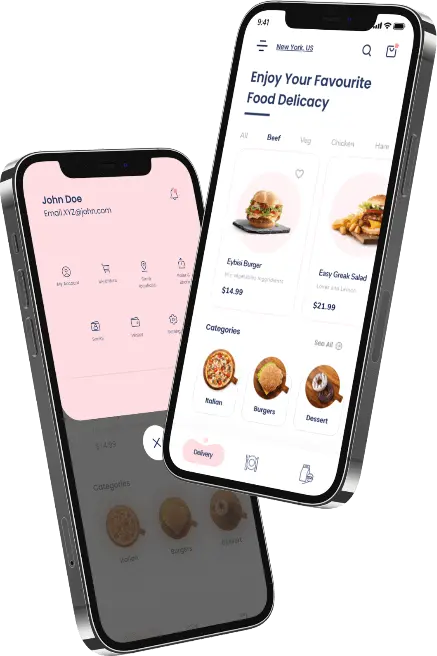

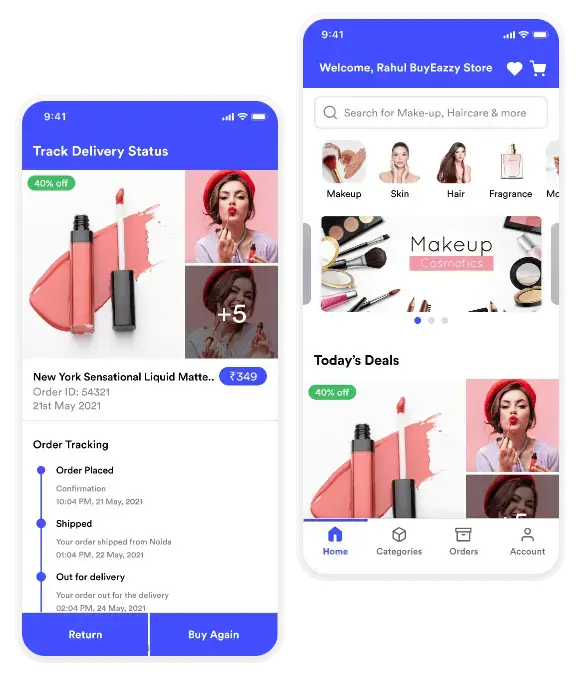

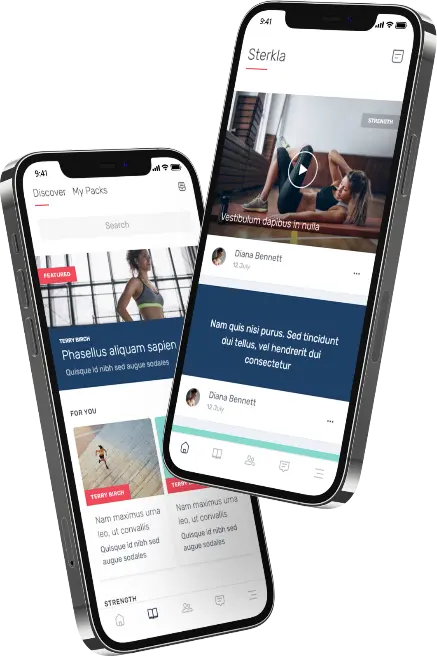

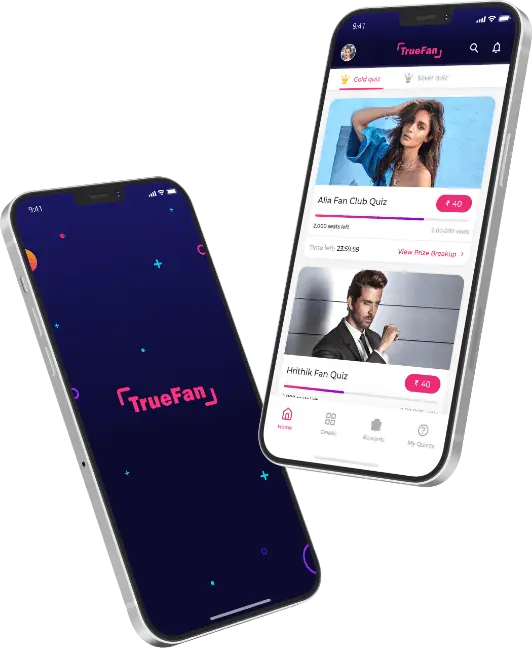


You’ve finally made the decision to build a mobile app for your business and are ready to enter the digital world. But then you see a flood of development approaches – native, hybrid, cross‑platform, PWAs (progressive web apps) and suddenly you get confused and don’t know which path is best. Now, what to do???
It is a very common situation that is experienced out there quite frequently when you are puzzled to make the right decision. But not anymore.
We very well know that, for a startup or an enterprise, building an app solution comes up with different demands and expectations. Most of the time, the development decision is dependent on various factors like budget, time limit, performance, and many more, and choosing the wrong approach can affect both user experience and ROI.
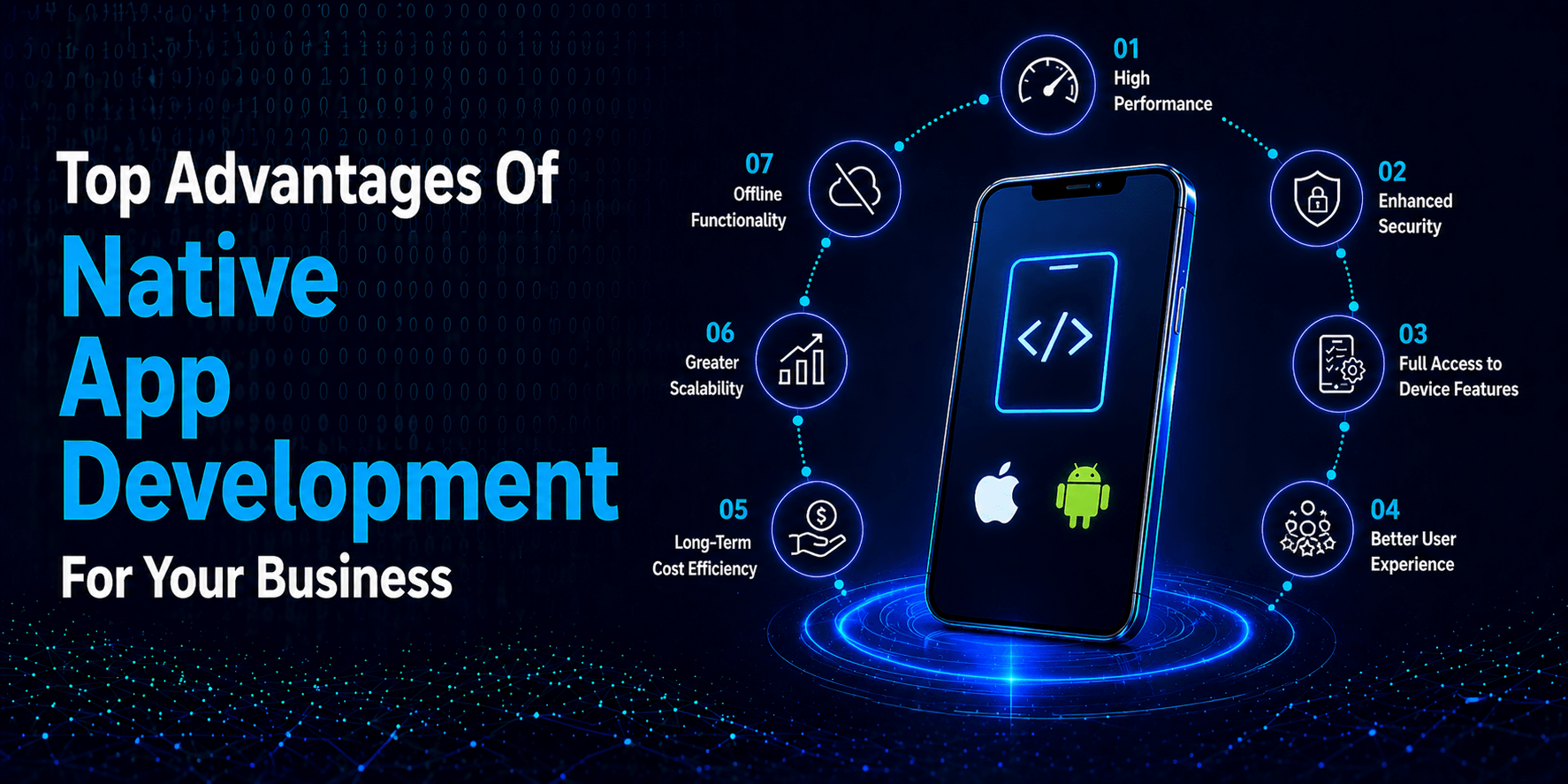
For most business solutions today, native app development still stands out for delivering maximum performance, deep device integration, and the smoothest user experience especially when benchmarks like app responsiveness and hardware access are crucial.
In this post, we’ll explore the key advantages of native app development in 2026 and why it continues to be the preferred choice for businesses. So let’s get started…
What is Native mobile app development?
To start with, you must know that in the native approach, the app code is written and the app is developed only for a specific operating system. And just like any other app, these apps are easy to access through respective stores.
To build an application for iOS, developers require programming languages Objective-C or Swift, and for Android, they need Java or Kotlin. With the Native apps, there are not just one but multiple benefits associated, and these apps do not require any external help from other browsers or tools to get launched.
Lately, this platform has become the talk of the town in the development fraternity, as it offers a myriad of benefits compared to other types of apps such as Hybrid or Web.
Let’s get started…
Top Benefits of Native App Development For Your Business
Secure and reliable
The security aspect is not a choice but a necessity, every business needs to consider within their app solution. And this is way too possible and simple for the Native apps. These apps are known for their reliability and security. In the development process, these apps make good use of core languages while programming. This calls for an extra layer against any type of security violations. On the other hand, it becomes easier to assess risks in native apps. It is feasible to utilize multi-factor authentication in these apps, adding an extra flavor of security.
Native Apps work offline
Your users are having a weak connection or no connection, native apps are here to keep working relentlessly. Native apps work even if there is no internet connectivity, and make certain that your users don’t get any obstacles in experiencing the best services, in any given situation.
Interactive apps come into the picture
Every business needs an app solution that is interactive and intuitive at the same time, to gain the attention of users and answer their needs effortlessly. And, no prize for guessing but this demand is well-addressed by native mobile apps run much smoother compared to any other type of apps, but also ensures to make the app look and feel like an inseparable part of the device.
Exceptional user-experience
Yeah, you heard it all correct and fine. This is one of the most engaging benefits to be experienced with native mobile apps. Every single native app is built for a specific operating system, henceforth, while building the app, the developers remain within the guidelines. This as a result enhances the user experience to another level, and app flow turns out to be more natural and enables users to interact with apps using actions and gestures they are familiar with.
Utilize full features of devices
As we all know that native apps are developed for their particular platform, this leads to taking full benefits of OS features. Also, this helps the app to utilize device features such as GPS, camera, microphone, among many others. In this run, you cannot miss the incredible feature like push notifications, which turns into a most sought-after feature with the native development.
Experience lesser bugs
An app to discover bugs is nothing less than a painful journey, which not a single business wills to experience. The very concept of native app development ensures to have fewer dependencies as it does not rely on cross-platform tools such as Xamarin or Cordova. This calls for lesser bugs and users encounter a seamless app in return. Further, native app developers also get access to a new SDK-software development kit, helping them to build an app with the most efficient features.
Seamless integration with emerging technologies
One of the standout advantages of native apps is how effortlessly they integrate with emerging technologies. Whether it’s AI-powered personalization, AR/VR experiences, IoT connectivity, or wearable devices, native apps provide the performance and access needed to make these features work smoothly.
For instance, a retail app can use AR to let users try products virtually, or an AI-driven app can offer personalized recommendations based on user behavior. Similarly, IoT-enabled apps for smart homes, fitness devices, or connected vehicles rely on deep device integration, which is easier to achieve in a native environment.
By choosing native development, businesses can stay ahead of tech trends, offer innovative features, and deliver a futuristic user experience.
Better app store visibility & monetization
Native apps often enjoy higher visibility in app stores because they are optimized for performance, follow platform guidelines closely, and provide superior user experiences. This not only improves discoverability but also increases downloads and user engagement.
Additionally, native apps make it easier to leverage platform-specific monetization tools, such as Apple’s in-app purchases, Google Play subscriptions, or ad integrations, helping businesses maximize revenue directly through the app. With better store rankings and monetization options, a native app becomes a strategic asset, not just a digital presence.
Native App Development Use Cases / Industry Applications
Native apps offer smooth performance as well as they are transforming how businesses interact with their users. From startups to large enterprises, native mobile app development is being used across industries to deliver real value.
Retail & E-commerce
In retail, native apps allow for features like AR shopping experiences and personalized product recommendations. Users can virtually try products, receive push notifications for deals, and enjoy loyalty programs through apps built specifically for iOS or Android. This is one of the biggest benefits of native apps, as it keeps customers engaged and drives sales.
Healthcare & Fitness
Healthcare apps built natively can securely handle sensitive data while integrating with wearables and fitness devices. iOS app development or Android app development for telehealth allows real-time monitoring, AI-assisted diagnostics, and offline access to important health records. These capabilities show why native mobile apps are preferred for critical industries.
Finance & Banking
When it comes to banking and finance, security and performance are non-negotiable. Native apps enable secure transactions, real-time analytics, and AI-driven financial insights. With deep access to device features, users can get instant alerts, manage investments, and make payments seamlessly and this highlights the advantages of native app development.
Education & E-learning
Educational apps benefit from native mobile development because they can support interactive learning modules, offline access, and progress tracking. Students can use AR simulations, quizzes, and notifications to stay engaged. Native apps ensure the experience is smooth, intuitive, and fully optimized for the device.
Travel & Hospitality
Native apps shine in travel apps with location-based services, offline maps, and real-time booking updates. Users can receive personalized itineraries and push notifications while on the go, making native app development the obvious choice for businesses in this sector.
Entertainment & Media
For streaming, gaming, or media apps, native mobile apps deliver high-quality performance, immersive experiences, and personalized content. Push notifications for live events, AI-based recommendations, and AR/VR interactions work best on apps built specifically for the device.
Across all industries, native app development ensures apps are fast, reliable, and capable of integrating emerging technologies. This is why businesses continue to choose native apps when they want to offer the best user experience, security, and engagement.
Let’s Talk Money: Cost Considerations & ROI for Native App Development
One of the first questions business owners ask when thinking about native app development is: “So how much will this actually cost me?”
And the honest answer is – it varies a lot depending on what you want to build, how complex it is, and whether you’re targeting iOS app development, Android app development, or both platforms.
But today, with trends and benchmarks in 2026, you can plan with realistic cost expectations rather than guesswork.
Here’s a practical snapshot of what native app development may cost in 2026:
1. Basic native mobile app (simple features, single platform): $25,000 – $50,000
Great for MVPs or simple business apps with login, a few screens, and basic functionality.
2. Medium complexity native app (accounts, APIs, custom UI): $60,000 – $150,000
Typical for business apps with user profiles, integrations, push notifications, and admin panels.
3. Advanced native app (real‑time features, AI/ML, scalable backend): $150,000 – $400,000+
Ideal for apps with real‑time chat, AI personalization, AR/VR elements, or large user bases.
4. Enterprise‑grade native solutions: $300,000 – $600,000+
For apps with stringent security, complex workflows, compliance needs, and high scalability.
These ranges reflect professional native app development when you’re serious about performance, smooth user experience, and long‑term growth. Building separate iOS and Android native apps usually costs more than a single platform, but it also delivers the full advantages of native development that businesses aim for in 2026.
It’s also worth remembering: even after launch, most apps require ongoing support such as updates, new features, and maintenance which can run about 15%–30% of the initial build cost per year depending on complexity.
At the end of the day, investing in native app development isn’t just about upfront cost. It is about the ROI you get back through better performance, stronger user retention, and higher engagement, which all drive business growth.
Common Misconceptions About Native Apps
When it comes to native app development, there are a lot of myths floating around that can confuse businesses. Let’s clear the air and get the facts straight.
1. Native apps are too expensive
Yes, native apps can cost more upfront compared to hybrid or web apps, but think long-term. With native mobile app development, you get better performance, fewer bugs, and superior user experience, which means higher retention and engagement. Over time, this ROI often outweighs the initial investment.
2. They take too long to build
Many assume iOS app development or Android app development takes ages. The truth? Modern frameworks and SDKs speed up development significantly. A simple native app can be ready in a few months, while more complex apps still benefit from optimized workflows and platform-specific tools.
3. One app can fit all platforms
Some businesses think building a single app for multiple platforms will save time and money. While hybrid apps exist, they can’t fully leverage device features like native apps do. To get the full benefits of native apps such as speed, offline functionality, push notifications, and seamless OS integration, you really need a native build for each platform.
4. Native apps are hard to maintain
Contrary to this belief, native apps are easier to maintain in the long run. Fewer dependencies and direct use of platform SDKs mean fewer bugs, faster updates, and better scalability. Maintenance becomes predictable and manageable.
5. Only big businesses need native apps
Startups and small businesses can benefit too. Even an MVP built natively provides a smoother user experience, better analytics, and faster adoption, helping small players compete with larger competitors.
Clearing these misconceptions helps businesses make informed decisions and truly understand why native app development continues to be the preferred choice for performance, security, and engagement in 2026.
To Sum Up
Considering the technical and functionality, no other app can compete with native ones, as their responsiveness and user experience is of another level.
For a business to grab the attention of its users, a mobile app is a central tool for interaction. Hence, it MUST deliver an impeccable user experience that drives user retention and engagement as well.
And this is where native app development comes into the picture and ensures control over the user experience. This platform doesn’t let you sacrifice the design elements without disturbing the flow of the user experience.
Time to initiate a NEW journey with a leading mobile app development company.
Don’t wait any longer! Contact us to launch your AI-ready, high-performance native app today.

Get in touch
We'd love to hear from you.