

 SA
SA  KW
KW  IE
IE AU
AU UAE
UAE UK
UK USA
USA  CA
CA DE
DE  QA
QA ZA
ZA  BH
BH NL
NL  MU
MU FR
FR 









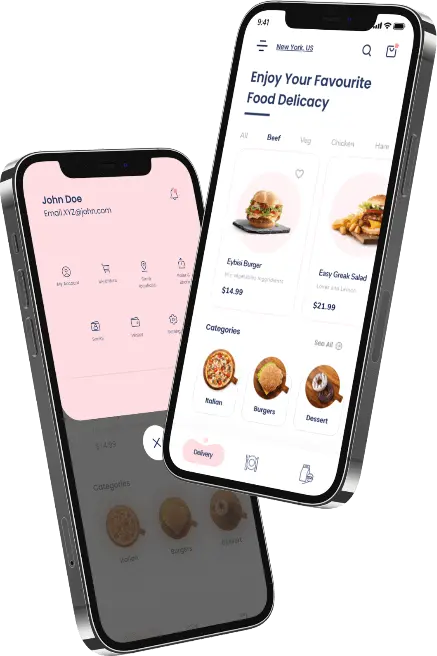

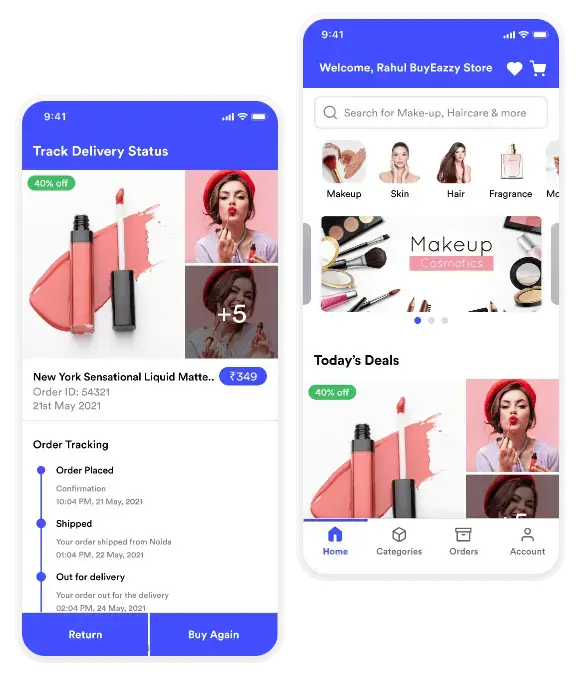



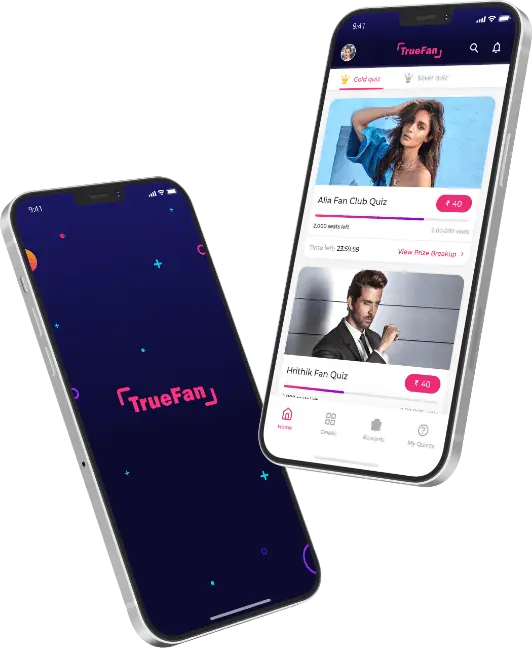
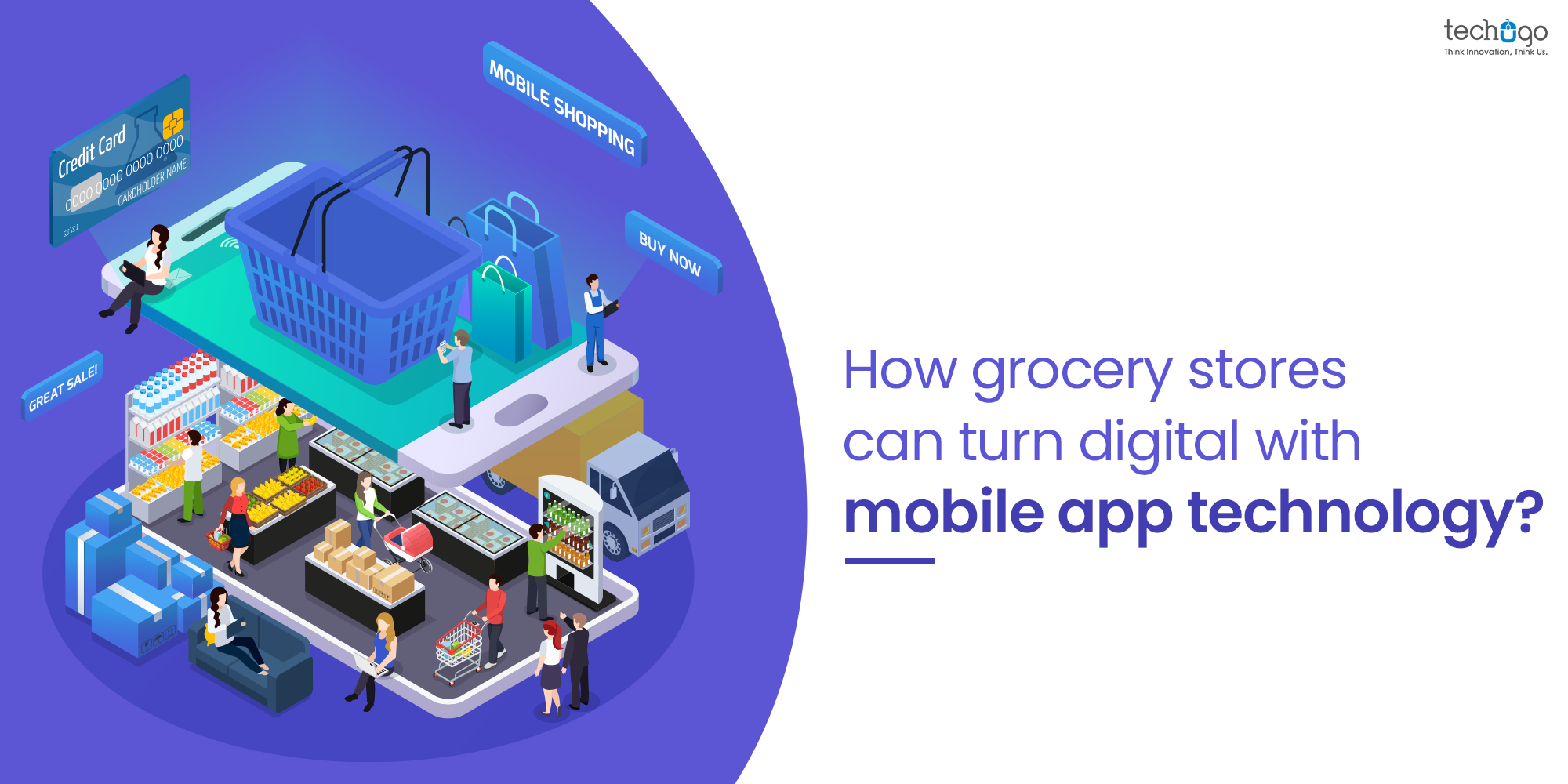


Mobile apps have revolutionized nearly every industry, pushing customers toward digital experiences and unlocking new levels of convenience. And grocery retail is no exception. Today, with the rise of digital transformation in grocery retail, businesses are rapidly adopting mobile technologies to modernize operations and stay relevant. With the help of grocery mobile app development, stores can embrace this digital shift, stay at the top of customers’ minds, and drive consistent growth.
There are multiple benefits associated with digital identity in retail, which go far beyond just offering unique mobile experiences. From enabling hyper-personalized shopping to improving convenience, strengthening brand visibility, and building long-term customer loyalty, digital platforms are reshaping how grocery businesses connect with their users.
Let’s unearth the benefits that traditional brick-and-mortar grocery businesses can reap with a mobile app, and how grocery app development helps create a strong and impactful digital identity.
Role of digital identity in grocery apps
Digital identity is no longer limited to just logging into an app. In today’s digital transformation in grocery retail, it plays a much deeper role in shaping how customers interact with a brand.
Personalized shopping at scale
According to McKinsey & Company, personalization can deliver 5–15% revenue growth and increase marketing ROI by 10–30% in retail. With a well-defined digital identity, grocery apps can recognize users, understand their preferences, and deliver experiences that feel tailored rather than generic. Every search, every purchase, and every interaction contributes to building a unique user profile that helps businesses move toward hyper-personalized shopping experiences.
Enabling data-driven decision making
For grocery businesses, digital identity is a gateway to actionable data. It allows them to track buying patterns, predict demand, and optimize inventory. With the integration of AI in grocery retail, businesses can:
- Recommend relevant products
- Forecast demand trends
- Reduce stockouts and wastage
Seamless and secure user experience
Digital identity also enhances convenience by enabling faster and more secure interactions. Features like saved addresses, multiple payment options, and one-click checkout create a frictionless journey for users.
Strengthening customer loyalty and engagement
When customers feel understood, they tend to stay. Digital identity helps grocery businesses build stronger relationships by delivering relevant offers, loyalty rewards, and timely notifications. Instead of mass promotions, brands can engage users with personalized discounts and recommendations that improves both retention and lifetime value.
Building a connected retail ecosystem
When combined with mobile apps, AI, and analytics, digital identity becomes the backbone of a connected ecosystem. It aligns user behavior with business goals, enabling smarter operations and better customer experiences.
In simple terms, it transforms grocery apps from just a transactional platform into a relationship-driven digital experience – one that continuously learns, adapts, and evolves with the user.
How AI and data are transforming grocery retail
The grocery industry is no longer driven by intuition alone. With the rise of AI in grocery retail and advanced data analytics, businesses are shifting toward smarter, faster, and more efficient decision-making.
Smarter demand forecasting and inventory management
AI helps grocery retailers predict what customers will buy, and when. According to McKinsey & Company, AI-driven forecasting can reduce supply chain errors by up to 30–50%. By analyzing past purchase behavior, seasonal trends, and real-time demand, businesses can optimize inventory and reduce waste.
Hyper-personalized customer experiences
With access to large volumes of customer data, AI enables grocery apps to deliver personalized recommendations, offers, and shopping journeys. Instead of generic suggestions, users see products based on their preferences, purchase history, and browsing behavior. This level of personalization not only improves user experience but also drives higher conversions and repeat purchases.
Optimizing pricing and promotions
AI allows grocery businesses to dynamically adjust pricing and promotions based on demand, competition, and customer behavior. Retailers can identify which products need discounts, which ones are performing well, and how pricing impacts buying decisions. This leads to more effective campaigns and better profit margins.
Enhancing operational efficiency
A report by IBM highlights that AI adoption in retail is helping businesses improve operational efficiency while delivering better customer experiences.
From automated checkout systems to smart supply chain management, AI is streamlining operations across the grocery ecosystem. Many businesses are now investing in AI app development services to build intelligent grocery platforms that can automate workflows, reduce manual effort, and improve overall efficiency.
Real-time insights for better decision making
Data analytics provides grocery retailers with real-time insights into customer behavior, sales trends, and operational performance. This enables faster decision-making and helps businesses stay agile in a highly competitive market. Instead of reacting late, retailers can proactively adapt to changing customer needs.
AI and data are supporting and redefining grocery retail. From personalized shopping to intelligent operations, these technologies are helping businesses build scalable, future-ready digital ecosystems.
Benefits of grocery mobile app development for businesses
The growing demand for convenience and speed has made grocery mobile app development a strategic investment for businesses. It is no longer just about going digital, but about creating a seamless and engaging shopping experience that keeps customers coming back.
1) Keeping up with the competition
A mobile app helps to keep up with competitors?
Businesses who are able to embrace the changing world and make the digital platform an integral part of their business model, especially through grocery mobile app development, are going to scale. And this has been proven further during the pandemic crisis, where only digital identity helped the businesses to survive and thrive. Henceforth, if you really want to get an EDGE over your competitors and lure customers, then an app is the best-fitting solution for your needs. An app provides an interactive, and high-velocity customer experience, letting grocery businesses increase the chances of creating a lasting effect that amplifies their brand.
2) Personalized experience
Digitalization has transformed the way shopping takes place, letting it get accessed more easily than ever. A mobile app offers a platform for users to enjoy individual and unique shopping experiences, moving toward hyper-personalized shopping. They can interact with service providers and on the other hand, grocery chains can engage with customers on a more personal level. By offering a constant 24/7 access to products and helping them enhance their shopping experience through a strong digital identity in retail.
3) Data-driven marketing
For a business one of the most valuable assets is data, and this is where an app helps you take the benefits out of it. An app paves a way for the grocery business to run a value-driven strategy. It provides necessary information about a product and its requirements. The integration of trending technologies like AI in grocery retail and ML, helps you to understand the user-behavior and simultaneously collect analytics to help businesses adapt their offerings to consumer needs. Indeed, data-driven marketing lets grocery chains monitor and plan product supply based on customer feedback and demand.
4) Enhance branding
The grocery delivery app elevates the branding image of the business while improving in-store shopping experiences. A digital platform makes it more efficient and enjoyable for regular customers, as well as for first-time shoppers. Grocery chains collaborate with a reliable mobile app development company to build scalable and user-friendly solutions that align with their brand goals. The grocery chains utilize mobile apps to offer instant, detailed product information and even help customers to search for a specific item. This gives extra value to the shopper while making their shopping experience more pleasant.
5) Different payment options
An app for the grocery business, lets the users make the payment as per their preferred payment option. They can pick debit, credit, COD, digital wallet to provide a seamless way for the contactless payment.
6) End of the checkout queue
Do you know what irks your customers most?
Yes, that is standing in the long lines for checkout!
No one looks forward to standing in the never-ending queues after a tiring day at work. Using a mobile app, allows the customers to buy groceries with a single tap on their smartphones, and considering the pandemic, it also promotes the contactless deliveries encouraging social distancing.
7) Improve shopping behavior
Today’s users are very demanding and want to access every service at their fingertips. Here mobile app technology comes as a savior and helps consumers to search, purchase, and relish the experience. With the app, it becomes easier for the users to share their experience and in return grocery retailers can improve their services. Indeed, the rise of self-service checkouts, help in clicking and collecting the data-driven analytics for the grocery businesses, and reshape their in-store experience.
8) Better rewards and loyalty programs
To make your customers stay loyal to your brand, rewarding the purchasing behavior is the ideal option. This helps grocery businesses to engage their customers and get an edge over the completion. A mobile app delivers loyalty programs that offer benefits to entice and retain customers. This helps grocery stores to improve their branding and connect with the customers easily.
Future trends in grocery retail technology
Grocery retail is moving fast, and it’s not just about going digital anymore. It is about becoming smarter and more predictive.
In the coming years, we’ll see a stronger rise of AI in grocery retail, where apps will not just recommend products but anticipate needs based on past behavior. Hyper-personalized shopping will become the norm, with every user seeing a slightly different store.
Technologies like cashier-less stores, smart carts, and voice-based ordering will continue to grow, making shopping quicker and more seamless. At the same time, contactless grocery shopping and faster delivery models like same-day or even instant delivery, will shape customer expectations.
On the backend, data will drive everything. From inventory to pricing, businesses will rely heavily on analytics to make real-time decisions and reduce waste.
In short, the future of grocery retail lies in combining digital identity, AI, and mobile app development to create experiences that feel effortless, intuitive, and almost invisible to the user.
To sum up
Mobile app technology has brought grocery stores to the palm of customers’ hands and allows the grocery industry to go toe-to-toe with the growing online presence. It further makes grocery shopping easier, more convenient, and relevant.
In other words, an app is a great feat for grocery businesses, enabling them to operate on a disruptive platform and harness the power of digital transformation in grocery retail to succeed.
Want to learn how you can turn your grocery business DIGITAL?
Partner with a trusted grocery app development company to build a solution that fits your business needs.
Get in touch with our sales team to find out how Techugo can help you successfully adopt digital.

Get in touch
We'd love to hear from you.