

 SA
SA  KW
KW  IE
IE AU
AU UAE
UAE UK
UK USA
USA  CA
CA DE
DE  QA
QA ZA
ZA  BH
BH NL
NL  MU
MU FR
FR 















“The next generation of wearable devices will not only stay close to your bodies but will be powered by them.”
Read that again if it’s hard to digest.
Don’t you love your smartwatch? No wonder wearing it feels cool, but what’s more amazing is its awe-inspiring features and all the fun things you could do with it. Many users are so obsessed with the device that they are in favor of wearing it 24/7. However, it isn’t possible.
Do you know why?
Because of its battery-powered functionality. It can be annoying to charge and recharge when a user relies heavily on wearable technology. And the problem doesn’t stop with smartwatches alone. Power limitations also affect audio-enhancing hearables, AR contact lenses, and other emerging wearable devices.
Undoubtedly, researchers are working towards the same goal to fix the issue by developing stretchable batteries, supercapacitors, etc. Still, these approaches may not offer a long-term solution to the growing energy demands of modern wearables.
Then, what could be the most convenient power source?
YOUR OWN SWEAT.
That sure sounds funny, but using sweat as an energy source for wearable devices is what the scientists and developers are thinking. This innovative idea of sweat-powered wearable technology could redefine how future wearables function, and it is what we’ll be talking about in this article.
So, take a peek?
Sweat-Powered Wearable Devices: Where Technology Meets the Human Body
Have you ever heard about sweat-powered wearable devices?
If not, we’re about to uncover some fascinating insights into how these devices work.
The relationship between technology and humans has now climbed another step of the success ladder, as wearable devices can now generate energy from the human body itself.
Undoubtedly, wearable electronic devices are powerful tools for health monitoring, and their value cannot be denied. Scientists have now developed a new wearable mechanism that produces energy from the lactate present in human sweat.
Does that mean we are becoming the power source for our wearable devices?
Indeed.
The Evolution of Sweat-Powered Wearable Technology
It all started with the efforts of a group of scientists from the Scottish institution who created a battery cell using a supercapacitor. The formation of this new functionality has replaced traditionally used electrolytes found in batteries.
According to researchers, it takes only 20 microlitres of fluid to keep a wearable device active for longer periods of use. This makes wearable devices powered by sweat a practical possibility.
How Sweat is Converted into Energy
A fuel cell comprises dual electrodes: an anode and a cathode with an electrolyte in between. The fuel makes its way to an anode, after which it is separated into electrons and protons. Furthermore, the protons pass through a membrane to reach the cathode, while the electrons flow into a circuit simultaneously to generate power.
Sweat becomes an ideal energy source for such devices because it is easily produced when a person is physically active. Moreover, athletes and fitness enthusiasts already rely heavily on smart devices, making them a promising market for sweat-powered wearable technology.
The wearable app developed alongside these devices displays critical information such as battery levels and device features, adding further value. Now that sweat-powered wearable devices are gaining recognition and are being highly adopted, entrepreneurs are likely to focus on app development that supports and enhances this energy-harvesting mechanism.
What do you think?
If you have a strong app idea and are interested in developing a unique wearable application, here’s how you should move forward from here:
Wearable App Development for Sweat-Powered Devices
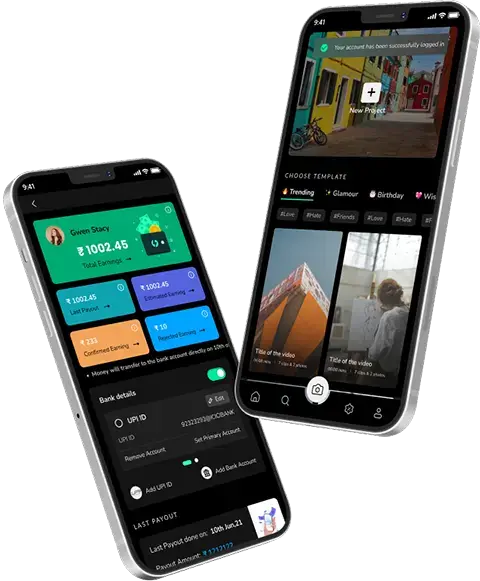
Wearable apps are a hub that receives information or data directly from wearable devices. These apps have access to the device’s hardware, like sensors that collect the entire data and transfer it to the connected mobile app.
In the case of sweat-powered wearable devices, wearable apps play an even more important role by displaying energy levels, health metrics, and performance data in one place.
Also Read: 6 Common Wearable App Development Challenges and How to Overcome Them
Most Popular Wearable Devices of Today
Before developing a wearable mobile app, it is essential to make sure of the type of wearable devices you are targeting. There are several categories of wearables, and some of the most popular ones are as mentioned below:
1. Fitness Trackers
These are the devices that focus on physical activity metrics, like heart rate, calories burned, the number of steps taken, etc. Modern fitness trackers offer features like displaying notifications, online payments, etc, making them suitable for future sweat-powered wearable technology.
2. Smartwatches
Smartwatches are one of the most popular wearables that eliminate the need to carry your smartphone everywhere. These devices enable users to perform activities like send and receive messages, view notifications, track activity, and monitor health data.
3. Smart Jewelry
One of the most prominent examples of smart jewelry is the smart rings, used to track physical activity and collect insights that are then transferred to the user’s mobile app for further analysis.
Industries Adopting Wearable App Development
Wearable app development can highly benefit businesses across industries. As wearable devices powered by sweat and energy-harvesting technologies evolve, several industries are showing strong interest in adopting this model, and some of them are mentioned below:
- Healthcare
- Outdoor navigation
- Fitness
- Education
- Insurance
- Entertainment
- Fintech
Future Use Cases of Sweat-Powered Wearable Devices
The future of sweat-powered wearable devices goes far beyond fitness tracking. As energy-harvesting technology matures, these devices are expected to play a vital role in healthcare, sports, and continuous monitoring.
Healthcare and Medical Monitoring
In the healthcare sector, sweat-powered wearable technology could enable long-term patient monitoring without frequent charging. Potential applications include:
- Continuous heart-rate and ECG monitoring
- Glucose and hydration level tracking
- Wearable biosensors for chronic conditions
These devices could operate using energy generated directly from the wearer’s body, reducing dependence on external power sources.
Sports and Fitness Applications
For athletes and fitness enthusiasts, wearable devices powered by sweat could support:
- Hydration and electrolyte balance monitoring
- Muscle fatigue and performance analysis
- Real-time activity tracking without battery anxiety
Over time, such wearables may integrate with smart fabrics and skin patches to deliver instant physiological insights during training.
Research-Backed Potential
According to research published by the University of California, San Diego (Joule Journal, 2020), a sweat-powered wearable prototype generated up to 5 milliwatts of power during physical activity, which is sufficient to run low-power electronic sensors. This demonstrates the practical feasibility of using sweat as a renewable energy source for future wearable devices.
Emerging and Long-Term Use Cases
As wearable technology continues to evolve, sweat-powered systems may also be applied in:
- Military and defense training programs
- Remote patient monitoring
- Smart healthcare environments
- Long-duration outdoor and adventure activities
These use cases indicate that the human body itself could become a reliable power source for next-generation wearables.
To Sum Up: The Future of Sweat-Powered Wearables
As industry trends suggest, the use of wearable devices is set to grow rapidly in the coming years and become a powerful tool of convenience for users across sectors.
Along with other mobile apps on your smartphone, a wearable app can serve as a valuable extension, helping users track health and activity while also supporting features such as real-time data access and digital payments when required.
If you operate in any of the industries mentioned above, now is the right time to gain a competitive edge by investing in wearable app development and next-generation wearable technology.
How?
By partnering with the right technology expert.
To explore how sweat-powered wearable devices and intelligent wearable applications can transform your business, connect with Techugo, a leading mobile app development company in USA with proven experience in building scalable and innovative digital solutions.
Let’s build the future of wearable technology together.
Have a great day and happy innovation!

Get in touch
We'd love to hear from you.