

 SA
SA
 KW
KW
 IE
IE AU
AU UAE
UAE UK
UK USA
USA
 CA
CA DE
DE
 QA
QA ZA
ZA
 BH
BH NL
NL
 MU
MU FR
FR















Could industries have predicted how rapidly digital transformation would evolve over the past few years?
The comparison to the ‘Contagion’ movie has often been made in hindsight (though purely as a light reference, not in a literal sense).
On a serious note, no one could have fully anticipated how quickly digital transformation would reshape industries across the globe in such a short span of time.
What began as an accelerated shift has now become a permanent business reality in 2026. Companies across sectors have moved far beyond basic digitization and are now competing through intelligent, app-driven ecosystems powered by AI, cloud computing, and automation.
Every major disruption has historically created opportunity, and the last few years have significantly accelerated technological evolution, reshaping both the trajectory and velocity of digital transformation, a momentum that continues to define industries in 2026.
But what does this actually mean?
Why Mobile Apps Are Still Driving Industry Transformation in 2026
Mobile apps are still a major driver of industry transformation in 2026, and they are no longer just simple tools. They have become intelligent systems, and they are now deeply connected with AI, cloud, and business ecosystems, so that industries can operate in a more connected way, and faster too.
The global mobile app economy is growing, and it is projected to cross $600 billion by 2026, because users are now spending more on subscriptions, in-app purchases, and also mobile advertising (source: Appalize mobile trends report, 2026). Therefore, apps are not just optional anymore, but they are becoming core revenue channels for businesses, whether large or small.
-
AI is redefining mobile app experiences
AI has become the core of modern mobile apps, and it is changing how apps behave and respond. Apps are now able to learn from users, and they adjust experiences in real time, but this shift also means businesses need more advanced systems.
That is why many companies work with an AI development company, so that they can build smarter apps, and integrate automation and prediction into their systems. Because of this, apps are no longer static, they are dynamic, and they are constantly evolving based on user behavior.
According to industry analysis from mobile app research platforms like RipenApps and similar market studies, AI-driven mobile adoption has grown significantly, and generative AI apps alone have reached billions of downloads globally in recent years (source: RipenApps mobile app statistics report, 2026).
-
Engagement is now more important than downloads
Earlier, downloads were everything, but now it is different. What matters more is engagement, retention, and how often users return to the app, because attention has become limited and competition has increased.
Global users now spend over trillions of hours annually on mobile devices, and therefore businesses have to focus on speed, relevance, and personalization so that users stay longer and interact more (source: mobile usage industry reports, including App Annie / data.ai insights and related mobile analytics studies).
-
Mobile apps as business infrastructure
Mobile apps are no longer just customer-facing products, they are also part of business infrastructure. They are used in payments, healthcare, logistics, retail, and more, and they connect AI, cloud systems, and enterprise tools together.
It was earlier just about convenience, but now it is about integration, and how well systems work together in real time.
Mobile apps in 2026 are not just applications anymore, they are ecosystems. They are shaping industries, and they are helping businesses scale, adapt, and deliver better experiences, therefore making them a central part of digital transformation.
Key Technologies Powering the App Revolution in 2026
The app revolution in 2026 is not just about mobile apps alone, but it is also about a mix of technologies that are shaping how apps are built and how they behave, and how they evolve over time. These technologies are working together, and they are making applications faster, smarter, and more adaptive, so that users get better experiences, and businesses get better outcomes.
-
Artificial Intelligence and Generative AI
AI is the strongest force behind modern app innovation, and it has changed almost everything about how applications work. It is now in personalization, predictions, automation… and more, because apps are expected to “understand” users instead of just serving them.
Generative AI is also playing a big role here, and it is allowing apps to create content, respond dynamically, and handle complex tasks. Businesses are therefore using generative AI integration services, so that their systems are not static anymore, but instead are adaptive and continuously improving.
-
Cloud Computing and Serverless Architecture
Cloud computing has become the backbone of modern applications, and it was the shift that made scalability easier than before. Apps are now deployed in cloud environments, and they can scale up or down depending on demand, which was not as smooth earlier.
Serverless architecture has also simplified things, because developers no longer need to manage heavy infrastructure, and therefore they can focus more on building features that matter.
-
Internet of Things (IoT)
IoT is connecting apps with real-world devices, and it is creating ecosystems where digital and physical systems are working together. From smart homes to connected vehicles, everything is now linked through apps, and it feels more seamless than before.
With the rise of IoT app development services, businesses are able to build solutions that connect devices and platforms, so that users can control real-world systems directly through their mobile apps, and it has become much more practical now.
-
AR, VR, and Spatial Experiences
Augmented Reality and Virtual Reality are changing how users interact with apps, especially in retail, real estate, and gaming. These experiences are more immersive, and they allow users to see and understand things before making decisions, which was not possible earlier in the same way.
Although adoption is not uniform across all industries, AR and VR are slowly becoming part of mainstream app experiences, and they are expected to grow further in the coming years.
-
5G and Edge Computing
5G has improved speed and reduced latency, and it has directly impacted how apps perform in real time. Combined with edge computing, data processing is now happening closer to the user, and therefore apps are more responsive and faster.
It was earlier slower, but now it is different, because systems are optimized in a way that supports real-time interaction, and large-scale data handling is also smoother than before.
The app revolution in 2026 is powered by AI, cloud, IoT, immersive technologies, and fast connectivity, and these technologies are not working separately. They are connected, and they are shaping how apps behave, how businesses operate, and how users experience digital products, therefore making everything more intelligent and integrated.
Industry Sectors Driving the App Revolution in 2026
The future of digital transformation is no longer uncertain, but it is already unfolding in real time. While new technologies continue to evolve, it is clear that industries adopting mobile apps and AI-driven platforms are the ones leading this shift in 2026.
As businesses move deeper into digital ecosystems, mobile apps have become the primary bridge between users and services. Therefore, industries such as healthcare, fintech, retail, and real estate are experiencing rapid transformation through AI app development services, cloud platforms, and automation-driven solutions.
Let’s catch this read to see which industry sectors would gain momentum with ever-rising app technology in 2026…
Healthcare
During COVID-19 time, we all have witnessed how health trends have taken the front seat for everyone across the globe. Amid the chaos, where this nutty virus gripped the world, medical transformations accelerated the growth and acceptance of remote health monitoring and virtual care.
The adoption of telemedicine platforms, AI-powered diagnostics, and cloud-based healthcare systems has significantly increased, enabling hospitals and healthcare providers to deliver more efficient care. Remote health monitoring and virtual care have also become more mainstream, supported by advanced mobile solutions and real-time data systems.
Today, the holistic digital transformation of healthcare, through AI healthcare app development services, cloud computing, and intelligent data management systems, is driving the next phase of innovation in the industry. These technologies are helping healthcare organizations improve decision-making, enhance patient engagement, and scale services more effectively across regions.
Banking & Finance
Digital banking is no longer an unfamiliar concept for users, as it has now become a mainstream part of everyday financial activity. The shift toward mobile-first banking has accelerated significantly, making financial services more accessible, faster, and more secure through digital platforms.
Today, technologies such as fintech app development, blockchain, AI-powered financial systems, eWallets, and big data analytics are driving this transformation. Banks and financial institutions are increasingly adopting these innovations to improve customer experience, enhance security, and streamline operations.
As a result, fintech innovation is reshaping the way people save, invest, transfer, and manage money in 2026. With the growing demand for AI-driven fintech apps and digital banking solutions, the industry is moving toward fully integrated, intelligent financial ecosystems that prioritize speed, transparency, and user convenience.
Grocery shopping
A Statista report highlights that global online grocery usage has grown rapidly, with over 1.4 billion users engaging in online grocery services by 2023, and the market continuing to expand strongly into 2026 as digital shopping becomes a daily habit. (Source: Statista)
Grocery shopping has shifted from offline routines to app-based ecosystems, where users expect speed, convenience, and real-time delivery tracking. The global online grocery market is now valued at over $600 billion+ and is expected to grow further in the coming years, driven by mobile-first commerce and hyperlocal delivery models. (Source: Grand View Research)
With the rise of on-demand grocery delivery apps, grocery app development services, and hyperlocal delivery platforms, the entire shopping experience has become faster and more personalized.
In 2026, trends like AI-based recommendations, voice ordering, and smart reordering systems are making grocery apps more intelligent, efficient, and deeply integrated into everyday life.
Travel & Tourism
Travel and tourism continue to grow steadily in 2026, as people increasingly prioritize experiences, convenience, and digital-first planning. However, the way travel is experienced has significantly evolved, with mobile apps now playing a central role in every stage of the journey.
Today, travelers rely on travel app development solutions, AI-powered travel assistants, and smart booking platforms to plan, book, and manage trips seamlessly. Mobile apps have made travel more personalized, efficient, and real-time, reducing friction across bookings, navigation, and on-ground experiences.
Technologies like AR-based travel experiences, virtual hotel tours, and AI-driven recommendations are also enhancing decision-making, allowing users to explore destinations before they travel. At the same time, integrated travel apps support contactless check-ins, digital tickets, and real-time updates, making the entire journey more connected and convenient.
As a result, travel apps in 2026 are not just booking tools, but intelligent platforms that combine planning, personalization, and experience management into a single ecosystem.
Real Estate
Real estate has seen strong digital transformation over the years, and mobile apps have played a key role in centralizing property discovery, buyer-seller communication, and virtual experiences. In 2026, the industry continues to evolve rapidly, driven by app-first platforms and data-driven property insights.
Today, users rely on real estate app development solutions, proptech platforms, and AI-powered property recommendation systems to explore listings, compare properties, and make informed decisions. Mobile apps have made it possible to handle everything from property searches to documentation in a single digital environment.
Technologies like AR/VR-based virtual tours, AI-driven pricing models, and digital property management systems are further improving transparency and user experience. As a result, buyers and sellers can now interact more efficiently without traditional friction.
Therefore, real estate apps in 2026 are no longer just listing platforms, but intelligent proptech ecosystems that enhance decision-making and customer engagement.
Retail
Mobile apps and the retail industry continue to be one of the strongest combinations driving digital transformation in 2026. Retail has now fully evolved into an app-first, customer-centric ecosystem where online and offline experiences are deeply integrated.
The rise of eCommerce mobile apps, omnichannel retail platforms, and AI-powered shopping experiences has made it easier for brands to engage customers, personalize offers, and streamline the buying journey. Physical stores have also adapted by adopting digital tools to stay competitive and connected with modern consumers.
With the increasing adoption of eCommerce app development services, AI-based recommendation engines, and smart inventory systems, both large brands and SMEs are now leveraging mobile apps to improve customer engagement and retention. This shift is making retail more data-driven, personalized, and experience-focused than ever before.
In 2026, retail is no longer just about selling products, but about creating seamless digital journeys that connect discovery, purchase, and loyalty within a single ecosystem.
Final Thoughts
Tech trends may continue to evolve, but what remains constant is the need to deliver meaningful and seamless customer experiences through modern digital solutions. In 2026, businesses are no longer competing only on products or services, but on how effectively they use technology to engage, serve, and retain users.
From healthcare to retail, fintech to real estate, mobile app technology continues to drive large-scale transformation across industries. With the rise of AI app development, cloud-based platforms, and intelligent digital ecosystems, businesses now have the opportunity to build scalable and future-ready solutions.
So, if a startup or enterprise is planning to build a disruptive idea or launch a powerful mobile application, choosing the right technology partner becomes critical.
Techugo, a top mobile app development company with 10+ years of experience and 50+ AI-powered solutions delivered, has been helping global businesses turn ideas into impactful digital products. From startups to enterprises, the focus remains on building scalable, user-centric, and innovation-led applications.
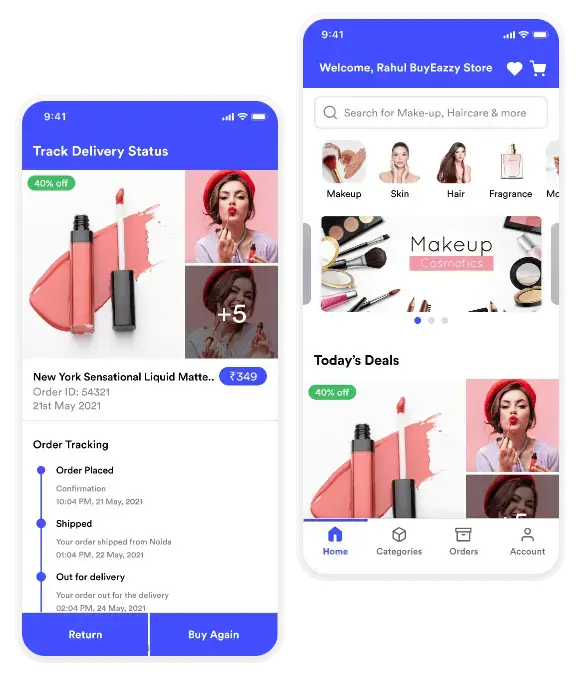
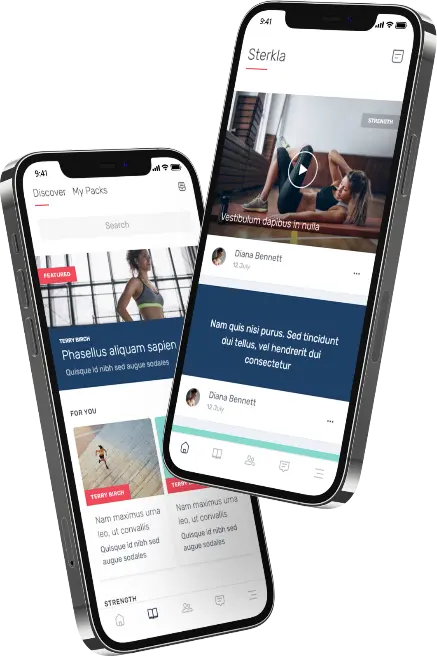
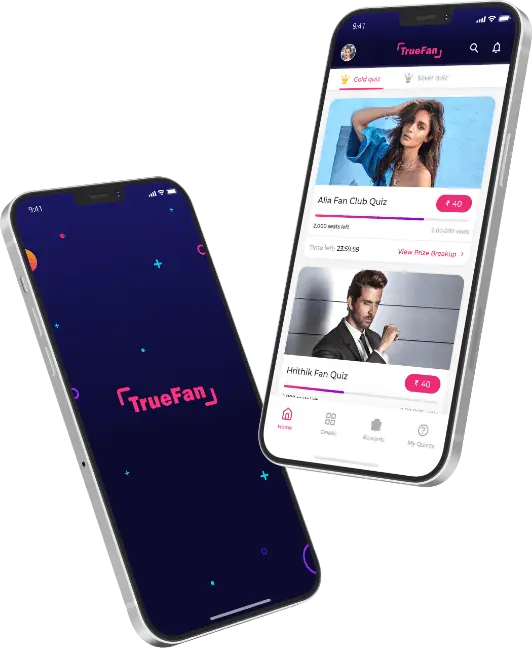
Businesses can also explore Techugo’s portfolio and case studies to understand how real-world challenges have been solved through thoughtful design and advanced engineering.
For any queries related to app development or digital transformation, expert guidance can help you move in the right direction.
Get a free consultation and start building your app idea into a real product today.

Get in touch
We'd love to hear from you.