

 SA
SA
 KW
KW
 IE
IE AU
AU UAE
UAE UK
UK USA
USA
 CA
CA DE
DE
 QA
QA ZA
ZA
 BH
BH NL
NL
 MU
MU FR
FR















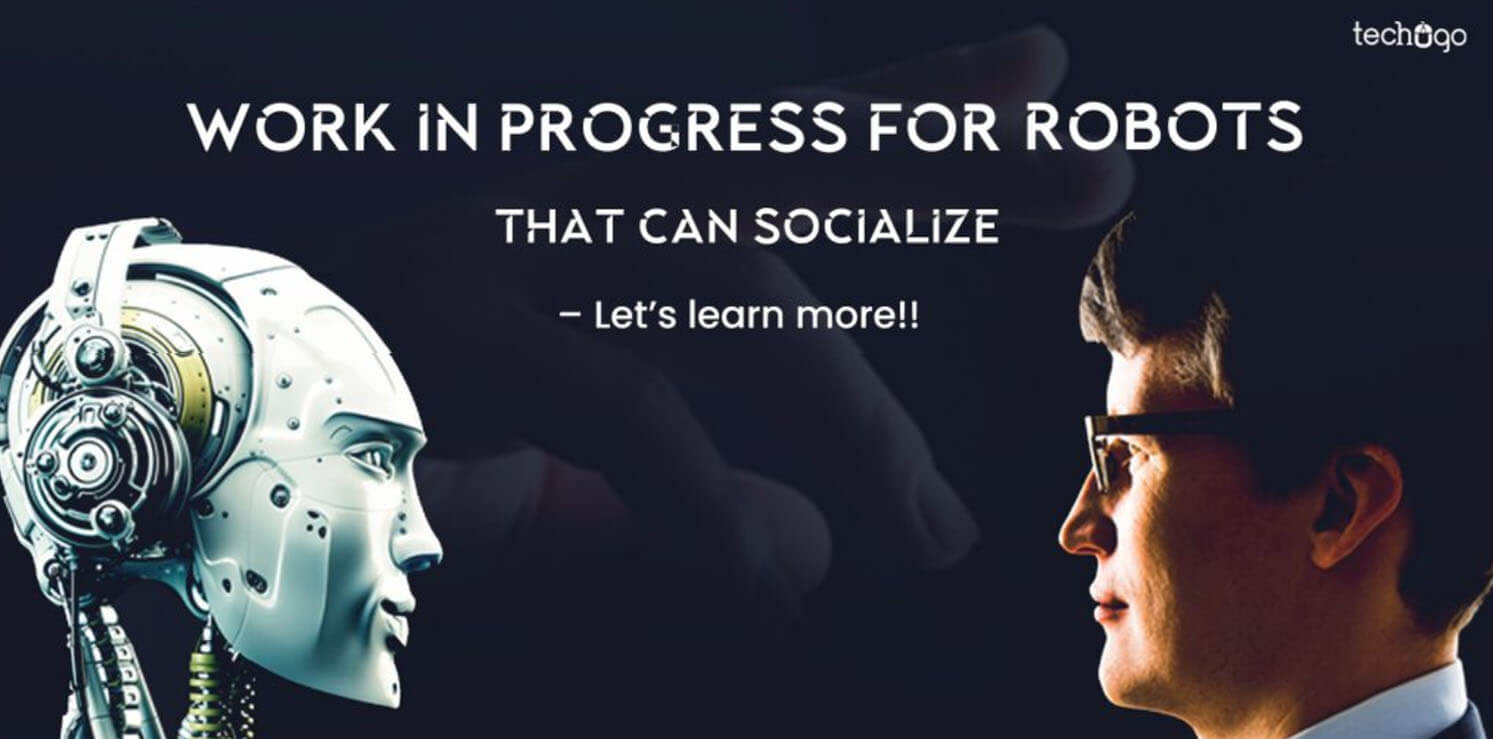


Dealing with human emotions and offering meaningful responses has always been considered a uniquely human ability. Machines, on the other hand, were designed mainly to follow instructions and perform repetitive tasks.
But that idea is slowly changing.
With advancements in artificial intelligence, robots are beginning to understand patterns of human behavior, speech, and emotions. While robots that fully understand human feelings are still under development, researchers and engineers are steadily moving toward a future where machines can communicate, collaborate, and even socialize with humans.
In fact, robotics combined with AI is already transforming the way businesses operate, industries automate tasks, and people interact with technology.
And the next step in this journey is the rise of social robots.
A Brief Introduction to Robotics
Robotics is an interdisciplinary field that combines science, engineering, and computer technology to design and build machines capable of performing tasks autonomously or semi-autonomously.
For decades, our fascination with robots has been shaped by pop culture. Characters like
Optimus Prime,
R2-D2, and
WALL‑E
have influenced how people imagine robots in the real world.
These fictional robots often display personality, emotions, and social awareness. While reality is not yet at that level, modern robotics research is steadily moving closer to making such capabilities possible.
Today, robotics is no longer limited to factories or laboratories. Robots are being explored for use in healthcare, logistics, education, customer service, and even home environments.
Artificial Intelligence and Robotics
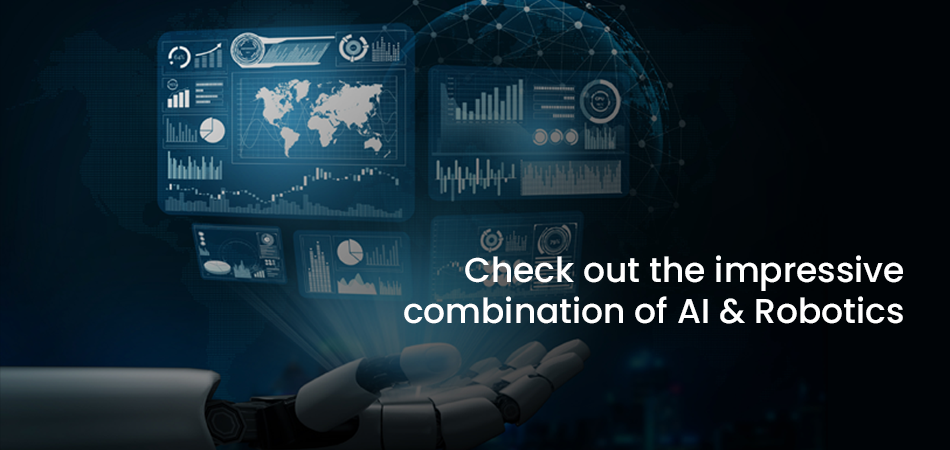
The real breakthrough in robotics has come from combining robots with AI technologies.
Earlier robotic systems were rule-based and rigid. They performed specific tasks and struggled to adapt when conditions changed. However, modern AI systems enable robots to learn from data, improve performance, and interact with their environment more intelligently.
This combination has made robotics extremely valuable in areas such as:
- manufacturing automation
- warehouse operations
- logistics and packaging
- inventory management
- customer interaction systems
As organizations increasingly adopt intelligent systems, robotics integrated with AI is becoming a core part of digital transformation strategies across industries.
The Rise of Social Robots
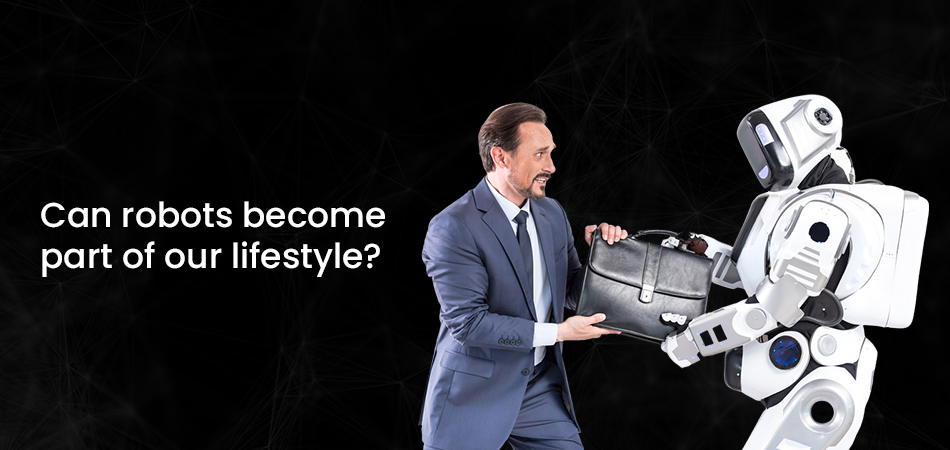
As robots move from factories into everyday environments, the ability to communicate with humans becomes increasingly important.
This is where social robotics enters the picture.
Social robots are designed to interact with humans through speech, gestures, facial recognition, and behavioral cues. Instead of performing isolated mechanical tasks, these robots focus on human-centric interaction.
Researchers are currently developing systems that allow robots to:
- recognize human emotions
- respond to verbal commands
- interpret facial expressions
- adjust behavior based on context
Many experimental models currently operate within simulated environments or limited real-world settings. However, continuous progress in AI research is bringing more sophisticated human-robot interaction capabilities closer to reality.
-
Can Robots Really Understand Human Emotions?
One of the most fascinating areas of research in social robotics is emotional intelligence.
Researchers are actively working on systems that allow robots to detect emotional signals such as facial expressions, voice tone, and body language. By analyzing these cues, robots can adjust their responses and create more meaningful interactions.
While robots cannot truly “feel” emotions, advanced algorithms allow them to identify patterns in human behavior and respond in ways that appear empathetic and helpful.
This ability to interpret human reactions is a major step toward building machines that can interact comfortably in human environments.
-
Where Are Social Robots Being Used Today?
Although the technology is still growing, social robots are already being explored across multiple industries. In the coming years, we may see robots assisting in education, elderly care, hospitality, and customer engagement.
In elderly care environments, social robots are being developed as companions that can remind patients to take medication, monitor health conditions, and offer simple conversations that reduce loneliness.
Educational institutions are experimenting with robots that help students learn through interactive sessions, games, and guided lessons.
Customer service is another area where social robots are gaining attention. Robots equipped with conversational abilities can greet visitors, provide directions, answer questions, and assist with routine inquiries in places like airports, hotels, and retail stores.
These applications show that robots are gradually moving from purely mechanical roles toward more human-centered responsibilities.
-
What Could the Future Look Like?
Although current systems are still evolving, the idea of robots understanding and responding to human emotions is no longer limited to science fiction.
With continuous progress in robotics research, machine learning, and conversational technologies, social robots could soon become part of everyday life.
In the coming years, we may see robots assisting families at home, supporting teachers in classrooms, helping healthcare professionals in hospitals, and providing customer support in businesses around the world.
The journey is still unfolding, but the future of human-robot interaction looks more promising than ever.
Do Applications Help Power Social Robots?
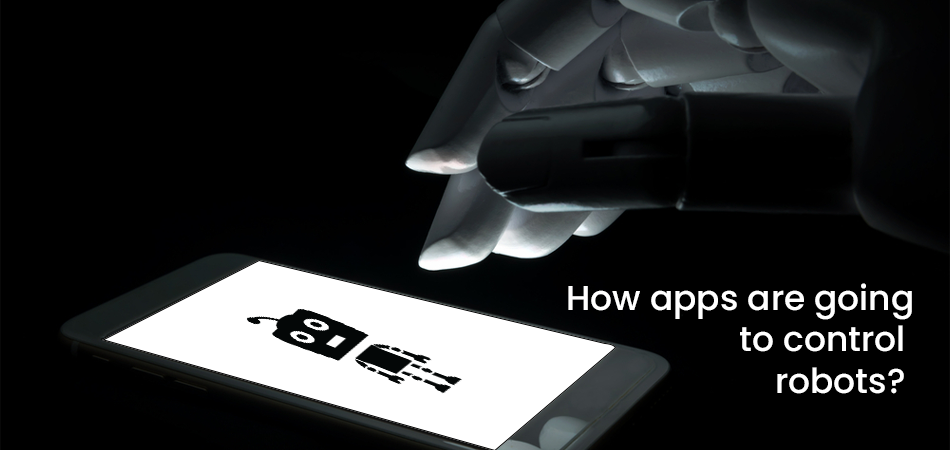
Behind every advanced robotic system lies a powerful software ecosystem. While the physical robot captures attention, it is the software, applications, and intelligent algorithms that actually enable meaningful interaction.
Mobile applications, cloud platforms, and connected systems often act as the control centers for robotic solutions. These platforms allow developers and businesses to monitor robotic performance, manage updates, and analyze real-time data generated through user interactions.
- Modern robotics platforms increasingly rely on AI app development frameworks that integrate machine learning models, speech recognition, and natural language processing into robotic systems. This enables robots to process user commands, interpret questions, and respond with relevant information.
- Conversational capabilities are also becoming a core component of social robots. Through advanced chatbot development, robots can communicate with users in a more natural and interactive way, allowing them to answer questions, guide customers, or assist employees in various operational tasks.
- In many advanced systems, an intelligent AI agent works behind the scenes to analyze interactions and continuously improve how the robot responds to users.
For organizations exploring robotics-based solutions, partnering with an experienced AI development company can help transform innovative ideas into scalable products that combine hardware, software, and intelligent automation effectively.
Why Social Robotics Matters for the Future
Social robotics is not just about building machines that can talk. It is about improving the way humans interact with technology.
Future robots could assist with:
- elderly care and companionship
- education and tutoring support
- customer service automation
- healthcare assistance
- smart home management
These technologies are still evolving, but the progress made over the past few years indicates that emotionally aware machines may soon become part of everyday life.
As innovation continues, companies investing in robotics platforms are also working with a top mobile app development company to build the digital ecosystems required to support these intelligent systems.
The journey toward socially intelligent robots is still ongoing. Researchers, developers, and engineers across the world are experimenting with new approaches to improve how machines interpret human behavior and respond appropriately.
Although fully human-like robots may still be some years away, the progress in robotics and AI suggests that the gap between humans and machines is steadily narrowing.
For innovators, entrepreneurs, and technology leaders, this is the right time to explore how AI-powered robotics solutions could shape the future of businesses and human experiences.
How Techugo Can Help You Build Intelligent AI Solutions
The idea of socially intelligent robots is now not limited to research labs or science fiction movies. Businesses in different industries are now exploring how intelligent systems can automate operations, enhance customer experiences, and create smarter digital products.
But turning such ideas into working solutions requires the right blend of technology expertise and product strategy.
At Techugo, we help organizations transform innovative concepts into scalable digital solutions by combining advanced technologies with practical product development expertise. From intelligent automation platforms to conversational systems, our team focuses on building solutions that are both functional and future-ready.
Whether you are planning to develop AI-powered applications, automation platforms, or smart digital ecosystems, our experts guide you through every stage of the journey, from ideation and design to development and deployment.
As a top mobile app development company, Techugo works closely with startups, enterprises, and global brands to build high-performance applications that integrate emerging technologies with real-world business needs.
Our development approach focuses on creating solutions that are scalable, secure, and aligned with long-term innovation goals.
If you have an idea related to intelligent systems, automation, or future-ready digital products, this could be the perfect time to turn that vision into reality.
Let’s build something impactful together.
Conclusion
Social robots represent one of the most exciting intersections of robotics and artificial intelligence. As technology continues to evolve, robots will not only automate tasks but also assist, communicate, and collaborate with humans in meaningful ways.
However, building intelligent systems requires more than just an idea. It requires the right strategy, the right technology stack, and the right development partner.
At Techugo, our experienced team helps businesses transform innovative ideas into scalable digital solutions. Whether you are exploring robotics platforms or intelligent applications, we are here to guide you through every stage of the development journey.
If you are planning to build an AI-powered solution, now is the perfect time to turn your vision into reality.
Let’s innovate together.

Get in touch
We'd love to hear from you.