


 SA
SA
 KW
KW
 IE
IE AU
AU UAE
UAE UK
UK USA
USA
 CA
CA DE
DE
 QA
QA ZA
ZA
 BH
BH NL
NL
 MU
MU FR
FR















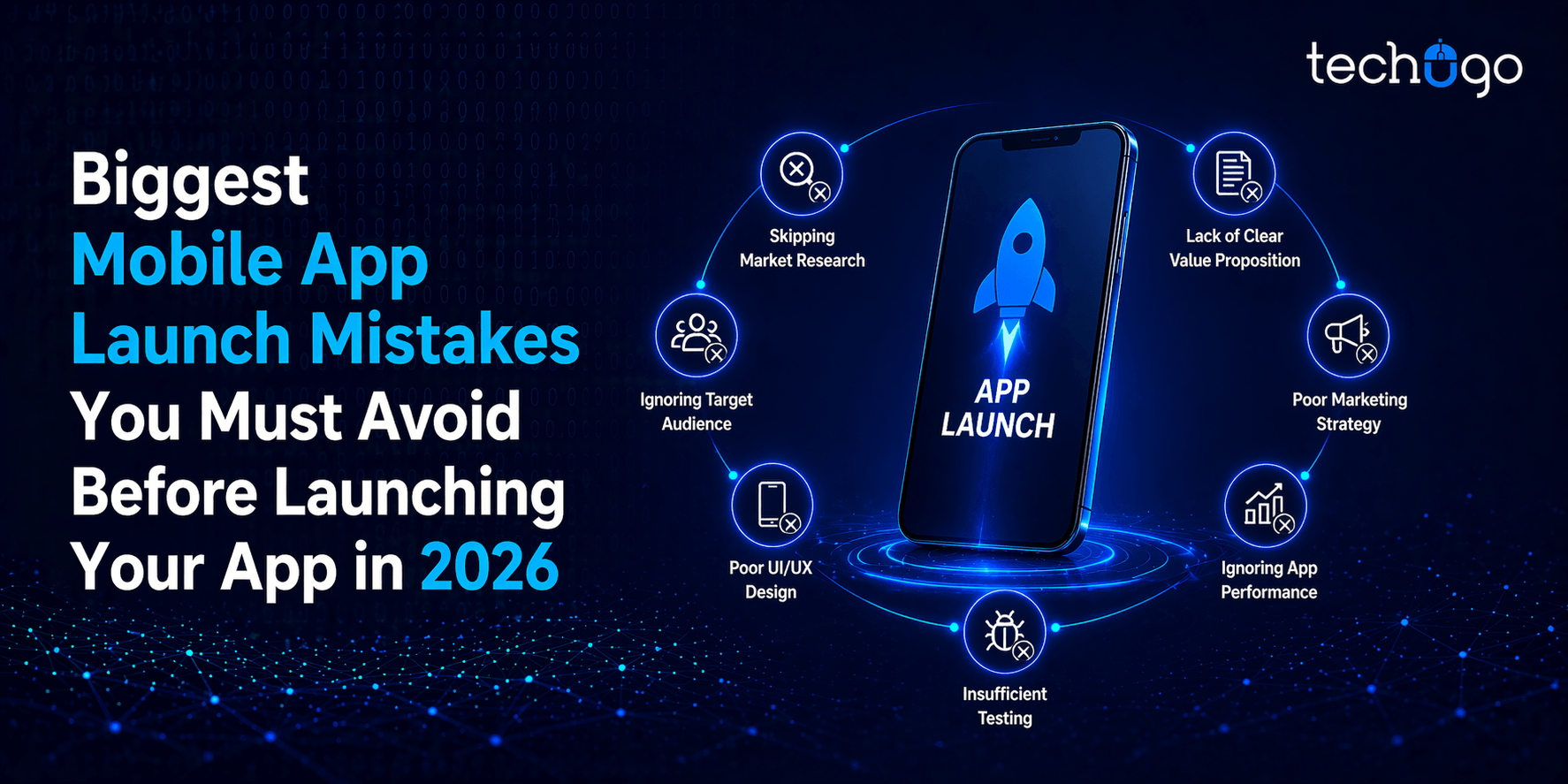


Launching a mobile app is often an exciting milestone. You invest time, effort, and resources with the expectation that the app will succeed in a highly competitive digital marketplace. But many developers and businesses quickly realize that launching is only the beginning of a much tougher journey.
In today’s crowded app ecosystem, where millions of apps are available across the Google Play Store and Apple App Store, standing out has become increasingly difficult. According to industry insights from Statista, the number of mobile apps available continues to grow every year, making competition even more intense for new entrants.
At the same time, user behavior adds another layer of challenge. Reports from mobile analytics platforms such as AppsFlyer and Localytics highlight that user retention drops significantly within the first 30 days after installation, meaning most apps struggle to retain users beyond initial engagement. This is where many mobile apps fail… not because of weak ideas, but due to avoidable mobile app launch mistakes in strategy, marketing, design, and execution.
You may feel confident about your app idea, yet real-world examples show that even well-funded apps lose traction when key launch fundamentals are ignored. From poor pre-launch planning to weak user engagement strategies, these small oversights often decide whether an app grows or disappears unnoticed.
That is exactly why understanding mobile app launch mistakes, app marketing strategy gaps, and post-launch execution errors becomes critical. This guide highlights the most overlooked factors that can make or break an app’s success so you can plan smarter and avoid costly failures before your app goes live.
Phase 1: Pre-Launch Mistakes
Before an app even reaches the store, several hidden mistakes quietly decide whether it will succeed or disappear. Let’s look at them…
-
Skipping Targeted Users’ Market
When an app concept gets ready to come into existence, many marketers and developers rely heavily on intuition instead of validating the actual user market. While it may feel faster and more confident to trust instincts, this approach often becomes one of the most critical mobile app launch mistakes.
A strong understanding of the target audience helps shape the product roadmap, feature set, design direction, and overall app marketing strategy. Without it, even a well-built app risks missing product–market fit.
Conducting proper user research, competitor analysis, and audience segmentation ensures that the mobile app is built around real user needs rather than assumptions. This step is essential for creating a foundation that supports long-term app success.
-
Ignoring Pre-Launch Marketing Strategy
One of the most common app launch mistakes is delaying marketing efforts until the app is ready to go live. In reality, pre-launch marketing plays a crucial role in building awareness, anticipation, and early user acquisition. A strong app marketing strategy before launch helps:
- Build early audience interest
- Generate waitlists or early sign-ups
- Improve App Store visibility at launch
- Strengthen initial download momentum
Without this, even a well-developed app struggles to gain traction in a saturated marketplace where competition begins long before launch day.
-
Selecting A Wrong App Development Company
Many business owners, in their own concept of getting the app development company, select on the basis of cost factor, or just a random app development company, whichever comes first in their reach.
But sadly, this approach is absolutely wrong and you need to pick a top mobile app development company in USA, which is able to handle your app requirements with a sizzling app solution through their technical expertise and the exposure.
Don’t fall for the least-cost app development companies and you need to understand that a least costly app development companies are often some of the least experienced and inefficient app development companies, which abandon your app project in between, in the event of any technical challenge.
-
Not Defining a Clear App Value Proposition
Many apps enter development without a sharp, clearly defined value proposition. This becomes a hidden but serious mobile app launch mistake. If users cannot immediately understand:
- What problem the app solves
- Why it is different from competitors
- Why they should use it regularly
then the app struggles to survive post-launch.
A strong value proposition should be defined before development begins and should guide both product design and marketing messaging.
Phase 2: Launch Execution Mistakes
At the launch stage, even small execution errors in design, visibility, or user experience can significantly impact downloads and first impressions.
-
Poorly Designed App Experience
The app design is something which needs to be taken fully into consideration. A mobile app design is something which speaks of an app and the concept behind it and helps the users to utilize your mobile app without any tutorial required.
Many mobile apps which have made an entry in past years, had poorly executed app design, and which helped those apps to get avoided and rejected by their targeted audience effortlessly. This is heartbreaking since those apps had the potential to make it bigger in the app market, but due to the app design flaws, the apps failed to survive.
Don’t let this happen to your app in 2018, and make sure that your app is designed and developed with the help of proper planning and research conducted at every required step of app development.
-
App Store Optimization (ASO) Mistakes That Reduce Visibility
App Store Optimization is one of the most overlooked yet critical factors during app launch. Even a well-developed app can fail to gain traction if it is not properly optimized for discovery in the App Store and Google Play Store. Common ASO mistakes include:
- Weak or non-optimized app title and keywords
- Poorly written app descriptions
- Low-quality screenshots or missing preview videos
- Lack of keyword research based on user intent
These issues directly impact app visibility, search ranking, and conversion rates. In a competitive mobile ecosystem, ASO is essential for ensuring that users can find and download the app during and immediately after launch.
-
Ignoring App Store Reviews and User Feedback
User reviews play a crucial role in shaping an app’s credibility and long-term success. Ignoring feedback, especially negative reviews is one of the most damaging mobile app launch mistakes.
Many businesses either delay responses or avoid engaging with users altogether, which creates a gap in trust. In contrast, actively responding to reviews helps improve brand perception and demonstrates that user concerns are taken seriously.
Engaging with feedback also provides valuable insights for post-launch improvements, helping teams identify bugs, usability issues, and feature gaps early in the product lifecycle.
-
Ignoring App Store Launch Readiness Checklist
Many apps go live without a proper launch checklist, leading to avoidable technical and branding issues at the time of release. Common oversights include:
- Broken links or missing app assets
- Incomplete app store listings
- Incorrect screenshots or outdated versions
- Lack of localization for target markets
A structured app launch checklist ensures everything is validated before going live, reducing the risk of negative first impressions.
Phase 3: Post-Launch Mistakes
After launch, sustained growth depends on data, retention, and continuous optimization—where many apps fail by treating launch as the finish line.
-
Procrastinating The App Marketing
App marketing is a big game, which involves the intricacies of different marketing layers and luckily these layers have to be invaded by the marketers a bit early and need not be waited for long to proceed with the app marketing strategies. Unfortunately, many app marketers live with a misconception that app marketing can only happen once the app is all set to hit the market, but as I mentioned it is merely a misconception, so it needs to be gotten rid of….
Since carrying out this strategy would only cost the loss of a huge amount of revenue and sales pattern.
To avoid this issue completely, you need to develop a solid marketing plan much before the app is launched and it has to be integrated with the best possible strategies to make the app a successful venture from every corner.
-
Ignoring Post-Launch Analytics and User Data
Once the app is live, user behavior becomes the most valuable source of insight. However, many teams fail to actively track and analyze this data. Ignoring analytics leads to blind decision-making and prevents teams from understanding:
- How users interact with the app
- Where users drop off
- Which features are underperforming
- What drives retention or churn
Using analytics tools helps businesses continuously refine the app experience and improve long-term performance based on real user behavior.
-
Weak Onboarding Experience That Drives Users Away
The onboarding experience is the first real interaction users have with the app, and it heavily influences retention rates. A weak onboarding flow is one of the most overlooked post-launch mistakes. If users are forced through:
- Complicated sign-up processes
- Unclear instructions
- Delayed value delivery
they are far more likely to uninstall the app within the first few minutes.
A strong onboarding strategy ensures that users quickly understand the app’s value and can start using it without friction.
-
Ignoring Retention Strategy After Launch
Many apps focus heavily on downloads but fail to build a long-term retention strategy. This creates a situation where users install the app but do not return. Common gaps include:
- No push notification strategy
- Lack of personalized engagement
- No re-engagement campaigns
- Absence of loyalty or reward systems
In today’s competitive mobile ecosystem, retention is more important than acquisition. A strong retention strategy ensures sustained growth and user lifetime value.
-
Not Planning for Scalability and Performance
One of the most critical post-launch mistakes is failing to prepare the app for growth. As user traffic increases, poorly designed systems often struggle to maintain performance. This can lead to app crashes, slow load times, server overload, and negative user reviews as well.
Scalable architecture, cloud-based infrastructure, and performance optimization are essential to ensure a stable experience even during high traffic spikes.
-
Ignoring AI and Personalization Trends
In 2026, users expect apps to deliver personalized and intelligent experiences. Ignoring AI-driven capabilities is becoming a major competitive disadvantage. Apps that fail to implement:
- Personalized recommendations
- Behavioral insights
- Predictive engagement features
often lose users to smarter, more adaptive competitors.
AI and personalization are no longer optional; they are becoming a core expectation in modern mobile app development.
-
Failing to Continuously Update and Improve the App
Launching the app is not the final step. Many apps fail because they stop evolving after release. Without regular updates:
- Bugs remain unresolved
- Features become outdated
- User interest declines
Continuous improvement based on feedback and market trends is essential for long-term success.
Conclusion
Following these tactics thoroughly would help you to make an app with a successful future in 2026 and beyond, and would help your business to touch the new heights of success with an app platform.
Because launching a mobile app is not just about going live on the App Store or Google Play… it is about building a product that can survive, scale, and grow in a highly competitive digital environment. Most mobile app development challenges do not come from the idea itself, but from avoidable mistakes made before, during, and after launch.
From skipping user research and weak pre-launch planning to poor execution, lack of visibility, and ignoring post-launch optimization, each stage plays a critical role in determining success. Even a well-built application can fail if it does not follow a structured mobile app development and launch strategy that focuses on users, performance, and continuous improvement.
In the end, a successful app is not defined by its launch moment, but by how well it adapts, engages users, and evolves over time. Businesses that invest in proper planning, marketing, and post-launch growth strategies are the ones that turn their mobile app into a long-term success story.
If you are working with a mobile app development company, choosing the right partner can make all the difference in how effectively these strategies are executed. Techugo is one such mobile app development agency that focuses on building user-centric digital products designed for long-term success.

Get in touch
We'd love to hear from you.