

 SA
SA
 KW
KW
 IE
IE AU
AU UAE
UAE UK
UK USA
USA
 CA
CA DE
DE
 QA
QA ZA
ZA
 BH
BH NL
NL
 MU
MU FR
FR







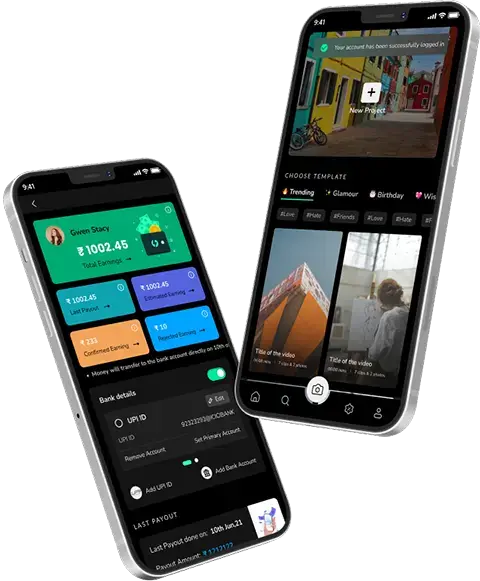









Software as a Service (SaaS) has drastically reimagined software access and utilisation for businesses. Initially dominated by expensive, bulky on-premise systems that required heavy infrastructure and constant maintenance, technology has quickly shifted to lighter, cloud-based, subscription-driven platforms that capitalize on flexibility, scalability and user experience. Today, SaaS is at the core of every digital transformation across nearly every sector. Organisations use it to innovate faster, reduce costs and remain agile in a competitive market.
With the progression of the digital economy, we see the SaaS model undergoing transformation. Emerging technologies and changing customer expectations are shaping the calendar for a new era of software development. SaaS, beyond just being a delivery model, is now being defined as a trigger for smarter automation, personalised user journeys, and domain-specific innovation.
We examine the future of SaaS and present the key trends in SaaS software development likely to define 2025 and beyond in this blog. We will also discuss the implications of these developments for the developer community, businesses, and users. As a technology leader, developer, entrepreneur, or product manager, understanding these trends is imperative for success in the rapidly evolving digital landscape.
Where We Are and What’s Next
Software as a Service (SaaS) and its evolution indeed have a glorious history. It emerged in the late 1990s when early SaaS companies, such as Salesforce and Concur, charged customers on a subscription basis for using their apps hosted over an Internet server. Hereby ushering SaaS into the realm of the so-called software delivery model. By 2023, SaaS had become the most common method for companies to deliver applications, significantly impacting the use of software.
The SaaS industry is poised to reach a $200 billion valuation in 2025, driven by its flexibility, scalability, and cost-effectiveness. These platforms now infiltrate numerous sectors, including CRM and ERP, as well as collaboration tools like Salesforce, Microsoft, and Zoom leading the way.
Key Drivers of Innovation in SaaS Development
These developments lead to opportunities and an increase in demand for custom, next-generation SaaS solutions. The crucial drivers that induce this rapid evolution are:
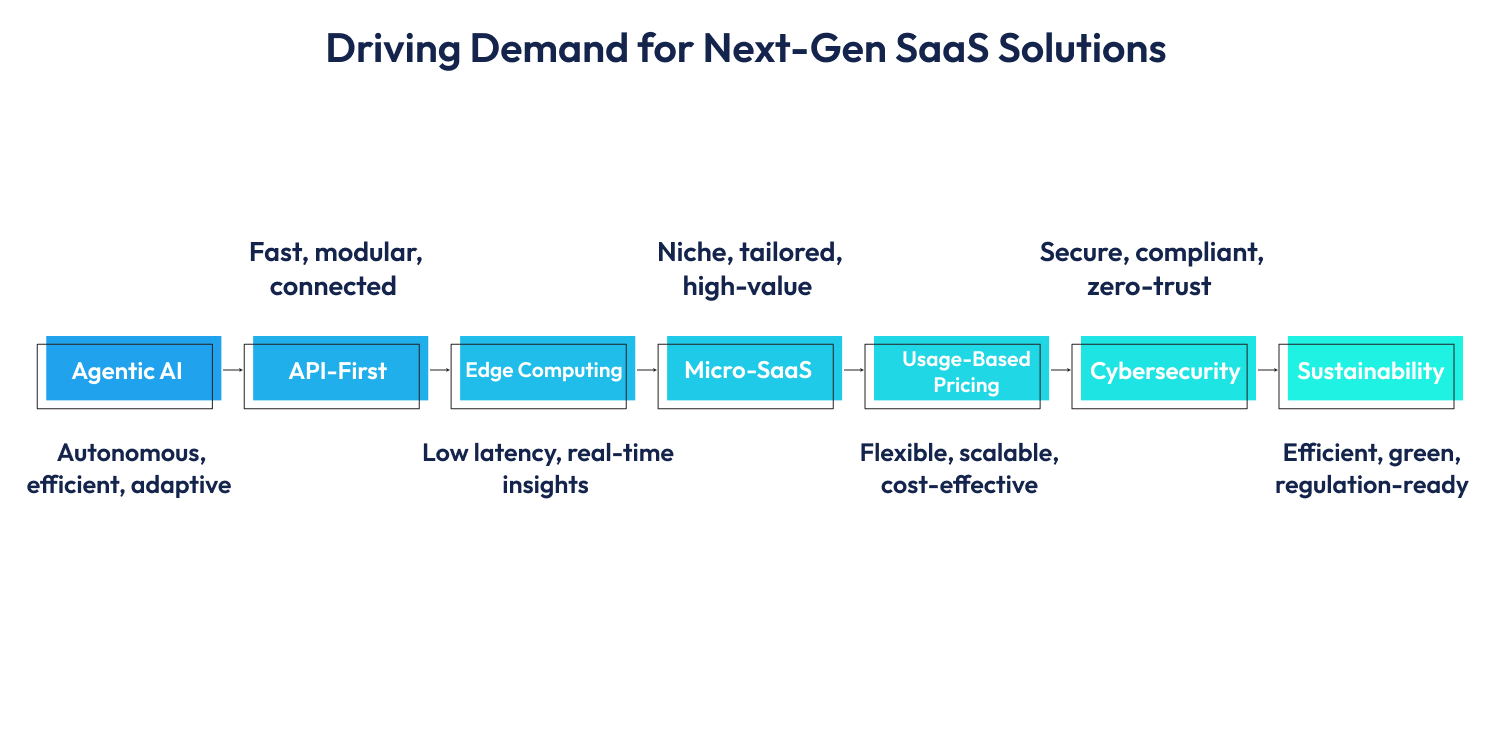
1. Agentic AI and Autonomous Workflows
- Enhances operational efficiency through autonomous decision-making.
- Improves user experience by adapting to real-time needs.
- Represents a shift towards intelligent, self-operating SaaS platforms.
2. API-First Architecture and Seamless Integrations
- Facilitates faster development cycles through modular design.
- Improves customization capabilities for businesses.
- Creates interconnected ecosystems for enhanced functionality.
3. Edge Computing for Enhanced Performance
- Reduces latency by processing data closer to its source.
- Supports industries needing immediate data analysis.
- Enhances decision-making capabilities in real time.
4. Micro-SaaS and Vertical Specialization
- Targets niche markets with highly specialized apps.
- Provides tailored solutions that address specific industry challenges.
- Increases value for users needing unique functionalities.
5. Flexible and Usage-Based Pricing Models
- Moves away from traditional subscriptions to cost structures based on actual usage.
- Offers customers greater control over their expenditures.
- Enables broader service options for different business sizes and needs.
6. Enhanced Cybersecurity and Compliance Measures
- Implements advanced cybersecurity protocols to safeguard data.
- Adopts zero-trust security models for better protection.
- Ensures compliance with global data protection regulations.
7. Sustainability and Green Computing Initiatives
- Optimizes data centers for improved energy efficiency.
- Incorporates green computing practices to lower the carbon footprint.
- Responds to consumer and regulatory demands for eco-friendly operations.
How AI Is Transforming SaaS Platforms
By integrating Artificial Intelligence (AI) and machine learning (ML) technologies, SaaS platforms are enhancing user experiences, streamlining operations, and unlocking new avenues for growth.
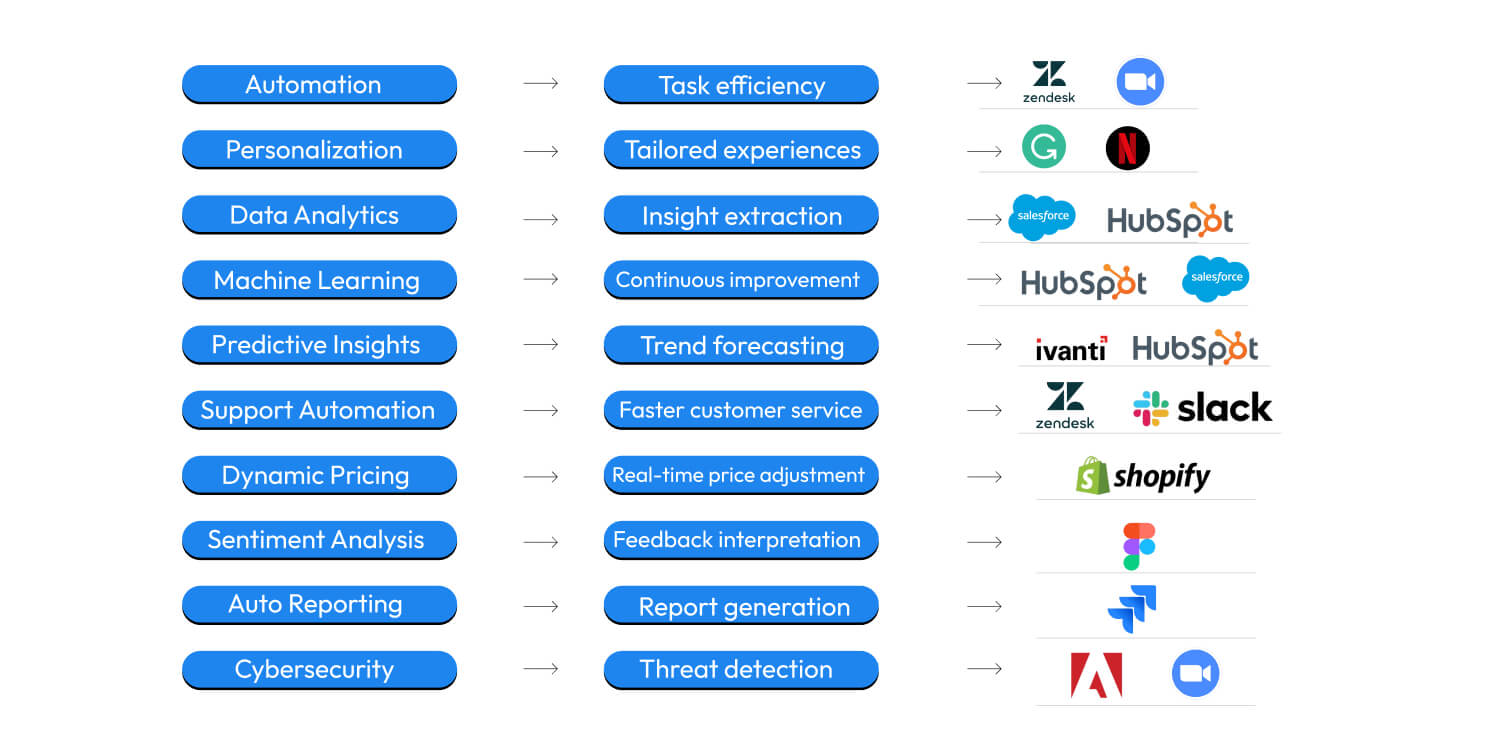
| AI app | Description | Real-World Examples |
| AI-Powered Automation | Automates routine tasks, reducing manual effort and improving efficiency. | Zendesk Answer Bot
|
Zoom AI Companion
|
||
| Personalized User Experiences | Tailors user interfaces and interactions based on individual preferences and behaviors. | Grammarly
|
Netflix
|
||
| Advanced Data Analytics | Analyzes large datasets to extract actionable insights, aiding in decision-making. | Salesforce Einstein
|
HubSpot
|
||
| Machine Learning in SaaS Development | Enables SaaS platforms to learn from data and continually improve over time through the use of algorithms and models. | Salesforce Einstein
|
HubSpot
|
||
| Predictive Analytics | Forecasts future trends and behaviors based on historical data. | Ivanti with 6Sense
|
HubSpot
|
||
| Customer Support Automation | Enhances customer service by automating responses and support tasks. | Zendesk Answer Bot
|
Slack Bots
|
||
| Dynamic Pricing Models | Adjusts pricing strategies in real-time based on market demand and customer behavior. | Shopify
|
| Sentiment Analysis | Analyzes customer feedback to gauge emotions and opinions. | Figma
|
| Automated Reporting | Streamlines the process of generating and analyzing reports. | Atlassian Jira
|
| Enhanced Cybersecurity | Identifies and mitigates security threats using AI-driven algorithms. | Zoom
|
Adobe Creative Cloud
|
Blockchain in SaaS Apps: Enhancing Security and Transparency
Blockchain technology is increasingly being integrated into Software as a Service (SaaS) platforms, offering enhanced security, transparency, and operational efficiency. This fusion is reshaping the SaaS landscape, enabling innovative solutions across various industries.
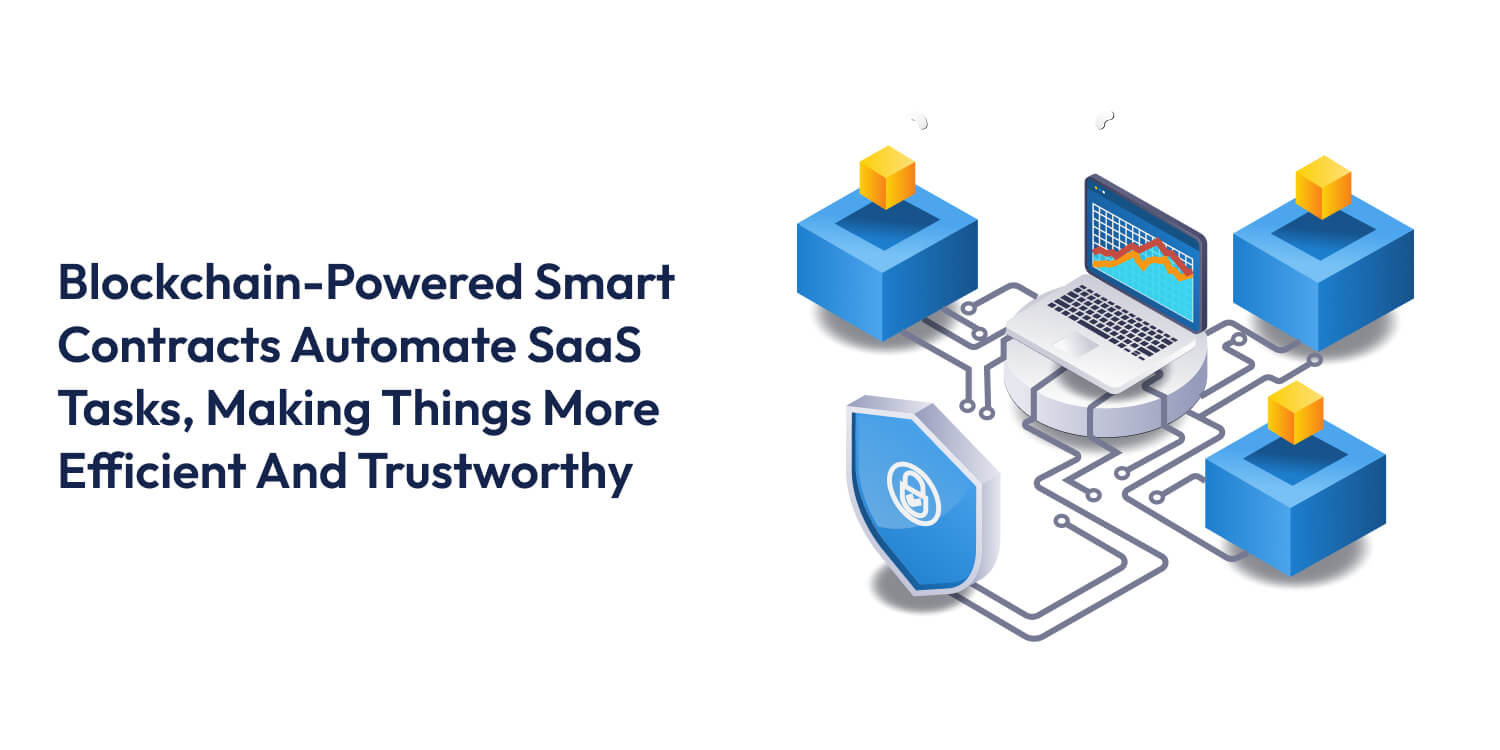
1. Smart Contracts for Automated Processes
- Self-executing agreements coded into blockchain
- Automate SaaS tasks for billing software and renewals
- Reduce manual intervention and human error
- Enable real-time service provisioning
- Improve trust and efficiency
- Used by firms like Lemonade & Etherisc for insurance claims
2. Secure Data Sharing and Interoperability
- Blockchain ensures tamper-proof data exchanges
- Enables secure sharing between SaaS platforms
- Promotes standardized communication protocols
- Enhances data integrity and user trust
- Simplifies integration across multiple services
- Boosts cross-platform collaboration
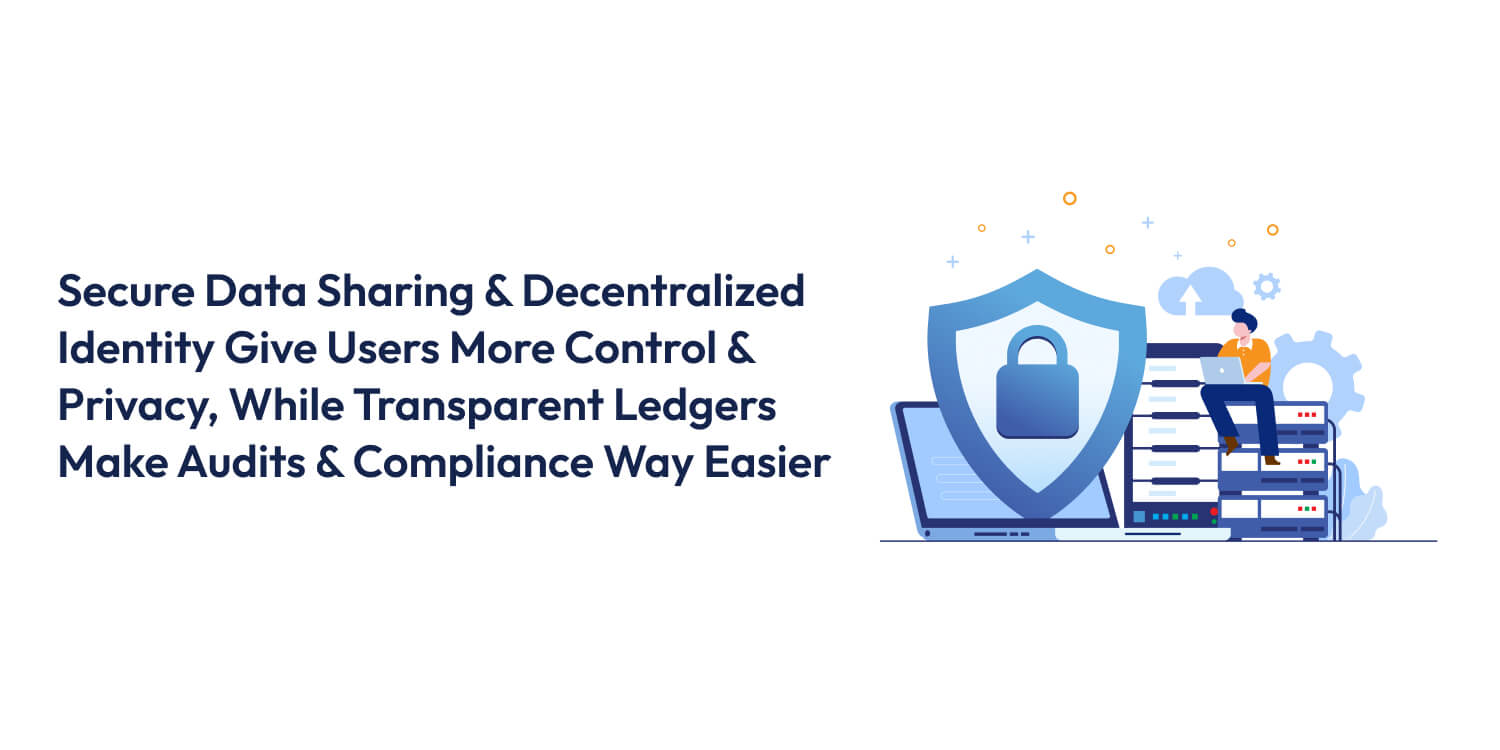
3. Decentralized Identity and Access Management
- Eliminates a single point of failure in identity systems
- Users control credentials via cryptographic keys
- Enhances security and privacy for SaaS users
- Reduces reliance on central identity providers
- Supports self-sovereign identity models
- Example: Microsoft Azure’s verifiable credentials
4. Enhanced Auditability and Compliance
- Immutable ledger records all activity transparently
- Provides built-in audit trails for verification
- Aids compliance with regulations (e.g., HIPAA, GDPR)
- Reduces the risk of data tampering or loss
- Simplifies reporting and accountability
- Especially valuable in finance and healthcare sector
The benefits as well as challenges of blockchain in SaaS apps include:
| Category | Benefits | Challenges |
| Security | Once data is recorded, it cannot be altered without consensus, ensuring data integrity. | While blockchain is secure, it is not immune to cyberattacks, and vulnerabilities can exist in smart contracts or integration points. |
| Transparency | Transparent operations foster trust among users and stakeholders. | Public blockchains can expose transaction data, potentially conflicting with privacy regulations. |
| Efficiency | Enhances efficiency by automating workflows and reducing the need for intermediaries. | Incorporating blockchain into existing systems can be challenging and resource-intensive. |
| User Empowerment | Simplifies authentication processes and reduces reliance on centralized authorities. | Users may be hesitant to adopt new systems, especially if they are complex or unfamiliar with them. |
| Cost Management | Optimizes resource allocation through automated processes. | Ongoing maintenance and updates can add to the total cost of ownership. |
| Innovation Potential | Facilitates secure and transparent collaboration across different platforms and organizations. | Navigating the legal implications of new business models can be a complex process. |
Virtual Reality and the Future of Software Development
User experiences in SaaS and software development are evolving with the birth of immersive, interactive, and collaborative environments. From prototyping to virtual collaboration, VR is involved in the building of various tools that assist teams in designing, testing, and delivering software solutions.
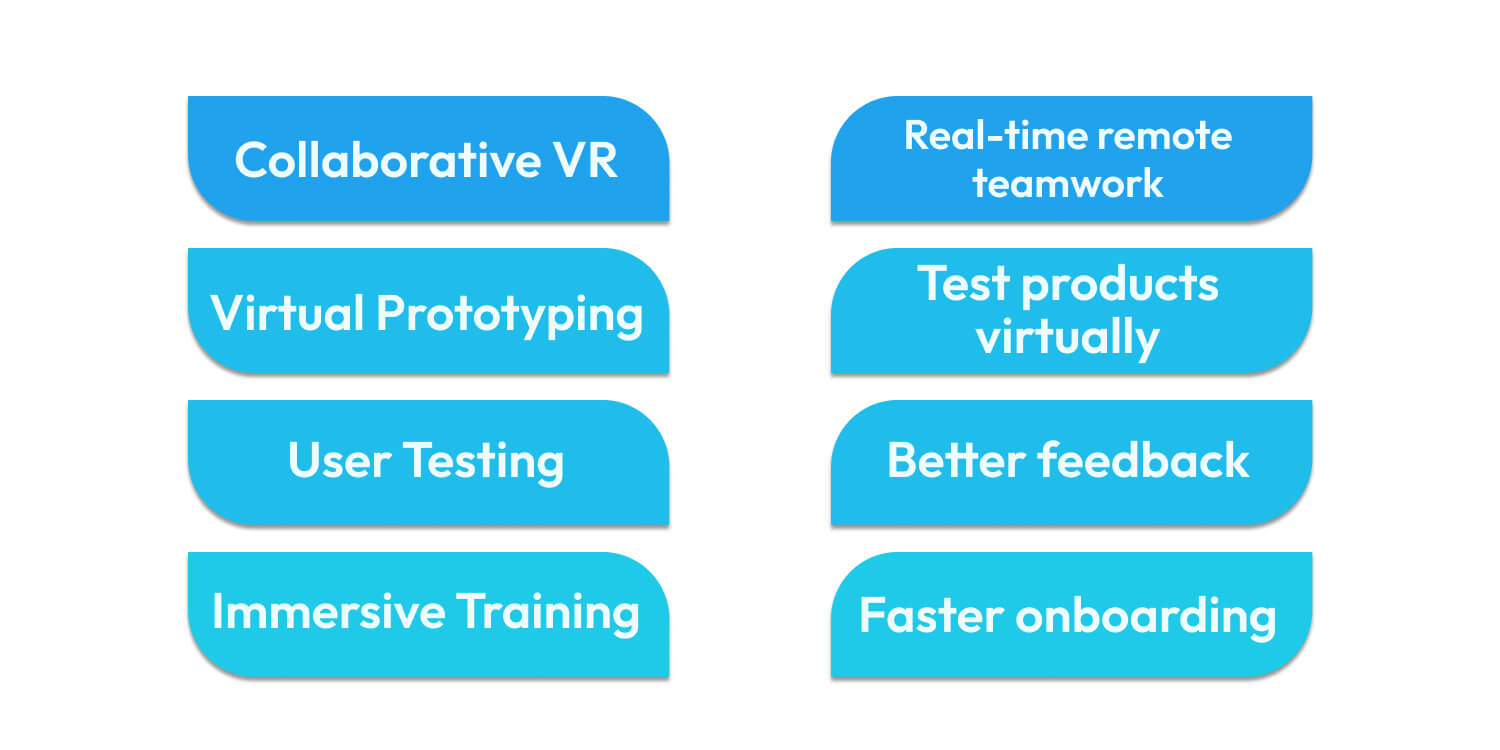
1. Immersive Collaborative Development
VR offers remote teams the opportunity to meet in shared 3D settings to collaborate on code structures, design models, and project workflows in real-time. Therein lies an immersive environment that promotes better communication and extends presence among remote team members.
- Example: Platforms like Campfire allow engineers to collaboratively view and modify CAD files in real-time using AR/VR headsets. This is improving efficiency over traditional 2D tools.
2. Virtual Prototyping and Product Simulations
VR enables app developers to create realistic 3D models of their products and interact with them for testing and refinement before physical realization. This aids in advancing the design process while reducing dependency on expensive physical prototypes.
- Example: Ford utilizes virtual reality (VR) in its development process to visualize and test new car prototypes before physical builds. It resulted in a 25% reduction in expensive pre-production iterations.
3. Enhanced User Testing and Feedback
By simulating real-world scenarios, VR enables developers to conduct interactive user testing sessions, gathering valuable feedback early in the development process. This leads to more refined products that better meet user needs.
- Example: Developers can utilize virtual reality (VR) to simulate realistic scenarios for software validation. This enables teams to test software in environments that closely resemble actual usage conditions.
4. Immersive Training and Onboarding
VR offers an immersive learning experience that simulates real-life situations, making training programs more effective and engaging. In software development, VR can be utilized to train developers on new technologies and methodologies, resulting in faster skill acquisition and enhanced performance.
- Example: Companies are integrating VR into SaaS apps to create interactive and efficient onboarding processes. This thereby reduces the learning curve and increases user adoption rates.
The benefits of Virtual Reality in software development are:
- VR facilitates real-time, immersive collaboration among distributed teams, improving communication and teamwork.
- Virtual prototyping enables rapid iteration and testing, thereby reducing time-to-market.
- Immersive environments facilitate more effective user testing and feedback collection, resulting in better-designed products.
- VR-based training programs offer realistic simulations, enhancing learning outcomes and operational efficiency.
Also Read : Everything You Need to Know About SaaS Contract Management Software
Custom SaaS Development: Tailored Solutions for Niche Industries
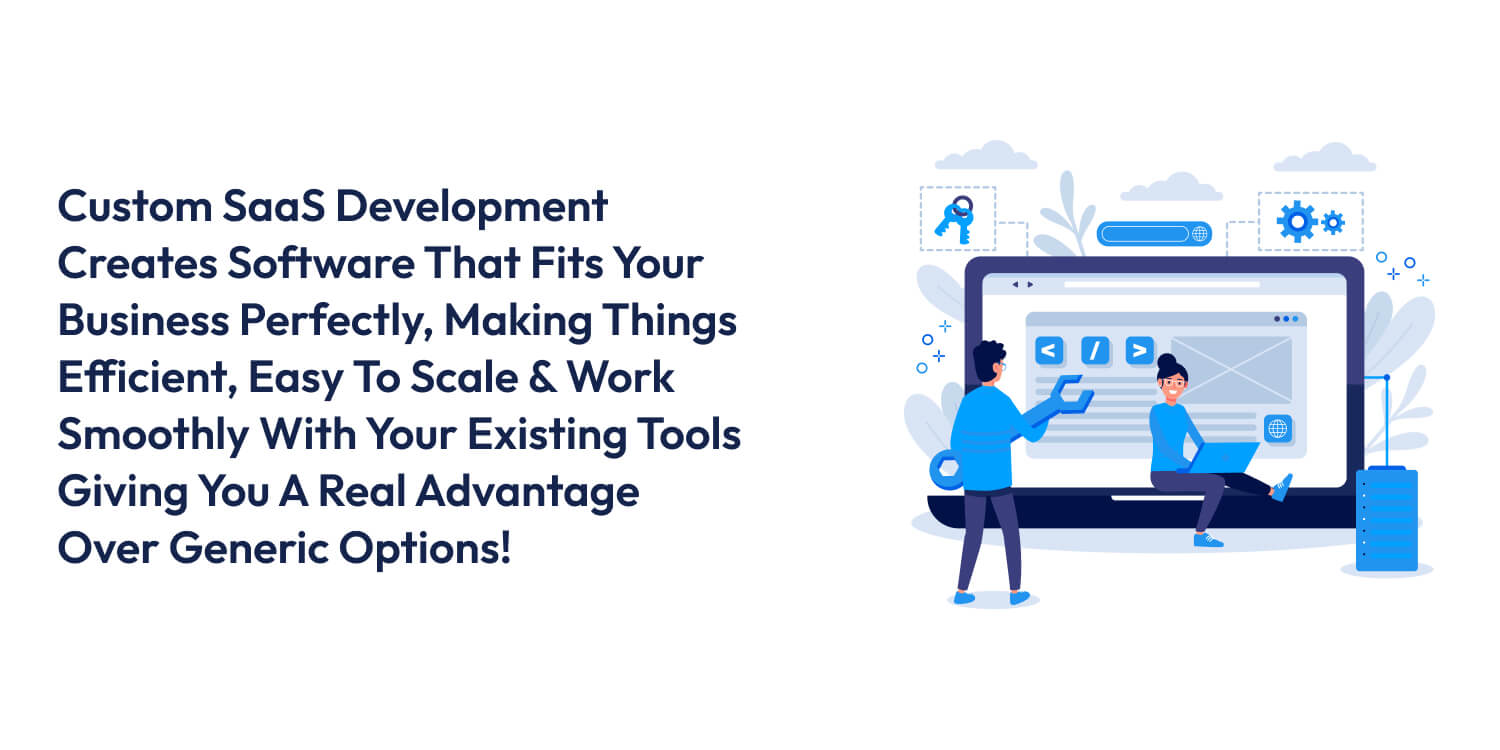
Giving You A Real Advantage Over Generic Options!
Custom SaaS development is a software application service designed to meet the precise needs of a particular client or industry requirement. Consequently, the software gets extremely close to addressing the workflows, processes, and aims of a client. Hence, it always becomes a more personalized and efficient solution than a click-and-apply generic one.
Custom solutions address specific issues faced by businesses, making every feature relevant and valuable. As your business reaches full growth, custom SaaS apps can be scaled and adjusted to meet new needs that arise, without requiring major refactoring. Custom software can be created to seamlessly integrate with existing systems and tools, enhancing overall effectiveness. Such SaaS solutions can provide a distinct competitive advantage to businesses over those using generic solutions.
Off-the-Shelf vs. Custom SaaS
| Aspect | Off-the-Shelf SaaS | Custom SaaS Development |
| Deployment Time | Immediately available and can be deployed quickly after purchase. |
|
| Cost | Lower initial costs and subscription-based pricing. |
|
| Customization | Limited customization options; may not be suitable for all business processes. |
|
| Scalability | It may require additional modules or upgrades to scale, which could increase costs. |
|
| Integration | May encounter compatibility issues with existing systems due to limited integration capabilities. |
|
| Support & Maintenance | Vendor-managed updates and support; less control over changes. |
|
| Security | Standard security measures are shared across multiple users, which may pose risks. |
|
| Competitive Advantage | Limited, as competitors may use the same software. |
|
The Role of a Modern Software Development Company
A modern software development company plays a pivotal role in shaping the future of software development, especially within the Software as a Service (SaaS) landscape. To remain competitive and deliver value, these companies must evolve their services and expertise across the entire development lifecycle, embracing end-to-end SaaS development, user-centric UI/UX design, robust DevOps practices, and scalable architecture.
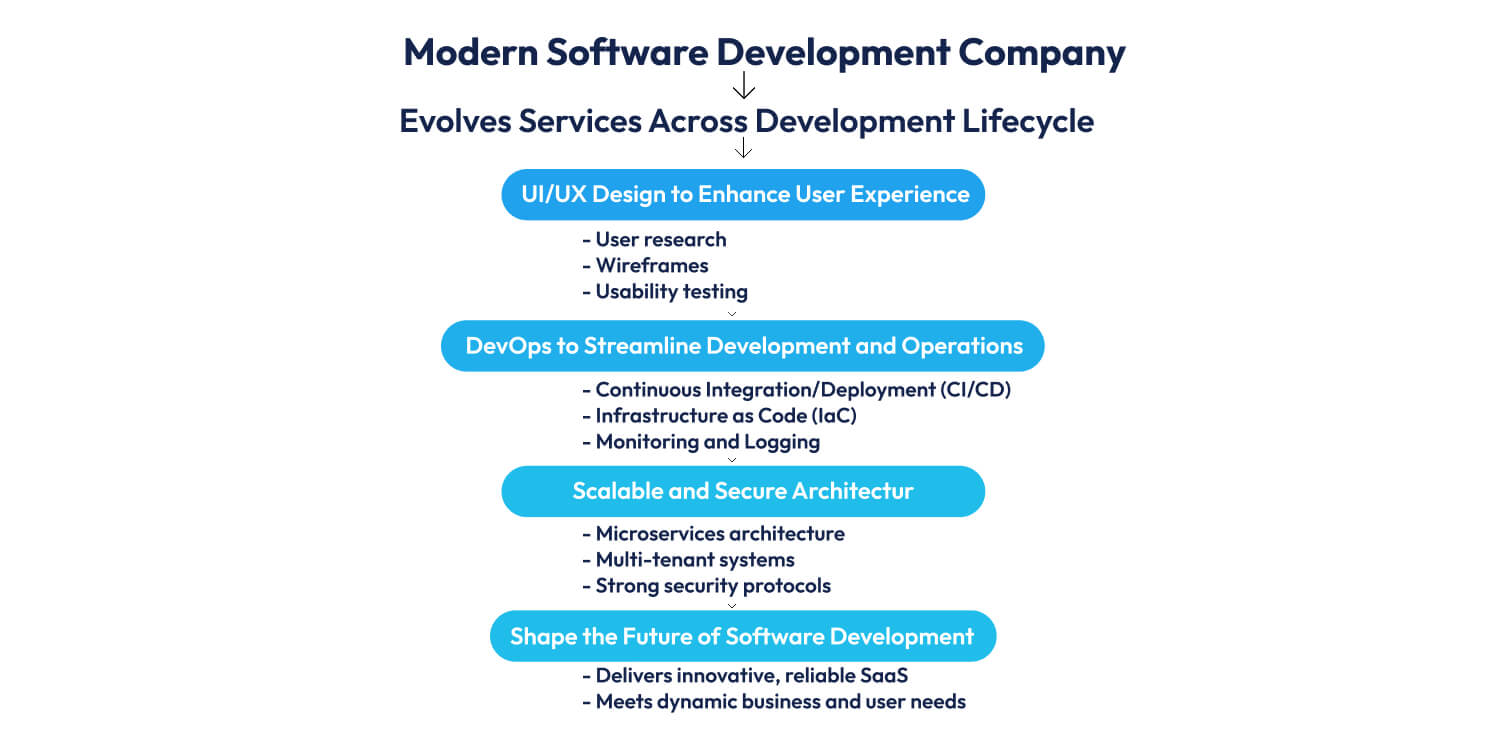
1. UI/UX Design to Enhance User Experience
User experience is a critical differentiator in the SaaS market. Modern software development companies prioritize UI/UX design to create products that are both aesthetically pleasing and user-friendly. By conducting user research, creating wireframes, and performing usability testing, they ensure that the final product meets user needs and preferences.
Also Read : The Complete Cost Guide to B2B SaaS MVP Development
2. DevOps to Streamline Development and Operations
Integrating DevOps practices is crucial for accelerating development cycles and ensuring the reliable delivery of software. Key DevOps components include:
- Continuous Integration/Continuous Deployment (CI/CD): Automating the building, testing, and deployment of apps to reduce errors and speed up releases.
- Infrastructure as Code (IaC): Managing infrastructure through code to enable consistent and scalable environments.
- Monitoring and Logging: Implementing tools to monitor app performance and quickly identify issues.
3. Scalable and Secure Architecture
Designing scalable and secure architectures is fundamental for SaaS apps to handle growing user bases and protect sensitive data. Modern software development companies employ best practices such as microservices architecture, multi-tenant systems, and robust security protocols to ensure that apps can scale effectively and remain secure.
4. Shaping the Future of Software Development
By evolving their services and embracing modern practices, software development companies are at the forefront of shaping the future of software development. Their commitment to end-to-end development, user-centric design, DevOps integration, and scalable architecture positions them as key players in delivering innovative and reliable SaaS solutions that meet the dynamic needs of both businesses and users.
Understanding SaaS Software Development Costs
Understanding the software development cost for SaaS apps is crucial for effective budgeting and project planning. Several factors influence these costs, including project complexity and ongoing maintenance. Below is a comprehensive table outlining the key elements that impact the overall expenditure:
| Factor | Description |
| Project Complexity | The intricacy of the app, including the number of features, user roles, and business logic, directly affects development time and cost. More complex projects require extensive planning, coding, and testing. |
| Feature Set | Incorporating advanced functionalities, such as real-time analytics, AI integration, or multi-language support, increases development efforts and costs. Prioritizing essential features can help manage expenses. |
| UI/UX Design Complexity | Custom designs with intricate animations and user interactions require more resources than standard templates, which impacts the overall cost. |
| Technology Stack | The choice of programming languages, frameworks, and tools can influence costs. Specialized or less common technologies may require developers with niche expertise, potentially leading to increased expenses. |
| Third-Party Integrations | Integrating external services, such as payment gateways, CRM systems, or analytics tools, adds complexity and development time, thereby affecting the budget. |
| Data Migration | Transferring existing data to the new system can be challenging, especially when data restructuring is necessary, which can result in additional costs. |
| Security & Compliance | Implementing robust security measures and ensuring compliance with regulations (e.g., GDPR, HIPAA) necessitates additional development and testing efforts. |
| Testing & Quality Assurance | Comprehensive testing to identify and fix bugs ensures a reliable product, but it requires time and resources, which in turn influence the overall cost. |
| Development Team Location | The geographical location of your development team affects labor costs. For instance, developers in North America typically charge more than those in Eastern Europe or Asia. |
| Project Timeline | Accelerated timelines may necessitate additional resources or overtime, leading to increased costs. Conversely, extended timelines can lead to higher opportunity costs. |
| Post-Launch Support | Ongoing maintenance, updates, and customer support are essential for SaaS apps, representing a recurring cost that should be factored into the budget. |
Take the Next Step
So now it is perfectly clear that businesses must stay current with the latest trends in SaaS software development to remain competitive and innovative. That’s where Techugo comes in like a saviour! As a leading software development company, Techugo specialises in crafting next-gen SaaS platforms with cutting-edge technologies and a deep understanding of industry demands. From end-to-end development and intuitive UI/UX design to robust DevOps integration, we offer the expertise to help businesses build scalable, secure, and future-ready SaaS apps.
Now is the time to invest in future-proof solutions. Suppose your business is ready to embrace the future of SaaS development. Partner with Techugo to bring your vision to life. Let’s shape the future of software development, together.

Get in touch
We'd love to hear from you.