

 SA
SA
 KW
KW
 IE
IE AU
AU UAE
UAE UK
UK USA
USA
 CA
CA DE
DE
 QA
QA ZA
ZA
 BH
BH NL
NL
 MU
MU FR
FR












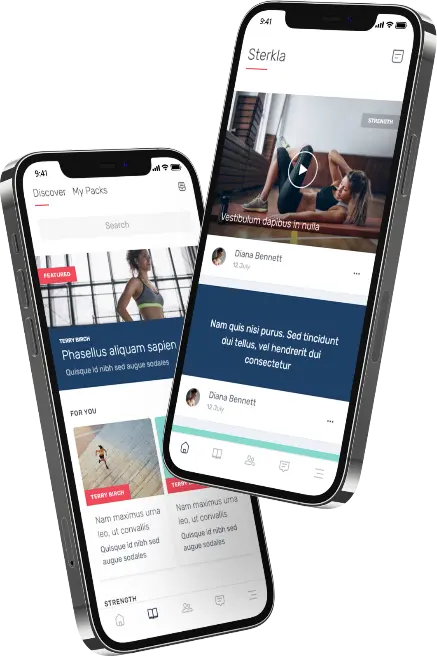

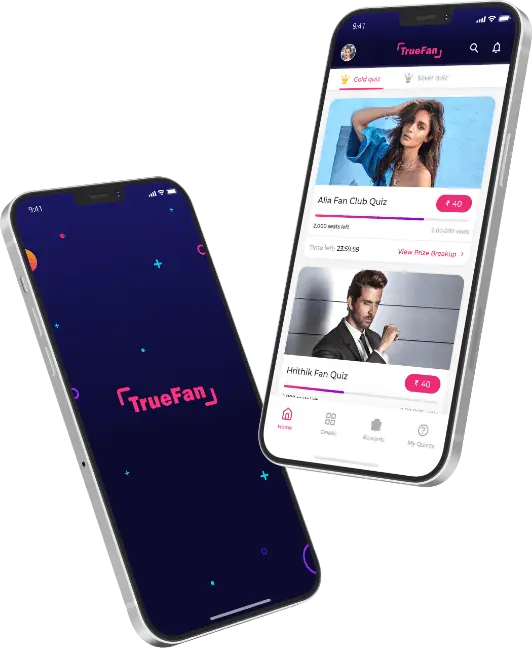


What comes to your mind when you hear ‘digitally enabled healthcare’?
We are assuming your answer to be mHealth apps. However, it is much more than that.
Initially, healthcare and digitization were the puzzle pieces of two different scenarios. The healthcare industry was ranked much behind entertainment, banking, retail, and more. Patients had to meet physicians for face-to-face consultations, a lot of paperwork had to be done, and whatnot.
Fortunately, the amalgamation of tech into healthcare rotated the entire mechanism, making it more convenient for doctors and patients. This transformation has gradually contributed to the digitalization of the wellness industry, where technology now plays a crucial role in helping individuals manage their health and lifestyle.
Tech has also emphasized the rise of portable health gadgets that gradually became a part of our daily routine. Be it any wearable technology from regular fitness trackers to neurofeedback headbands, wearables are rapidly getting a foothold in our lives, and accelerating the digitalization of the wellness industry.
Don’t you think wearable app development is an incredible idea for monetization?
But did you ever imagine that an accessory could alert people about the air composition and its impact on cognitive performance?
Stop scratching your head since we have got you covered on the concept.
How about reading it in detail?
Therefore, if you’re interested to learn more about the digitalization of the wellness industry, take a sneak peek at the important insights.
Altos: A Startup Developing Smart Air Testers
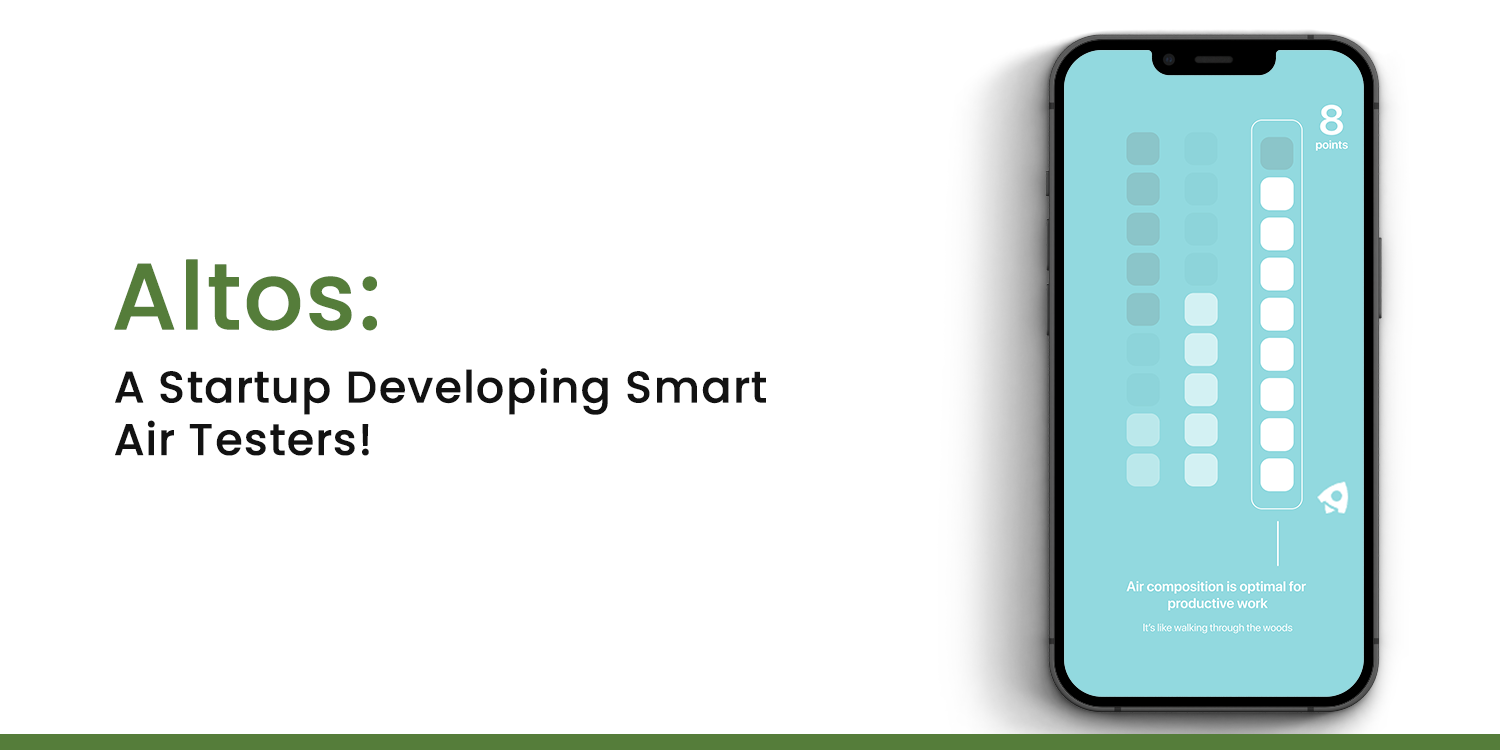
Altos has developed software that helps users enhance their cognitive performance by verifying optimal air composition, which is another example of the growing digitalization of the wellness industry.
According to the co-founder and CEO of Altos, the aim of the startup is to introduce a device that people would highly acknowledge in their routine and believe that the accessory can improve their well-being. In addition, the company is on its way to developing an effective IoT mechanism that helps users measure environmental parameters and understand how they impact their health.
Such innovations clearly highlight how technology-driven products are contributing to the digitalization of the wellness industry.
But how does the gadget work?
The device regulates the CO2 concentration level based on air sampling, and the data is transferred to BrainFuel Scale, a scale that helps people understand the air quality via notifications.
Why Air Quality is Becoming a Key Focus in the Digitalization of the Wellness Industry
Air quality has emerged as one of the most overlooked yet critical factors affecting human health and cognitive performance. As people spend nearly 90% of their time indoors, the composition of the air they breathe directly influences productivity, concentration, and overall well-being.
Recent studies highlight how poor indoor air quality can lead to fatigue, reduced decision-making ability, and even long-term health complications. A Harvard T.H. Chan School of Public Health study found that improved indoor air environments can increase cognitive performance by up to 61%.
This growing awareness is pushing companies and innovators to develop smart technologies that monitor environmental conditions in real time. Devices that track carbon dioxide levels, humidity, temperature, and pollutants are becoming increasingly popular in workplaces and homes.
Such innovations perfectly align with the ongoing digitalization of the wellness industry, where technology is used not only to treat illnesses but also to prevent them. Smart air monitoring systems, wearable devices, and connected wellness platforms now enable individuals to make healthier lifestyle decisions based on real-time data.
Startups like Altos are a perfect example of this shift. By developing intelligent air monitoring solutions that translate air composition into actionable health insights, they are contributing to the broader digitalization of the wellness industry and redefining how people interact with their environment.
As awareness grows, air quality monitoring is expected to become a standard feature in digital wellness ecosystems, further strengthening the digitalization of the wellness industry in the years ahead.
Indeed, Tech Has Redefined the Health and Wellness Industry
On the one hand where people struggled to face the repercussions of the pandemic, technology enabled people to live a healthier lifestyle. Undoubtedly, tech integrations have modified the manner consumers are acquiring fitness solutions and have accelerated the digitalization of the wellness industry.
While digital fitness is on the rise, it has exceptionally dominated the fitness industry for good! Are you looking for relevant examples?
Here are a few top-notch tech-driven trends reshaping the healthcare industry and driving the digitalization of the wellness industry:
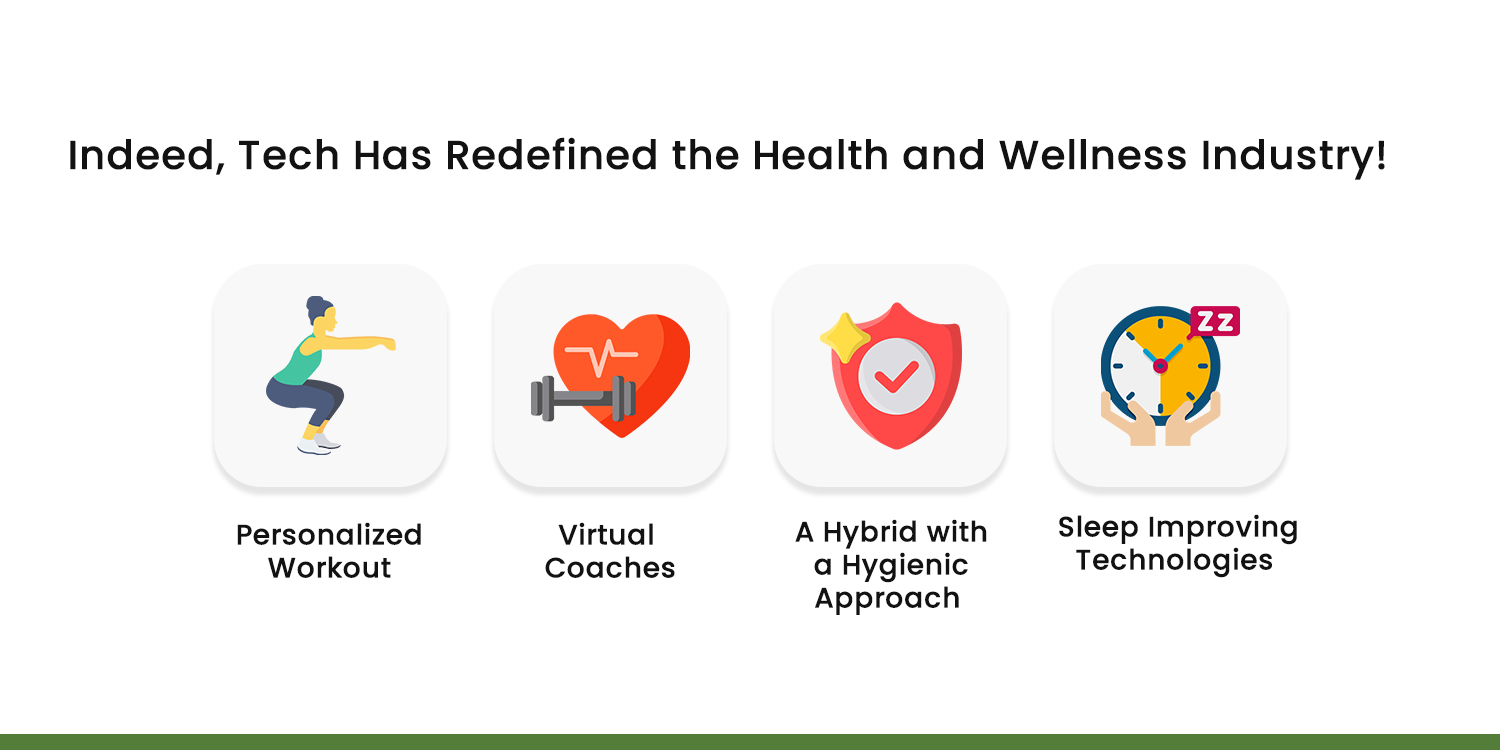
1. Personalized Workout
As mentioned earlier, people have now shifted to fitness trackers to efficiently track their daily progress. Thus, the data can be accessed with the help of a fitness app that generates insights into the user’s health.
The icing on the cake is the amalgamation of ML algorithms that direct users’ personalized workout and diet plans, further strengthening the digitalization of the wellness industry.
According to a survey, personalized plans have enabled people to stick to the routine suggested by the app, deriving improved results.
2. Virtual Coaches
Fitness apps incorporated with advanced features are popular amongst fitness-savvy people as they no longer require commuting to a gym for fitness training.
Instead, fitness regimes can now be followed at home under the guidance of trained professionals in real-time. This trend is another milestone in the digitalization of the wellness industry, where digital platforms replace traditional fitness practices.
The trend is likely to grow in the upcoming years, especially after the pandemic, as it has broken the myth bubble that fitness training can only be taken in gyms.
3. A Hybrid with a Hygienic Approach
Now that the world is going hybrid- a mix of physical and digital, the healthcare industry is no exception.
Fitness centres are more concerned than ever about meeting the social distancing protocols; therefore, they are upgrading from brick-and-mortar stores to a digital approach. This shift is significantly accelerating the digitalization of the wellness industry.
4. Sleep Improving Technologies
What is your sleep schedule?
We are not conducting any survey but are just curious if you fall into the league of people who go through disrupted sleep.
As per the Center for Disease Control and Prevention, 1 in every 3 adults in the US suffers from a lack of proper sleep. Therefore, sleep technologies are being emphasized to focus on the quality of sleep for enhanced productivity which is another sign of the growing digitalization of the wellness industry.
Data That Shows the Rise of the Digital Wellness Ecosystem
The growing intersection of technology and healthcare is a measurable transformation, in fact, several global studies confirm that the digitalization of the wellness industry is accelerating rapidly as consumers increasingly rely on smart technologies to manage their health.
According to Statista, the global digital health market is projected to surpass $660 billion by 2025, driven largely by the adoption of wearable devices, remote monitoring systems, and mobile health applications.
Similarly, Grand View Research reports that the wearable technology market is expected to reach over $186 billion by 2030, as more consumers turn to smart devices to monitor physical activity, sleep patterns, heart rate, and even environmental factors such as air quality.
These numbers clearly highlight how the digitalization of the wellness industry is reshaping the way individuals approach preventive healthcare. Rather than reacting to illnesses, people are now using digital tools to continuously monitor and improve their well-being.
To better understand the momentum, take a look at some key industry indicators:
| Digital Wellness Trend | Market Insight |
| Digital Health Market | Expected to exceed $660 billion by 2025 (Statista) |
| Wearable Technology Market | Projected to reach $186 billion by 2030 (Grand View Research) |
| Remote Health Monitoring Adoption | Over 80% of healthcare providers are investing in digital health tools (Rock Health) |
The rise of these technologies demonstrates how innovation is shaping the future of wellness. From AI-powered fitness apps to smart air monitoring devices like the one developed by Altos, each advancement is contributing to the broader digitalization of the wellness industry.
As consumers become more conscious about health, productivity, and environmental factors, digital wellness technologies will continue to expand, making intelligent health monitoring an integral part of everyday life.
In a Nutshell!
Digital platforms and fitness tech perfectly complement each other in the modern world. In fact, the rapid digitalization of the wellness industry is helping people monitor their health, fitness routines, and environmental conditions more efficiently than ever before.
The new mechanisms not only enable people to work as per their fitness plans but notify them when the air is clean and when they should take a walk.
And one of the popular examples is none other than Altos!
Now that you’re familiar with the advantages enabled by the paradigm shift, how about healthcare app development that contributes to the digitalization of the wellness industry?
If we are on the same page, we are all ears for you! Connect with us at Techugo- a leading healthcare app development company for more insights.
Because YOU DREAM, WE DARE!

Get in touch
We'd love to hear from you.