

 SA
SA  KW
KW  IE
IE AU
AU UAE
UAE UK
UK USA
USA  CA
CA DE
DE  QA
QA ZA
ZA  BH
BH NL
NL  MU
MU FR
FR [ LET’S TALK AI ]
X
Discover AI-
Powered Solutions
Get ready to explore cutting-edge AI technologies that can transform your workflow!



Get ready to explore cutting-edge AI technologies that can transform your workflow!






Launching your application and making it available for downloads will help you generate a lot of income.
Is that what you are thinking?
If yes, you will be in a deep pitfall because the app will not turn into a profit-generated tool unless you apply some strategies and tactics to promote it among different users.
Simply launching an app on the marketplace does not guarantee success and many mobile app startups often realize this only after investing significant time and resources.
You could end up wasting all your time and efforts if you don’t consider mobile app monetization models for the growth and success of your app because successful businesses carefully plan how their apps will generate revenue, whether through subscriptions or advertising or other app monetization strategies.
A business does not bring profits immediately after getting launched; you must build many plans and activities to reach the progressive milestone, and the app demands to function similarly to reap multiple benefits.
In fact, most successful apps in the world rely on well-planned mobile app business models rather than just downloads, and this is where an experienced mobile app development company guides and helps businesses shape the right strategy from the beginning.
Want to learn further?
Move ahead and gain insights into how you can make money with a mobile app startup and understand the key strategies behind building revenue-generating mobile applications.
As the introduction says, building an app is insufficient; you must go through lots of steps.
So, are you ready to take a deep dive into these?
Nothing is built overnight!
However, our continuous efforts can create success overnight. So, if you are ready to be on the roller-coaster ride of challenges and efforts, move towards the next section.
To be honest, you may be unable to build an effective solution that helps you grow while beating the competition without analyzing the market and competitors because new trends and innovations are built every day and keeping an eye on each one of them is vital. So businesses that want to make money with a mobile app must first understand user behavior, industry demand, and also the strategies competitors are already using in the market.
Market research also helps you identify
Businesses can gain valuable insights into what works and what does not by studying the apps of competitors and their pricing models. They can even gain much insight from their user reviews and app store rankings. This step becomes extremely important when you want to build profitable mobile apps especially in a marketplace that keeps getting crowded every year.
Moreover, you will indeed find high-graded developers who have expertise in the field and will let you bring success-driven products. You must build products that create a difference in the world to maintain a high competition level, and a trusted mobile app development company can also help businesses conduct proper market research and shape a strong mobile app business strategy.
Hitting the bull’s eye seems easier and more convenient once you find the best mobile app development company. However, you need to be very dedicated to finding the same. Choosing the right development partner ensures that your mobile app startup is built with the right technology, scalability, and monetization capabilities from the beginning, so that it can actually grow into a revenue-generating mobile application.
Sometimes, the difference between an average app and a successful one lies in these early research decisions… the data you analyze, the competitors you study, and the strategy you build before development even begins.
Just suppose you have successfully turned your dream into reality, but it does not provide you any revenue or income even after 1000+ downloads… what would you do?
No worries!
Because, in 2026, there are several ways to make your app profitable, and it all depends on the model you pick, and how you execute it. Here are some of the most profitable mobile app monetization models, so keep reading for further insights, because you really don’t want to miss these.
The freemium model is very popular and it works because you can give your app for free but certain features, content, or tools are locked until the user pays. It’s especially effective in gaming apps, SaaS apps, and productivity apps and therefore you can attract a wide audience, but still convert a portion of them into paying customers.
Subscription-based apps provide recurring revenue usually monthly or yearly, and are often used in media, streaming, fitness, or educational apps. The user gets continuous access to premium content and you get predictable revenue, it’s a win-win but subscriptions only work if the content is valuable and engaging, so that users keep coming back.
In-app purchases let the users buy digital goods, extra features, or enhancements inside the app and it works well for gaming, educational, or entertainment apps. You see, this method allows you to monetize without charging upfront so that more people download your app but then a smaller percentage of engaged users make purchases and that’s okay, because it still adds up.
Apps can generate revenue by showing ads to free users. There are banner ads, interstitials, or rewarded videos, and all of these can work if placed smartly but too many ads can annoy users so you need to maintain balance. It works well in social, entertainment, and utility apps because you get income from advertisers while the app stays free to download and more people can use it.
Sponsorships let you collaborate with brands and sometimes other apps, because it helps you expand your audience while earning revenue. You can integrate sponsored content, co-branded features, or affiliate campaigns…lifestyle, health, or fitness apps benefit the most from this.
Affiliate marketing works because your app earns a commission whenever users complete a purchase or action through your links which is very common in e-commerce apps, coupon apps, or fintech tools as they often use this strategy so that every recommendation can translate into revenue, even if the user did not pay directly for the app itself.
Paid apps require users to pay upfront to download (although less common today), it can be effective for niche apps with unique value. Professional tools, premium content libraries, or specialized productivity apps can use this model but you need strong screenshots, videos, and reviews on the app stores otherwise users may ignore it.
Translating to powerful results will no longer be a dream once you adopt the right monetization model or a combination of models like freemium with in-app advertising, for example, because this often yields the highest revenue potential in 2026. And remember, what works for one app may not work for another, so think carefully, plan, and adjust as you go.
To achieve excellence in your business, it is vital to figure out what industry is profitable and moreover, one should not neglect the study of trends, market behavior, and emerging technologies, because it gives us the reasons why opting for a particular industry could be highly profitable.
But don’t be worried if you do not have the same expertise because there are plenty of emerging industries and niches in 2026 that will let you generate a money-making mobile app, and you don’t always need to reinvent the wheel; sometimes focusing on the right category, with your unique twist, is enough.
You can shift your focus toward the category that aligns with your knowledge, skills, or passion, and this will help you capture a larger portion of the market, and remember, choosing the right industry early on, combined with a strong monetization model, often determines whether your mobile app startup succeeds or fails.
Till now, we have discovered top ways to promote indirect sales. Although, you should be very well aware that these tactics would not make a profit if you have determined the incorrect price of the app that does not correspond with the features inside.
So, how to decide the price of an app?
Let’s discuss this frequently asked question quickly.
The mobile app is your product that will add to your revenue only when it consists of every feature that justifies its worth and price. Your customer may ignore its usage if it is not worth the penny.
So, to avoid that pitfall, you must think like your consumer; you must ask yourself some questions and analyze the competitors’ monetization model preferences.
Thinking, which questions to ask?
Once you start thinking like your customers, you will easily get insights into each drawback and benefit that your own digitised solution can bring.
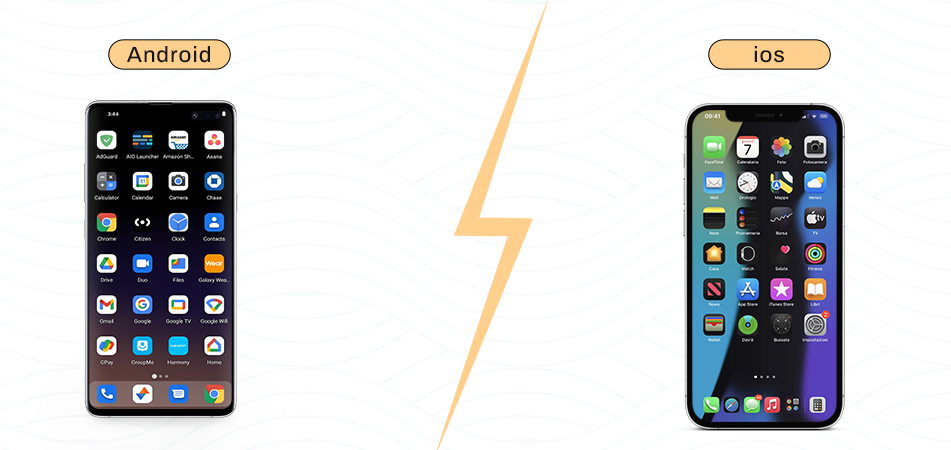
How much money you can earn with your mobile app also depends on the platform you pick to make it available for downloads.
Therefore, it is vital to choose the best among all.
But, how to use it?
Again, market analysis can help you gain insights.
To help you a bit, we are also here with some research. So, let’s unveil the facts.
However, choosing the right platform (Android app development or iOS app development) can tackle most of the tasks of making your app into a profit-generating tool. Still, you should not forget that it requires continuous research per your app’s core features and the industry it belongs to.
Building an app is one thing but making it profitable is a real challenge, and this is exactly where many mobile app startups stumble because launching alone does not guarantee revenue; therefore, you must focus on the right factors, the right strategies, and how the app functions for real users, so what are the key factors that turn an app into a revenue-generating product?
In simple words, focusing on these key factors that turn an app into a revenue-generating product ensures that your mobile app startup is not just an idea but a profitable business as well. And remember, even a small improvement in one of these areas can multiply revenue, because users notice, they engage, and they spend… sometimes more than you expect.
So, it really depends on your monetization model, platform, industry, technology trends, and even the price of your app… to get a real sense of how much money you can actually earn with your mobile application. But, if you approach it the right way, yes, it can become a revenue-generating product.
The better your strategies are, the more you can move mountains, and turn your app into a profit-oriented solution… Gaining insights into the cost to develop a mobile app, understanding the right features, and analyzing the market is also essential. This way, you can estimate potential revenue, plan your app monetization strategy, and avoid unnecessary pitfalls.
Also Read: How Much Does It Cost to Develop a Mobile App in 2026?
At Techugo, a leading AI app development company, we help businesses design, develop, and launch profitable AI-powered mobile apps that actually work and not just “exist” on app stores. From picking the right platform, to implementing monetization models like freemium, subscriptions, or in-app purchases… we guide startups and enterprises, step by step, so their apps don’t just survive but thrive.
We hope this post gives all the tech enthusiasts, entrepreneurs, and business owners some clarity, and maybe even a little inspiration… however, stay tuned for more updates on tech trends, and if you have any doubts or need guidance, consult with our experts at Techugo. Your next money-making app? Could be just a conversation away.
Well, free apps don’t mean free forever, right? Most of them make money through in-app advertising, freemium features, or subscriptions. Sometimes, they even use affiliate marketing or brand partnerships to monetize users without charging upfront. The idea is simple – get a large audience, keep them engaged, and then offer them value they are willing to pay for… slowly, but steadily, free apps can turn into serious revenue-generating products.
There isn’t a single “best” model, and in 2026, it really depends on your app type, target audience, and business goals… Some apps do great with freemium plus in-app purchases, others thrive on subscription-based access, and some, yes some, even work well as paid apps with a direct purchase model. The key is to align your app monetization strategy with user behavior, industry trends, and how much value your app delivers.
This really varies! It depends on your industry, platform, features, and monetization model. Some apps make a few hundred dollars a month, others make millions. For instance, subscription-based apps in fitness or media, or games with in-app purchases, have huge earning potential. But remember, downloads alone don’t equal revenue… engagement and retention are the real game-changers for profitable mobile apps.
The highest earners are usually in gaming, social media, e-commerce, streaming, and productivity tools. Why? Because they either offer recurring subscriptions, in-app purchases, or advertising opportunities. And of course, apps that solve real problems, or provide convenience, have the advantage, that’s why revenue-generating apps often come from these categories in 2026.
Suppose an Australian recruitment agency that is struggling to handle hundreds of job applications every day. And the manual processes of sorting resu..


Agriculture has always been the backbone of human survival, but now modern farming is dependent on technology. Farmers and agribusinesses use digital ..


Write Us
sales@techugo.comOr fill this form