

 SA
SA
 KW
KW
 IE
IE AU
AU UAE
UAE UK
UK USA
USA
 CA
CA DE
DE
 QA
QA ZA
ZA
 BH
BH NL
NL
 MU
MU FR
FR







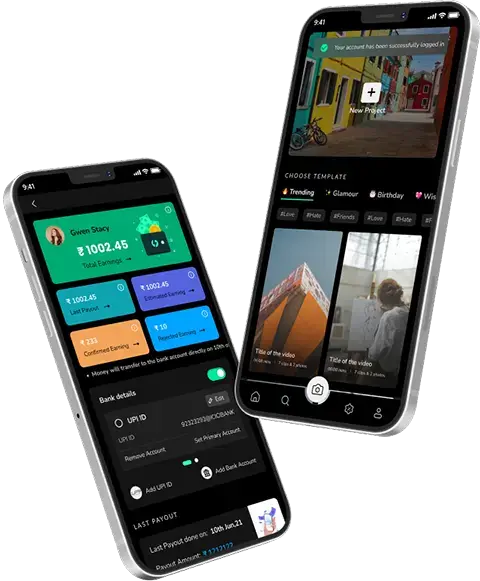








Healthcare mobile app development is playing one of the most crucial roles in enabling the digital transformation of the medical industry. However, it is a highly complicated process whose goal is to integrate digital solutions into multiple areas of the industry to boost value and efficiency.
In fact, the global digital health market is expected to reach $483 billion in 2026 and grow to over $1.17 trillion by 2035, driven by the rapid adoption of telemedicine, AI technologies, and mobile health platforms.
Replacing the traditional and old-fashioned healthcare solution by using advanced technology is a rather tricky process. First, we need to shift from paper to digital files, which is not all. Every function in this industry needs to be digitised, smart, and automated in order to offer sustainable solutions.
And this can happen with a healthcare app seamlessly. However, professionals wonder about the cost to develop a healthcare app and sometimes hesitate to move forward. So on average the cost to develop a healthcare app in 2026 ranges between $30,000 to $500,000 or more.
The transformation is going on in several hospitals, clinics, and through independent healthcare mobile apps, where patients can access records and treatments and 2026 will see even more advancement in the healthcare industry.
Considering the existing scenario, the implementation of healthcare apps can be witnessed more in the private sector, rather than in public establishments.
Since it’s a sensitive domain, there are several layers to understanding digitization in healthcare. Today, with the help of this blog, we will be addressing several aspects related to it including the healthcare app development cost.
So without any further ado, let us get started.
Also Read: Generative AI in Healthcare: Top Applications and Use Cases
Why Is There A Need For Digitization In The Healthcare Industry?
Before we move any further, it is important that we realise the need for digitization in the healthcare industry. Since the digital breakthrough is in the infancy of this particular domain, it is essential to list the reasons that may influence the stakeholders.
According to industry reports, global downloads of health and wellness apps reached around 3.6 billion in 2024. Not just this. Telemedicine and virtual healthcare are rapidly expanding, with over 58% of primary care visits now supported by digital tools and remote technologies.
Also, more than 70% of healthcare providers now offer virtual consultations, driven by growing demand for remote healthcare access.
Isn’t this enough?
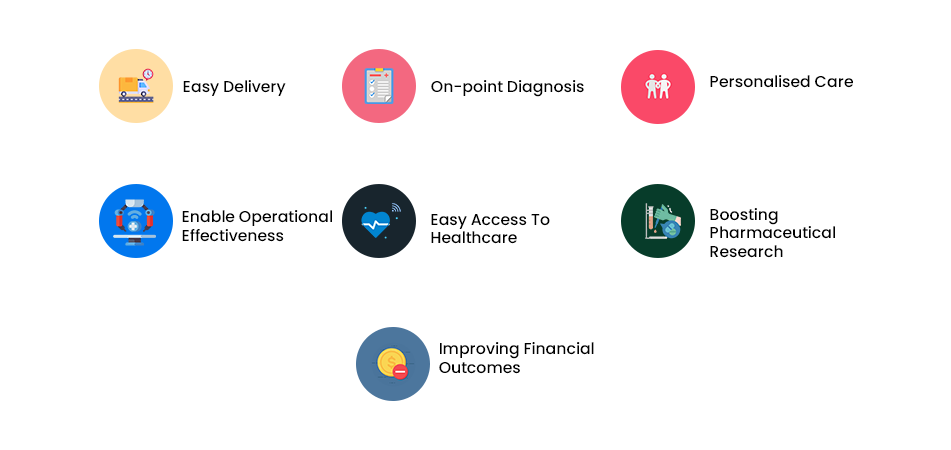
Here are a few pointers to consider the integration of new technology and trends in healthcare:
1. Easy Delivery
The most significant advantage of digitization is that it enables convenient delivery of medical services through mobile health applications and wearable technologies. As smartphones are already being prioritised as mHealth tools, they present the potential to transform healthcare delivery through ease of use.
Healthcare app development allows stakeholders to extend the potential of smartphones and wearables for several medical purposes like monitoring body temperature, enabling real-time visuals to a visually impaired person, monitoring the contraction of a pregnant woman, and much more. In addition, these technical advancements can simplify the process of monitoring patients while keeping the healthcare app development cost relatively manageable.
2. On-point Diagnosis
With the help of technology, medical stakeholders can enhance their diagnostic potential. By streamlining information flow through tech, the entire process can speed up. The wealth of information that is already being gathered in digital health records can be filtered, sorted and organised by powerful computing applications. This would allow medical professionals to arrive at an accurate diagnosis in no time.
Apart from quicker analysis, this data would also enable doctors to measure diagnostic errors. This step would eventually cut down on recurring future errors. Radiologists also make the most of computer-aided detection, as it helps them to clearly analyse the pattern associated with acute diseases.
3. Personalised Care
The boost in testing capabilities, online data and advancing technologies depict that the world is finally entering the much-awaited era of personalized healthcare. With a thorough understanding of an individual’s genetic profile, medical professionals can roll out more extensive therapies and treatments.
For example, with the minimal cost to develop a healthcare app, you can digitize the healthcare sector. And such apps can take the user’s medical history in account to precisely deliver recommendations to be most effective. It curbs the need for the patients to make recurring visits to the hospital as they can get supervised medical care through a mobile app.
4. Enable Operational Effectiveness
AI technology holds the potential to automate the process of clinical documentation and drive key information to further streamline the treatment and operations. Along with automation, speech recognition can also enhance the function of physicians recording documentation to boost speed and efficiency.
The successful integration of 5G technology presents an opportunity to physicians to perform operations from distant locations. China has already become one of the first countries to demonstrate the feasibility of remote surgery. Furthermore, the ongoing discussion in the European Commission about remote surgical robots suggests an inclination of the healthcare industry towards in-depth digitization.
5. Easy Access To Healthcare
According to the predictions of the World Health Organisation, there will be a global deficit of medical professionals. Moreover, the mentioned scarcity would impact the lower-income countries to the extent that would create a deficiency of even basic medical needs in remote locations.
A successful counter to managing the scarcity of healthcare is enabling digital health to communities living in remote areas. Telehealth services can connect patients to medical professionals in distant health facilities. They can easily bridge the gap in delivering access to immediate medical attention by providing a link to an entire healthcare system.
Apart from immediate access to medical services, mhealth applications eradicate the need for unnecessary referrals and cut down on medical bills.
And, contradictory to the belief, creating a healthcare mobile app is not at all a complicated process. With the right technology and a healthcare app development company, stakeholders can easily eradicate the gap between medical care and global users.
6. Boosting Pharmaceutical Research
Pharmaceutical R&D departments worldwide are always looking out for a boost to manage the decline caused by the lack of resources. Offering a solution to this problem, we have technologies like Machine Learning that can allow virtual screening to increase the number of possible drug leads.
With a goal to reduce time and resources, digital solutions can offer modelling and simulation, clinical trial simulation, model-based drug development, and much more. In addition to this, the colossal amount of data generated can be used to find potential therapeutic solutions.
Digital solutions can help stakeholders to foster a collection of rich data on vitals, sleep activity, mood, circadian rhythm, and much more. This data can be then used to figure out the most responsive solution, which would improve the development, delivery, and outcome of digital medical services.
To extend the user experience, stakeholders also need to act on patients’ feedback to provide evidence-based approaches to online healthcare services.
7. Improving Financial Outcomes
Technologies like Artificial Intelligence are making considerable developments in accelerating the treatment and diagnosis process by allowing radiologists to concentrate on tasks with higher value. For example, AI can go through large numbers of medical histories and foster information beyond a human’s capabilities. With this, the healthcare industry can also take down the operational cost for up to 50%.
From surgical scheduling to billing, investments in operations and administrations can also be reduced considerably with the help of technology. These innovations also encourage businesses to invest strategically after evaluating the cost to develop a healthcare app.
What Are The Biggest Challenges Enabling Digital Healthcare?
After updating our knowledge through the trends, we must also understand the challenges involved in developing healthcare mobile applications. Better understanding about these concerns will help you innovate digital trends, which will work towards delivering a solution. In addition, it can help us to get an idea about the development cost structure of healthcare apps.
So let’s get started…
1. Old Habits Die Hard
It isn’t easy to adopt change, especially if it revolves around an age-old method. It is normal that the stakeholders are cautious while adopting the transformation, but it is imperative that we step up to improve the medical process. Yes, there is a little risk involved, but there are two sides to every coin. With a bit of trouble comes many advantages after enabling digitization in healthcare.
Digital change in the healthcare industry is so much more than building an app or a website for the patients. It is also about changing the traditional mindset of the stakeholders. The demand for remote access to healthcare is rising, making it imperative for the industry to advance onboard solutions.
2. Gap In Software Integration
One of the most attractive features of business applications is their ability to share data between multiple systems. Such applications allow patients access to your management database to fetch their medical records. Integration of such applications in laboratories boosts the overall efficiency of healthcare.
Since there is a huge gap in standards of interoperability, it can make communication between organisations in the healthcare industry and third-parties difficult. But digitization of healthcare is enabling applications that make these management systems more efficient and user-friendly.
3. Need For Advance Processes
Like we said, digital transformation is so much more than a fancy product. Even if you have an on-point digital strategy and a healthcare mobile app to enable the same, the impact can only be witnessed if we change the way we think and run the industry.
Therefore, it is crucial to replace old business equipment like server-patient management systems that are integrated within an advanced process. In many cases, businesses realise that the cost to develop a healthcare app is lower compared to maintaining outdated infrastructure systems.
4. Data Regulation
Protection of sensitive patients’ data is one of the most important tasks that this transforming industry needs to take care of. Therefore, it is necessary to meet the state guidelines for maintaining data security. Since sharing information makes it tougher to enable the same, the biggest concern is to foster privacy policies by considering all the required legal actions.
5. Finding A Team To Enable Digitalisation
With the rise in demand for mobile app development, the number of companies delivering the service has also increased. However, the high saturation level has made it difficult for healthcare stakeholders to find the top mobile app development company in India.
It is necessary to invest resources in a team that has successfully delivered products for this domain. Since there are so many options available, getting distracted while looking for a technology partner is another biggest concern. But with the right technology partner, the cost of healthcare app development won’t be an issue and you get a robust application fulfilling your purposes.
What are the Top Healthcare App Development Trends in 2026?
Thanks to advancing technologies, digitization of the healthcare industry is now picking up pace. From the Internet of Things to Augmented Reality, we now have a pool of progressive technologies that are streamlining operations and enhancing accessibility for medical staff and patients.
The increased advantage has triggered the interests of stakeholders to further explore the possibilities in mhealth services. Let’s discuss a few of those tech-based possibilities in length.
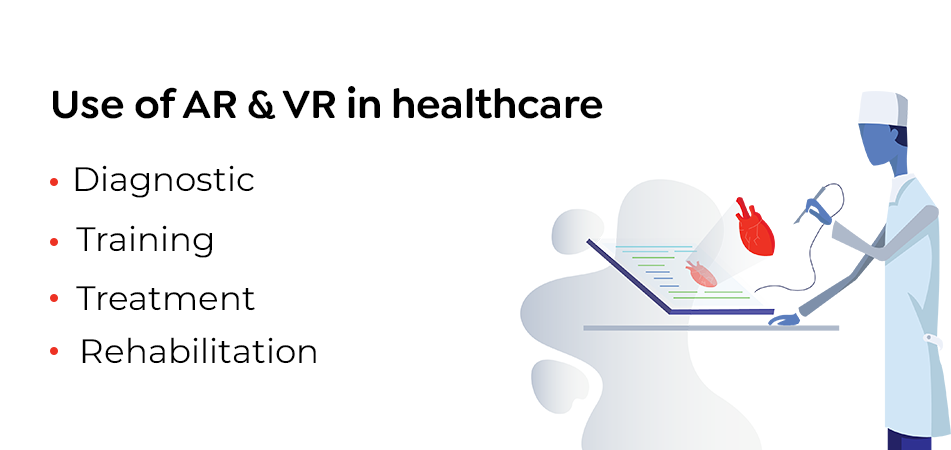
1) Virtual & Augmented Reality in Healthcare
The visual aid delivered by AR and VR technology is primed to play a major role in therapeutic and educational healthcare delivery. Stakeholders can use these technologies to deliver a more personalised and immersive healthcare experience. And integration of VR and AR doesn’t affect much on the cost of building a healthcare app.
These are several ways these high-end technologies are making inroads in healthcare. AR in medicine is being used as a patient-facing engagement tool, especially in orthodontia markets allowing patients to witness progress. Medical programs with VR-based tech offer self-guided rehabilitation exercises for patients who remain in isolation.
With technology, patients aren’t the only ones who’ll benefit. Healthcare professionals have started using AR and VR technologies to help them prepare for the future. For example, X-rays will soon be replaced by AR-based 3D models assisting both doctors and patients before and after the surgery process.
2) Big Data in Healthcare
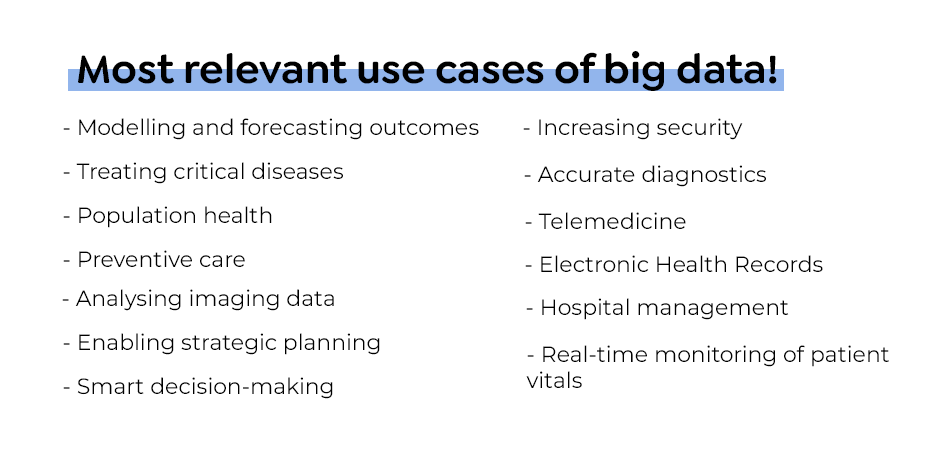
From a decrease in operational cost to improved efficiency, big data is one of the most advanced innovations that is destined to revamp the face of the healthcare industry. Healthcare data can help the sector save yearly investments if utilised smartly.
There are multiple different sources from where big data in healthcare comes, promoting a pool of information that can be churned for more opportunities. With the help of an analytical tool and proper storage, stakeholders can reap the benefits delivered by this technology.
Take a look at the list of advantages of big data in healthcare.
- Limiting medical errors and inconsistencies
- Preventing the spread of pandemic
- Enabling preventative healthcare
- Early detection of diseases
- Curating a personalised and highly accurate treatment
- Allowing real-time alerting in case of medical emergencies
- Enabling cost predicting of the treatment
- Forecasting all the possible risks of treatment
- Using information to identify and assist high-risk patients
- Catering to mental health needs
- Eradicating unnecessary hospital visits
- Boosting medical staff management
- Streamlining medical operations
- Better healthcare service
- Cost cut on medical bills
Even though incorporating this technology into day-to-day operations is nothing less than moving a mountain, developments are being made to maximise the use of this technology and access the perks.
3) Internet of Things in Healthcare
Before the enrollment of IoT, the only way doctors and patients could communicate was through personal visits or telephone. Unfortunately, this limited the scope for care providers to constantly monitor and share necessary treatment.
But with IoT-enabled applications and devices, patients’ engagement and satisfaction have been elevated. Moreover, as the efficiency of stakeholders is enhanced, remote monitoring of patients’ using IoT-based applications is set to streamline the future of healthcare, improving the treatment outcomes.
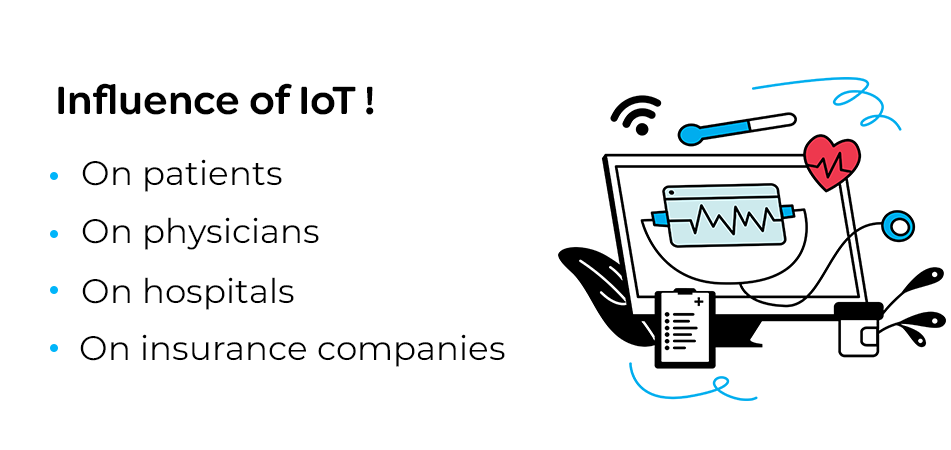
For patients, IoT-based technology delivers personalised attention in the form of blood pressure and heart rate monitoring, fitness bands, sleep trackers, and much more. It has positively transformed the day-to-day monitoring of elderly patients, allowing their care providers to keep a regular check on their vitals. In addition, these IoT apps and devices send alerts to the concerned professional in case of any deviation from routine monitoring.
For physicians, using IoT-based home monitoring devices simplifies patients’ health tracking as doctors can quickly check patients’ adaptability to a given treatment. In addition, it boosts connectivity, watchfulness, and presents scope for healthcare providers to turn more proactive.
For hospitals, there are several areas where IoT-based technology can be deemed highly useful. For example, tracking real time location of medical and monitoring equipment. Furthermore, since infection is one of the biggest concerns in a hospital, deploying IoT-enabled hygiene monitoring devices can help minimise the spread. In addition to this, they also play a key role in asset management.
For health insurance companies, there are several opportunities with IoT-connected devices. They can make the most of the data collected via healthcare monitoring to detect fraud claims, risk assessment protection, pricing, claims operations, identify prospects for underwriting, and much more. Apart from delivering clarity between customers and insurers, IoT-based devices can be used for incentivising the program or validating claims.
4) AI in Healthcare
With Machine Learning, Deep Learning, and Natural Language Processing, Artificial Intelligence in healthcare is allowing providers to identify solutions faster and with higher accuracy.
Let’s understand it in a simpler manner. AI has the power to go through huge chunks of information stored by healthcare institutes. It then identifies patterns or abnormalities that can easily be missed during a manual process.
AI-based algorithms are taught to identify data patterns, and NLP ensures to separate relevant information. And finally, DL interprets the collected information with the comprehensive knowledge of computers.
Use of AI in healthcare can trigger the speed of medical coding search and clinical studies by researchers and data managers. It also delivers scope for healthcare players to personalise plans through virtual agents connected via conversational AI. With this technology, clinicians can boost diagnosis and disease prediction.
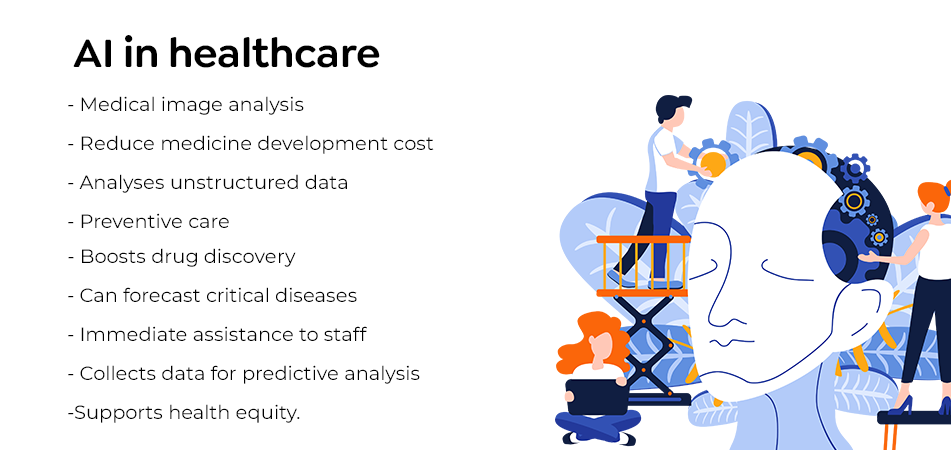
With a pool of advantages, we cannot ignore the fact that the integration of AI in healthcare is still in the early stages. But with the help of healthcare mobile app development, multiple trends are being integrated. From boosting medical assistance to improving workflows, AI presents a vibrant opportunity to the medical industry and stakeholders.
5) Blockchain Technology
After proving its worth in the wide-ranging domain of cryptocurrencies, blockchain is set to rule the healthcare sector with its advanced and innovative solutions. This technology will enable a secure way to preserve and exchange patient data through physicians, laboratories, hospitals, pharmacies, and much more. It has the potential to help medical institutions gain insightful details and improve medical record analysis.
The trend of blockchain healthcare app development is supported by the urgency for advanced solutions delivered by progressive technologies. Furthermore, since the landscape of the healthcare system is inclining toward a patient-centred approach, blockchain technology is destined to play a crucial role in enabling accessibility and availability of medical resources.
In addition to this, the decentralised system of technology will deliver shared information on public well-being, boosting the quality of treatment for major and minor communities.
6) Healthcare Chatbots
Healthcare chatbots are quickly becoming one of the most valuable additions to modern digital health platforms. Powered by Artificial Intelligence and Natural Language Processing (NLP), these chatbots help healthcare providers automate patient communication, appointment scheduling, and symptom analysis.
Instead of waiting for hospital staff to respond, patients can interact with a chatbot to get instant answers to basic medical queries, medication reminders, or appointment availability. This improves response time and reduces the administrative burden on healthcare professionals.
For healthcare providers, chatbots can assist in patient triage, collect preliminary health information, and guide patients to the appropriate department or specialist. Many hospitals are also using AI chatbots to deliver 24/7 virtual assistance, ensuring patients receive support even outside regular working hours.
From a development perspective, integrating chatbot functionality is becoming a common requirement for digital health platforms. While advanced AI capabilities may increase the cost to develop a healthcare app, chatbots significantly improve patient engagement and operational efficiency.
As AI technologies continue to evolve, healthcare chatbots are expected to play a major role in virtual healthcare delivery, remote patient monitoring, and automated clinical support systems.
Types Of Healthcare Applications Businesses Can Invest In
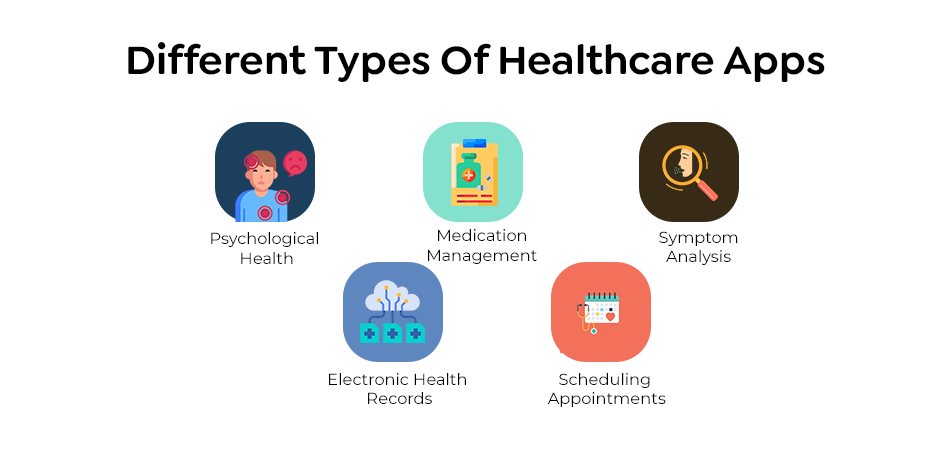
Now that you have an idea about the trends, it’s time that we consider the popular types of applications in healthcare. Remember, each of these categories varies in complexity, which directly impacts the cost to develop a healthcare app.
1. Psychological health
One of the most popular applications these days is mental-wellbeing apps. With multiple companies trying to explore the field, it has become a critical part of healthcare mobile app development. These include numerous features like meditation sessions, sleep tracking, and much more.
2. Medication management
The fast-paced lifestyle that we follow makes it difficult for us to check on our daily medical needs. These apps help you keep track of daily medicine intake by sending on-time alerts. In addition, they reduce the risk of missing medicine or injection intake.
3. Symptom Analysis
These applications help users feed symptoms of the disease and get it identified in the comfort of their homes. It involves a step-by-step self-assessment test, and its result is later approved by an authorised professional.
4. Electronic Health Records (EHR)
Electronic Health Records (EHR) applications enable doctors to view patients’ health records at any time, where they can also prescribe the medication accordingly. Furthermore, it stores the updated information on a patient’s health in a digital format, ensuring fast and easy access to crucial data in just a single click.
5. Scheduling Appointments
Such applications let users book instant appointments with doctors from different domains. The trend for such apps is booming as they play a crucial role in simplifying the process. They also let patients automate the process of scheduling appointments, helping them streamline the entire process.
What Are The Most Important Features of Healthcare Apps?
Also Read: HIPAA Compliant Healthcare Apps: How to Build Your Own Solution?
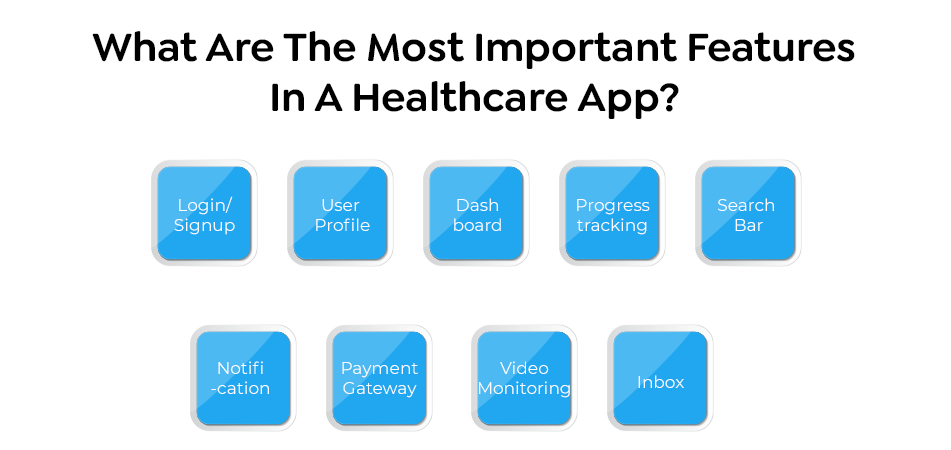
1. Login/ Signup
This is one of the most basic features of any healthcare app. This allows users to sign up or log in to the digital platform with their email address or any social networking site profile.
2. User Profile
If you are planning to build a healthcare app, you need to enable users to personalise their details on the application. For example, they may choose the limit of information they want to showcase publicly or keep private.
3. Dashboard
It is crucial to integrate a dashboard that clearly states the immediate information needed by the user base, for example, scheduled appointments, current vitals, and much more.
4. Progress tracking
The users need to track progress in their health. Enabling these features would mean that the patients can keep a check on their vitals and the impact of the treatments.
5. Search bar
The addition of this feature will allow users to look for doctors near them.
6. Notifications
This functionality reminds the users of their scheduled appointments, medicine intake, exercise schedule and much more.
7. Payment gateway
Here users can pay for the services, consultations, sessions, or treatments that they access with the help of the application. Moreover, with an in-built payment gateway, the user loyalty of the platform can be elevated.
8. Video Monitoring
With this feature integrated into the mobile application, patients can access updates and live video sessions provided by clinicians and doctors. In addition, they can also access live video sessions or consultations from their desired professional.
9. Inbox
This feature lets you deliver a chat service to the user with a professional. Its key role is to provide users with a communication platform with a licensed practitioner on their smartphone through a secured application.
The number and complexity of these features significantly influence the cost to develop a healthcare app.
How Much Does It Cost To Develop A Healthcare App in 2026?
Let’s understand the healthcare app development cost in 2026 in a simple manner here…
The cost to develop a healthcare app is just like getting your graduation degree. You can either join a community college without putting much effort and get your degree. Or you can work hard, spend your time and resources to enter an IVY league college for graduation.
A healthcare mobile app is something you can get for free or at a minimum cost. But if you want to generate revenue or effectively streamline your operations from an app, you need to invest not just money but also your time and effort.
Some apps only offer basic features like appointment booking or medication reminders. Others include advanced functionalities such as telemedicine, AI diagnostics, wearable integrations, and real-time patient monitoring.
Naturally, the cost to develop a healthcare app in 2026 depends on the complexity, features, compliance requirements, and technologies used, but it can range anywhere between $30,000 to $500,000 or go above.
Also Read: Cost To Develop a Healthcare App Like Patient Access
Below is a simplified overview of the typical development cost ranges.
| App Complexity | Key Features | Estimated Cost To Develop A Healthcare App |
| Basic Healthcare App | User registration, appointment booking, medication reminders, simple patient dashboard | $30,000 – $60,000 |
| Mid-Level Healthcare App | Telemedicine, video consultation, EHR integration, payment gateway, notifications, wearable device integration | $60,000 – $150,000 |
| Advanced, AI-Powered Healthcare App | AI diagnosis assistance, predictive analytics, remote patient monitoring, IoT integration, real-time data analytics, HIPAA compliance | $150,000 – $500,000+ |
As you can see, the cost to develop a healthcare app increases as the functionality and technological sophistication grow.
For example:
- A basic healthcare application may take around 3–4 months to develop.
- A mid-level healthcare platform may require 5–7 months.
- An AI-powered healthcare ecosystem may take 8–12 months or more depending on integrations and regulatory requirements.
Creating a minimal viable product can take around 3 to 5 months. The cost of building an MVP can range anywhere from 30K to 100K USD.
Concept Analysis Workshop is a service delivered by professionals at Techugo, where we take care of analysis and design, including prototype, wireframing, R&D, etc. It’s 10 to 20% of the complete project cost and can take up to 5 to 7 weeks.
AI-powered healthcare app development takes longer than building an MVP or CAW, as it has an ongoing cost necessary for maintenance and growth. It can never be done in a go as it always needs improvements, enhancement, additional features, and optimization depending upon the market analysis and user’s feedback.
Apart from features, several other factors also influence the cost to develop a healthcare app, including:
- App platform (iOS, Android, or cross-platform)
- UI/UX design complexity
- Security and compliance (HIPAA, GDPR, etc.)
- Third-party integrations (EHR, payment gateways, wearable devices)
- AI or machine learning implementation
- Post-launch maintenance and updates
That’s why businesses often work with experienced development partners who can estimate the cost to develop a healthcare app based on their exact requirements and long-term product vision.
For MVP, CAW, or an advanced healthcare app development, we at Techugo allocate a dedicated team of analysts, designers, developers, and project managers. So if someone hires Techugo, a leading healthcare app development company, we ensure to quote a figure that compliments the development process.
Wrapping It Up
The journey to an entirely digitised healthcare industry is a long one, but imperative to acknowledge that we have already begun. As the patients want to access the medical facilities on the go, the industry is keen on enabling the services online with the help of healthcare mobile applications.
But you need to move in a strategic manner prioritising the user needs. And do not worry about how much does it cost to develop a healthcare app, just connect with our experts.
As technology partners of 1400+ businesses, we have helped our clients realise their target audience needs through intensive market analysis. It is natural to have curiosity about a possible opportunity that lets you expand your capabilities.
So if you are looking for someone to brainstorm your idea with, we are here to help you. Get in touch with Techugo, a top mobile app development company in USA and get closer to your digital dream.
But until then, stay tuned to this space for more information from the tech world.

Get in touch
We'd love to hear from you.