

 SA
SA  KW
KW  IE
IE AU
AU UAE
UAE UK
UK USA
USA  CA
CA DE
DE  QA
QA ZA
ZA  BH
BH NL
NL  MU
MU FR
FR [ LET’S TALK AI ]
X
Discover AI-
Powered Solutions
Get ready to explore cutting-edge AI technologies that can transform your workflow!



Get ready to explore cutting-edge AI technologies that can transform your workflow!






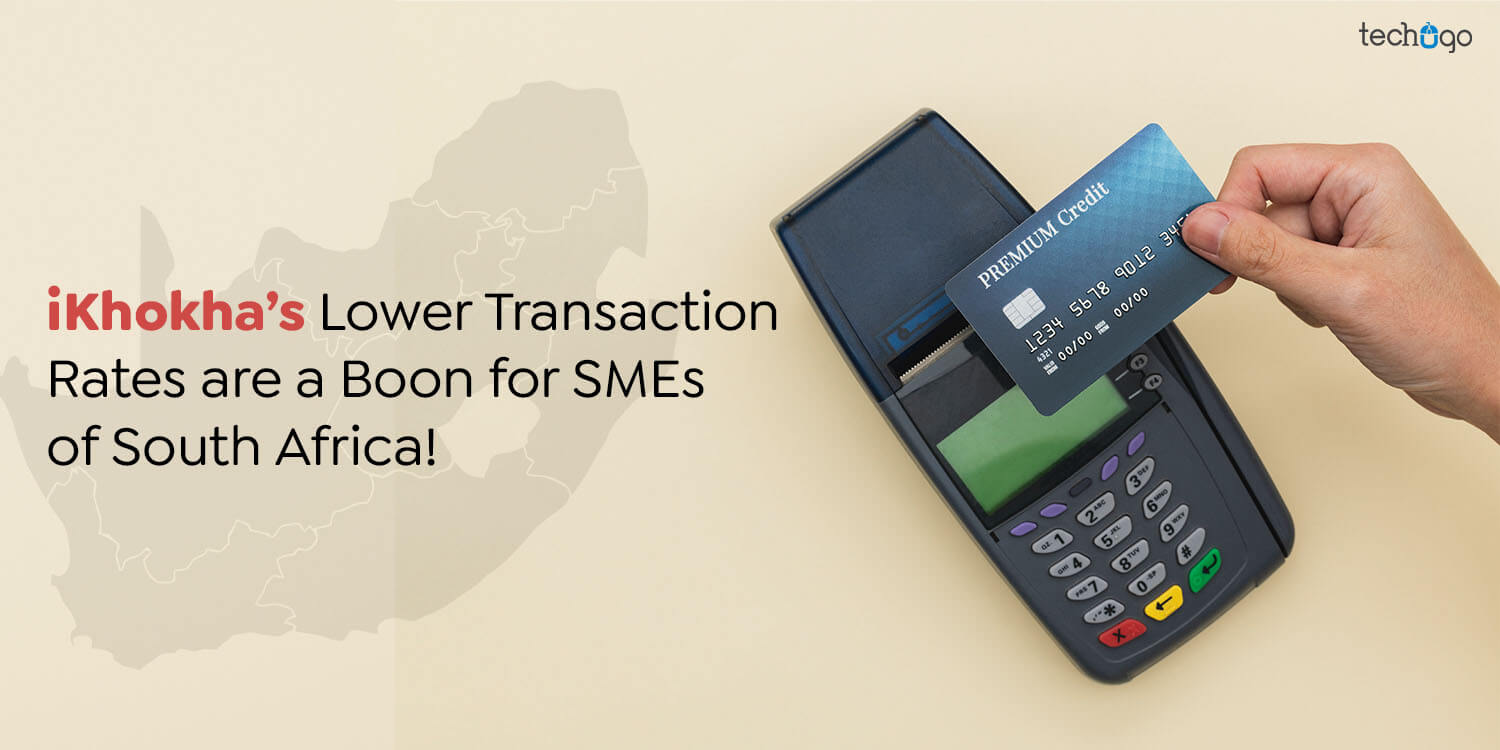
The modern world can be divided into two phases: before Fintech and after Fintech, and we can’t deny the fact that it has been wonderful for the finance industry.
Initially, the primary aim behind introducing fintech was to provide efficient financial services and add convenience to businesses and consumers’ lives. Now fintech has grown and changed into a powerful ecosystem powered by AI, blockchain technology, digital wallets, and mobile applications.
Fintech solutions are now not limited to large banks, rather, they are now designed to empower small and medium-sized enterprises (SMEs) as well.
The change became even more visible after the COVID-19 pandemic. Businesses across the globe accelerated their digital transformation efforts, adopting contactless payments, mobile POS systems, and digital financial tools.
South Africa is one such market where fintech innovation is helping small businesses operate more efficiently, and one company playing a major role in this transformation is iKhokha, a fintech platform designed to simplify payment solutions for SMEs.
Are you intrigued to know what precisely the startup offers? Then, continue reading for more.
Also Read: AI in Fintech: Driving Innovation in Digital Financial Solutions
If yes, you would understand how the current wave of automation is impacting businesses immensely. In fact, the integration of fintech app development into businesses is no longer an advantage but a necessity that would push the growth of its mechanisms.
Running a business often involves unexpected expenses.
Inventory costs, rent, staff salaries, and operational expenses can quickly add up. But one hidden cost many merchants struggle with is card transaction fees.
For many small businesses, traditional card machines and banking services charge high transaction fees and monthly rental costs. These expenses reduce profit margins, especially for small merchants. This is where iKhokha introduced a refreshing solution.
Founded in South Africa, iKhokha focuses on providing affordable digital payment solutions for SMEs. In 2025, the fintech startup also gained industry attention when Nedbank announced plans to acquire iKhokha for approximately R1.65 billion, highlighting its growing role in empowering small businesses through digital financial services.
The company offers payment devices, mobile POS systems, and online payment solutions designed specifically for entrepreneurs and small businesses.
But the real innovation lies in its dynamic tariffing system.
The pricing concept is pretty simple: The more you sell, the less you pay in transaction fees.
Yes, you’ve read that right! iKhokha’s transaction processes are built so that users don’t have to spend additional time emphasizing transaction rates. Instead, monthly transactions are reviewed by iKhokha, which automatically sets the limit as per the sales bracket.
Instead of charging fixed transaction fees regardless of sales volume, iKhokha adjusts rates based on monthly transaction activity.
For example, current card machine rates in South Africa start at around 2.75% per transaction, and decrease as merchants process more payments.
Typical pricing brackets include:
| Monthly Card Volume | Transaction Fee |
| R0 – R40,000 | 2.75% |
| R40,000 – R60,000 | 2.65% |
| R60,000 – R80,000 | 2.55% |
| R80,000 – R100,000 | 2.50% |
| Above R100,000 | Custom rates |
This dynamic fee model automatically adjusts according to sales volume, which helps SMEs reduce operational costs as their businesses grow.
Additionally, iKhokha devices have no monthly rental fees, allowing merchants to purchase a card machine once and use it without recurring costs.
Over the past few years, South Africa has been witnessing a noticeable shift toward digital payments.
Earlier, cash was the preferred option for many businesses and customers but things have been changing gradually, because technology has made payments easier, faster, and more accessible.
Consumers are now using card payments, contactless transactions, and mobile wallets more frequently and businesses are adapting so that they do not fall behind.
Because of this shift, fintech platforms like iKhokha have been gaining strong traction.
These platforms provide payment devices and digital transaction systems that allow businesses to accept card payments without dealing with complicated banking processes. And it helps SMEs operate more efficiently but also compete in a market where customers expect flexible payment options.
So, the move toward digital payments in South Africa is not just a passing trend. It reflects a larger transformation in how financial transactions are handled.
Businesses are adopting technology, customers are becoming more comfortable with cashless payments, and fintech solutions are gradually shaping the future of commerce.
For large enterprises, transaction costs are often manageable.
However, for small businesses and entrepreneurs, these fees can significantly impact profit margins.
High card processing fees often lead merchants to prefer cash payments. But in a world where digital payments and contactless transactions are rapidly increasing, relying solely on cash is no longer practical.
Affordable payment infrastructure helps small businesses:
Solutions like iKhokha are therefore playing a critical role in financial inclusion for small businesses.
Fintech is not just a niche sector now, it has become one of the fastest-growing technology segments globally.
According to industry reports, global fintech investments continue to grow as companies adopt technologies like AI-powered financial tools, blockchain-based payment networks, and digital banking platforms.
These innovations are helping businesses streamline financial operations, automate processes, and improve security. For SMEs, fintech platforms provide access to tools that were once available only to large corporations.
Fintech is everywhere and can be used by anyone. It is a technology that is easily accessible at users’ fingertips, no matter if they have used financial services before or not.
Notably, continents like Africa are highly benefitting from fintech services, as providers like Tala are introducing opportunities that can tremendously help people manage their money.
Unlike traditional financial mechanisms, fintech is cost-effective as they provide solutions at a lower cost. For instance, activities are automated; therefore, it eliminates the need to hire additional human resources for the same.
Today, you’ll come across stock trading applications that charge zero commission!
It is not very challenging for large businesses to get their hands on the latest technology or financial tools. But, how would small businesses manage to keep up with the market trends?
Fast forward to today, it has become efficient for small businesses and even sole entrepreneurs to take advantage of fintech seamlessly.
While some people have the opinion that fintech services are not reliable, it is not true. In fact, traditional banking institutions can be at risk in terms of security issues due to their lack of adoption of new technology.
Fortunately, fintech companies ensure that customer detail and every transaction is protected. Modern fintech platforms incorporate advanced security measures such as encryption, tokenization, and fraud detection systems. Many payment platforms are also integrating blockchain technology, which offers secure and transparent transaction records. This makes fintech systems more resilient against fraud and data breaches.
Fintech has opened the door to truckloads of opportunities for businesses, and organizations are taking advantage of it at its best. And platforms like iKhokha demonstrate how fintech innovation can directly impact small businesses.
The icing on the cake is the possibility to leverage technologies like blockchain, artificial intelligence, etc. As financial technology continues to grow, businesses will see even more innovations in areas such as:
So, how about the idea of fintech app development?
Luckily, we are all ears. Techugo, a leading mobile app development company in South Africa, is waiting for you to spill your flawless app ideas, so we can work on the same to turn the vision into reality.
The success of platforms like iKhokha shows something very clear. Businesses today are not just experimenting with fintech anymore, they are depending on it. Payments are becoming digital, transactions are faster, and customers expect convenience. Therefore, small and medium businesses are slowly moving away from traditional systems and looking for smarter digital payment platforms.
But building a fintech platform is not as simple as launching a regular mobile app.
It involves complex payment infrastructure, strong security layers, regulatory compliance, and systems that must work smoothly at scale. Because financial data is sensitive, even small technical gaps can create serious issues. So, businesses usually prefer working with an experienced fintech app development company that understands how financial platforms are built and maintained.
A capable development partner can help businesses design and build platforms such as digital wallets, merchant payment systems, mobile POS solutions, and peer-to-peer payment applications. These solutions are not only built for payments; they are designed so that businesses can track sales, manage transactions, and understand customer behavior as well.
And the technology behind these systems has also evolved. Modern fintech platforms often integrate blockchain technology, artificial intelligence, and cloud infrastructure. These technologies help create transparent transactions, secure systems, and faster financial operations. Because of this, fintech platforms today are far more reliable than traditional payment mechanisms.
This is where Techugo comes into the picture.
Techugo has been working with startups, enterprises, and financial organizations that want to build secure digital products. As a trusted fintech app development company, the team focuses on building scalable fintech applications that are practical for businesses and simple for users.
The company has been involved in developing payment apps, digital banking platforms, financial dashboards, and intelligent fintech solutions. These products are designed so that businesses can manage financial operations smoothly, but also provide customers with a convenient digital experience.
So if you are planning to build a payment platform, a fintech solution, or even a digital financial ecosystem similar to iKhokha, partnering with the right technology team becomes important. And therefore, working with a company that understands fintech architecture, security requirements, and modern technologies can make the entire journey easier.
We at Techugo help businesses turn their fintech ideas into real products, the kind that are built carefully and designed for the future.
How about a consultation over a cup of coffee?

When someone decides to build an app in France the question everybody asks is never related to design, user experience, or the functionality of the ap..


For entrepreneurs, startups, and established companies looking to break into the largest digital market in Europe, launching a mobile app in Germany p..


Write Us
sales@techugo.comOr fill this form