


 SA
SA
 KW
KW
 IE
IE AU
AU UAE
UAE UK
UK USA
USA
 CA
CA DE
DE
 QA
QA ZA
ZA
 BH
BH NL
NL
 MU
MU FR
FR







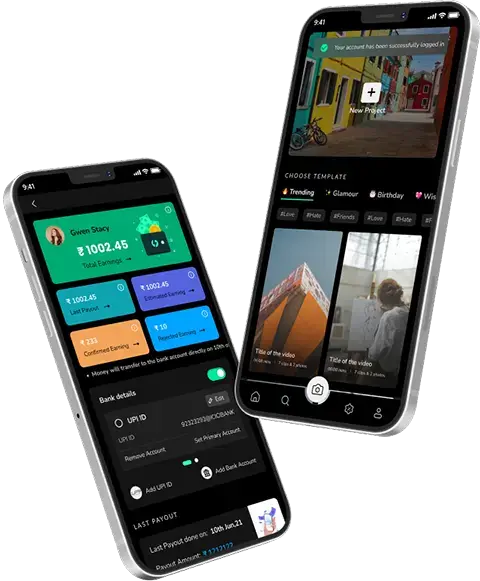



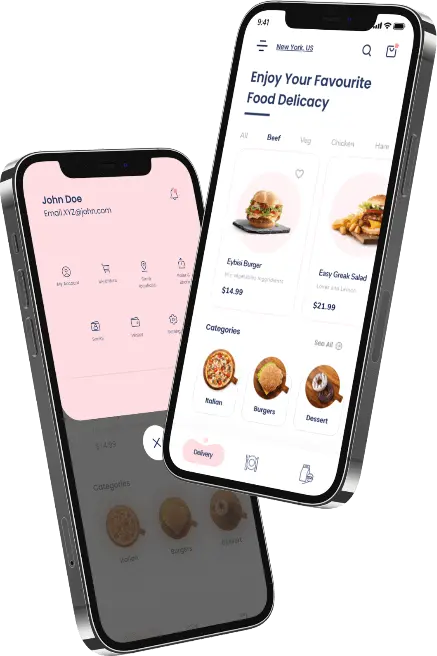

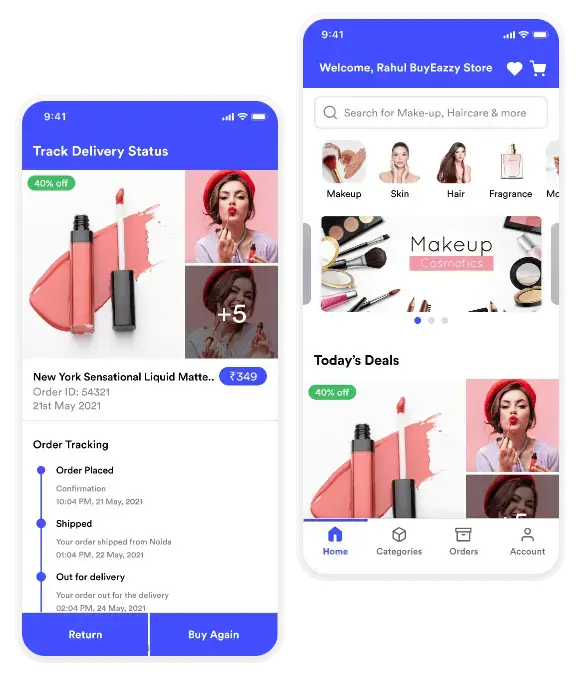



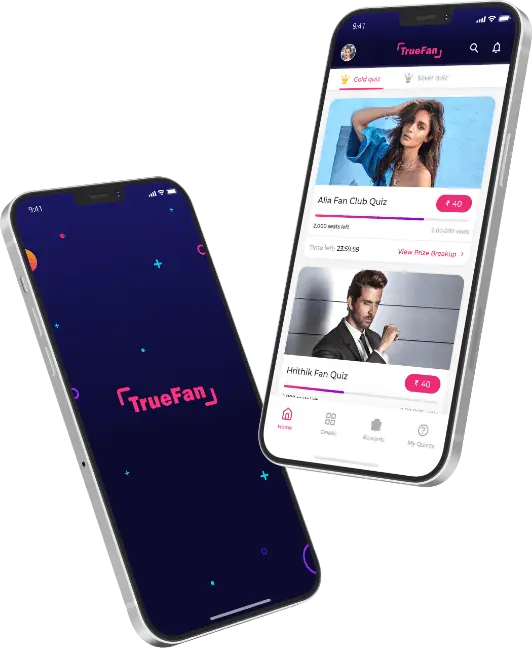



On hearing the term “trending technologies”, something gets unlocked within our minds! Perhaps all the creative shots of Steven Spielberg’s movie flick started to gather.
I am sure many of you out there must be getting a sudden adrenaline rush on reading the very first line of this post, which makes you travel to space, where you can experience the facial recognition or retina recognition, or the much advanced technological trends through an app.
I too got it
Well, on hopping back to my main topic, I would like to state that the fascination created by sci-fi movies got real, with the advent of technology, where the super advanced technology has grown extremely dominant and widespread, so that not a single industry or business is left untouched by the latest trends in technology turf.
Surprisingly, today there is a substantial impact of smartphones on our day-to-day lives, and we are all heavily dependent on mobile apps. However, this deep integration of mobiles into our daily lives has grown further rooted with the app technology. Today, this is carrying the baton of recognition and identity for every business.
What Is Virtual Reality (VR) & Why It Matters in Mobile Apps
Virtual Reality (VR) is a technology that immerses users in a fully virtual, three-dimensional environment. Often experienced through headsets or mobile devices. When incorporated into mobile apps, VR shifts the interaction paradigm from 2D screens to immersive, spatial experiences. This is essential for exploring virtual reality mobile app UI and elevating VR in mobile app design.
The demand for immersive experiences drives this shift. Users increasingly expect deeper engagement and memorable interactions that go beyond traditional app design. VR allows for intuitive, natural inputs. Triggering a more intuitive and emotionally resonant user journey.

Find out VR’s growing influence on mobile UI/UX design:
Delivering Immersive Engagement
VR transforms mobile UI/UX design by immersing users in environments that react to their real-time interactions. This deep engagement doesn’t just capture attention. It keeps users active in the app longer, improving retention and session duration.
Enabling Intuitive & Natural Interaction
VR interfaces leverage natural user behaviors, such as:
- Gesture controls
- Gaze-based navigation
- Voice commands
Making the experience feel intuitive. Users interact with environments in ways that reflect real-world behavior. Creating more satisfying and accessible user journeys.
Elevating Personalization & Relevance
Advanced VR systems can dynamically adapt experiences based on user behavior and preferences. AI-enhanced VR environments
- Tailors content and UI elements
- Boost user engagement
- Increase app performance
- Delivering more personalized interactions
Establishing Competitive Differentiation
Apps incorporating virtual reality mobile UI/UX design can stand out in crowded marketplaces. This innovation attracts users seeking immersive and unique experiences. It positions your brand as forward-thinking.
Why Users Crave Immersive Experiences
Modern users are looking for more than passive content. They crave experiences that transport them. Whether it’s touring virtual spaces or commanding objects naturally, VR delivers a sense of real presence.
This growing appetite for immersion is evident across industries. Designing for VR in mobile app development is becoming central to engaging digital experiences.
- VR content, like interactive learning and realistic architectural tours, creates deeper emotional connections with users.
- Data suggests VR apps increase time-on-app and retention, as users enjoy more engaging, interactive sessions.
- Despite hardware limitations and rising trendslike Apple Vision Pro and Meta Quest are fueling interest in immersive mobile app experiences.
How VR Impacts Mobile UI and UX Design
Immersive Interfaces & Natural Interaction
VR transforms mobile app design by immersing users in 3D environments that demand spatial thinking and intuitive controls. Designers now prioritize gesture and voice-based UI and minimalism that activate contextually to preserve immersion.
Key practices include designing directly in
- 3D (not just flat wireframes)
- Prototyping in VR headsets
- Keeping UI elements
- Streamlined and ergonomically placed for comfortable reach
Importance of Skeuomorphism in VR UI
Skeuomorphic design mimics real-world textures and tangible depth. Realistic visuals help users transfer familiar mental models into virtual environments. Reducing friction and easing onboarding.
Skeuomorphism was widely used in early mobile interfaces. But modern VR interfaces leverage it selectively to anchor users in new spatial experiences.
Haptic Feedback & Gesture-Based Navigation
In immersive mobile UI/UX design, interacting through natural methods such as hand gestures and voice is becoming increasingly standard. Additionally, eye tracking is also gaining traction as a way to enhance user interaction.
Haptic feedback, delivered via wearable gloves or devices, adds another dimension of realism. Simulating material properties such as weight or resistance. Technologies like Meta’s haptic glove prototypes and systems like DeltaTouch underscore how physical touch can elevate immersion.
Cross-Platform & Cross-Device Experience
Designing for VR-related mobile experiences today means creating interfaces that translate seamlessly across AR, VR, and MR. Even across different hardware ecosystems. Emphasis is on cross-platform spatial UI consistency, whether on smartphone AR/VR headsets. Or even mixed reality devices.
Interactive elements should adapt responsively to varying input methods and spatial contexts. Designers must account for ergonomics and ensure legibility. Moreover, they offer accessibility solutions to suit diverse user needs across devices.
Key Challenges of VR in Mobile Apps
-
Battery Drain & Performance Bottlenecks
Mobile devices simply aren’t built for VR’s high demands. Running VR apps leads to rapid battery drain and overheating. Leading to limiting session length significantly. Mobile VR also suffers from limited processing power and reduced memory bandwidth. Plus, it can lower graphical fidelity. These factors degrade responsiveness and overall immersion.
-
Hardware and OS Limitations
Unlike desktop VR systems with dedicated GPUs, mobile devices share resources across the CPU and GPU. Leading to performance compromises like aliasing and lower frame rates. Mobile sensors may lack the precision needed for smooth tracking and platform fragmentation. Especially within Android ecosystems, it further complicates optimization across hardware and OS versions.
-
Latency
Symptoms include disorientation and eye strain. Key culprits include
- low frame rates
- motion-to-photon lag
- vestibular-visual conflicts
- mismatched sensory inputs.
High refresh rates (120 fps+) can reduce these effects significantly.
-
Security Vulnerabilities in VR-Enabled Apps
Security is a complex concern in immersive environments:
- Researchers have uncovered “inception” hacks that allow attackers to take control of VR headsets. These hacks overlay a fake interface, enabling them to intercept or manipulate user activities without detection.
- VR apps can be compromised through malicious APKs. Enabling unauthorized commands or data exfiltration, including:
- Eavesdropping
- Location tracking
- UI manipulation
- VR environments collect rich behavioral and biometric data. Like eye-tracking, gestures, or voice, which are often identifiable and sensitive. This raises privacy concerns and potential misuse.
- Many VR apps transmit user data without full transparency. Studies show that most data flows aren’t disclosed in privacy policies. Intensifying trust and compliance issues.
Best Practices for Designing VR-Enabled Mobile Apps
| Area | Best Practice | Why It Matters |
| UI/UX Adaptation for VR | Build 3D spatial interfaces instead of flat screens
Ensure scalable UI elements for various devices. |
Traditional UI patterns don’t work in VR.
Spatial design improves immersion and reduces disorientation. |
| Simplify Navigation | Gaze-based controls
Gesture interaction Minimal menus |
Reduces cognitive load and makes VR interfaces intuitive and accessible. |
| Prioritize Comfort & Ergonomics | Position UI elements within the natural field of view (10°–20° below eye level). | Prevents neck strain, eye fatigue, and VR sickness. |
| Skeuomorphic Design | Incorporate real-world cues in UI elements like
|
Familiarity makes navigation easier and reduces user learning curves. |
| Optimize Performance | Maintain high frame rates (90–120 fps).
Reduce latency. Compress 3D assets for mobile hardware. |
Low latency and smooth visuals prevent VR sickness and enhance user retention. |
| Battery & Heat Management | Use efficient rendering techniques like Level of Detail (LOD) and async reprojection. | VR features are resource-heavy
Optimization prevents overheating and battery drain. |
| Cross-Device Compatibility | Design for
|
Ensures consistent user experience across different platforms and input methods. |
| Integrate Haptic & Audio Feedback | Add tactile cues and immersive audio for richer interactions. | Multi-sensory feedback enhances realism and engagement in VR environments. |
| Test in Real VR Environments | Perform usability testing using VR headsets, not just simulators. | Identifies real-world challenges like motion discomfort or scaling issues. |
Cost to Develop a VR-Enabled Mobile App in 2026
The cost of building a VR-enabled mobile app in 2026 depends on multiple factors:
| Factor | Impact |
| UI/UX Complexity | Advanced virtual reality mobile UI/UX design with 3D modeling, animation, and spatial interfaces increases development hours. |
| Platform & Device Support | Building for multiple platforms (VR headsets, Android and iOS) adds to the cost due to additional coding and optimization. |
| Hardware Integration | Compatibility with VR gear like:
They require specialized development. |
| AI & Personalization Features | AI-driven features like predictive interactions or real-time data processing require additional resources. |
| Performance Optimization | Achieving smooth frame rates (90–120 fps) and low latency demands high-end optimization. This impacts timelines and cost. |
| Testing & QA | Extensive VR usability testing and motion comfort checks increase development hours and QA cycles. |
Estimated cost range for VR mobile apps in 2026:
| App Type | Estimated Cost |
| Basic VR App (simple 3D UI, limited interactions) | $40,000 – $60,000 |
| Mid-Level VR App (interactive features, multi-device support) | $60,000 – $120,000 |
| Advanced VR App (AI integration, full-scale immersive experience) | $120,000 – $200,000+ |
VR-enabled apps cost significantly more than traditional apps due to:
- 3D asset creation
- hardware optimization
- immersive UI/UX requirements
However, this investment is justified by the growing demand for immersive digital experiences and higher engagement rates.
A pro tip to note!
Partnering with an experienced Virtual Reality app development company can lead to accurate cost estimation and better resource allocation. This collaboration also helps optimize performance across various devices.
Why Choose a Professional Mobile App Development Company?
Building a VR-enabled mobile app requires deep technical expertise and user-centric design strategies.
Here’s why partnering with a professional mobile app development company is essential:
-
Expertise in VR and Advanced Technologies
A skilled team understands VR in mobile app development inside out. From implementing 3D environments to integrating motion tracking and spatial audio. They also stay updated with the latest frameworks, like:
- Unity
- Unreal Engine
- ARKit
- ARCore
-
Tailored UI/UX Design for VR Apps
Creating virtual reality mobile UI/UX design requires a unique approach compared to traditional mobile interfaces. Experienced developers focus on creating ergonomic and intuitive designs that help minimize motion sickness. They enhance user engagement through natural gestures and responsive layouts.
-
Performance & Battery Optimization
VR apps demand high frame rates and efficient resource usage. Professionals ensure VR mobile app performance by:
- Optimizing rendering pipelines
- Reducing latency
- Implementing techniques like Level of Detail (LOD)
- Asynchronous reprojection for smooth experiences
-
Security & Privacy Compliance
With VR apps collecting biometric and behavioral data, security cannot be an afterthought. A trusted development partner implements:
- Advanced encryption
- Secure data storage
- Compliance with regulations like GDPR and CCPA
-
Accurate Cost Estimation and Faster Delivery
An experienced virtual reality app development company provides realistic timelines. Plus, cost transparency and agile workflows. Helping businesses reduce risk and achieve quicker go-to-market with a polished, scalable product.
-
End-to-End Services
From concept ideation to deployment and post-launch support, professional companies handle:
- UI/UX development
- Backend integration
- Cloud support
- Continuous performance monitoring
Ensuring the app runs flawlessly across devices.

Frequently Asked Questions
1. Why should I choose Techugo for VR mobile app development?
Techugo is a leading Virtual Reality App Development company with expertise in building immersive, high-performance VR apps. We offer end-to-end solutions, including:
- UI/UX design
- Performance optimization
- Cross-platform compatibility
- AI integration
2. Does Techugo provide UI-UX development for VR apps?
Yes, Techugo specializes in UI and UX design for VR-enabled mobile apps. Our design approach ensures:
- Intuitive navigation
- Ergonomic layouts
- Immersive interfaces
- Aligns with the latest VR design trends
3. How much does it cost to develop a VR-enabled app with Techugo in 2026?
The cost to create an app in 2026 with VR features typically ranges from $40,000 to $200,000, depending on complexity, integrations, and customization. Techugo provides transparent estimates after analyzing your business requirements.
4. Can Techugo integrate AI into VR mobile apps?
Absolutely! We develop VR apps enhanced with AI capabilities for:
- Real-time personalization
- Predictive analytics
- Advanced user interaction
This makes your app future-ready and more engaging.
5. Does Techugo offer maintenance and support for VR apps?
Yes, we provide post-launch support and maintenance. This is to ensure your VR-enabled mobile app remains optimized and updated with the latest technologies and OS versions.
6. Which is the best Virtual Reality App Development company?
The best Virtual Reality App Development company is one that offers end-to-end VR solutions, from UI/UX design to scalable app deployment. Look for expertise in cross-platform development, 3D design, and AI integration. Techugo is a leading VR app development company that delivers high-performance, immersive apps tailored to your business goals.
To End…
Businesses that adopt VR in mobile app development today will lead tomorrow’s digital landscape.
However, delivering a seamless, high-performing VR app requires expertise in UI and UX design, performance optimization, and emerging technologies like AI. Partnering with a professional Virtual Reality App Development company ensures your app not only meets user expectations but sets a new benchmark in innovation.
Partnering with a leading mobile app development company like Techugo ensures that your VR-enabled mobile app combines cutting-edge design and business scalability. Ultimately, creating an experience that stands out in a competitive market.
Learn about VR effects on mobile UX, the cost to create an app in 2026, and why you need a Virtual Reality App Development company.

Get in touch
We'd love to hear from you.