

 SA
SA  KW
KW  IE
IE AU
AU UAE
UAE UK
UK USA
USA  CA
CA DE
DE  QA
QA ZA
ZA  BH
BH NL
NL  MU
MU FR
FR [ LET’S TALK AI ]
X
Discover AI-
Powered Solutions
Get ready to explore cutting-edge AI technologies that can transform your workflow!



Get ready to explore cutting-edge AI technologies that can transform your workflow!






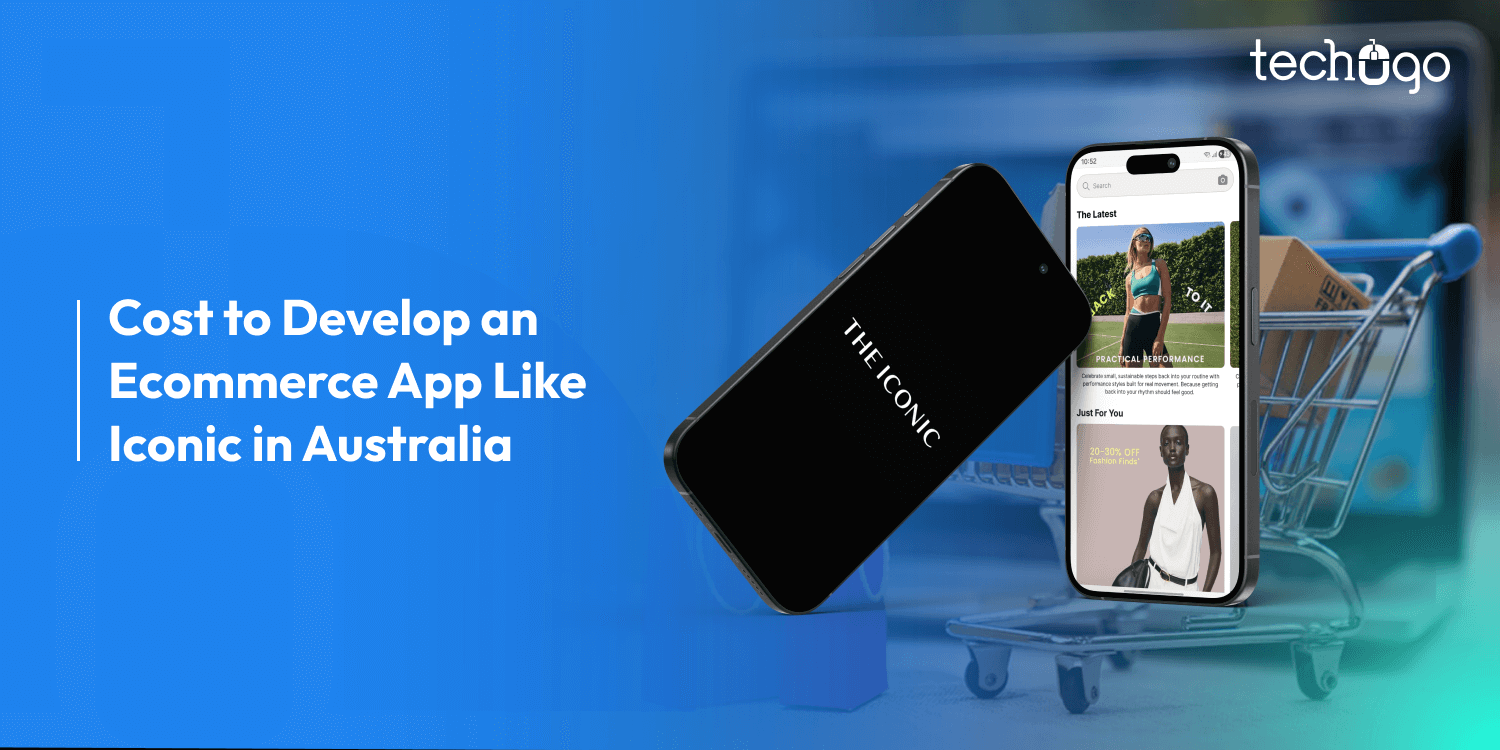
A significant shift is occurring in the Australian retail landscape toward digital platforms, so as we move further into 2026, fashion retailers will soon find themselves challenged not by whether they should have an app but rather how much they should invest in developing and maintaining an app to compete against large multinational companies, as evidenced by the rise of Iconic.
This blog provides you with an overview of app development costs for developing an ecommerce app and an overview of ecommerce app features (such as AI search and Augmented Reality [AR] virtual try-on functionality) that will assist you with your ecommerce app budgeting and decision making throughout your app development lifecycle.
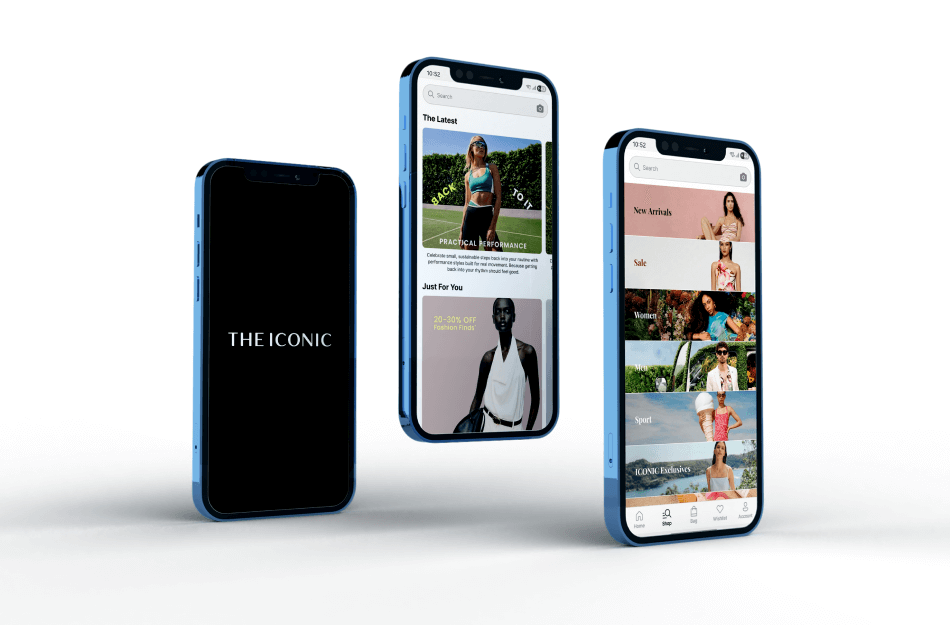
If you’re currently looking to launch an app and want some help figuring out how to get started, we’ve created this guide to help better understand some of the associated costs related to the various functions within the marketplace where you will compete, including pricing for building an ecommerce application similar to Iconic.
Considering that more than 70% of all digital transactions in Australia are coming through mobile devices, simply having an online presence is insufficient. Retailers must adopt a “mobile-first” philosophy.
The tremendous success enjoyed by The Iconic (a significant fashion retailer in Australia) is largely due to their ability to provide consumers with a non-stop, seamless and Artificial Intelligence (AI) enabled experience quickly via their app. However, as a growing entrepreneur or an established retailer, it can often be difficult for you to ascertain how to develop the proper financial plan to build your mobile application and provide the best experience possible.
Before we can begin discussing numbers, we need to clarify what we mean by that. Essentially, an eCommerce application similar to The Iconic will be a highly-functional e-commerce marketplace with thousands of SKUs, real-time inventory capabilities and complex logistics support.
When it comes to the cost of developing an ecommerce application like The Iconic, the technology stack is one of the large playing factors.
Here are some of the key features for an App like Iconic:
An infographic map of Australia with “hotspots” in Sydney, Melbourne, and Brisbane, highlighting average monthly spend per user.
As with other parts of the MENA region, there are very high expectations from consumers when it comes to app performance. In Australia, for example, retail sales recently surpassed $38 billion, and clothing and fashion are the leading online categories.
A reputable mobile application development company in Australia will help to ensure that your mobile application is built in compliance with both the Australian Privacy Act and the General Data Protection Regulation (GDPR) if shipping outside Australia. Protecting user information is not only required by law; it is a fundamental trust issue and impacts conversion rates directly.
We’ll illustrate for you the steps of app development in Australia and what it takes to create an app for a high-end Australian fashion brand.
The most important step of the entire project is the very beginning. You begin by creating a blueprint through Market Research to clarify both what a brand-new app must offer ( and Customer Target ) to qualify as a User Experience (UX).
For any type of high-end ecommerce app, the user experience is VERY important. If your customers do not like the user experience they will leave.
The most important part of the project occurs during this phase. Building the “back-end” Delivery Logic and User Interface using the most cost-efficient and reliable technology. We recommend using the Flutter technology stack, combining robust performance and cost-effectiveness.
The largest financial mistake you can make in developing your Ecommerce application is NOT Testing and QA; fixing an application after launch costs 5X more than fixing it before you launched it.
Launching on the App Store and Google Play is just the beginning. Continuous updates are required to stay compatible with the latest OS versions.
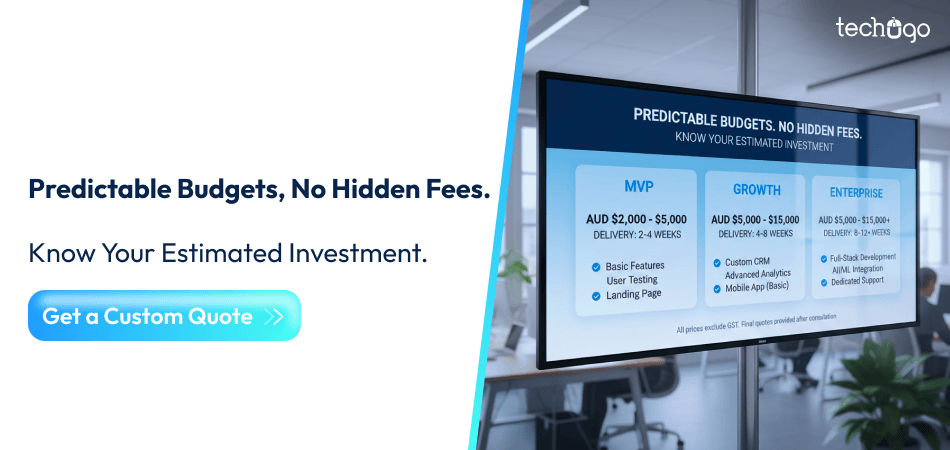
How much does it actually cost? In 2026, the ecommerce app development cost in Australia varies based on complexity.
| App Tier | Features | Estimated Cost (AUD) | Timeline |
| MVP (Starter) | Basic Catalog, Cart, Payment | $40,000 – $70,000 | 3 Months |
| Growth Retail | Loyalty, Push, 3+ Integrations | $80,000 – $150,000 | 5-6 Months |
| Enterprise (Iconic-like) | AI Search, AR, Multi-vendor | $180,000 – $350,000+ | 8-12 Months |
The standard e-commerce experience is transitioning to agentic e-commerce where the app becomes the user’s agent. Your Australian mobile app development company will need to look at the emerging technology trends in 2026 to develop an app that leads rather than mimics what is happening in the current market.

When you’re looking to build a market leader, it’s important to have a partner who can provide guidance and support, rather than just being a vendor. Techugo is a leading eCommerce app development company based in Australia that brings performance-based thinking to every project.
Techugo’s methodology as a leading mobile app development company incorporates detailed long term planning, including a three-year growth plan before any code is developed.
A full-scale enterprise application often takes approximately 8-12 months. However, we usually advocate for you to initially build a Minimum Viable Product in 3-4 months, which will give you time to gather real user data before developing the application’s full scale.
Yes, choosing Cross Platform Development (using either Flutter or React Native) is one of the best ways to help you manage the initial expense in developing your e-commerce application in Australia. Additionally, starting with a minimum viable product version of your application is another way to control your first time e-commerce development.
Although there is no hard and fast rule that requires an application to be hosted in Australia, hosting data on Australian-based servers (such as via AWS SYD) greatly reduces latency for local users and greatly aids in complying with data sovereignty laws.
Some of the more common hidden costs in application development include third-party application programming interface licensing fees, cloud-based hosting fees as well as the 15-20% of your yearly budget needed to maintain your application through security patches and operating system (OS) upgrades.

Understanding how much it costs to build a dating app matters a lot more today, especially as online dating keeps turning into a massive multi-billion..
Real estate has been a rising source of income and wealth since the dawn of time. However, the piece of land is shrinking, thanks to the onset of real..



Write Us
sales@techugo.comOr fill this form