

 SA
SA  KW
KW  IE
IE AU
AU UAE
UAE UK
UK USA
USA  CA
CA DE
DE  QA
QA ZA
ZA  BH
BH NL
NL  MU
MU FR
FR [ LET’S TALK AI ]
X
Discover AI-
Powered Solutions
Get ready to explore cutting-edge AI technologies that can transform your workflow!



Get ready to explore cutting-edge AI technologies that can transform your workflow!






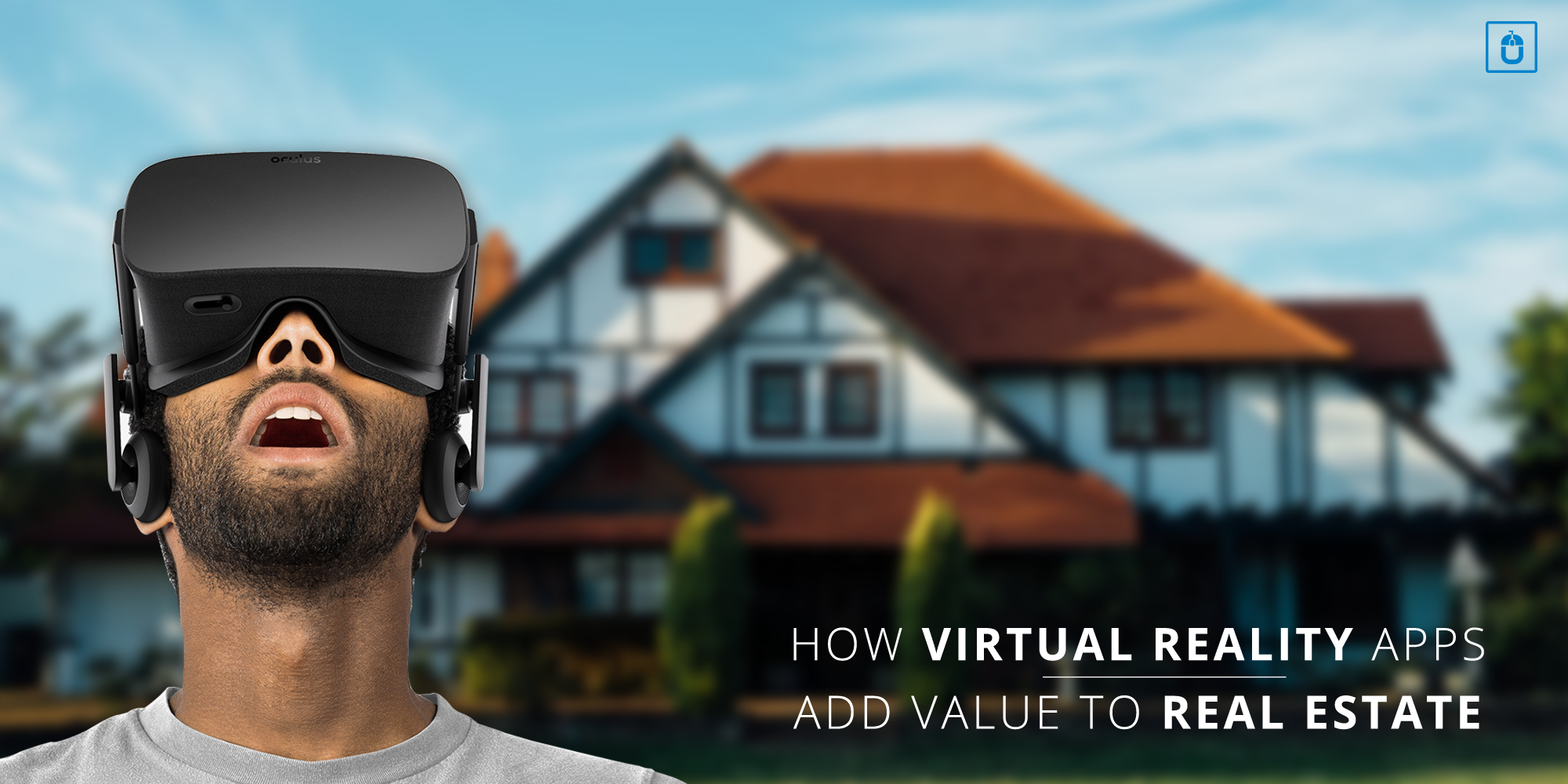
Buying a home is rarely impulsive. It is usually a long-planned decision, tied to comfort, stability, and future security. People want to see the space. Feel the layout. Understand how light enters the rooms and how the rooms connect. But work schedules, distance, and daily commitments often make physical site visits difficult. That gap between desire and availability is where technology quietly steps in.
With the rise of virtual reality in real estate, property viewing is no longer limited to physical visits. Through VR real estate apps, buyers can explore homes digitally, move through rooms, and understand layouts without being present on site. What once required travel and appointments can now happen through a screen, turning browsing into an immersive property experience rather than a passive scroll.
According to the National Association of Realtors, over 70% of home buyers say they prefer to take virtual home tours before visiting a property in person, showing how VR in property buying is becoming part of the modern decision process. As real estate app development grows, virtual property tours and remote property viewing are changing how people explore properties and trust properties, especially when location or time becomes a barrier.
For this reason, many developers and brokers now rely on a real estate app development company to build platforms that combine listings with virtual tours and interactive viewing to make property search faster for buyers and to make more engaging as well.
Also Read: The Essential Guide to White-Label Auction Software for Real Estate
As the name suggests, “Virtual Reality” is all about something which is in virtuality yet will give the experience in reality. To make it a little easier for you to understand, anything which is quite near to reality is virtual reality. Now, due to the advancement in the technology, mobile apps are positively invaded by virtual reality to give the user almost near to reality experience as per their convenience, whether it is gaming experience or visiting experience, the users get a real-time experience through Virtual Reality.
When this idea is applied to virtual reality in real estate, the experience becomes more personal and practical. Instead of only scrolling through images or reading descriptions, a buyer can move through the space and understand how the rooms connect. They can stop, look around, and notice small details that flat pictures usually hide. It creates an immersive property experience, one that feels closer to an actual visit.
This method also supports virtual property tours, making it easier for people who cannot travel often. A professional working in another city, or someone living abroad, can rely on remote property viewing to explore different options without planning repeated site visits. Over time, this way of seeing homes changes how properties are presented, turning basic listings into something more real, more visual… and easier to trust.
Also Read: How Real Estate Mobile Apps are Redefining Property Search in Saudi Arabia
How VR Technology Works in Real Estate Mobile Apps
First, the property is recreated in digital form. Walls, rooms, windows, furniture, everything is turned into a 3D model. For example, a builder launching a new apartment project can show a fully designed flat even before construction is finished. Buyers don’t just imagine the space. They see it. This is where 3D property visualization becomes more than a design tool, it becomes a sales tool.
Next comes the walkthrough. Instead of swiping through photos, users can look around in every direction. A person sitting in Delhi can “stand” inside a flat in Dubai and check the balcony view, then turn around and see the bedroom. These virtual property tours make browsing feel less like scrolling… and more like visiting.
Some users prefer full VR headsets for a deeper feel, especially in sales offices or property expos. Others just open the app on their phone and explore by moving the screen around. Both work. A luxury real estate company may use headsets for high-end clients, while everyday buyers rely on simple phone-based VR property viewing at home.
All these models and tours are stored on cloud servers. This means the app does not need to carry heavy files inside it. When a user selects a property, the data loads instantly from the cloud. So whether it’s one apartment or fifty villas, the experience stays smooth. This also helps agents update designs without rebuilding the whole app.
Finally, VR is added inside normal property apps. Users can search listings, check prices, and then tap a button to enter a virtual tour. It blends into everyday real estate app development instead of standing alone. Over time, this turns basic browsing into something closer to VR in property buying, where seeing and deciding happen together, not separately.
Virtual reality in the real estate mobile app development process is a much-awaited blessing for the buyers, who are unable to go and check the properties due to certain situations, at their own convenient time and place and help in making a smart buying decision for them. Apart from the discussed benefit, there lies a number of other benefits associated with VR integration in the real estate mobile apps, take a look:
Also Read: AR & VR Technology: The New Cornerstone of the Real Estate Industry
We all check and buy our daily stuff before buying them, and when it comes to buying a property, we turn cynical and dig out every possible detail about the property. Unfortunately, when buyers decide to buy a property they look out for the numerous options, and then only set for one particular. But with VR, any realtor can transport the customers to their desired property from one place to another in a fraction of seconds and let them experience the real property. VR mobile apps for real estate make the property buying as an eCommerce experience, where buyer can experience their future homes and have the ability to check every single corner of their prospective homes, also helping the realtors to limit the unnecessary visits to the property; if the buyer chooses certain options than he/she can be taken to the chosen options of the properties.
There are many people who live out of their homeland, but want to buy a property in their home country as their future investment and also for emotional roots. With VR mobile apps for real estate, it becomes highly possible for the buyers to get a look at their prospective property options without making a personal visit to their country and making a smart decision. They can save their time and money and shortlist the number of properties as per their preferences, and get the deal done on arrival in their country.
Many a time realtors are blamed for not telling the flaws of a property in advance, but due to VR, the most significant experience is to view the entire mock-up design of the property with 3D visual projection, helping the buyers to get the minutest detail about the property without a fail. The buyer can take a virtual walk through every street or block in the neighborhood and check the existing park, shops and other neighborhood services available in the vicinity of the property.
When you want to buy a property, you ring the realtor and try to fix the time to view the property at your convenient time slot, but many times due to the unavailability of the realtor or buyer, the deal sink in delay pipe and never gets accomplished, but due to the integration of VR in the real estate mobile app services, buyers and realtors can save the time and view the property through VR as per their convenient time and place, without disturbing their work routine.
The VR technology has not been adopted widely by many realtors in the market yet, so if you choose the VR technology for your real estate business, you get an edge over your competitors, since you would be able to make a connection with your clients through VR integration in the mobile app for your real estate business. The VR technology is not sufficed only to the view of the property, but the buyers would be able to explore the internal features of the property, such as opening the doors, rearranging the furniture, choosing the color for the walls such technology would certainly be an added advantage for those buyers, who are willing to get an idea about their home décor before even the possession. This technology would help you get a number of customers and your potential business would convert to long-term clients.
It is the most unpleasant moment when you climb the 6th floor of the building just to find out that the property does not match with your expectations. The VR is indeed a blessing in such a scenario, where buyers can get the immense satisfaction of viewing and short listing the property at their convenience and also the realtor would be able to knock down the cutting edge competition in the business while serving the targeted prospects with the right options offered to them.
While the earlier use cases focus mainly on viewing and shortlisting properties, virtual reality in real estate is now being applied across more advanced and practical stages of buying, selling, and managing properties.
Developers can now showcase apartments that are still under construction using virtual property tours. Buyers are able to walk through an unfinished project, view layouts, and understand spacing before a single brick is laid. This improves trust and speeds up early bookings, especially for new residential launches.
For luxury homes and premium commercial spaces, VR in property buying allows clients to explore design, lighting, and interiors before making site visits. This reduces unnecessary physical inspections and helps decision-making start at a visual level instead of a brochure level.
With remote property viewing, overseas investors and NRIs can explore properties without depending on relatives or agents for physical visits. This has become especially useful for international real estate markets where location and time zones create barriers.
When VR experiences are connected with property management apps, users can not only view homes but also access documents, pricing, availability, and maintenance details within the same system. This transforms simple viewing into a complete digital buying journey.
Through 3D property visualization, buyers can experiment with wall colors, furniture layouts, and room themes before purchase. This adds emotional involvement and creates an immersive property experience instead of a static inspection.
As part of broader proptech solutions, VR is being used in sales offices, exhibitions, and developer showrooms to replace physical sample flats. One digital model can serve multiple locations, reducing infrastructure costs while increasing reach.
In modern VR real estate app development, virtual tours are combined with enquiry forms, booking options, and chat support. This allows users to move directly from viewing to inquiry, helping real estate businesses convert interest into action faster.
Businesses are investing in VR real estate apps because they help properties sell faster and reach buyers who cannot visit in person. With virtual reality in real estate, listings turn into experiences, not just ads. It reduces site visits, saves time for agents, and builds trust through better viewing. In simple terms, it makes real estate app development more about engagement… and less about guesswork.
At Techugo, we take pride in developing real estate mobile apps for leading brands to startups. We, as a top and trusted mobile app development company, have the expertise to create a unique variety of real estate mobile app solutions for your business needs, which would help you to showcase your idea, goal, and dream in the most informative and engaging way.
Our team of top mobile app designers is here to help assist you with every step of your mobile app development strategy. We consult, brainstorm, manage the project, design, develop, test, launch, and market apps in the best possible way.
You can get in touch with our team to discuss further your concept to bring into reality. The discussion would help you to gain a better insight of your app requirement.

‘What’s the cost to build an app like Yandex Go?’ is often the first question businesses ask. When you’re starting from zero, with no existing infr..

Marriage has always held a special significance in our lives, and it's something that families and individuals take very seriously, but over time, the..



Write Us
sales@techugo.comOr fill this form