

 SA
SA
 KW
KW
 IE
IE AU
AU UAE
UAE UK
UK USA
USA
 CA
CA DE
DE
 QA
QA ZA
ZA
 BH
BH NL
NL
 MU
MU FR
FR







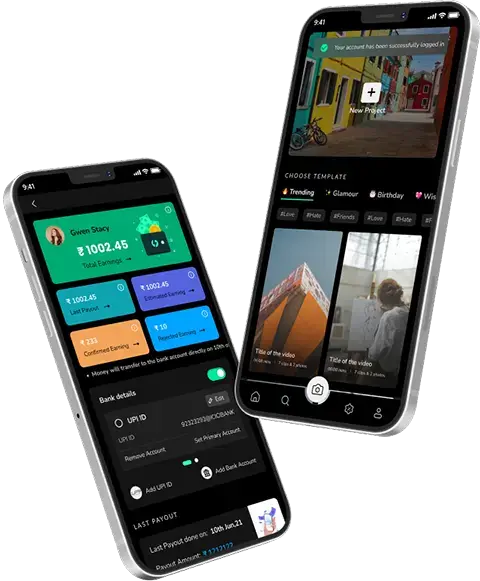



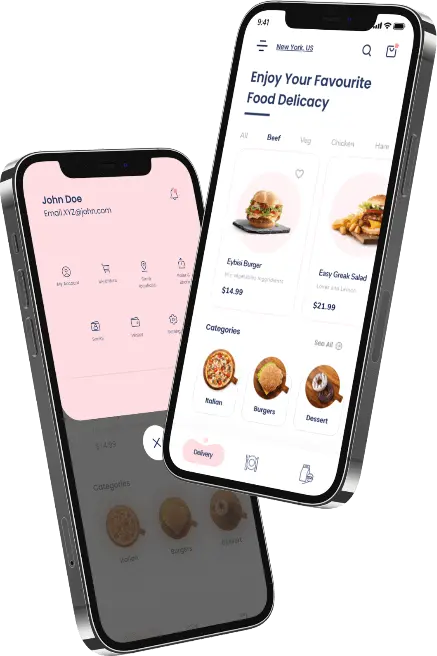

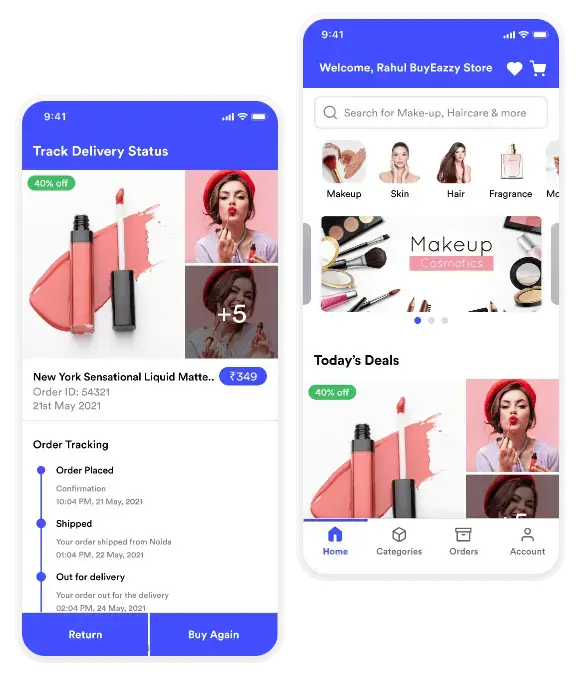




Do you run a food or grocery delivery service?
Aren’t your customers looking for a way to save time and avoid the hassles associated with traditional food ordering?
Do you want to offer your customers a more convenient delivery experience?
Are you interested in taking your business to the next level?
If you answered “yes”, then there are many reasons your grocery delivery marketplace should have a dedicated mobile app.
Online ordering of groceries and food has seen a dramatic increase in popularity. In fact, food and grocery delivery apps received the most downloads and orders in 2025.
The concept is gaining popularity and will continue to be popular in the future. Over the last few months, we at Techugo, saw a growing demand for on-demand food delivery app development services.
Don’t forget, the online food delivery industry will reach over $500 billion by 2030.
So, are you ready to take the leap and build a grocery delivery app for your business?
Also Read: AI in Food Delivery: Enhancing Speed, Efficiency, and Customer Experience
All You Need to Know About Online Grocery and Food Delivery Apps
Have a look.
1. Downloads of grocery delivery application continue to rise
In recent years, digital grocery shopping has shifted from a temporary solution to a long-term consumer habit. In markets such as the USA, Canada, and parts of Europe, on-demand grocery delivery apps are now widely used for weekly and monthly shopping.
Instead of being driven by emergency needs, today’s growth is powered by convenience, faster delivery models, and improved mobile experiences. Popular platforms such as Instacart, Walmart Grocery, and Amazon Fresh continue to expand their user base, encouraging retailers and startups to invest in grocery delivery app development to meet modern customer expectations.
2. Online grocery sales are poised to grow steadily in 2025 and beyond
Grocery delivery remains one of the most promising digital business models. This segment continues to expand due to evolving customer behavior and strong mobile adoption worldwide. Smartphones and high-speed internet access have made online grocery delivery apps a preferred shopping channel for many households.
After setting up a new smartphone, users increasingly rely on mobile apps for daily needs such as food, groceries, and household essentials. Businesses are also shifting toward digital platforms to improve customer reach and retention. Here are some key reasons why on-demand grocery delivery app development is gaining momentum globally:
- Rapid growth in m-commerce
- Online shopping is convenient
- App loyalty programs
- Free delivery
- Offers and discounts
- Shopping experience quick
- Shop personalized from the comfort of your own home
- You save time and fuel
3. The top ten app features
You should discuss the key features of your grocery delivery app with a company based in India or the USA. The functionalities and features allow the customer to have a seamless and enjoyable shopping experience. The app works with the three panels:
- App for Customers
- Grocery store owner app
- Driver app
4. Grocery delivery app development cost
The most important topic to discuss after consulting with an online grocery delivery app company is the ‘app developer cost’. Different companies may charge different prices for application development, including a fixed development cost or a part-time cost.
Also Read: Develop a Grocery App Inspired by Blinkit for Fast & Secure Delivery
5. Is it worth investing in online grocery delivery?
Clients often consider whether to invest after reading the estimated cost of developing a cross-platform application. If you have concerns about grocery delivery, we recommend that you invest affirmatively in the project.
Today, people think more about speed, security, and convenience than any other aspect of life. Online shopping for groceries, medicine, and liquor is now a common practice. The grocery delivery app market is supported by long-term growth trends, including urban lifestyles, busy schedules, and the rise of quick-commerce models.
Therefore, investing in grocery delivery app development services remains a viable and future-ready business decision for startups and established retailers alike.
6. Expert Opinions
Christian Wanner, an e-Commerce Pioneer, says that customers move quickly into the digital shopping phase. As a result, customers are more likely than others to support the eCommerce and mCommerce sectors tremendously over the next decade.
According to his extensive research on eCommerce and mCommerce, mobile phone orders are more common than website orders. According to changing consumer behavior, the whole conversation can be summarized with a positive view of online grocery delivery.
Experts agree that businesses adopting on-demand grocery delivery app solutions will be better positioned to meet customer expectations and stay competitive in the growing retail world.
Real-World Grocery Delivery Apps to Know
If you’re thinking about grocery delivery app development, it helps to look at successful real-world applications that lead the market today. These examples show the diversity of models — from quick commerce to full-service grocery platforms:
Create an image based on all these apps’ logos.
- Walmart Grocery – Walmart’s grocery-focused delivery solution, offering scheduled delivery and curbside pickup nationwide.
- Amazon Fresh – Amazon’s dedicated grocery delivery branch, with options for same-day and next-day delivery, tied into the Amazon ecosystem.
- Blinkit – A leading quick-commerce grocery app in India known for ultra-fast deliveries (often within 10 minutes).
- Zepto – Another ultra-fast grocery delivery platform in India focusing on rapid fulfilment in urban markets.
- Swiggy Instamart – Grocery delivery service by Swiggy that leverages its food delivery network to provide quick deliveries in select cities.
- BigBasket (bbnow) – A full-service online grocery delivery app in India offering scheduled and express delivery options.
- Getir – A rapid delivery app originating in Turkey, known for on-demand delivery of groceries and essentials in minutes in select global cities.
- Instacart – A major on-demand grocery delivery app in the U.S. that connects users with local stores for same-day delivery and pickup.
Also Read: Instacart Business Model: How To Build A Highly Profitable Grocery Delivery App?
Each of these apps demonstrates different approaches to online grocery delivery and quick-commerce models, from marketplace aggregators and multi-store platforms to hyperlocal instant delivery solutions. If you’re planning to build a grocery delivery app, studying their business models, user experience, and logistics strategies can offer valuable insights.
Types of Grocery and Food Delivery Mobile App
If you’re thinking of creating a mobile app for food delivery, there are two main types of apps that are dominant in today’s online food delivery market and will provide an exceptional user experience. These are:
1) Model Aggregator
These apps connect customers and restaurants or grocery shops via second-party platforms. In addition, these apps are responsible for taking orders and transferring them to the store.
They are not responsible for the delivery of the food to customers. Restaurants must manage the delivery process.
This is why this app model is only suitable for large restaurants.
2) Logistic Support Model
This model supports the delivery system by a third party. The delivery staff is the third party. These delivery people are responsible for picking up food orders from restaurants and delivering them to customers via the app.
This model has huge potential for both small and large restaurants, which can’t afford delivery on their own, as well as for big restaurants.
The aggregator model is not very popular in today’s world. Instead, the logistic model is preferred due to its convenience for both consumers and restaurants. Most of the most popular food delivery apps work with the latter model.
3) Food Delivery Mobile App
Many food delivery apps, such as Doordash, Postmasters, and Zomato, follow a similar business model. They can be used as both a restaurant searcher and a mobile food delivery app.
This concept basically resembles a digital version of the traditional food delivery system.
The app acts as a platform that allows users to access many restaurants and also provides a logistic network for the delivery personnel.
4) The Order-Only Business Model
This type of meal delivery software connects diners to nearby restaurants. In addition, the application allows users to place orders at their favorite restaurants.
Restaurants find these sites useful because they can expand their customer base without having to spend the advertising budget.
5) Delivery & Order Business Model
This concept can be a huge benefit to food delivery startups in the food delivery industry that do not have the funds or the manpower.
Indeed, this strategy is a great option for restaurant business. In addition, this strategy doesn’t require additional staff, vehicles, or delivery management.
Revenue Model For Food Delivery Mobile App
There are many ways to make money with your restaurant app for online food delivery, but the most popular monetization models are:
Delivery charges
Many restaurants don’t offer home delivery. However, you can request them to pay delivery fees by showing them your food delivery app and delivery personnel.
Surge Pricing
UberEats will apply a surcharge to orders placed on days when there is too much demand. The app restricts the menu options and charges a surcharge for customers who place orders.
This model allows for a lower demand rate, but the delivery price per order can still be very high.
Commission-based
This model allows the platform to charge a fixed commission per order a customer places via its app. This revenue model is used by firms to generate revenue.
It not only increases revenue but also creates a long-term relationship between the restaurant owner and grocery vendors using the online delivery marketplace app.
Advertisement
Advertising is the best way to make a huge income. You can either display ads for restaurants in the featured section or run video clips on your app’s home screen.
This can be done by charging a fixed amount from the restaurant. You can also make more revenue through Google Adsense.
Subscription Model
Many leading grocery delivery apps now offer monthly or yearly subscription plans that provide users with benefits such as free deliveries, priority slots, and exclusive discounts.
This creates recurring revenue and improves customer retention for your grocery delivery app development project.
Sponsored Product Listings
Brands and vendors can pay to promote specific products within search results or category pages. These sponsored listings help businesses gain visibility while helping the platform monetize product discovery inside the online grocery delivery app.
How Mobile Applications Can Help You Grow Your Grocery or Food Delivery Business?
Create an app that unlocks many benefits and leverages the high margins that a food delivery company model can offer. You can create a mobile app that will have a positive and significant impact on the industry using the right technology.
We will be discussing the top reasons your food delivery business should consider creating a mobile application.
Also Read: Features That Can Make A Successful On-Demand Food Delivery App
1. Push notifications to tempt customers
An average American smartphone user receives 46 app push notifications. Push alerts can increase the likelihood of your customers placing an order, especially during mealtimes. Food delivery app owners often use this function to let customers know about discounts and new offers.
Communication with clients is a great way to increase sales and profits. This function can be used effectively by food delivery apps. You will see a significant increase in revenue if you tap the right time to share push notifications.
2. Retention of visitors to your website should be increased
A mobile application is essential for food delivery companies that are on-demand. It will allow them to deliver exceptional results. You want your customers to stay with you for the long-term as a food delivery business owner. It takes a lot of effort to create an app that is unique and offers something different.
Your app can enhance customer lives and drive effective promotions. Live chat support can be integrated to allow customers to communicate with delivery personnel and offer discounts for special occasions. A food delivery app development company with proven experience in creating amazing apps is required.
3. Loyalty points can help you retain and grow your business.
Food delivery is a competitive industry that requires you to attract customers with special discounts and promotional offers.
Therefore, you can attract more customers by offering discounts and running promotional offers. A restaurant owner might offer a complimentary drink with every order of pizza. This is a great way to increase loyalty.
You can make a loyalty system that is tailored to customer order frequency. Loyalty points are earned for every order. These points can be used to redeem discounts or orders.
This is also one of the most cost-effective methods to communicate your message. If customers use loyalty points frequently, it’s a win-win situation.
Mobile apps are a great way to offer discounts and loyalty programs to customers when you operate a food delivery business. You can also integrate push notifications into your loyalty program to increase order placement, as we have already mentioned.
4. To Lower Operational Costs
Food delivery companies have to manage operations and grow their income. A meal delivery app is the best solution for all these problems. You can combine some of the intuitive features to lower the support costs when you get a food delivery app.
Here’s how…
- Integrate real-time tracking system
- Customers can check the status of their orders live
- Automated order management for delivery personnel
- Automated payment collection available for cashless delivery
- For quick analysis, use advanced analytics dashboards or reports
5. Online ordering is easy and quicker than ever.
People don’t go to restaurants to save time. They want faster delivery and shorter delivery times. This problem can be solved by providing them with food delivery apps.
An easy-to-use food delivery app will include all the features that make it appealing to users when they feel hungry. Predictive analysis allows customers to select the best cuisines and order at a nearby restaurant.
Integrating a real-time tracking system within your app will allow them to expect delivery at a specific time. Mobile apps can also leverage GPS to make it easier to track the delivery process from the point of pick-up to the delivery location.
6. Reach increase
Nowadays, most people are connected to their phones and are internet-savvy. An on-demand food delivery app makes it easy to reach your audience and lets them select the best meals. Then you can deliver it right to their door.
You can create a food delivery application and reach out to many people to order. They can be provided with delicious food menus and descriptions of nearby restaurants’ cuisines. This will make them swoon over the food.
You may also be able to offer the best prices, tempting deals, and the best offers on the food ordering app, which will drive more orders.
These attractive deals can be accessed by your customers with just a few taps on their smartphones, making it easy for them to order food at their preferred restaurants.
7. Meal customizations
Two-fold benefits come with creating a food delivery app in your business.
Your customers could customize their food and drinks through your app. Customers can choose from a variety of toppings and cheeses while ordering pizza, as well as a selection of ingredients for their salads. They also have the option to specify how sweet or sour they would like the drinks to be.
This second benefit allows you to customize your app and offer targeted discounts to customers based upon their food choices and patterns. Built-in AI can show customers what they ordered last time at a restaurant. They don’t have to search for their favorite meal or send customization instructions.
They can click on “Repeat Order” to have the dish exactly as they like it.
Advanced Features for Developing Prominent Food Delivery Apps
Also Read: How to Develop a Food Delivery App Like DailyMealz
Login & Signup Social Signup
This allows users to sign up and log in to the app with their social media credentials.
Behavior Track
This function is used to track user behavior and serve them content such as their favorite food items or special discounts at their favorite restaurants.
Multiple Booking
This allows you to place multiple orders at once.
Book for Other
This feature allows users to book meals and food items for others by simply giving their location information and making payments online in advance.
Custom Packages
This allows users to customize their orders by making a request.
Re-ordering
This function is helpful when the user wants to place the same order as in the past. Users can save time and effort by using the reorder feature. The order is automatically booked once they click on the reorder option.
Group Ordering
This feature allows you to create a group of family and friends, and then they can add the food items of your choice in a specific order.
Order
This intelligent feature is for those who are frequently having internet problems or are traveling to another country for a few days. This feature requires that the user purchases a meal package from the restaurant through the app. You can also order food by simply sending a message to the restaurant via your registered phone number.
How Much Does It Cost to Develop a Food Delivery App for Customers
There are many factors that influence the cost of a food delivery app.
On average, a food or grocery delivery mobile app cost can start at $20,000 and go above $150,000.
Here are the top factors that will impact your app development costs.
- The number of Features & Functions that have been added
- Use of a mobile platform or approach
- Technology Used
- Type of food delivery app
- Developers’ Location
Conclusion
Mobile app development companies are required to keep pace with these huge opportunities in the food industry. Because mobile apps have become integral parts of our lives, this is particularly true.
Techugo has a team of mobile app developers who have extensive experience creating amazing food delivery apps. When you hire us, you can be sure of an innovative mobile app that will drive results, ensure data security, and secure financial transactions.
We are a trusted mobile app development company, and know how to create a food delivery app that stands apart from the rest. We make sure that all components are included in a food delivery app.
Talk to our food delivery app developers to share your ideas. After signing an NDA, we’ll proceed to discuss your business idea.
It’s time to get started.

Get in touch
We'd love to hear from you.