

 SA
SA  KW
KW  IE
IE AU
AU UAE
UAE UK
UK USA
USA  CA
CA DE
DE  QA
QA ZA
ZA  BH
BH NL
NL  MU
MU FR
FR [ LET’S TALK AI ]
X
Discover AI-
Powered Solutions
Get ready to explore cutting-edge AI technologies that can transform your workflow!



Get ready to explore cutting-edge AI technologies that can transform your workflow!






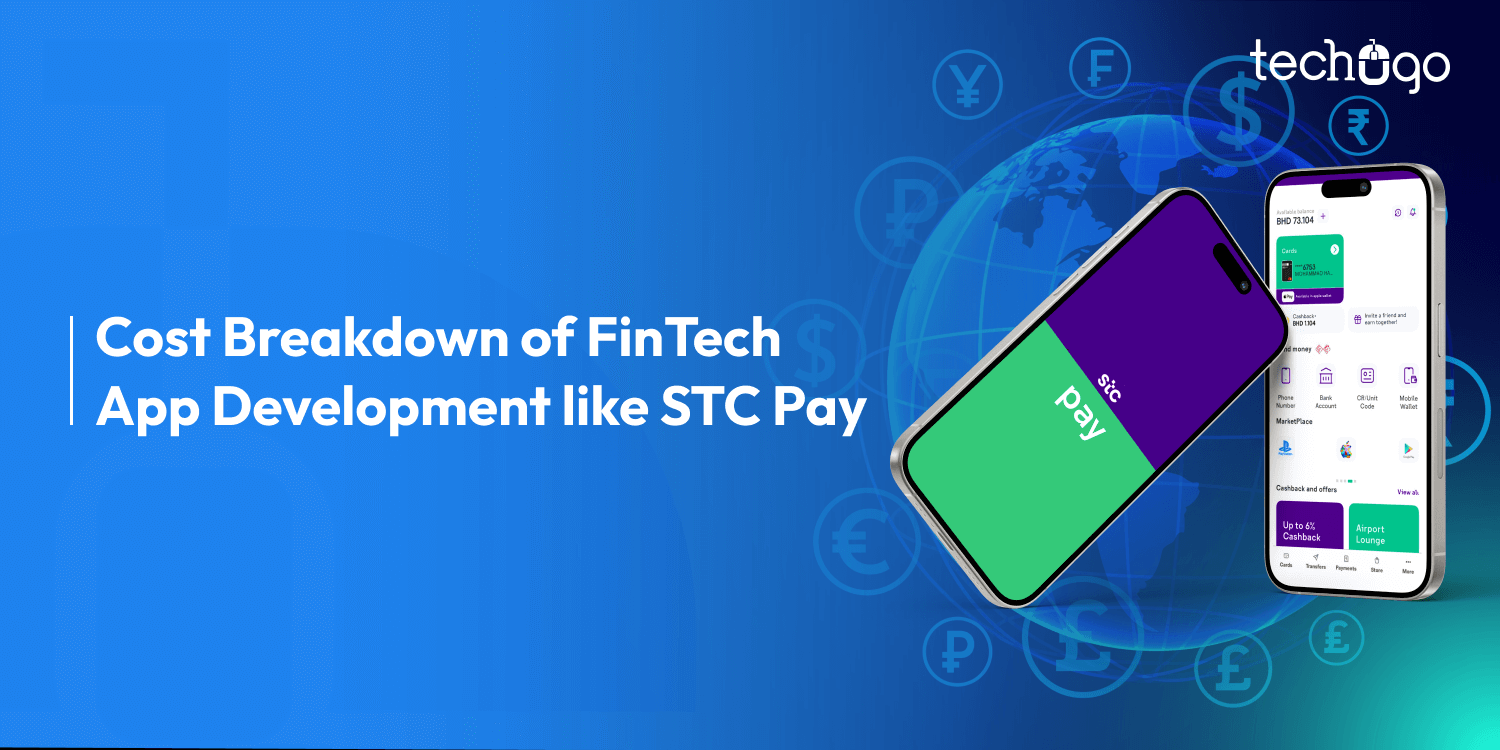
What if we told you that launching your own FinTech app like STC Pay could be the next big business move in Saudi Arabia?
That’s true because Saudi Arabia has a growing market for digital wallets like STC Pay; people are quickly replacing cash with mobile wallets. They’re sending money, paying for groceries & bills, managing finances, etc, with AI-driven fintech apps like STC Pay.
People see this as a convenience, but for businesses & entrepreneurs, it’s an opportunity, and one question that keeps lingering in their minds is – what’s the actual cost to develop a fintech app like STC Pay in Saudi Arabia?
Well, that depends on several factors: features, tech stack, payment gateway integration cost in Saudi Arabia, and how deep you want to go with AI and automation. But on average, the fintech app development cost in Saudi Arabia ranges between SAR 150,000 – 562,000 (AED 147,000 – 550,000).
So, if you’re planning to develop a basic wallet MVP or a full-fledged digital banking platform, then this blog is for you. Stick to it to know the most accurate cost to develop a fintech app like STC Pay, core features, as well as business benefits.
Suggested Read: Top Mobile App Ideas for Startups in Saudi Arabia’s Digital Economy
STC Pay is a leading digital wallet app in Saudi Arabia and was launched by Saudi Telecom Company. It helps people send, receive, and manage money easily. Whether it’s paying bills, shopping online, or sending money abroad, STC Pay makes it simple.
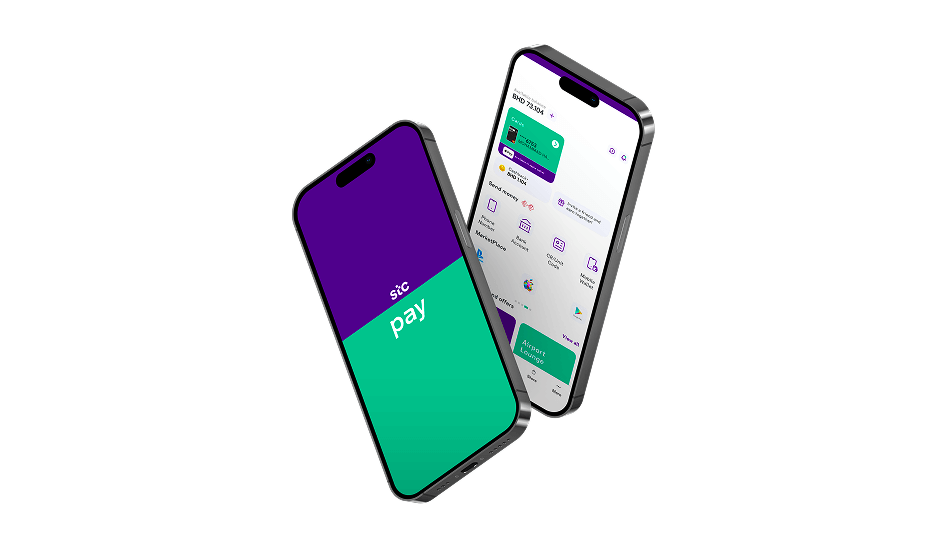
STC Pay app has 1O million+ downloads with a 4.2/5 star rating. This makes it one of the most popular FinTech apps in the region. It holds a 26% share of Saudi Arabia’s digital wallet market, processing billions of riyals annually.
This growth shows a strong demand for seamless mobile finance. In fact, the digital wallet market in Saudi Arabia is expected to grow from USD 8.85 billion in 2024 to USD 12.88 billion by 2030.
There’s a growing need for mobile banking app development, especially apps tailored for Arabic-speaking users, cross-border payments, and secure eWallet services.
STC Pay’s success sets new expectations for FinTech apps in the region. Users want instant access, low fees, full compliance, and trust.
As more businesses explore how to build a digital wallet app in the Middle East, STC Pay serves as both a roadmap and a challenge.
So, why does this matter for Saudi Arabia?
Saudi Arabia is rapidly becoming a leading hub for digital financial services. The Kingdom’s commitment to digital transformation, coupled with a tech-savvy population, is driving the adoption of digital wallets and mobile banking apps.
Smartphone penetration in Saudi Arabia stands at 97%, with mobile internet usage accounting for 99.4% of internet access.
This widespread mobile connectivity gives an ideal foundation for fintech app development services and mobile-first banking solutions that target daily financial activities such as:
People in Saudi Arabia are increasingly seeking fast, secure, and integrated financial solutions, much like STC Pay. This shift in user expectations is prompting businesses to explore opportunities to develop a fintech app like STC Pay in Saudi Arabia that aligns with local preferences and regulatory standards.
3 regional players are already capitalizing on this trend:
Despite this activity, there remains significant untapped potential. Many existing apps focus on single services, such as lending, transfers, or merchant payments. They’re missing a complete digital wallet app that offers local currency support, multi-language user experience, robust security, and scalability.
This is a golden opportunity for businesses to enter the market. With the right strategy and a reliable fintech app development company in the UAE, like Techugo, it’s possible to launch a scalable digital wallet or fintech app in Saudi Arabia that resonates with the users and complies with the Kingdom’s fintech regulations.
Let’s come to the real question – fintech app development cost.
Figuring out the fintech app development cost is a key step before building your platform. Whether you’re planning your app in Riyadh, Dubai, or Doha, costs can vary based on features, team size, compliance requirements, and localization.
Here’s a detailed, region-specific breakdown of the cost to develop a fintech app like STC Pay in USD, AED, and SAR:
| Development Steps | Cost (SAR) | Cost (AED) | Cost (USD) |
| Planning & Design | SAR 30,000 – 68,000 | AED 29,000 – 66,000 | USD 8,000 – 18,000 |
| Development (Frontend/Backend) | SAR 68,000 – 281,000 | AED 66,000 – 275,000 | USD 18,000 – 75,000 |
| Payment Gateway Integration | SAR 11,000 – 38,000 | AED 11,000 – 37,000 | USD 3,000 – 10,000 |
| Security & Compliance | SAR 15,000 – 56,000 | AED 15,000 – 55,000 | USD 4,000 – 15,000 |
| QA & Testing | SAR 11,000 – 38,000 | AED 11,000 – 37,000 | USD 3,000 – 10,000 |
| Launch & Maintenance | SAR 15,000 – 45,000 + recurring | AED 15,000 – 45,000 + recurring | USD 4,000 – 12,000 + 15–20% yearly |
| Total | SAR 150,000 – 562,000 | AED 147,000 – 550,000 | USD 40,000 – 150,000 |
So, the estimated cost to develop a fintech app like STC Pay ranges between SAR 150,000 – 562,000 (AED 147,000 – 550,000).
This budget covers the full cycle of fintech app development services, from ideation to launch. It includes:
Working with a trusted fintech app development company in the UAE guarantees quality as well as regulatory alignment and faster time-to-market. Every single penny invested in secure architecture prevents costly rework or penalties later.
In today’s Saudi fintech market, smart budgeting matters more than big budgets. A well-planned investment lets you launch confidently and scale efficiently.
Developing a fintech app like STC Pay means offering features that users in Saudi Arabia and the GCC actually need, so that users fall in love with your app. Here’s what each feature does, why it matters, and how much it costs.
| Feature | Cost (SAR) | Cost (AED) | Cost (USD) |
| User Registration & KYC | SAR 11,000 – 30,000 | AED 11,000 – 29,000 | USD 3,000 – 8,000 |
| Wallet Management & P2P Transfers | SAR 19,000 – 45,000 | AED 18,000 – 44,000 | USD 5,000 – 12,000 |
| Bill Payments & Recharge | SAR 15,000 – 38,000 | AED 15,000 – 37,000 | USD 4,000 – 10,000 |
| Payment Gateway Integration | SAR 11,000 – 38,000 | AED 11,000 – 37,000 | USD 3,000 – 10,000 |
| Multi-Currency Support & FX | SAR 13,000 – 34,000 | AED 13,000 – 33,000 | USD 3,500 – 9,000 |
| AI Chat-Assistant in Wallet | SAR 23,000 – 56,000 | AED 22,000 – 55,000 | USD 6,000 – 15,000 |
| Security & Compliance | SAR 15,000 – 45,000 | AED 15,000 – 44,000 | USD 4,000 – 12,000 |
| Push Notifications & Alerts | SAR 7,500 – 19,000 | AED 7,500 – 18,000 | USD 2,000 – 5,000 |
| Analytics & Admin Dashboard | SAR 11,000 – 30,000 | AED 11,000 – 29,000 | USD 3,000 – 8,000 |
| Loyalty & Cashback Features | SAR 9,000 – 23,000 | AED 9,000 – 22,000 | USD 2,500 – 6,000 |
The first impression matters. A smooth user registration process, combined with KYC verification, ensures that your users can sign up quickly and securely. This is crucial for trust and compliance in Saudi Arabia. Without proper KYC, your fintech app development can face regulatory headaches.
At the heart of any digital wallet app is the ability to store, send, and receive money instantly. P2P transfers let users move funds to friends, family, or other accounts with a tap. This feature drives daily engagement and keeps your fintech app like STC Pay relevant in a market where people expect instant payments.
People love convenience. Integrating utility bill payments, mobile top-ups, and other recurring payments into your app makes it part of their daily routine. This feature is essential for any digital wallet app in Saudi Arabia, especially as cashless payments grow.
Your app’s lifeline is smooth payments. Integrating local banks and payment APIs ensures users can complete transactions without hiccups. This feature contributes heavily to fintech app development cost in Saudi Arabia, as security and compliance must be airtight.
If your app aims to handle cross-border transactions, multi-currency support is a must. Users should be able to transfer money internationally without worrying about conversion headaches. This is a key feature for any AI-driven fintech app targeting Saudi Arabia’s growing expatriate population.
Smart features win hearts. An AI chat-assistant in wallet can answer questions, provide budgeting advice, and even alert users about unusual transactions. Integrating AI boosts engagement and makes your app stand out among digital banking trends in Saudi Arabia.
Nothing scares users more than a security breach. Strong encryption, fraud detection, and adherence to Saudi fintech regulations are non-negotiable. Every fintech app like STC Pay must prioritize this to protect users and avoid fines.
Keep users in the loop. From transaction updates to bill reminders and promotions, push notifications improve engagement and retention. This is a simple but powerful feature for any mobile app development company in Saudi Arabia that builds fintech solutions.
For businesses, data is everything. An analytics dashboard tracks user behavior, monitors transactions, and gives insights into app performance. This helps fintech startups and enterprises optimize their apps and scale efficiently.
Reward your users and keep them coming back. Cashback, points, or discounts encourage repeat usage and loyalty. Most top fintech app development companies in Saudi Arabia integrate this to boost retention and overall ROI.
Breaking down the cost to develop a fintech app by feature helps you plan your fintech app development smartly. Start with core functionalities for your MVP, and then scale with advanced features like AI chat-assistants, multi-currency wallets, and payment gateway integrations to create a full-fledged digital wallet app that users love.
Getting your own fintech app like STC Pay is a serious business opportunity. If you’re targeting Riyadh, Dubai, or the wider Middle East, your app will require a solid monetization strategy that can drive ongoing revenue while keeping users’ trust intact.
The good news? Fintech apps offer multiple revenue streams.
If you spend on fintech app development and want to recover the entire cost, look at the most effective models used by the top digital wallet and mobile banking apps in Saudi Arabia and the GCC:
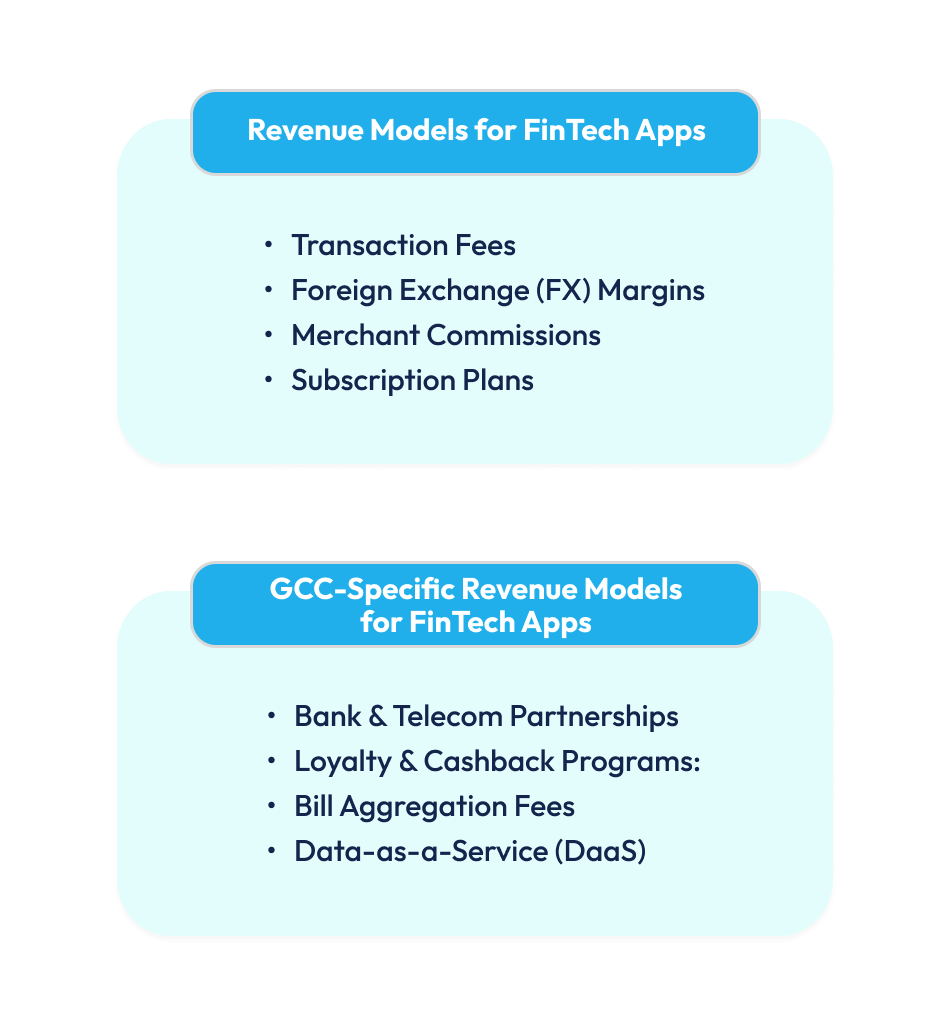
Charge small fees on P2P transfers, bill payments, or withdrawals. This keeps the app free for users while generating consistent income. STC Pay uses this model effectively to cover operational costs.
Apps handling international transfers or currency exchange can add a small margin over interbank rates. This is especially lucrative in the UAE and Saudi Arabia, where remittance volumes are high.
Earn a percentage from in-app purchases or QR/NFC payments. Many fintech apps now include merchant dashboards to support this model and boost B2B revenue.
Offer premium features like higher transfer limits, instant loans, or VIP support under monthly or yearly plans. This turns active users into paying customers.
The Middle East opens doors for region-tailored monetization:
Top fintech app development companies in Saudi Arabia and the UAE integrate these models into the app architecture. This allows apps to start monetizing from day one while staying fully compliant and user-friendly.
The fintech revolution in Saudi Arabia and the Middle East is moving faster than ever. Players like STC Pay, Tabby, Tamara, Payit, and LuLu Money are redefining digital finance with user-first designs and strong compliance foundations.
Before you plan your own fintech app development in Saudi Arabia, it’s smart to know what’s already working in the market and where they still fall short. This can help you carve your niche.
| Feature / Platform | STC Pay | Tabby | Payit (FAB) | LuLu Money | Tamara |
| P2P Transfers | ✔ | 🗙 | ✔ | ✔ | 🗙 |
| Bill Payments | ✔ | 🗙 | ✔ | ✔ | 🗙 |
| Remittances | ✔ | 🗙 | ✔ | ✔ | 🗙 |
| QR Code Merchant Pay | ✔ | 🗙 | ✔ | 🗙 | 🗙 |
| Loyalty / Rewards | ✔ | ✔ | ✔ | 🗙 | ✔ |
| BNPL (Buy Now Pay Later) | 🗙 | ✔ | 🗙 | 🗙 | ✔ |
| Digital Onboarding | ✔ | ✔ | ✔ | ✔ | ✔ |
| Bilingual UX (AR/EN) | ✔ | ✔ | ✔ | ✔ | ✔ |
| AI Personalization | 🗙 | 🗙 | 🗙 | 🗙 | ✔ |
| Regulatory Compliance (SAMA / CBUAE) | ✔ | 🗙 | ✔ | ✔ | ✔ |
STC Pay leads the Saudi fintech scene with multi-functional services, strong compliance, and a user-friendly Arabic-first interface. It supports P2P transfers, bill payments, international remittances, and QR-based merchant payments, all within one secure app.
Tabby is redefining online payments through Buy Now, Pay Later (BNPL) services, giving shoppers flexibility to split purchases into interest-free installments. The app’s simplicity and partnerships with top retailers have made it a go-to solution for eCommerce payments.
Built by First Abu Dhabi Bank, Payit is a digital wallet app that connects directly with government services and B2B ecosystems. It supports money transfers, bill payments, and salary disbursement for employees.
LuLu Money caters mainly to expats in the UAE and Saudi Arabia, offering fast global remittance services. It’s easy to use, multilingual, and great for international transactions.
Tamara, a Saudi-born BNPL platform licensed by SAMA, has become a fintech powerhouse across KSA, UAE, and Kuwait. It combines transparent installment options, a clean interface, and localized financial tools to meet modern consumer needs.
Opportunities in Saudi Arabia and the Middle East
Payments are not enough. Businesses in Saudi Arabia now want intelligent fintech apps that combine real-time lending, embedded finance, and AI chat-assistants within secure, compliant ecosystems.
Since investment in fintech app development is rising in Saudi Arabia, now is the perfect time to build a fintech or digital wallet app that goes beyond what STC Pay offers. One that focuses on personalization, loyalty, and business onboarding.
Choosing the right fintech mobile app development company in Saudi Arabia or UAE gives your product a regional advantage. Your app will be innovative, compliant, and have bilingual UX for maximum impact.
Tech, compliance, a solid strategy, as well as experience, are all required to develop a fintech app in Saudi Arabia that users can truly trust. You must partner with a team that understands local banking rules, secure APIs, and Arabic-first design.
Here’s what a trusted fintech development company should offer to you or what you can expect –
The right fintech app development company in Saudi Arabia helps you go beyond just features. It helps you build trust, compliance, and long-term growth from day one. This is where Techugo stands apart from other companies.
Techugo is not just another mobile app development company in Saudi Arabia, Riyadh. It’s also a trusted technology partner for startups, banks, and enterprises building digital wallets, next-gen fintech apps, and platforms across the Middle East.
Here’s why fast-growing businesses in Saudi Arabia, Dubai, UAE, and the entire Middle East are choosing us:
Developing a fintech app like STC Pay in Saudi Arabia requires regional understanding, financial expertise, and a secure tech foundation. Hire fintech app developers in Saudi Arabia from Techugo to turn your concept into a scalable, trusted digital product.
Suggested Read: The Secrets to Hiring the Top Mobile App Developer in Saudi Arabia
In Saudi Arabia, leading fintech apps include STC Pay, Tamara, Tabby, Payit by FAB, and LuLu Money. These platforms offer a range of services such as digital wallets, Buy Now Pay Later (BNPL) options, and international remittances, catering to the diverse financial needs of users in the region.
The cost of developing a fintech app in Saudi Arabia varies based on complexity and features. On average, businesses should expect to invest starting from around SAR 25,000 (approximately USD 6,000). Factors influencing cost include app functionality, integrations, and compliance requirements.
A successful fintech app in the Middle East should offer:
These features ensure the app meets regional user expectations and regulatory standards.
Fintech startups in Saudi Arabia can ensure regulatory compliance by:
Partnering with experienced fintech app developers familiar with these regulations can streamline the compliance process.
Opting for a local fintech mobile app development company in Saudi Arabia offers:
This localized approach ensures the app resonates with users and adheres to all necessary standards.
As the fintech industry in Saudi Arabia and the Middle East continues to grow, now is the time to launch your own digital wallet or mobile banking app.
By now, you’ve learned about the fintech app development process, key features, and estimated costs to create an app like STC Pay.
Now, partnering with a trusted fintech mobile app development company in Saudi Arabia is essential because AI-driven fintech apps, seamless payment integrations, and personalized user experiences are the next big things in the fintech future.
You must collaborate with experts to turn your idea into a secure, scalable, and feature-rich fintech app, and take your business to the next level. If ready, or even if not, let’s have a FREE discussion on this with our experts. Contact us now.

As the rate of energy consumption in mature and emerging markets drives the new phase, it has become evident to understand the benefits that IoT is br..

Do you think that building a fintech app like Citi Mobile requires a huge investment? What if we told you that you simply need $30K to get started? Ye..


Write Us
sales@techugo.comOr fill this form