

 SA
SA
 KW
KW
 IE
IE AU
AU UAE
UAE UK
UK USA
USA
 CA
CA DE
DE
 QA
QA ZA
ZA
 BH
BH NL
NL
 MU
MU FR
FR













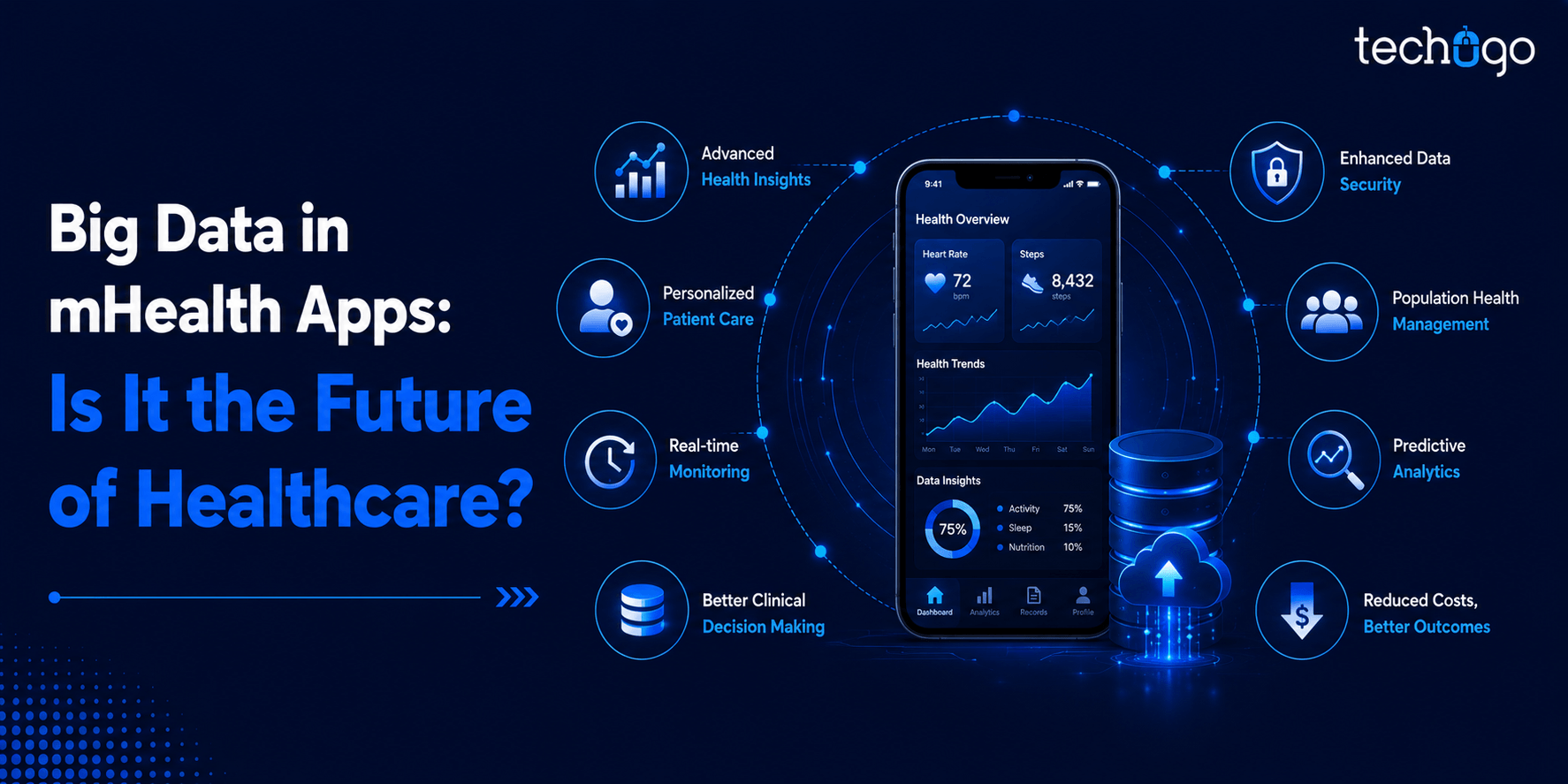


📌 Key Takeaways
- Big Data helps mHealth apps deliver personalized healthcare experiences.
- Real-time health data improves monitoring and patient care.
- Big Data enables predictive analytics for better healthcare decisions.
- Wearables and connected devices increase health data collection.
- Data security and privacy are crucial in mHealth applications.
mHealth apps are not just a supporting layer in healthcare. They have become a core part of how patients connect with doctors, track health, and manage long-term conditions through digital health apps and remote patient monitoring systems.
According to Grand View Research, the global mHealth market is valued at over USD 80 billion in 2025 and is expected to continue expanding rapidly over the next decade, driven by rising adoption of wearable devices, telemedicine apps, and healthcare analytics platforms.
Reports from MarketsandMarkets also indicate strong momentum toward multi-hundred-billion-dollar valuation by 2030, fueled by data-driven healthcare transformation.
At the center of this shift lies big data in mHealth apps, which is reshaping how healthcare systems operate. From predictive insights to real-time patient monitoring, big data is helping reduce costs, improve accuracy, and enhance patient outcomes. This is where healthcare analytics and intelligent app ecosystems are quietly changing the future of care delivery.
Why big data should be considered an incredible solution for healthcare?
Healthcare is fundamentally about understanding diseases, identifying patterns, and delivering the right treatment at the right time. But achieving this level of precision requires large volumes of reliable information. This is where big data in healthcare plays a transformative role.
Big data enables the processing of both structured and unstructured medical information from multiple sources such as electronic health records, wearable devices, diagnostic systems, and mHealth apps. By analyzing this vast dataset, healthcare systems can uncover hidden patterns, predict risks earlier, and support more accurate clinical decisions.
One of the most impactful outcomes of this data-driven approach is in chronic disease management. Conditions like diabetes, cardiovascular disorders, and respiratory illnesses require continuous monitoring and long-term care. Big data helps in building predictive models that improve treatment planning, reduce complications, and support more personalized care strategies.
Beyond treatment, healthcare is gradually shifting toward a preventive model. With advanced healthcare analytics and predictive insights, medical professionals can identify risk factors earlier and take proactive steps to improve patient outcomes. This shift is redefining how care is delivered, making it more efficient and outcome-focused.
Overall, big data is not just improving healthcare operations. It is reshaping the entire ecosystem. From better diagnostics to cost optimization and smarter decision-making, it is enabling a more connected and intelligent healthcare future powered by digital health apps and mHealth innovation.
The world of mHealth apps
Over the period of time the world of mHealth apps has seen a great deal of explosion, leading to more number of different types of apps to come into existence. Below are some of the examples that clearly show how beautifully different segments of health are getting monitored by the Big Data that is driving the cycle of mHealth apps.
Let’s read ahead…
Virtual nurses
As we all know that NLP advancement has led to the development of virtual nurses that work as a companion for the patients, and show reminders, and also provide answers to their queries. Here app technology adapts the negative and positive patterns with big data analysis. Also, big data is further useful in creating conversational nursing bots, helping patients to get the assistance of their much-needed queries.
Patient-doctor apps
Smartphones are being used everywhere, and the usage of it has brought seamless convenience to the users. This can help the doctors and patients to create a passage where doctors can monitor their patients with the help of technology. And this is a blessing to cherish amid COVID-19. With the help of Big Data, the existing records can be analyzed in clusters to monitor the drug efficiency and find new treatment plans.
Chronic diseases monitoring
Chronic diseases such as cancer, AIDS, and others, have health records that help in getting sufficient information for machine learning models. This data can be used on the app technology, to create accurate algorithms for most cases. With these apps, patients can log their treatments and receive advice on how to manage their condition’s side-effects for a better living.
To manage the data in abundance, Big Data technology comes handy and gives the most efficient solution.
Fitness tracking devices
The value and worth of fitness tracking devices are not hidden from anyone. These devices help the wearers to keep track of their eating and fitness habits to prevent health issues. Further, with these devices, the monitoring becomes easier, as the sensors fitted into these gadgets measure heartbeats, blood oxygen levels, glucose levels, and other vital signs. But have you ever thought about how these devices work?
Well, the recommendation provided by these devices is based on the millions of data points they have access to. The integration of Big data analysis helps in identifying different patterns pertaining to the effective dietary and exercise combinations for every user profile.
The pattern is analyzed to provide an accurate recommendation that further helps in offering the right solution to the users.
Benefits of big data in mhealth apps (2026 perspective)
In 2026, mHealth apps are no longer just tracking tools. They have evolved into intelligent health systems powered by real-time data, AI, and predictive analytics. Big data sits at the core of this shift, helping healthcare move from reactive care to proactive and preventive care.
1. Real-time health monitoring becomes truly intelligent
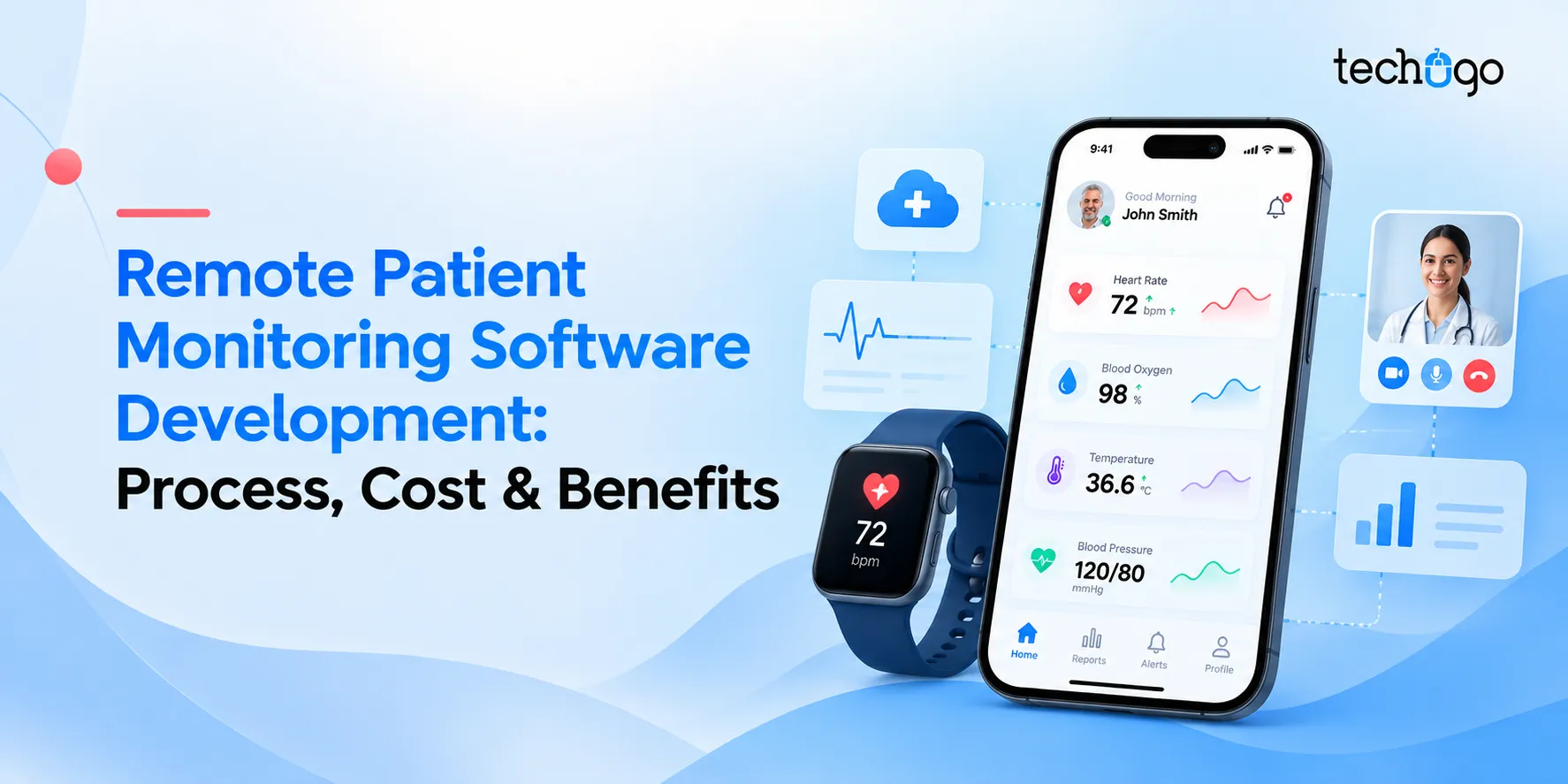
With wearables, IoT devices, and app integrations, big data enables continuous health tracking. Instead of static reports, apps now process live data streams to detect anomalies instantly, such as irregular heart rate patterns or sudden glucose spikes.
2. Predictive diagnosis and early risk detection
One of the biggest advantages is predictive capability. By analyzing historical patient data, lifestyle patterns, and clinical records, mHealth apps can flag early risk indicators for conditions like diabetes, cardiovascular diseases, or respiratory issues—often before symptoms become severe.
3. Highly personalized treatment plans
No two patients are treated the same anymore. Big data helps apps build personalized care recommendations based on user history, genetics, behavior patterns, and response to previous treatments. This improves treatment accuracy and outcomes.
4. Smarter chronic disease management
For long-term conditions like cancer, asthma, or hypertension, big data enables continuous monitoring and adaptive care models. Patients can receive timely alerts, medication reminders, and lifestyle recommendations tailored to their condition progression.
5. Reduced hospital burden and readmissions
By shifting care from hospitals to mobile devices, mHealth apps powered by big data reduce unnecessary hospital visits. Early intervention and remote monitoring help prevent complications, lowering readmission rates significantly.
6. Faster medical research and drug development
Aggregated and anonymized healthcare data helps researchers identify trends faster. This accelerates clinical studies, drug discovery, and treatment innovation by providing large-scale real-world evidence.
7. Improved public health and epidemic forecasting
Big data in mHealth apps also plays a crucial role at the population level. It helps detect outbreak patterns, monitor disease spread, and support early warnings for epidemics, making healthcare systems more prepared.
Key challenges in big data healthcare adoption
While big data is transforming mHealth apps and modern healthcare systems, its adoption is not without friction. In 2026, healthcare organizations are still navigating several structural, technical, and ethical challenges that slow down full-scale implementation.
1. Data privacy and security concerns
Healthcare data is extremely sensitive. With mHealth apps collecting everything from vitals to medical history, the risk of breaches increases. Ensuring compliance with data protection standards and maintaining end-to-end encryption remains a major challenge for healthcare app systems.
2. Integration with legacy healthcare systems
Many hospitals still rely on outdated infrastructure. Integrating big data platforms with legacy electronic health records (EHR) systems is complex, time-consuming, and often expensive. This lack of interoperability creates data silos that reduce efficiency.
3. Data quality and standardization issues
Big data is only valuable if it is accurate and consistent. In healthcare, data often comes from multiple sources like wearables, labs, and hospitals. Without proper standardization, inconsistencies can lead to incorrect insights or flawed predictions.
4. High infrastructure and operational costs
Processing large volumes of healthcare data requires advanced cloud infrastructure, storage systems, and high-performance computing. For many healthcare providers, especially smaller ones, the cost of implementing big data systems can be a significant barrier.
5. Regulatory and compliance complexity
Healthcare regulations vary across regions and continue to evolve. Meeting compliance requirements while handling large-scale data processing adds another layer of complexity for mHealth app development and deployment.
6. Shortage of skilled professionals
There is still a gap between demand and availability of skilled data scientists, healthcare AI engineers, and analytics experts. Without the right talent, even advanced systems fail to deliver meaningful outcomes.
7. Ethical concerns around data usage
Beyond security, ethical questions also arise such as how patient data is used for AI training, predictive modeling, or commercial research. Transparency and patient consent are becoming increasingly important in healthcare analytics.
Final thoughts
We cannot ignore the facts and risks that are related to healthcare technology, wherein the app developers need to keep a strong check on the patient data privacy and the quality of the advice provided.
However, these obstacles can be overcome with the help of an efficient app developers team at Techugo, a trusted healthcare development company, who would include their expertise to make the mHealth apps indispensable digital extensions of your business model.
If you’re ready to make a difference in your healthcare domain, then do not hesitate to reach us. We’d love to hear your idea, and share our views to make it a REAL-WORLD product.
Give us a call today and secure a FREE 30 min app consultation.
FAQ
Q 1: What is Big Data in mHealth apps?
A: Big Data in mHealth apps refers to the collection, analysis, and management of large healthcare datasets generated from apps, wearables, and connected devices.
Q 2: How does Big Data improve mHealth applications?
A: Big Data helps mHealth apps provide personalized care, predictive insights, real-time monitoring, and improved healthcare decision-making.
Q 3: Why are wearables important for mHealth apps?
A: Wearables collect real-time health metrics such as heart rate, activity levels, sleep patterns, and other patient data for better monitoring.
Q 4: Is data security important in mHealth apps?
A: Yes, data security is essential because mHealth apps handle sensitive patient information and must ensure privacy and compliance.
Q 5: What technologies support Big Data in mHealth apps?
A: Technologies like AI, IoT, cloud computing, analytics platforms, and wearable integrations support Big Data implementation in mHealth apps.

Get in touch
We'd love to hear from you.