

 SA
SA
 KW
KW
 IE
IE AU
AU UAE
UAE UK
UK USA
USA
 CA
CA DE
DE
 QA
QA ZA
ZA
 BH
BH NL
NL
 MU
MU FR
FR















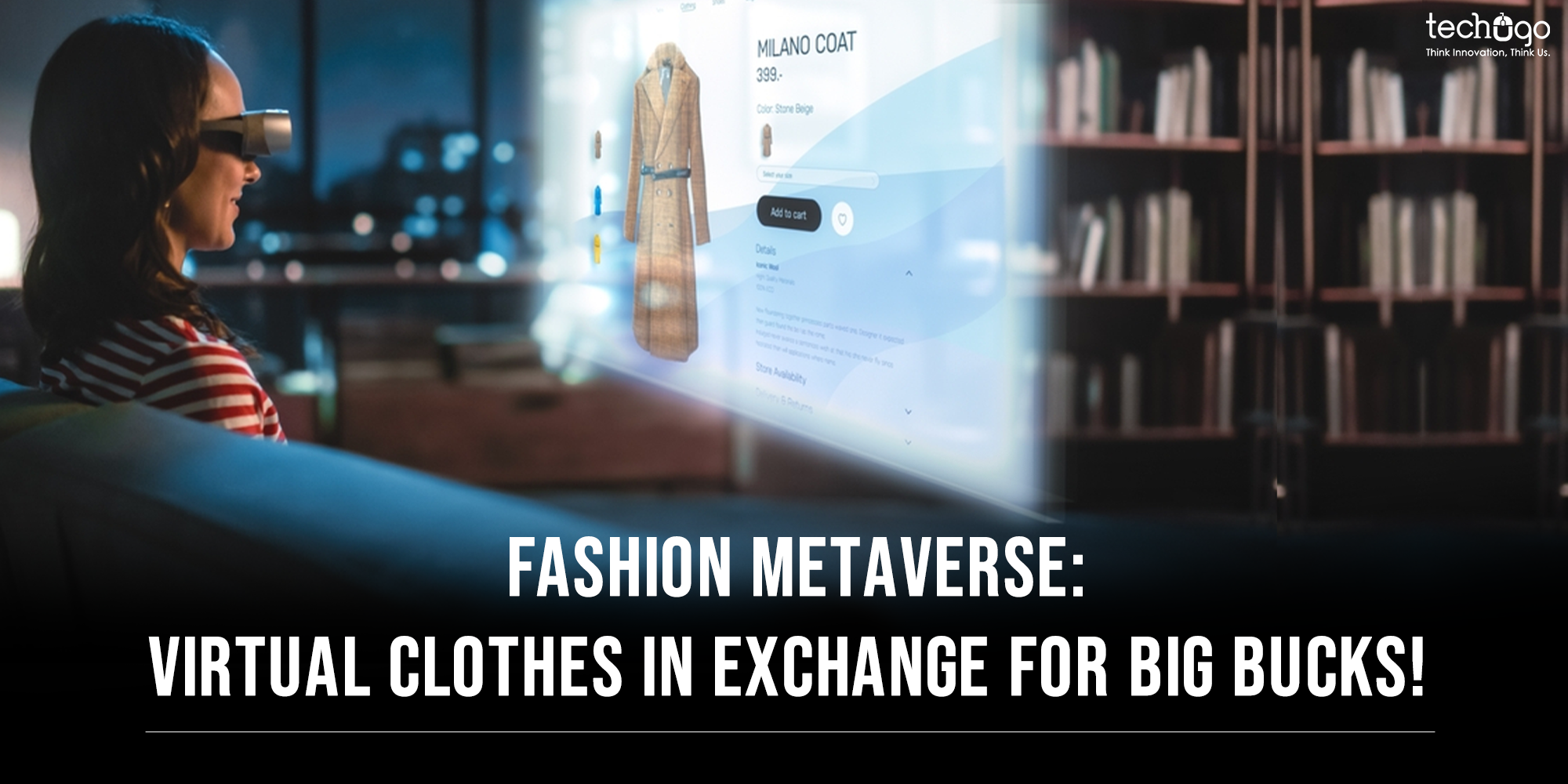


Who thought that a pandemic could turn our world upside down! Undoubtedly, COVID-19 has significantly impacted everyone’s lives, including the shutdown of brick-and-mortar stores overnight. Thus, began the DIGITAL journey of businesses as they made their presence online.
Since we were locked in our homes for over a year, we are the biggest witness to the changing world, from shopping to entertainment. Today, this shift has grown further into immersive digital ecosystems, where metaverse fashion, virtual clothing, and digital assets are redefining consumer behavior.
The digital age also pushed designers to experiment and bring together a vision of reality and fantasy.
Did you not understand?
In short, THE FUTURE IS HERE, and in 2026, it is more immersive, monetized, and experience-driven than ever before.
We all are familiar with the fact that the fashion industry is popularly known for its creative risk-taking. Big labels, global brands, and fashion startups have now set their goals on the metaverse fashion industry, entering a digital universe powered by AR, VR, blockchain, and NFTs.
About Metaverse
In simple words, the Metaverse is the blurred boundary between virtual and non-virtual worlds. It is an experience where users can immerse themselves in digital environments for entertainment, social interaction, commerce, and even earning money.
One of the massive early examples is a digital concert hosted by Fortnite in collaboration with Travis Scott, attracting more than 45 million viewers.
Fast forward to 2026, and such experiences have grown into fully immersive virtual worlds powered by VR app development and real-time interaction layers.
Unquestionably, the audience is now willing to spend money on virtual goods and services. Therefore, talking about the fashion industry, prominent designers and luxury brands have already established their presence in the digital fashion economy.
Another tremendous example is a Gucci handbag digital edition that got sold for about $4,115 on Roblox as an in-game accessory.
Isn’t it jaw-dropping?
From Clothing to Pixels: A Digital Boom
Have you heard about the term ‘hyper-realistic’ fashion?
It is a visual portrayal of clothing brought to life by the utilization of 3D software, AI, and immersive technologies. Today, brands are leveraging virtual try-ons, digital wardrobes, and avatar-based fashion experiences.
Notably, fashion houses are now intriguing Gen Z and Gen Alpha with their new approach – ‘buy-wear-post-dispose.’
Need a testament?
The virtual sneakers of Gucci remain one of the earliest signals of how digital fashion demand would explode. In 2026, this has evolved into entire digital fashion marketplaces and NFT-based ownership models.
What’s more? The fashion metaverse acts like the missing piece of the sustainability puzzle, eliminating physical waste and enabling eco-friendly fashion innovation.
How Businesses Are Making Money in the Fashion Metaverse (2026 Update)
The fashion metaverse is no longer just about experimentation—it has become a serious revenue channel for brands across the globe.
In 2026, businesses are not just creating digital clothing, they are building entire monetization ecosystems around them.
Here’s how:
1. NFT-Based Digital Fashion Sales
Brands are launching exclusive virtual collections as NFTs, allowing users to own, trade, and resell digital outfits. This creates a new layer of scarcity and value in the digital world.
2. Virtual Fashion Shows & Events
Fashion shows are no longer limited to physical runways. Brands now host immersive virtual shows inside metaverse platforms, reaching millions globally without logistical constraints.
3. Avatar Customization & Skins
Users are spending heavily on customizing their digital identities. From luxury outfits to limited-edition skins, avatar fashion has become a booming micro-economy.
4. Brand Collaborations in Virtual Worlds
Luxury brands are partnering with gaming platforms and metaverse ecosystems to launch co-branded digital products, increasing visibility and engagement.
5. Digital-First Fashion Brands
A new category of brands exists purely in the metaverse, with no physical inventory—reducing cost while maximizing creative freedom.
For businesses looking to enter this space, collaborating with a technology partner experienced in immersive solutions can make a significant difference in execution and scalability.
The whole mechanism isn’t as simple as it sounds, though. Despite exceptional functionality and benefits, there are a few concerns that still need attention, especially in today’s scaled metaverse ecosystems. So, what’s the stumbling block?
Keep reading to know.
Piracy: A Concern That Needs High Attention
Now that you’re well familiar with the term Metaverse and the fine thin line between virtual and non-virtual clothing, it’s time to pay attention to the pitfalls.
There are likely to be two scenarios- First, a brand comes up with digital clothing without a real counterpart. Second, the existing physical clothing of a brand is transformed into the digital one.
Situation 1
Talking about the first scenario, there remains a doubt about the original creator of the digital product. Furthermore, since the clothing pieces purchased from a store have their authenticity label, there’s no proof or label attached to the hyper-real fashion.
Moreover, the design can be replicated, which can become a huge threat to the designers or brands in the digital fashion marketplace.
The Solution
Brands can utilize Non-Fungible Tokens (NFTs), a blockchain-based mechanism that ensures authenticity and ownership.
The NFTs cannot be traded for any equal value replacement. Additionally, they hold a unique identification code that cannot be imitated and acts like a digital authenticity certificate, just like the garments purchased from a physical store.
This is where partnering with a blockchain app development company becomes essential, as businesses require secure infrastructure to mint, manage, and trade digital assets.
Additionally, suppose a designer wishes to maintain the exclusivity of the garment. In that case, they can sell the NFT-certified piece, enabling the customer to enjoy the benefits of the limited-edition product.
Isn’t it intriguing?
Situation 2
Another concern is the digitization of an existing piece of clothing. Sure, the brand holds the ownership of the existing physical clothing; however, once it is digitized, the brand no more holds the ownership of the new version.
So, how would a brand retain the ownership of digitized products?
The Solution
Evidently, the brand will pass their physical products to the 3D designer for digitization; therefore, the designers will become the owner.
If the brand wants to retain the ownership, the two parties will have to sign a contract that enables ownership of the digital design to lie with the brand after the process.
In case the brand is working with multiple agencies for digitization, a license agreement will have to be signed by them all, defining their relationship with the brand.
Fashion Metaverse in 2026: What Does the Future Hold?
The fashion metaverse continues to evolve rapidly, but it also raises concerns around data privacy, digital identity, and user ownership.
Brands must ensure they only collect necessary data and maintain transparency in how it is used.
It is equally important for businesses to deeply understand technologies like AI, blockchain, AR/VR, and digital twins before integrating them into their fashion ecosystems.
Moreover, detailed legal agreements and compliance frameworks are no longer optional—they are foundational.
Undoubtedly, technology is growing rapidly, and the fashion industry boom continues to encourage experimentation. From virtual fashion shows to avatar styling and NFT wearables, the opportunities are massive.
However, innovation without regulation can create long-term risks.
Conclusion: The Business of Digital Fashion Has Just Begun
The fashion metaverse is a growing digital economy, and brands that adapt early are not just experimenting; they are building new revenue streams, engaging global audiences, and redefining ownership as well.
So, what is your take on industries adopting such advanced technologies?
Are you planning to integrate metaverse, blockchain, or immersive tech into your business model?
Now is the time to act.
Techugo helps businesses transform their ideas into powerful digital solutions. Whether it’s building immersive virtual experiences, integrating NFT-based ownership models, or developing scalable metaverse platforms, the team ensures every solution is aligned with your business goals.
Connect with our technology experts, validate your idea, and step into the future of digital innovation.

Get in touch
We'd love to hear from you.