

 SA
SA  KW
KW  IE
IE AU
AU UAE
UAE UK
UK USA
USA  CA
CA DE
DE  QA
QA ZA
ZA  BH
BH NL
NL  MU
MU FR
FR 














Have you ever zoomed in on a location on Google Maps and clicked over to that 3D view just to get a sense of how it looks up close before visiting? That brief idle moment of curiosity—when you attempt to picture yourself standing there, already indicates how potent visual exploration can be.
Now imagine taking that experience several steps further. Instead of watching a static 3D map, you’re wandering through a hotel lobby, investigating a beach resort, or meandering down the streets of a new city, all before you book your trip.
That’s exactly where Virtual Reality is revolutionizing the travel and tourism sector. It is a perfect way to connect between imagination and reality, enable users to have a real-like immersive feeling which is much more than photos and videos.
For travel companies, it isn’t merely a technology update, they’ve just been handed one of the most compelling marketing tools of all time. Because when people are able to “experience” a destination before they buy it, they don’t just come away informed, they get convinced.
What is VR in Tours and Travel?
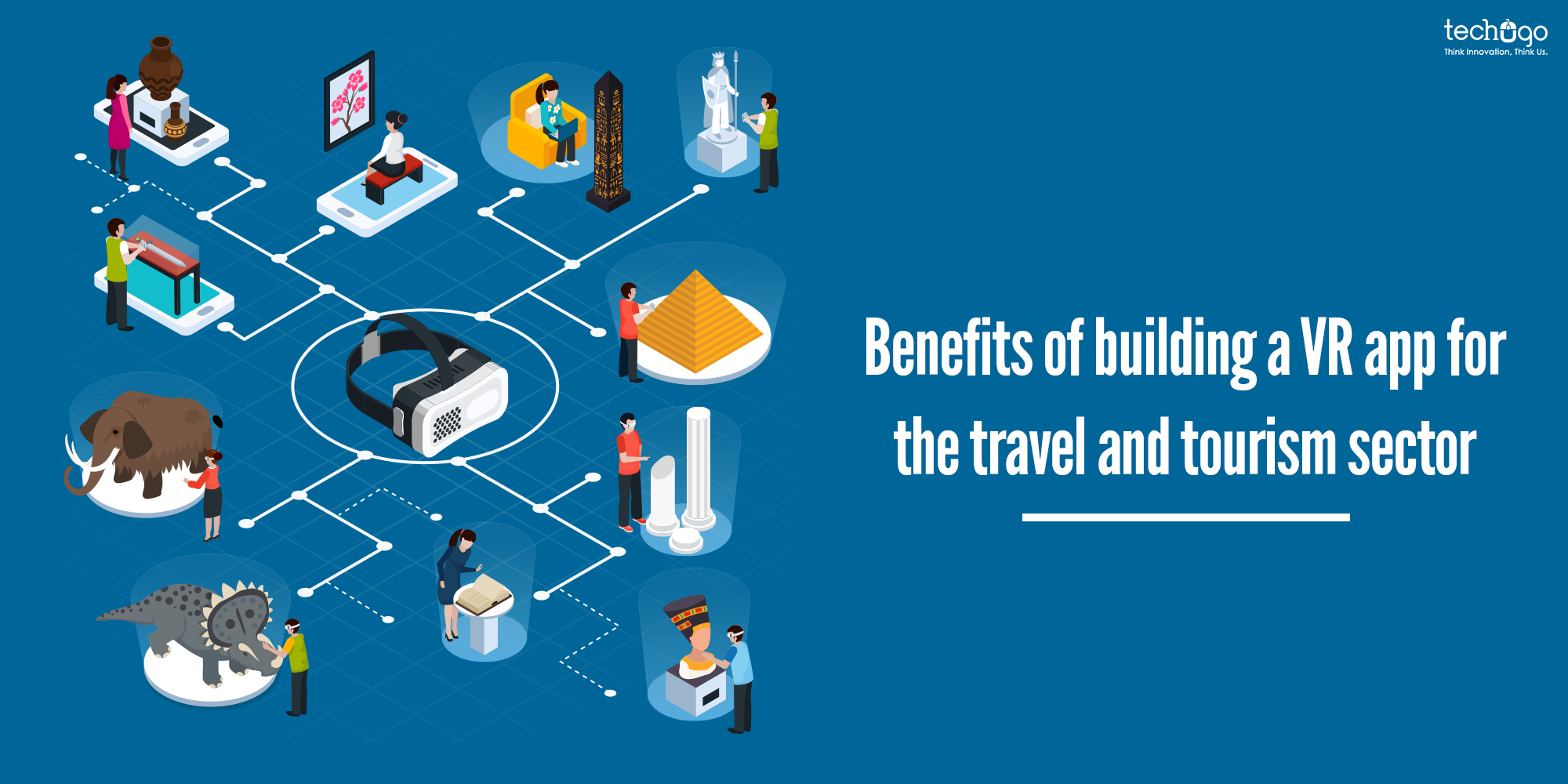
Virtual Reality offers power to the tourism and travel sector, to engage and entice potential customers. Indeed, the charm it creates is much more than any expensive travel brochure, and it paves a way for the prospective travel customer to get indulged with a 3D interactive experience. Now, it is very much possible for the traveler to make a smart decision and walk through the streets of Turkey and explore Topkapi Palace, and check the beauty of the destination.
In simple words, Virtual Reality is one of the effective promotional and advertising tools, enabling travel brands to offer a 360-degree video tour of hotel and destination, to divert prospects into the booking window.
In 2026, VR in travel and tourism is no longer just an innovation—it has become a key part of digital tourism transformation, immersive travel experiences, and virtual destination marketing strategies, enabling brands to showcase their offerings in a more engaging and memorable way.
What you can explore with a VR app for your travel & tourism business?
Try before you buy
Well, this very concept is very popular in the e-commerce sector, but VR has made it possible for the travel and tourism sector as well. It allows potential customers to explore the destination first before making a booking. It further gives an option to the users to get engaged with an interactive map within the VR app, to pinpoint directions, routes, and places of interest to your customers. It also gives them an option, to showcase the hotel resort or tour, to engage users and book the room, and worth to mention but it clearly conveys a message to your users that your travel company is transparent and authentic.
Give values to travelers
With a Virtual Reality app, you offer a unique experience to your users, that leads them to an immersive journey, facilitating a platform, where they can view the location, hotel room, where they can also take a walkthrough. Further, it also triggers users to make a direct booking on the hotel. It would be astonishing to know that it creates storytelling for users to visit the places with a new interest level. It goes without saying but this leaves travel companies with an ultimate marketing tool to grab the vast attention of the masses.
Kill boredom with VR technology
Even in 2026, long airport waits or travel delays can still feel exhausting—but VR travel apps are turning that idle time into something useful and engaging. Instead of just sitting and waiting, travelers can explore virtual tourism experiences, hotel previews, or 360-degree destination tours right from the lounge.
This not only reduces boredom but also saves valuable time by letting users plan, preview, and experience their trip in advance. It improves travel excitement, keeps users engaged with the destination, and makes the overall journey feel more productive through immersive travel technology and virtual destination previews.
Benefits of VR in Travel and Tourism Industry
Have you ever wished you could explore a hotel or destination before actually booking your trip?
That’s exactly what Virtual Reality is making possible in the travel and tourism industry today. Instead of just viewing photos or reading descriptions, travelers can now experience places through VR travel apps and immersive virtual tourism experiences that feel real and interactive.
This change is very crucial for travel companies as it enables users to take faster and more confident decisions. When people “travel before they travel,” it naturally creates trust, boosts engagement and converts interest into actual bookings.
Real-World Use Cases of VR in Tourism Sector
Virtual reality is not just a concept anymore – it is already making its way into the entire travel and tourism industry to improve customer experience and engagement. Here are a few real ways VR is already changing things:
Virtual Hotel Walkthroughs: Travellers can take a virtual stroll through hotel rooms, suites and amenities with VR travel apps, making them more confident in their accommodation selections before booking.
Destination Previews: Travelers are able to visit cities, beaches and landmarks like London’s Tower Bridge through immersive virtual tourism experiences, getting a real feel of the destination before they set foot there.
Travel Agent Showcases: Agents showcase pre-arranged packages with virtual tour experiences so travelers “see” their itineraries and destinations prior to purchase.
Airport & Cruise Experiences: A few travel companies have crafted VR experiences of airport lounges, cruise staterooms and other shipboard venues to help fuel pre-travel anticipation.
Top VR Devices Used in the Travel and Tourism Industry
Advancement of VR hardware enabling more real and engaging digital exploration profoundly propels the development of VR travel apps and virtual tourism experiences. These types of devices have been widely used in the travel and tourism industry for interactive destination previews and virtual tours of an area.
1. Meta Quest Series (Quest 2 & Quest 3): A standalone VR headset, this series is among the bestselling VR headsets worldwide, with millions of users. It is popular for the smooth and accessible virtual tourism experience as well as virtual travelling.
2. Apple Vision Pro: A mass-market spatial computing device and increasingly attracting interest from early adopters and professionals. With high-end immersion and clarity, it offers ultra realistic virtual destination previews.
3. HTC Vive Series: The most trusted name in training and tourism simulations, the HTC vive series is leading the charge! It is frequently employed for complicated VR travel experiences in professional settings.
4. PlayStation VR2: A large global gaming community User Base for that gameplay style. It is a common platform for very interactive VR experiences, in which players explore travel- like environments or simulations.
How Techugo can help you
At Techugo, we hold the expertise of crafting a variety of custom-built VR, AR, and 3D visualization experiences for the travel and tourism industry. We have already assisted some of the biggest travel and tourism brands across the world with a VR app experience.
Schedule a call with us to know more!
At Techugo, we are a leading travel app development company with deep expertise in building next-generation digital solutions for the travel and tourism industry.
We can help you transform the way your customers engage with your brand and their selected destinations.
FAQ
1. What is VR in the travel and tourism industry?
VR in the travel and tourism industry refers to the use of virtual reality technology to create immersive 3D travel experiences, allowing users to explore destinations, hotels, and attractions before visiting.
2. How do VR travel apps improve customer experience?
VR travel apps enhance customer experience by offering interactive virtual tourism experiences that help users explore destinations in detail and make more confident travel decisions.
3. Can VR increase bookings for travel businesses?
Yes, VR helps improve conversions by providing virtual destination previews that build trust, reduce uncertainty, and encourage faster booking decisions.
4. What are the benefits of VR in tourism?
The main benefits of VR in tourism include higher engagement, better customer satisfaction, and more effective marketing through immersive travel technology and realistic experiences.
5. Is VR important for travel companies in 2026?
Yes, in 2026, VR is a key part of digital tourism transformation, helping travel companies deliver innovative, immersive, and interactive travel experiences that stand out in the market.

Get in touch
We'd love to hear from you.