 SA
 KW
 IE
 AU
 UAE
 UK
 USA
 CA
 DE
 QA
 ZA
 BH
 NL
 MU
 FR















📌 Key Takeaways
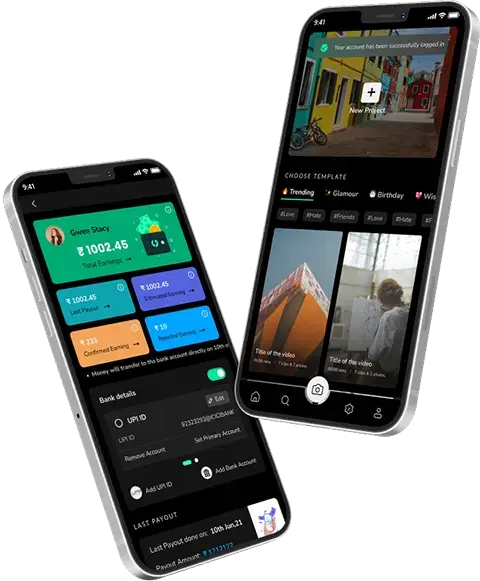
- Developing a digital wallet app like urpay requires secure payments, useful features and regulatory compliance.
- Compliance with Saudi Central Bank (SAMA) regulations is important when developing a digital wallet app in Saudi Arabia.
- Digital wallet apps can generate revenue through transaction fees, merchant commissions, premium features & financial partnerships.
- Security features protect users and transactions.
Your phone can do almost everything you want.
But can it handle your money the way you want it to?
That question is opening the door for businesses looking to introduce new digital financial services in Saudi Arabia.
Apps like urpay offer different financial services together, enabling users to transfer funds, pay bills and conduct daily transactions with their mobile devices. If you are developing a digital wallet app like urpay for your business, you will need to determine what services your customers require & how easy these will be to access. Through fintech app development services, you can develop an app that meets these needs in Saudi Arabia.
What Is urpay & How Does It Work?
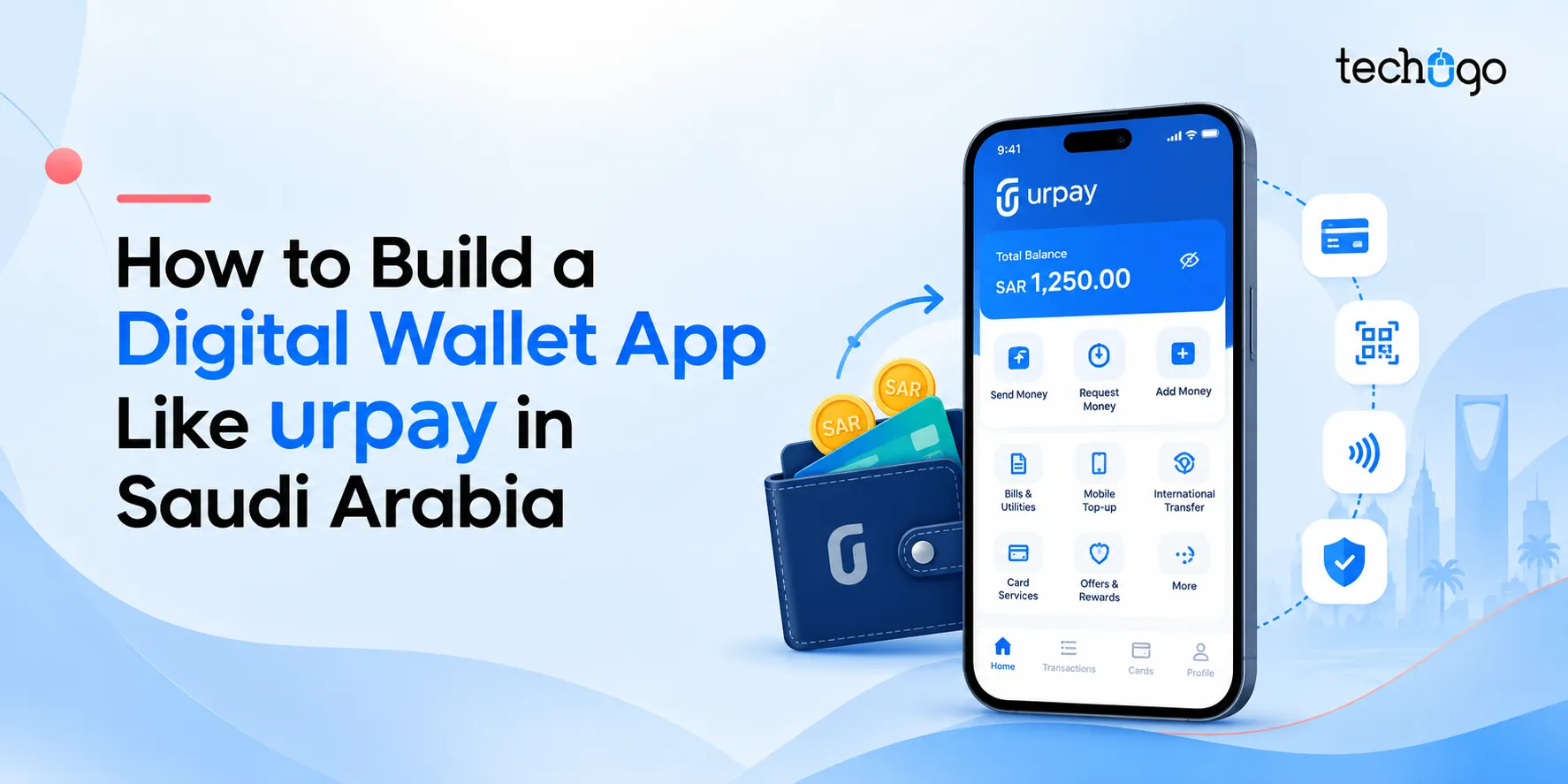
urpay is a digital wallet in Saudi Arabia that lets users send money, pay bills and manage their everyday transactions in one place.
Now if we talk about businesses… urpay is an example of how digital payments can be brought together. Digital wallet app development involves choosing the right features so that users can access financial services easily. Similarly, urpay app development requires businesses to understand what their customers need and follow Saudi regulations.
How does urpay work?
Download the app → Create an account → Complete verification → Access wallet services → Make transactions
1. Download the app: Users install urpay on their smartphones & then get started.
2. Register and verify: They create an account and complete the required verification.
3. Access wallet services: Once the account is ready, users can explore the available features.
4. Make transactions: They can send money, pay bills, and make payments through supported services.
Planning to Build Your Own Digital Wallet App?
Build a secure digital wallet app with the right features for your business and customers in Saudi Arabia.
Types of digital wallet apps you can build
There are different types of digital wallets based on how people prefer to pay and transfer money.
Your options are –
1. Closed Wallets: These wallets allow users to make payments only to the business that issues them, such as shopping apps.
2. Semi-Closed Wallets: Users can pay at multiple approved merchants (both online & offline).
3. Open Wallets: These wallets support payments, fund transfers and cash withdrawals through authorized providers.
4. Cryptocurrency Wallets: These apps let users store, send and receive digital currencies.
5. Mobile Payment Wallets: These wallets enable contactless payments, QR code scanning & online transactions.
6. Peer-to-Peer (P2P) Wallets: These apps allow users to transfer money directly to other users.
Essential Features of a Digital Wallet App Like urpay
1. User registration and verification
People should be capable of signing up using either their mobile numbers or email addresses. The process of confirming identity (using KYC verification) allows adherence to regulations and provides protection against fake user accounts.
2. Money transfers and payments
Enable users to send and receive funds, pay bills and make other supported payments. A transparent payment process and instant transaction confirmations ease users’ money management.
3. Wallet balance and transaction history
Users should be allowed to access their balance and their transaction history. Detailed Payment Records (with information on dates, amounts & status) make it easier to track their funds.
4. Security features
Security plays a crucial role in any e-wallet app development initiative. To safeguard the financial information of users, implement PIN protection, biometric authentication, data encryption and multi-factor authentication.
5. Notifications and alerts
To notify users when payments are successful, transfers are received, transactions are unsuccessful and other account activities occur. This keeps users updated on what’s happening in their wallets.
6. Cross-platform compatibility
Cross-platform app development allows companies to create an Android as well as an iOS digital wallet. The method can be helpful in reaching more users and also help to make development and maintenance easier.
Advanced features to include in a digital wallet app
If you want users to get more out of your wallet app, consider features that go beyond the usual payment options. You can also include these –
1. Biometric Authentication – Lets users sign in with their fingerprint or face scan.
2. AI-Powered Fraud Detection – It can identify unusual transaction patterns and flag potentially fraudulent activities.
3. Spending Analytics – Tracks expenses and provides insights into users’ spending habits.
4. Cryptocurrency Support – Enables users to store, send and receive supported cryptocurrencies.
5. Multi-Currency Support – Allows users to store, transfer and receive supported cryptocurrencies.
6. Recurring Payments – Automates recurring payments for subscriptions, bills and other scheduled expenses.
7. Loyalty & Rewards Integration – Offers cashback, reward points and discounts to encourage continued app usage.
How to Build a Digital Wallet App in Saudi Arabia?
If you’re planning to launch a digital wallet in Saudi Arabia, you’ll need to make a few important decisions before development begins.
Let’s look at the steps involved in building your app –
1. Identify your target audience and requirements
Identify your target users and the financial services they require first. Determine if your app can facilitate money transfers, bill payments, Wallet top-ups and other services. This will help you to set the boundaries of your digital payment app development project.
2. Choose the right features
List the essential digital wallet app features based on your business model and customer requirements. These may include user registration, KYC verification, transaction history, payment notifications, biometric authentication and secure money transfers.
3. Plan the app architecture
Define how the app’s frontend, backend, database and payment integrations will work together. A well-planned architecture supports secure transactions, reliable performance and future expansion as your user base grows.
4. Ensure regulatory compliance
Digital wallets in Saudi Arabia must meet the applicable requirements set by the Saudi Central Bank (SAMA). Consider licensing, identity verification, data protection and transaction security before development begins.
5. Partner with an experienced development company
Find an established digital e-wallet app development company that has a thorough understanding of financial solutions, payment gateways and demand in Saudi Arabia. If you want to create a digital wallet app like urpay, it’s best to find the right dev team that would be willing to carry out your project objectives.
6. Test and launch your app
Carry out security, payment processing and performance tests to make sure the app is ready for launch. Once the application is in operation, one should observe the transactions, eliminate bugs and improve the application based on user feedback & the changing requirements of the business.
Technology Stack Required to Develop a Digital Wallet App
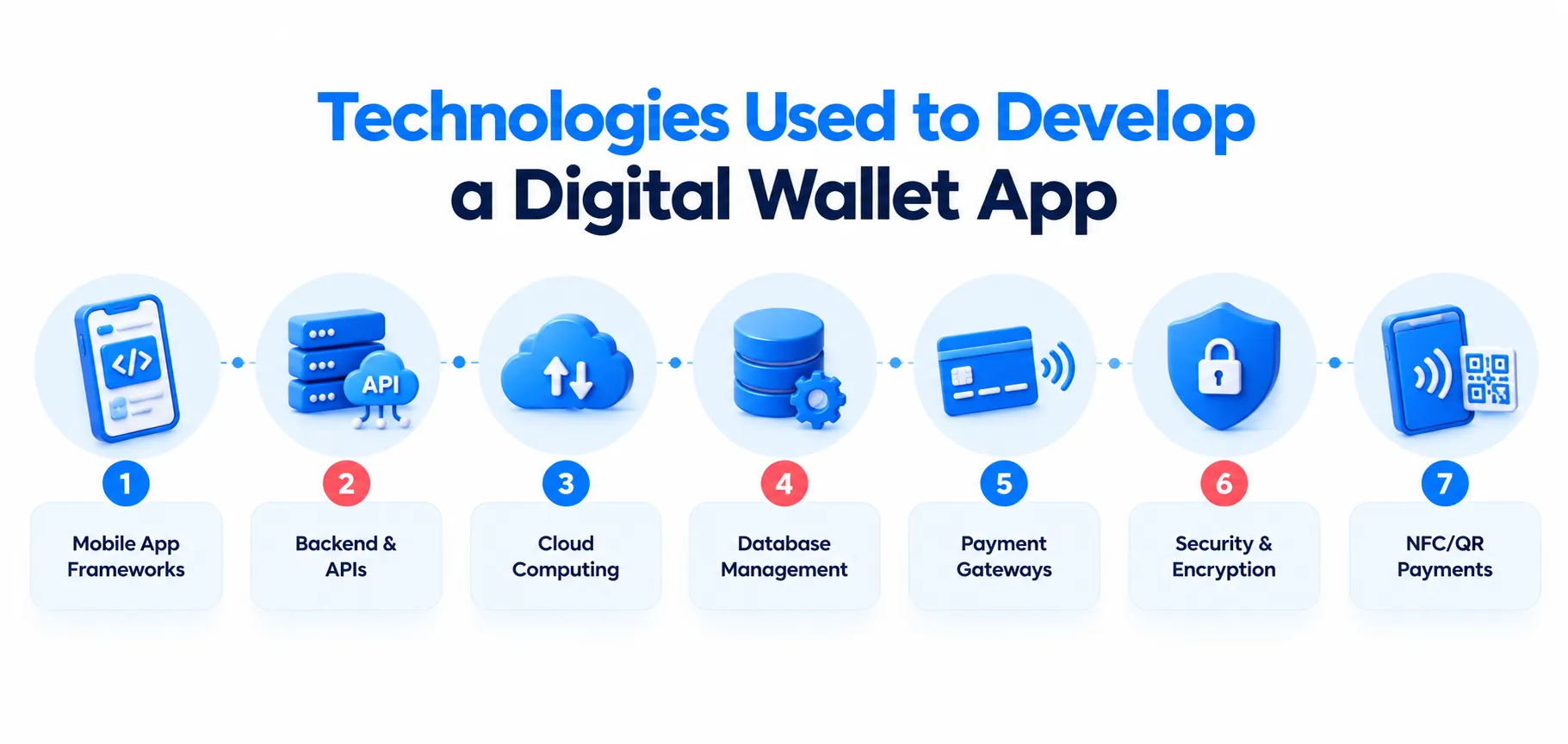
Users might notice how quickly a payment goes through, but they won’t see all the technology making it happen. That’s what makes choosing the right digital wallet app technology stack so important. If you’re exploring mobile banking app development, here’s what you need to know.
| Component | Technologies |
| Frontend development | Flutter, React Native |
| Native app development | Kotlin (Android), Swift (iOS) |
| Backend development | Node.js, Python, Java |
| Database | PostgreSQL, MySQL, MongoDB |
| Cloud infrastructure | AWS, Microsoft Azure, Google Cloud |
| Payment gateway integration | Moyasar, HyperPay, Checkout.com |
| Security and authentication | OAuth 2.0, multi-factor authentication, biometric authentication |
| APIs and integrations | REST APIs, GraphQL |
| Testing | Selenium, Postman, Appium |
| Monitoring and analytics | Firebase, AWS CloudWatch |
Digital Wallet App Architecture and Third-Party Integrations
Digital wallet app architecture is what connects the frontend, backend, database and external services to make everyday transactions possible. Below are the main components to consider –
1. Frontend: It is the surface that users communicate with to make use of the wallet functions, transfer funds and make payments.
2. Backend: Manages the business logic, transaction processing and communication between various services.
3. Database: Securely keeps user information, transaction information and other required information.
4. Security layer: Provides authentication, encryption and access controls to ensure the security of sensitive financial information.
5. Payment gateway integrations: Integrate the app with payment gateways for making payments and checking payment statuses.
6. Third-party APIs: Integrate services like KYC verification, banking integration, and notifications for transactions.
The selection of the correct integrations relies on the features of your app, your target Saudi Arabian audience and regulatory requirements.
In case you are planning to build a wallet that has complicated payment flows, you might need to hire fintech software developers who are well-versed in digital wallet app architecture – and financial system integrations. They help identify appropriate technologies and integrate necessary services.
Regulatory Requirements for Digital Wallet Apps in Saudi Arabia
1. SAMA Licensing
Businesses must obtain the appropriate approvals from the Saudi Central Bank (SAMA) before offering regulated digital wallet services.
2. KYC and Customer Verification
Digital wallet providers must verify user identities and follow applicable customer due diligence and anti-money laundering requirements.
3. Data Protection
Apps must protect personal and financial information in line with Saudi Arabia’s applicable data protection regulations.
4. Transaction Security
A digital wallet app like urpay needs secure payment processing, fraud monitoring, and access controls. Banking software development should account for these requirements from the start.
How to integrate SADAD, Mada, and local payment methods into a digital wallet
A digital wallet is only as useful as the payment options it offers its users. When building a digital wallet for users in Saudi Arabia, you need to consider how they prefer to pay their bills, shop online & manage everyday transactions. Therefore, adding local payment methods can make your app more useful to its target audience. Mada and SADAD are two options worth considering – but they serve different purposes. Mada supports card payments, while SADAD is used for electronic bill payments.
Each payment method has its own integration requirements, so let’s look at them individually –
1. Mada Integration
Mada is the national payment network in Saudi Arabia. To support Mada payments, businesses can work with a compatible payment service provider or acquiring bank. The integration should support secure transaction processing, payment confirmation & error handling.
2. SADAD Integration
SADAD supports bill payments and other payment services in Saudi Arabia. Businesses should identify the relevant SADAD service and work with an authorised provider to integrate bill inquiry, payment processing, and transaction status updates where supported.
3. Local Payment Methods
You can also consider supporting local bank transfers and digital payment options, depending on your app’s purpose and provider capabilities. Choose methods that suit your target users and the transactions they need to complete.
Before your first transaction goes through, put your integration through its paces. Check that transactions go through correctly, errors are handled properly and refunds and payment updates work as intended. Don’t overlook transaction reconciliation or the SAMA requirements and security standards that apply to your app.
How Much Does It Cost to Develop a Digital Wallet App Like urpay?
One of the first things to figure out when planning a digital wallet app is how much money you’ll need to get it off the ground. The cost to develop a digital wallet app is not fixed because every business has different priorities. Some need basic transfers and bill payments, while others require complex banking integrations. Here’s a closer look at the costs –
| App complexity | Estimated cost (SAR) | Timeline |
| Basic wallet app | SAR 40,000–80,000 | 2–3 months |
| Mid-level wallet app | SAR 80,000–180,000 | 3–5 months |
| Advanced wallet app | SAR 180,000–350,000 | 5–8 months |
| Enterprise-level fintech app | SAR 350,000–900,000+ | 8–12+ months |
Ready to Calculate Your Digital Wallet App Development Cost in Saudi Arabia?
Get a clear estimate of your digital wallet app development costs based on your requirements and business goals.
Key Hurdles in Developing a Digital Wallet App
1. Data Security & Fraud Prevention
Security is a top concern with digital wallets as they deal with sensitive financial data. To ensure the security of users and transactions, developers need to incorporate data encryption, multi-factor authentication and fraud detection mechanisms.
2. Payment Gateway Integration
Linking financial services, banks and payment gateways with the wallet can be complicated. Such integrations should function seamlessly to ensure successful transactions, timely payments and transactional consistency.
3. Regulatory Compliance
Digital wallet providers are required to comply with relevant financial laws, identity verification and data protection laws. It is important to know the Saudi Central Bank (SAMA) requirements that apply to apps that run in Saudi Arabia.
4. Scalability and Performance
The more users an app has, the more transactions the app should be able to process without slowing down or being unreliable. A scalable architecture enables companies to address the growing demand and to offer a consistent user experience.
5. Managing Development Costs
The fintech app development cost may vary based on the features of the application, security needs, integrations, and compliance requirements. In order to avoid unplanned expenses, businesses should focus on key features – and budget accordingly for the maintenance costs.
Digital Wallet App Development Trends in Saudi Arabia
1. AI-Powered Fraud Detection
AI assists in discovering abnormal transaction patterns to detect fraud. It will help keep payments secure for digital wallet businesses.
2. Biometric Authentication
Biometrics, such as fingerprinting and facial recognition, can provide ease of access to the digital wallet. As payment methods progress, the use of these features may become even more frequent.
3. Open Banking Integration
With open banking, users can connect their financial accounts to approved services & manage their money more easily from digital platforms.
4. Contactless and QR Code Payments
Payment by contactless methods and QR codes has simplified the process of payment in retail stores as well as online. This will allow the use of mobile wallets for more regular transactions.
If you are entering Saudi Arabia’s digital payments market, choosing the right features is just as important as keeping up with new trends. An experienced app development company in Saudi Arabia can help you build a digital wallet app like urpay that meets your users’ needs.
How to Choose the Right Digital Wallet App Development Company
1. Review fintech development experience
Identify the company that has experience in fintech projects, payment gateway integration and digital wallet application development. Check its portfolio for quality, as it will give you a good idea of what you can expect.
2. Review security & compliance expertise
Select a team that has knowledge of data encryption, fraud prevention, identity verification, and Saudi Arabia’s financial regulations. These are crucial steps to follow for creating a secure digital wallet app.
3. Discuss the costs and time frame of the project
When it comes to the mobile app development cost, talk with the company before finalising your choice. Request an itemised cost statement and be sure to know what your financial commitment includes.
4. Evaluate support and scalability
Look for a development partner who can provide continuous support and adapt your app as your business expands. This enables you to manage new features, growing transaction volume and user requirements.
Develop a Secure Digital Wallet App in Saudi Arabia with Techugo
From the first feature to the final launch, the team behind your digital wallet app plays a big role in how it turns out. At Techugo, we help businesses in Saudi Arabia build secure and user-friendly digital wallet apps. As a top-tier mobile app development company, we help you choose the right features, integrate payment services and develop an app that fits your business needs. Our team supports you from the initial planning stages through development and launch.
So if you want to make your mark in Saudi Arabia’s fintech industry, let’s get started with Techugo.
FAQs
1. What features should a digital wallet app include?
A digital wallet app should include features that make payments easy and secure, such as:
- User registration for quick account setup.
- Identity verification to confirm user details.
- Secure login to protect accounts.
- Money transfers to send and receive funds.
- Bill payments for everyday expenses.
- Transaction history to track payments.
- Payment notifications for real-time updates.
- Payment gateway integration for digital transactions.
2. What are the regulatory requirements for digital wallet apps in Saudi Arabia?
Digital wallet providers must comply with applicable Saudi Central Bank (SAMA) regulations, licensing requirements, identity verification procedures, anti-money laundering rules – and data protection requirements.
3. How can a digital wallet app generate revenue?
There are a few ways to make money from a digital wallet app. You can charge fees on transactions, earn commissions from merchants, offer paid features or partner with financial service providers. The options available will depend on your business model and applicable regulations.
4. What security measures are needed for a digital wallet app?
Important security measures include data encryption, multi-factor authentication, secure payment processing, identity verification & fraud detection. Regular security testing can also help identify potential vulnerabilities.

Get in touch
We'd love to hear from you.