

 SA
SA
 KW
KW
 IE
IE AU
AU UAE
UAE UK
UK USA
USA
 CA
CA DE
DE
 QA
QA ZA
ZA
 BH
BH NL
NL
 MU
MU FR
FR







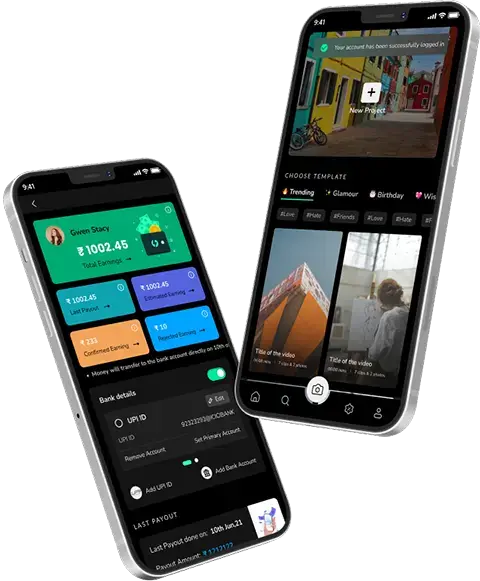



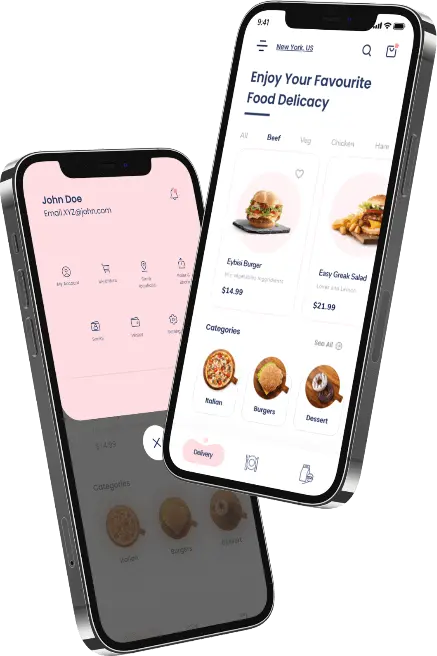

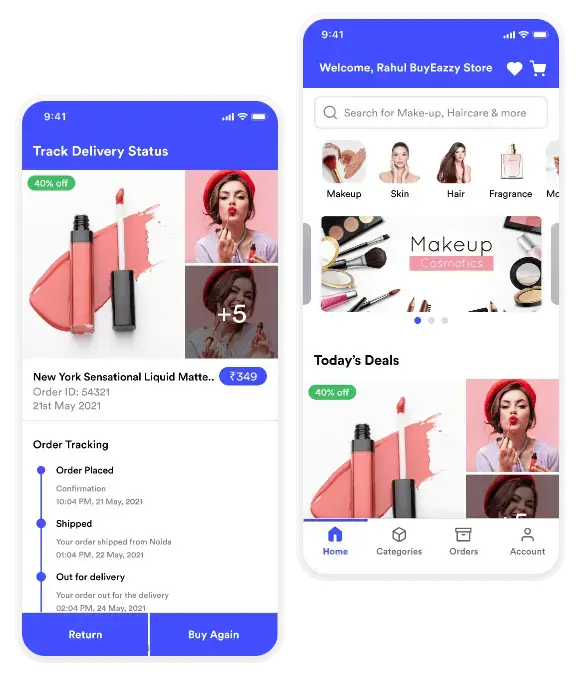




In-app advertising has become one of the most powerful digital monetization channels in 2026, enabling brands to reach highly engaged mobile users with precision targeting and measurable ROI.
With the rise of AI-driven ad optimization, privacy-first tracking (including Apple SKAdNetwork and Android Privacy Sandbox), and contextual targeting, in-app ads are no longer just a revenue stream, they are a core growth engine for mobile apps and digital businesses.
It is projected to grow into a massive $300+ billion global industry by 2026–2027, reflecting its huge scale and rapid expansion.
Modern reports indicate that global in-app advertising spending continues to grow rapidly, driven by increased mobile usage, gaming apps, streaming platforms, and AI-powered personalization systems. However, while revenue opportunities are high, user engagement remains a key challenge. Poorly placed or irrelevant ads can quickly degrade user experience and reduce retention.
This guide explores how to build effective, user-friendly, and high-performing in-app advertising strategies in 2026.
What is In-App Advertising
How many times have you opened an app and seen an ad for another app while you were scrolling, watching a video, or playing a game?
It’s more common than people think and that’s what in-app advertising is. It is essentially the display of advertising within mobile applications (as opposed to on the mobile web or within other forms of mobile media) while a user is using the app. Rather than sticking out like a sore thumb, these advertisements are designed to blend in with the app experience and reach users at the right time, according to the company, making in-app ads one of the most successful digital marketing channels today.
How to get started with in-app ads?
In-app ads not just trigger high mobile usage, but are also responsible for driving global media consumption.
There are some simple but important steps that you must take into consideration before starting with in-app ads. Lets’ scroll it further to know more…
Pick an ad network
Selecting the right ad network is the most important and bridges the gap of connecting publishers with advertisers. Once you decide to proceed ahead with the ad network for your business, you must check out a few points:
- Who is your targeted audience?
- What is their location?
- What are your advising goals?
And then move ahead to make the right selection.
Select the right in-app ad format
Native Ads
On an honest note, these ads are the least intrusive ad format, which is designed to match the look and feel of the app, and help to complement the app functionality to target the interest of the users.
Offer Wall Ads
Well, this type of ad is usually a page in the app with a number of offers and incentives. It includes different in-game currency, “lives,” or other content. These ads sometimes ask for a small amount of money or let users perform actions such as watching a video or downloading another app.
Video Ads
These are the promotional clips and can be in the form of interstitial or native ads, depending on the app type. They are engaging and have strong CTR, and to keep the option more engaging, these ads also provide a skip button to avoid users’ annoyance.
Banner Ads
Banner ads, are also known as display advertising, and are the text and/or images displayed at the top or bottom, alongside the app content.
Playable Ads & Rewarded Ads
This is another ad format used largely in the game apps, giving users an additional chance to play or get extra lives with rewarded ads. These ads are highly popular as users love to pick them as per their gaming experience.
Interstitial Ads
They are also called full-screen ads, wherein images or videos are shown during transitions in the app. These ads are usually full-screen ads displayed at natural transition points within the app.
Choose the perfect ad pricing model
CPM-Cost Per Mille
In this format, advertisers have to pay the publisher every 1000 times an advertisement is displayed and is a good choice for app publishers because the ad gets displayed to generate revenue.
CPC- Cost Per Click
CPC lets advertisers pay only when an ad is clicked, and it is a highly beneficial format as advertisers don’t need to pay anything for ads, as they don’t generate clicks.
CPV- Cost Per View & CPI-Cost Per Install
These apps are dedicated to generating videos and app installs, and there is no specific ruleset for pricing model to offer, but there few essentials to be taken care of, such as:
- Your app
- Audience
- The advertiser and ad creative
- The offer
CPA-Cost Per Action
This model, only lets advertisers pay only for clicks that lead to a specified action, and this can vary like: an app installs, a form submission, website registration, or newsletter signup. It is most preferred across the industries, since it is a low-risk option for businesses, as they have to pay only for particular outcomes only.
How to make in-app advertising engaging enough?
90% of consumers are influenced by advertising, many users consider in-app ads spammy, distracting, and intrusive!
The stat above shows that is indeed a concern to make the in-app advertising filled with excitement for the consumers. Due to the pandemic wave, brands have got a better opportunity to interact with their customers, as they prefer spending their time most on mobile devices. And here in-app advertising seems to be a lucrative option and is expected to be the biggest destination for advertisers in 2021.
However, failing to hold the right chord can mismanage everything and can even create a seizable gap, that can never be filled.
So here are a few essentials you must consider:
Sell the relevant ads
It is very common for us to find the relevance of ads, some of the apps, miss the beat. You need to keep a check whether it is serving the right audience with the right content. For a fashion app, showing the in-app advertisement of healthcare would sound awkward. Here, the poor choice of ads can even leave a bad impact on the advertisers as well, and despite putting effort, their endeavors go unnoticed. You need to ensure ads are not just pertinent, but helping users to make further choices as well.
Keep the tone personalized
If your users fail to connect with the ad’s tone, no matter what all you have invested there, it is nothing but a futile step. Once the user makes that connection, then it builds a chain where users and advertisers interact and take that conversation to conversion.
Discuss users’ pain-point
It is an obvious fact that every advertiser looks for profit through the ad, but this should not depict in your ad. If you are really willing to convert users into loads then you need to discuss their pain-points in that short ad snippet, to avoid the hassle of a sales pitch and give your message clearly to the users.
No interference with app UI
Ahh, users are highly picky these days. If they don’t like anything in your app, they don’t waste a moment to switch over to the next available app. The placement of an ad holds prominence that cannot be avoided. The in-app adverts can disrupt the user flow and even lead to low engagement as well as attrition. To avoid negative branding, you must research and then place the ad appropriately in the app and must ensure that it is not interfering with the app UI.
The Big Question: How Profitable Is In-App Advertising in Reality?
Let’s talk numbers, because that’s what most people are really curious about.
A In-app advertising In-app ads can be highly profitable or not so much depending on the type of app, the audience, and how engaged they are. Publishers usually make somewhere from $1 to $10 per one thousand ad impressions (cost per mille or CPM), with top-tier apps in gaming, entertainment or social media making even higher rates that can reach $20+ CPM in certain premium markets.
For apps with active daily users, this can mean hundreds to thousands of dollars per day, for large apps, maybe even millions each month. That said, smaller apps may get their start with relatively humble earnings of a couple of hundred dollars a month before they scale on user engagement.
In a nutshell, your capacity to generate revenue increases as your user base, retention, and ad strategy improve.
The Footnote
Driving customer engagement through mobile advertising is a tricky subject, and you need to find the right balance between creativity and technology. So users get a chance to see what you are actually planning to bring to their tables.
We have offered enough reasons to some of the biggest enterprises across the globe to engage their audience with a scalable app solution. If you have yet to take the digital plunge for your business, then schedule a call with us now and begin generating more revenue than ever before.
When done right, it not only helps apps generate consistent income but also supports long-term user engagement and business growth.
At Techugo, we help you build and integrate smart in-app advertising solutions that maximize revenue while keeping user experience at the core.
FAQ
1. How much can an app earn from in-app advertising?
Earnings vary, but most apps earn around $1–$10 CPM, while high-traffic apps can earn significantly more.
2. Is in-app advertising suitable for every app?
Yes, but results are stronger in gaming, entertainment, and high-engagement apps.
3. How can I improve user experience with ads?
Use native or rewarded ads, and place them at natural breaks in the app flow.
4. What technologies power modern in-app ads?
AI targeting, programmatic ads, real-time bidding, and advanced analytics.
5. How does Techugo help with in-app advertising?
Techugo builds and integrates smart in-app advertising solutions that boost revenue while keeping user experience smooth and engaging.

Get in touch
We'd love to hear from you.