

 SA
SA  KW
KW  IE
IE AU
AU UAE
UAE UK
UK USA
USA  CA
CA DE
DE  QA
QA ZA
ZA  BH
BH NL
NL  MU
MU FR
FR [ LET’S TALK AI ]
X
Discover AI-
Powered Solutions
Get ready to explore cutting-edge AI technologies that can transform your workflow!



Get ready to explore cutting-edge AI technologies that can transform your workflow!






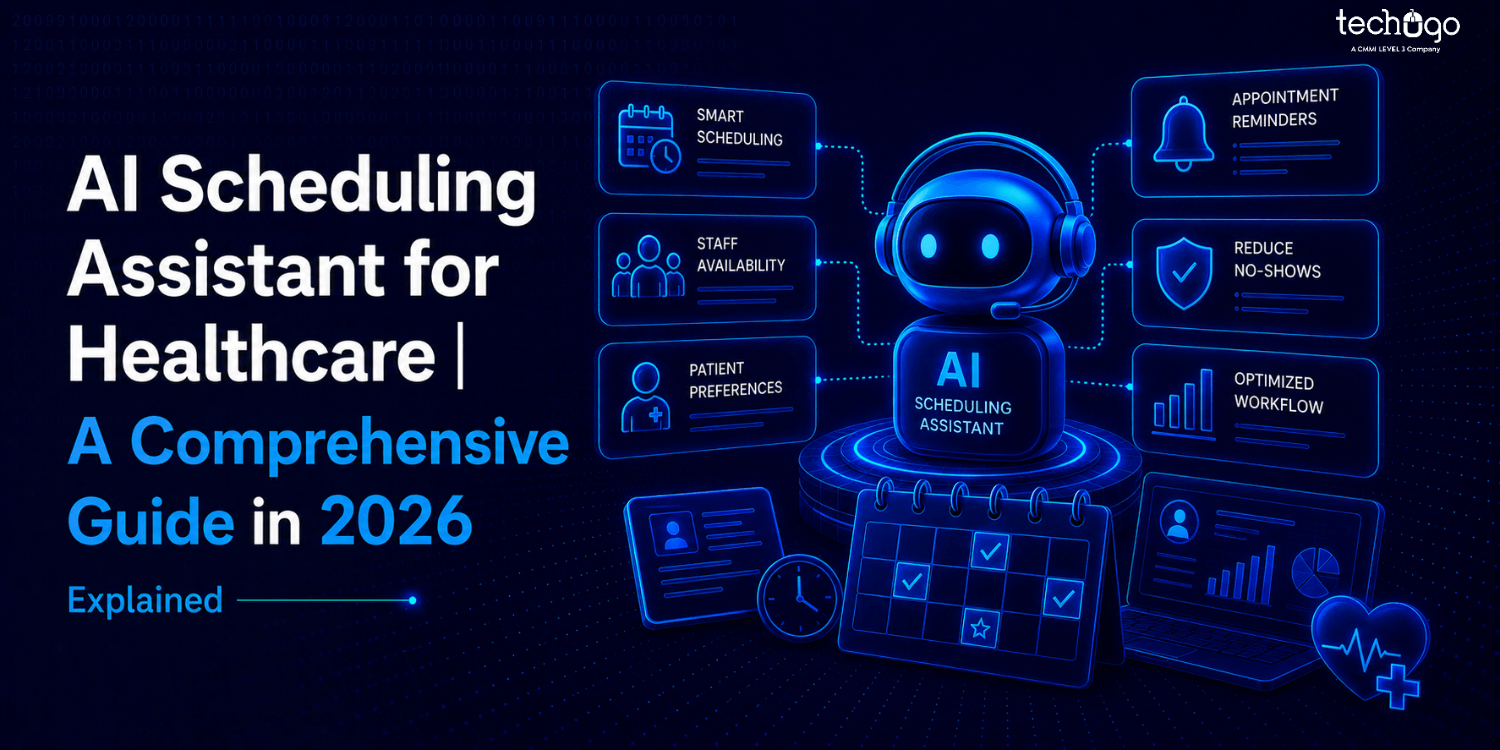
Most days, clinics face more patients than they can handle. Long waits happen often when too many people need care at once. Running things smoothly becomes harder without better tools in place.
Staff spend hours fixing avoidable problems. Machines learning how people move through waiting rooms now offer a different path.
An AI scheduling software that adapts overnight and changes plans before chaos hits. Quiet shifts become predictable. Fewer gaps appear between visits. Help flows faster because timing tightens on its own.
An AI scheduling assistant app arranges doctor visits by filling gaps, sending alerts before missed checkups, then adjusting calendars on its own. Rather than sorting times by hand, clinics tap into digital assistants that place bookings fast without errors piling up.
Smoother sign-ups keep patients calm while freeing nurses and admins for duties that need human eyes instead of keyboard routines. Each update flows quietly behind the scenes – no announcements, just fewer delays stacking up at front desks.
The cost of app development for these might start at $25,000 for a simple version, yet jump past $400k when built for large operations with complex needs like deep integrations or high scalability.
When companies team up with seasoned developers – especially those focused on AI or health tech apps – putting funds into smart scheduling systems shifts from being just another option to becoming a necessary step for staying ahead in modern care delivery.
AI healthcare scheduling softwares aren’t in demand without any rhyme or reason, they bring in solutions to certain complex problems that traditional appointment systems could never solve.
Running clinics often means phone tags, digital sheets, or simple apps handling visits. Seems okay – until volume spikes. Everything cracks after that.
Most mix-ups happen when schedules are handled by hand. Think overlapping visits, patients stuck waiting too long, gaps in the calendar where people never show up.
Each year those empty chairs add up – close to 150 billion dollars lost across health providers nationwide. Some smaller offices see thousands of dollars vanish each month just from forgotten visits.
Patients often sit idle for weeks before seeing a doctor, delayed not by lack of physicians, yet held back through clunky processes. Right where things fall apart, that’s what AI healthcare scheduling software handles.
One way to handle appointments? Automate them – cutting out paperwork while slipping smart processes into place instead. Machines take over what people used to do by hand.
Places that run appointments with AI say the difference shows up right away up to 40% fewer no-shows.
One third extra people are seen without needing additional minutes. A bigger number of visits fit into identical hours now. More individuals move through each appointment window than before.
Because of this, growth doesn’t slow down. From a $63 million value in 2024, the AI patient scheduling software sector could hit more than $555 million by 2033, pushed forward as clinics seek fewer wasted hours and smarter use of staff and time.
Most of the time, these AI scheduling software study when things get busy, how people act, plus how often visits fall through – then tweak booking plans on their own.
Sometimes they guess who might skip a visit before it happens, making shifts ahead of time.
Some hospitals adjust schedules this way so workers get better shifts, feel less worn down, then care for more people each day.
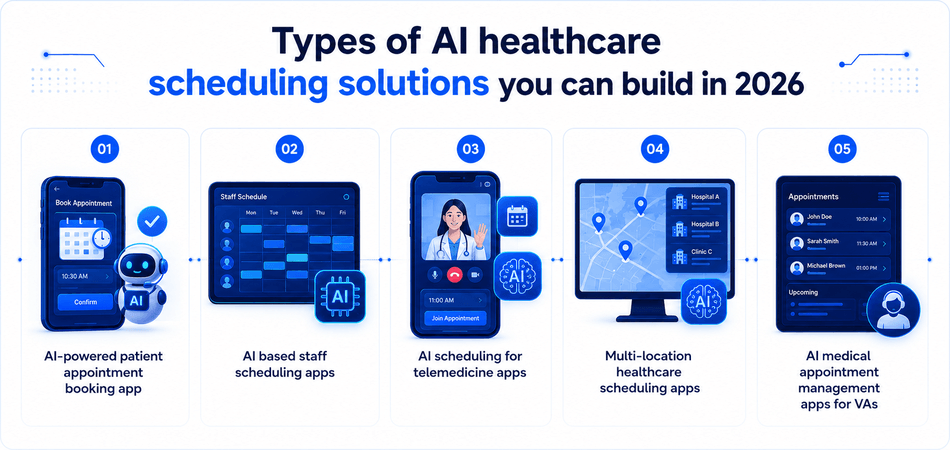
Not every AI healthcare scheduling software works the same way. Some shine when handling back-to-back meetings, others ease team coordination simply by adapting fast. A few make rescheduling feel smooth during sudden changes. Each brings something distinct – offering real help where it counts most.
Here comes the usual way people use AI in medical appointment tools. Patients pick, change, or drop visits online instead of phoning the office.
With doctor timetables, how soon care is needed, and past records in mind, the system points to suitable openings. Slot suggestions come from matching those details automatically.
One thing leads to another when clinics use automated patient scheduling systems – missed visits drop fast since alerts go out without anyone lifting a finger.
Research found smart systems that handle timing may slash skipped check-ins by as much as three or four in ten, which helps money come in smoother plus keeps waiting rooms less packed. Startups often begin here; fixing something obvious draws them in before anything else.
Not only do hospitals line up patient visits – rotating teams of physicians, caregivers, and helpers fill slots around the clock. Into that space step smart systems built on learning algorithms.
Most days, schedules shift based on how busy things get, who is free, and when demand spikes. Rather than sorting it all by hand, smart tools spread out work evenly across teams.
When used in clinics, these AI healthcare scheduling softwares help keep pace without wearing people down. Research tracking hospital routines shows such methods lift team output around one-fifth to nearly a quarter.
Out of nowhere, visits happen on screens instead of in rooms. Scheduling must juggle online meetings now, spread through mismatched hours and distant clocks.
Instant doctor matches happen through AI inside telemedicine apps. Video tools link up smoothly, while alerts go out without anyone needing to step in.
Follow-up steps sort themselves behind the scenes. As worldwide demand for remote care climbs fast, these clever booking systems now matter deeply to clinics built online first.
Across many sites, big hospital groups and testing centers run daily. When shifts at different branches get handled by hand, things slip – mistakes creep in easily.
One thing happens first – AI brings scattered schedules into one place. When someone needs care, they get sent to whichever spot is closest and has room. Workloads spread out more evenly because openings guide where people go next.
Resources fit real demand better since the system learns patterns over time. Across every site, visits feel about the same thanks to how rules apply everywhere without exception.
Out there, artificial intelligence is shaping how we plan our days. Talking to an app might soon feel like chatting with someone real. Instead of clicking around, people speak or type what they need.
One moment you’re asking about availability, the next it’s on your calendar. Changes happen just as fast – no waiting. Questions get answers without looping through menus.
Behind the screen, software learns from each exchange. It adjusts, responds, fits itself to how users talk. Not magic, just smart design doing quiet work. The system keeps running, always ready for the next request.
Every second of every day, it runs without stopping. Using smart technology made for health care tasks, this helper answers requests right away. When someone wants to see a doctor, they just say so. In moments, all steps finish on their own.
Most of the time, building AI healthcare scheduling software for doctor appointments hinges on how fancy the design gets, what kind of smart features show up, and also which programs it must talk to.
Most of the time, an MVP sticks to what matters most: setting up appointments, syncing calendars, one thing after another. Instead of complex features, it runs on straightforward logic – think rules that slot times automatically, maybe light suggestions now and then.
Startups lean on this when they’re checking if people actually want it. Clinics shifting from paper methods find it fits just right too. The cost of development stays small because nothing extra gets added early. Yet it handles real needs without delay.
Now things start clicking. Sliding in smart slot tips powered by AI makes scheduling smoother.
Patient habits get noticed – patterns spotted over time shape how openings appear. Tools such as daily planners or video visit systems link up without fuss.
Underneath, the engine runs deeper, quieter, better. Smooth clicks replace clunky steps in how people move through tasks. Many clinics on the rise settle here – not too heavy on wallet, just right on usefulness.
Picture a system built large, one that guesses schedules before they happen while tracking updates as they arrive. Instead of just connecting, it dives into medical records deeply, pulling data where needed.
Some versions run on smart models able to spot when patients won’t show up, shifting workers around like pieces on a board.
Each part talks to another, cutting steps usually done by hand across teams. What drives the cost of an app development higher isn’t flash but layers – rules to follow, growth demands, and how much it must handle without slowing down.
The total cost of app development for building your automated appointment scheduling system is a combination of various steps that are necessary for building an efficient software. These are as follows:
Planning & research
Right there at the start sits what everything else builds on. Mapping how users move through tasks comes first, then grasping how clinics actually run each day, followed by locking down specific targets. The base shapes every step after.
UI/UX design
Easy to use means people stick with it. From the start, clear layout helps both patients and workers move through without confusion. When things work smoothly, more users accept it without hesitation.
Frontend development
Behind every tap sits a screen built for clarity – booking visits, tracking updates, moving through tasks without lag. Speed meets ease when design removes friction.
Backend development
Running behind the scenes, the backend manages essential functions like database storage and task coordination. Real-time updates flow through it, thanks to efficient information handling and steady system operation.
AI model development
Here’s how smarts get built in. With artificial intelligence, tasks like setting up meetings run on their own, slot suggestions pop up based on habits, while future actions are guessed ahead of time – making things move faster.
Admin panel
Control sits with admins – they handle what happens inside the system. Through this interface, user access shifts, bookings adjust, summaries form, while daily workflows move forward.
Integrations
One way the software links up is through medical records platforms, plus it hooks into billing services along with various helpers. Tied together, these pieces boost what the program can do – though each link lifts the price too.
Testing & launch
Testing happens first – bugs, speed, safety – all checked before anything goes public. Day one stability comes from getting it right ahead of time.
Several factors influence the app development costs in building your AI healthcare scheduling software. These are:
Features piling up? That slows down building it. Toss in telemedicine, data tracking, or handling multiple clinics – price jumps happen fast.
A budget-friendly setup might handle simple tasks just fine, yet systems that predict shifts or study actions need heaps of information along with serious coding work.
When live availability needs managing, the system grows harder to maintain while expenses rise. Instant changes require constant monitoring, which stretches resources further.
Alerts popping up nonstop mean more moving parts under the hood. More connections in place lead to heavier demands on servers behind the scenes.
Because of strict rules plus the need for special setups, linking to current health networks often costs a lot.
Because healthcare apps handle sensitive information, they have to meet tough rules such as HIPAA or GDPR. When developers add strong data protection, the price of building the app goes up.
Most businesses in the US pay bigger bills when they hire local app development companies. Teams overseas often cost much less – especially those based in India or the UAE.
One thing matters most when making AI healthcare scheduling software for clinics: nail the basics. Less busywork by hand shows up when things run better behind the scenes. People who come in notice quicker check-ins and fewer delays.
Appointment booking and rescheduling
Right there at the core sits what powers every automated patient scheduling system. Booking, stopping, or shifting visits ought to take just a handful of touches by the person showing up. Speed matters.
So does being straightforward. Flexibility becomes key when plans shift suddenly. Clarity keeps things moving without hiccups.
Real-time doctor availability
Open slots pop up right away, so people skip phone tag with clinics. What happens next? They pick a time that fits – no hassle. Fewer bumps in the process mean more appointments actually get locked in.
Automated reminders
One reason clinics struggle? Patients forget visits. Texts, emails, or app pings nudge them ahead of time. Some smart scheduling tools even check in again closer to the date.
Suggesting the best time slots
Here’s how things improve with AI. Not simply listing open times, it suggests ideal appointments using past visits, how soon care is needed, one provider’s current load.
Speed goes up, effort drops – patients and staff feel the difference. That shift happens quietly, built into each step.
Teleconsultation
Inside today’s planning tools, video visits come built right in. Booking a check-in happens without leaving the screen.
Remote appointments show up just like regular ones. Follow-up talks fit neatly into busy days. Distance matters less when care arrives through a tap.
Schedule management
A single screen helps doctors see who is coming each day. When plans shift, changing times fits into just a few steps.
Some moments require holding space open – this works with one tap. Missed visits get sorted fast, without extra clicks. Each fix flows like the last, smooth but never forced.
Shift and availability planning
Most big clinics run around the clock. When schedules shift, software steps in – spreading tasks evenly so no one gets swamped. Less strain means fewer errors. Nights and weekends feel lighter when load peaks fade.
Patient queue management
Busy clinics run smoother when staff track who’s next. Seeing it live helps adjust fast – like reshuffling if one appointment drags. Time slips less when everyone knows the rhythm. A glance updates plans before things pile up.
Syncing with calendars and alerts
From desktops to phones, syncing with apps such as Google Calendar keeps physicians in sync. So when appointments shift, they know – no need to hunt through logs.
Full appointment system management
Whatever the department or location, admins must handle every part of the schedule. From start to finish, changes and appointments fall under their oversight.
Resource allocation
Rooms, doctors, and tools get matched quickly because of artificial intelligence. When clinics handle many tasks at once, smart systems keep things running without delays.
Reports and Analytics
When data flows smoothly, things run smoother. Tracking missed appointments helps admins see patterns over time. Peak times become clear when logs are reviewed regularly. Doctor schedules reveal gaps if looked at closely. Decisions grow sharper the more details come into view.
Users and Staff management
One spot handles patient, doctor, and team management. Access, roles, yet permissions stay under admin control without effort.
Billing and Integrations
When it links up with billing software, patient records, and ways to take payments, things run without hiccups. This connection ties appointment planning into everything else that keeps clinics moving.
What makes your smart healthcare scheduling solutions work well comes down to these pieces fitting together.
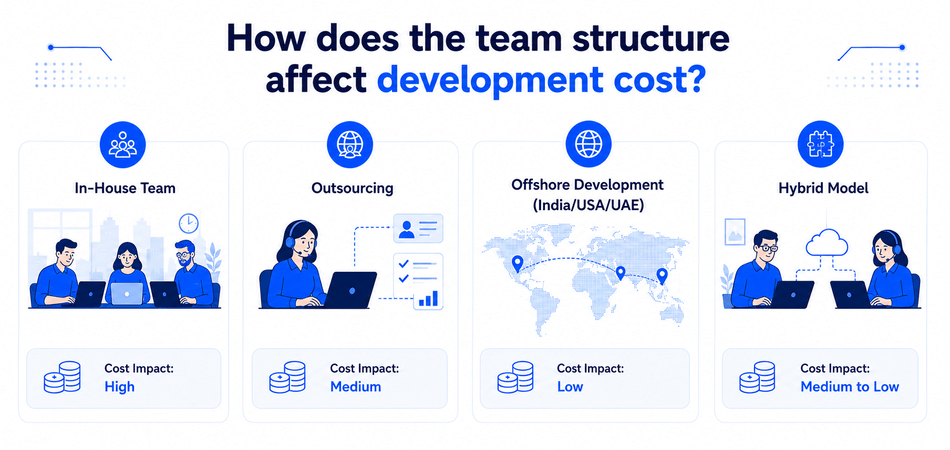
The type of mobile app development company you choose while building an AI based scheduling software for healthcare plays a vital role.
In-House Team
Working inside your own company means holding every part of progress – how things are built, talked about, how ideas stay protected. Product choices move step by step with what the business truly wants, changes happen fast when needed.
Most costly of all, doing it yourself adds up fast. Paying full-time staff – coders, interface artists, machine learning experts, testers – means big paychecks every month. Finding the right people takes months, sometimes longer than expected.
A good mobile app development company in the USA would charge $300,000 each year. Only companies built to last usually go this route. Startups rarely afford such weight.
Outsourcing
Startups often turn to outside AI app development companies when building apps, hoping to reduce app development costs while moving quickly. These companies bring skilled people who know the process well. Getting help from such teams can shorten how long it takes to launch.
The cost of app development here is anywhere from $50k to $200k or more, based on how tangled the work gets, yet expertise shows up minus promises that stretch years ahead.
Offshore Development (India/USA/UAE)
Where you build your team affects price a lot. Teams far away often charge much less but still do identical work. In the USA, hourly rates are often in the range of $100-$180 per hour.
While in the UAE they range from $60-$100, offering a mix of affordability and local knowledge. Hourly rates in India range from $20-$50. Talent here runs deep, making it a budget-friendly option.
Offshore teams often handle AI apps for firms aiming to save cash – cuts run between 40% and 60% without slipping on standards.
Hybrid Model
Some companies mix internal staff with outside help to get more done. Usually, they handle planning and creative work themselves. Offshore groups take care of building the software instead.
When new companies make social platforms or smart software, mixing methods tends to win – low prices tag along, freedom stays close, growth fits later stages just right.
Most companies think building an AI healthcare scheduling software means paying once up front. Yet extra expenses show up later – often without warning. These surprises might strain finances or slow daily work if overlooked.
Cloud and data storage cost
Heavy reliance on cloud systems lets AI healthcare scheduling software handle calendars, user details, and live booking updates.
Server fees, storage, transfers, and backup needs make up most costs. When more people start using the service, bills climb fast – especially if syncs happen instantly across many users.
Cost of updating and training AI models over time
Most days, automated patient scheduling systems get sharper by learning more over time. Training runs again and again – tweaks happen, results tighten up.
When how people act shifts slightly, someone skilled must step in: data scientists or machine learning experts adjust what the system knows.
Yearly upkeep isn’t fixed – it might tap a few thousand dollars, sometimes stretches into tens of thousands, all hinging on how tangled the setup gets.
Third-party tools cost
Some AI medical appointment management tools connect to outside software like Google Calendar, Zoom, billing platforms, or customer databases.
Because these extras usually come with monthly costs or charges per use, they add up quietly. Eventually, linking too many outside apps might take a noticeable bite out of your budget.
Maintenance cost annually
After launch, upkeep just happens. Things like fixing glitches, adding new bits, staying current with system changes, making things run smoother – those pile up.
Letting it slide? Users notice. They get frustrated. Then they leave.
Security compliance legal costs
Most times, appointment details include private stuff people want kept safe. When health appointments are involved, rules such as HIPAA come into play – same goes for GDPR in Europe.
Keeping up means paying for strong encryption, regular checks by experts, lawyer advice, plus careful record keeping.
Cost of Onboarding and Training Employees
Most powerful tools still demand a learning curve. Getting staff or customers comfortable with reports, tracking views, and smart triggers isn’t instant. Big company rollouts often involve guides, live sessions, plus dedicated help desks.
Early planning around unseen expenses keeps your AI healthcare scheduling software development cost grounded, so growth doesn’t bring shocks.
Starting a project like an AI healthcare scheduling software isn’t only about writing code for dates. It’s a combination of well thought out steps that must be executed perfectly.
Picture a broken calendar system first. Maybe meetings crash into each other, teams miss sync-ups, clinics double-book patients, or big companies waste time on planning. Look at what similar tools do wrong.
Listen to people who struggle daily with these hiccups. When the fix lines up tightly with the frustration, the app becomes useful – quietly essential, not just packed with functions.
Start small instead of piling on features fast. A basic version should include only what matters – calendar syncing shows up first, then automatic meeting ideas follow close behind.
Availability checks fit naturally here, while alerts keep users informed without clutter. Staying focused at this stage trims down how much it costs to build the AI tool right away.
Start by sketching an interface that just makes sense. Booking, changing appointments, or getting alerts should flow without effort.
Instead of clutter, go for clarity – users notice the difference right away. When things look straightforward, people learn faster. Even those who hate tech find their way easier when it feels familiar.
Here, the user interface meets server code along with service connections.
Building happens piece by piece – timing rules appear, data storage forms, links grow toward calendars or messaging apps.
When more people join, the system stays steady because the foundation stretches as needed through live changes.
Features such as guessing future availability, fine-tuning timing, or fixing clashes without help come from building AI models.
Some new companies start with ready-made learning systems to save money, later adjusting them piece by piece.
Start by checking each part works right when turned on. When problems pop up later, blame often traces back to skipped steps early.
Making sure buttons respond fast matters just as much as avoiding crashes during busy times.
Data stays safe only if every access point gets reviewed closely. Miss one detail and complaints follow hard behind.
Start by sharing your MVP with a specific group. People eager to try new things often share honest thoughts.
Introduce them through guided steps, live examples, or small rewards to join in. Their real experiences help shape what comes next.
Once live, shift attention toward boosting how well the AI works, layering in new tools, while expanding backend systems. Watch how people use it; refresh models regularly so they perform better over time.
With more users joining, pour resources into handling larger loads online, locking down safety measures, then building smarter automated functions.
The cost of healthcare app development can go beyond a certain acceptable margin unless some cost optimization practices are followed.
Tiny steps first. A basic version works best when it just handles scheduling, links to calendars, plus sends simple alerts. Fancy extras like artificial intelligence, data views, or smart triggers come later.
Building a basic version helps test real interest without big spending. Many products that didn’t work pushed to add everything fast, right from the start.
Start with ready-made tools if AI isn’t your core task. When possible, lean on trained systems instead of creating everything yourself. For things like calendar tips or message bots, grab what’s already built. Only code new logic when there’s truly no alternative.
Most of the work is already done when you start with ready-made tools. These cut down how long it takes to build, what systems you need, plus reduce the cost of app development by bringing in machine learning experts.
A single task done right – say, setting up video visits – can anchor everything else. When you zero in on just one thing, like online check-ins, the whole system stays tight.
Fewer moving parts mean fewer connections to manage. That cuts down setup work. It also trims legal overhead. Narrow focus shapes simpler tools.
Costs of AI app development climb fast when you add features, particularly if it’s a health app needing tight security and rules followed. Stick to just the basics your users actually rely on
Start without loading the initial release with smart algorithms or number crunching tools. Save those pieces until actual people have used the system awhile. Then shape what comes next using how they actually behave.
Making money from AI healthcare scheduling software doesn’t need to be complex – just clear. Either users pay to get in, pay based on how much they use it, or cover extra features.
Top automated patient scheduling systems skip depending on just one way – they mix several methods instead, building steady growth over time. Strong tech builders bake income plans right into the software at launch, never tacking them on later.
Stability stands out here. Whether it’s clinics, hospitals, or solo professionals, access comes through regular payments – monthly or annual ones keep things running.
Most plans come split into levels. Each level adds something different – like booking tools, automated messages, reports, or handling several sites at once.
Predictable income comes easily here. Clinics keep needing appointments set up again and again. That kind of steady demand keeps payments coming.
Some AI scheduling softwares in healthcare choose fees based on each reservation rather than one fixed price. Booking by booking, costs add up differently compared to set charges.
Each time someone interacts, money changes hands in small amounts instead of bulk payments. Rather than asking once, they collect every single visit. Payments happen piece by piece through usage, not upfront like traditional models.
A single visit fee might suit a tiny clinic better than a monthly plan. Paying only for booked appointments removes upfront pressure. Smaller practices join more easily when costs match their pace. Platforms gain consistent income as visits increase over time.
Big hospitals usually go for enterprise licenses. Networks of care providers? They tend to favor them too.
Sold here as a complete package, featuring tailored tools, linked systems, together with help meeting rules.
Costs arrive yearly or by agreement, usually far above regular plans. One of the strongest income paths grows when platforms expand.
After people get started, try showing them extra features like these:
What boosts income per customer doesn’t have to change the main product.
Most times, AI scheduling softwares in healthcare used for booking appointments link up with electronic health records alongside billing services.
Telehealth apps connect too, working together with customer tracking systems. These links help pieces of info move without extra steps. Each part talks to another, making updates happen faster than before.
Payments come through premium connections or cuts from partner deals. Slowly, these links build quiet momentum, turning into strong income – most noticeable inside big health networks.
Done well, mixing subscription charges with pay-per-use pricing along with corporate licenses builds steady income that expands alongside your growing platform.
Surprisingly tough hides behind a simple idea – automated patient scheduling systems seem easy until live people, messy information, and instant updates enter the picture.
Early misjudgments by startup leaders often lead to budget leaks, timeline slips. From the beginning, experienced teams building smart apps expect hurdles like these – even so, knowing pain points helps. Complexity arrives quicker than expected.
Most AI healthcare scheduling softwares built for booking appointments manage private details, particularly when used by hospitals or big companies. Because of that, they must follow tight rules such as GDPR or HIPAA without exception.
Encryption must be there. Alongside it, strong ways to confirm identity. Logs that track every move come into play. Access rules shape who sees what. None of these can wait. Each one drags out building time. Laws pile on top too. Ignore them at first? Cost jumps down the road.
Old tech runs most companies – ERPs, CRMs, hospital platforms. For your AI appointment scheduler software to work, it must connect smoothly into those setups.
Here’s what happens. Old systems tend to be tangled, with little documentation, never made for today’s APIs.
Because of that, tying them together drags on – way past original timelines. Custom links pop up out of necessity. Each one adds price tags and headaches at the same time. Complexity creeps in without warning.
Most items stumble right here. Getting machines to plan time properly? Tough challenge.
Most of the time, guessing when people are free or what they prefer means having clear information that updates regularly.
At first, artificial intelligence tends to offer clumsy answers – this kind of misstep annoys anyone using it. Getting things accurate takes constant small fixes to both the system and the details it uses.
Just because code runs clean does not mean users will touch it.
Most teams stick with what they know – spreadsheets, calendars, old software. Trying something new, especially AI, can seem risky. It might feel like handing power away.
People hesitate when they do not understand how it works. Training helps, yet many skip it. When users do not engage, the tool sits unused. Results fade before they start.
Plans shift all the time. When someone backs out, shifts a meeting, or grabs two slots at once – things change fast.
When your setup must manage live changes, spot clashes, then shift times on the fly, it leans hard on what runs behind the scenes. Speed matters just as much as smart design. A hiccup at this level? That is when people start doubting if it works at all.
Success isn’t guaranteed just because the tool is smart. Starting late means playing catch-up when costs rise fast. The real test comes before launch – what you overlook now shapes what breaks later.
At present, AI healthcare scheduling software now does more than schedule visits – they’re reshaping how clinics run day to day. Instead of only cutting wait times, smart software starts spotting patient surges before they happen.
Because of this shift, companies focused on medical tech build features that adjust on their own. Behind the scenes, automation handles choices once left to staff. As a result, whole networks operate smoother without extra hires.
Now it’s possible to stay ahead, not just catch up. By looking at past appointments, how patients act, changes through the year, yet also times when people miss visits, smart systems guess what comes next.
When systems guess what’s next, they fill empty slots without help. Skipping wait times happens more often because of smarter booking tricks. Missed visits drop when timing feels almost psychic. Resources get used better, simply by thinking ahead. Money flows easier once the calendar works like it should.
These days, more people are turning to voice tools just to set up a visit. Booking, shifting dates around, or calling off visits happens through spoken words instead of typing – using phones or gadgets that listen closely. It helps those who need easier ways to manage their time without screens.
Because typing takes time, some people skip it – so skipping steps helps them get through faster. Staff at clinics find this easier too, since fewer forms mean less to manage.
Nowhere else shows it better than today’s clinics – telehealth blends right into how visits get set up. Depending on past visits, how soon care is needed, time slots open, smart software picks if the visit happens online or face-to-face. What once felt like two choices now runs as one system.
By mixing methods, treatment gets better without stretching doctors too thin or overloading clinics.
Now things like booking appointments link up with nurse shifts, equipment use, operating rooms, while also shaping how patients move through care. More clinics automate everything in one go.
From hospital wards to supply closets, timing shifts when machines track who needs what. Bottlenecks fade as alerts move staff like chess pieces.
Rooms fill just before they’re needed. Equipment appears where hands reach. Nurses adjust steps while data hums beneath the floorboards. Efficiency grows without announcements. Departments sync through quiet signals.
Later on comes the real shift. Beyond booking slots, machines learn patterns – forecasting who shows up, balancing team tasks, shaping choices at every level.
Out front, the change makes scheduling programs act like a hub for medical workflows – way beyond handling appointments. Behind it, timing tech now shapes how clinics run day to day, far from just reserving slots.
Now shaping up fast, AI medical appointments management tools shifts toward total automation – driven by live data, cutting waste slowly but surely. Efficiency climbs without fanfare. Costs dip over time. Patient visits feel smoother, one update at a time.
Success often ties back to your tech partner. When growth comes, Techugo’s creations keep up without breaking down. Built to handle more users, not just day one needs. Simplicity leads here – functionality before flashy features. Performance stays strong because planning happens early. Real use cases shape every step instead of theoretical ideas. Scaling smoothly matters more than fitting trends. Tools must last, so they make them tough. Growth isn’t an afterthought – it’s built in from the start.
From hospitals to social apps, Techugo builds smart AI based healthcare scheduling software. Machine learning meets cloud power inside their mobile tools. Real-time information flows smoothly through each system they design. Efficiency shapes how these platforms manage heavy usage. Predictive actions form part of everyday function. Experience spans beyond health into automated digital spaces.
What stands out most is how they manage every stage themselves. Starting from testing ideas through to designing interfaces, building features, then releasing them – all happens within a single team. Fewer handoffs mean things move quicker, communication stays clear, progress flows without pause. Speed matters here, particularly when working on smart systems needing regular improvements.
From start to finish, safety and speed stay central. Built on cloud systems, the apps handle private information without losing balance or room to grow. For fields such as medical care – where rules are tight – this matters most.
From first sketches to full-scale operations, Techugo shifts gears to match your pace – crafting smart tools that grow as your goals shift. When new demands hit, the framework bends without breaking.
Building an AI healthcare scheduling software is not just a technical project, it’s a strategic investment. The cost to develop an AI medical appointment management system depends on multiple factors: features, AI complexity, infrastructure, compliance, and most importantly, how you approach development from day one.
What becomes clear across all use cases is that trying to build everything at once is the fastest way to waste money. The smarter approach is phased: start with a focused MVP, validate real user demand, and then scale with data-backed decisions. This not only reduces risk but also keeps your AI app development cost under control while improving product-market fit.
At the same time, hidden costs like cloud infrastructure, AI model training, compliance, and maintenance must be planned early. These are not optional expenses; they define long-term sustainability. Ignoring them leads to problems later when scaling becomes expensive and complicated.
The choice of team structure and development partner also plays a major role. Working with an experienced mobile app development company ensures better planning, faster execution, and fewer costly mistakes.
In the end, AI apps that succeed are not the ones with the most features, they’re the ones that solve a clear problem, scale efficiently, and continuously improve. If you approach development with clarity, discipline, and the right partner, your AI healthcare scheduling software can become a long-term growth engine rather than just another tech expense.

Is launching an AI wellness app in 2026 really worthwhile? That's a question a lot of tech giants would ponder. Demand isn’t hiding, it’s loud and..


Until recently, delivering water simply meant leaving bottles at someone's doorstep. There were no mobile apps, no tracking, and no immediate updates...


Write Us
sales@techugo.comOr fill this form