


 SA
SA  KW
KW  IE
IE AU
AU UAE
UAE UK
UK USA
USA  CA
CA DE
DE  QA
QA ZA
ZA  BH
BH NL
NL  MU
MU FR
FR 






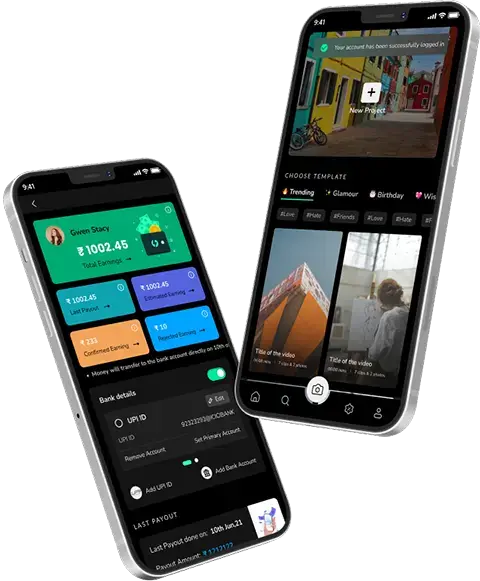



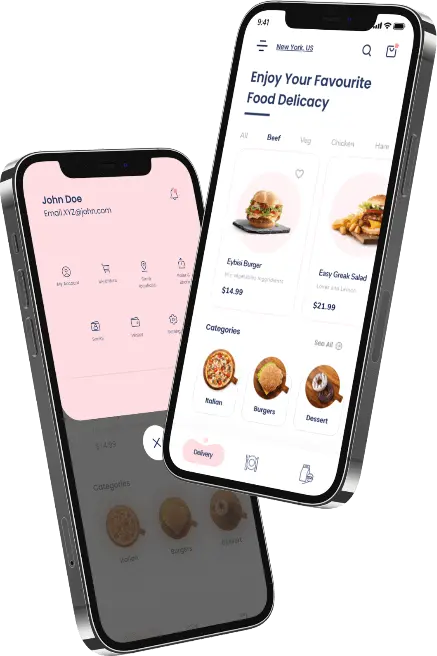

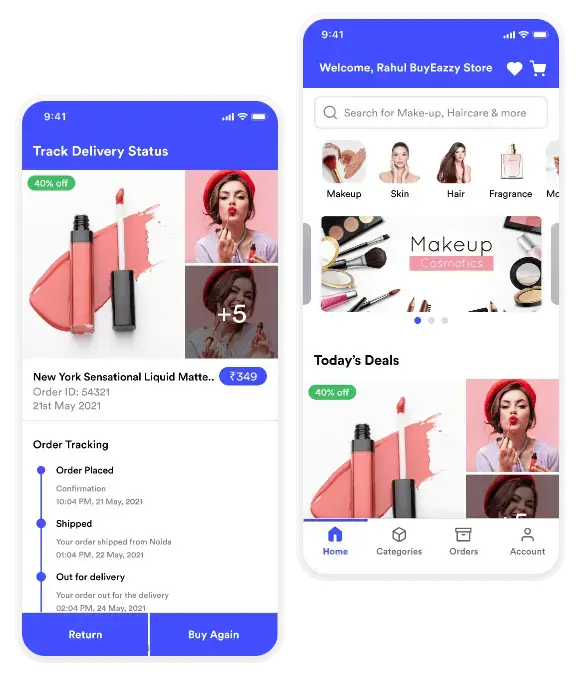



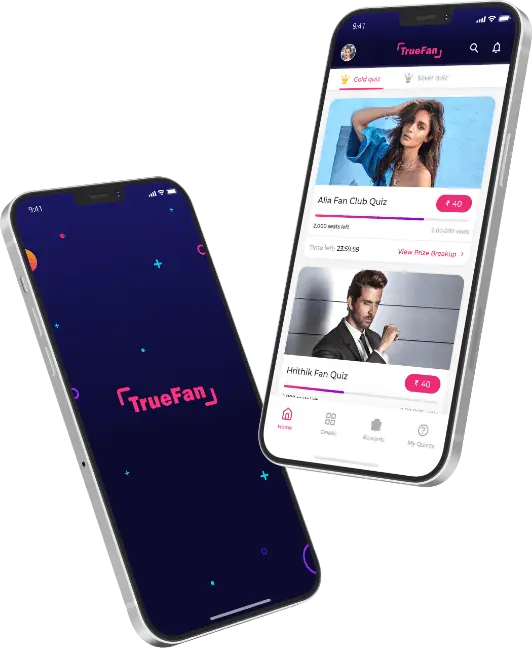



App development is not an event but a continuous process that goes through multiple stages before it becomes a fully functional product. From ideation to deployment, every step plays a critical role in shaping its success.
Once an app is published in the market, expectations are naturally high. You anticipate strong downloads, user engagement, and steady growth. But in reality, things often don’t move as expected. Many apps struggle to gain traction and fail to retain users after the initial launch.
ALAS! This is a harsh reality that highlights an important truth: if you want to achieve long-term success, planning must begin from the very first stage of development.
“If You Fail to Plan, You Are Planning to Fail!” – Benjamin Franklin
It may sound challenging, but it is absolutely achievable when your app is built with scalability in mobile app development in mind so that it can handle growth, deliver consistent performance, and provide a seamless user experience even as demand increases.
Interestingly, research by Google/SOASTA (Google Web Vitals Study) shows that even a 1-second delay in app or page response can reduce user satisfaction significantly, directly impacting retention and engagement. This makes early planning and performance optimization even more critical.
However, many still believe that a great-looking app alone is enough to drive growth but this is where most apps fall short.
What is meant by app scalability?
As the name suggests; scalability is an ability, helping your app to cater to the needs of a growing number of customers, clients, and/or users in the process of creating an app. Further, it enables your app to maintain its recognition in the market and help it to grab new features while running effortlessly.
Types of App Scalability
Understanding scalability helps in better architecture planning. It ensures your app can handle growth without performance issues.
1. Vertical Scalability
This means upgrading the existing server’s power such as CPU, RAM, or storage to handle more load. Instead of adding new machines, you make one server stronger to manage increasing demand.
This approach is simple and often used in the early stages of an app when traffic is low or predictable. However, it has limits because a single server can only be upgraded up to a certain point.
2. Horizontal Scalability
This involves adding more servers or nodes to distribute traffic efficiently. Instead of relying on one powerful system, the workload is shared across multiple machines.
Most modern apps rely on this model because it handles high traffic better, reduces downtime risk, and supports long-term growth. It is widely used in large-scale systems where user demand keeps increasing.
Why app scalability is essential for long-term app success
App scalability is not just a technical upgrade. It directly decides how well an application survives real-world usage. From sudden traffic spikes to long-term user growth, scalability ensures the app doesn’t just “work,” but continues to perform under pressure.
Handles rapid user growth without breaking performance
Modern apps rarely grow in a straight line. They grow in spikes, after a campaign, a viral moment, or seasonal demand. A scalable architecture ensures the system absorbs this growth without slowing down or crashing.
For example, during major sale events like Amazon Prime Day, traffic can jump multiple times within minutes. According to Amazon’s official engineering reports (Amazon Science Blog), their systems are designed to scale automatically across distributed infrastructure to handle peak demand without service disruption.
Without scalability, such spikes would result in slow loading, checkout failures, or complete downtime.
Improves app reliability during peak load
Scalability directly impacts uptime and reliability. A non-scalable app often fails when too many users access it simultaneously, leading to poor reviews and user churn.
A well-known example is Netflix, which runs on a cloud-based microservices architecture. According to Netflix Tech Blog, their system is designed to scale horizontally across AWS infrastructure, allowing them to serve millions of concurrent users globally with consistent streaming quality.
This kind of architecture ensures that even during peak viewing hours, users experience minimal buffering or service interruption.
Supports business expansion and new features
Scalability also determines how easily a business can expand its app functionality.
For instance, when Uber expanded globally, it didn’t rebuild its system for every new market. Instead, as explained in Uber Engineering Blog, its architecture was designed to scale across regions, allowing rapid onboarding of new cities while maintaining system performance.
This flexibility is only possible when scalability is built into the app from the start.
Reduces long-term infrastructure costs
A scalable system may require better planning initially, but it reduces long-term operational costs. Instead of over-investing in fixed infrastructure, companies can use cloud-based scaling models that adjust resources based on demand.
According to Amazon Web Services (AWS Well-Architected Framework), auto-scaling helps businesses optimize cost by ensuring resources are only used when needed, rather than running at full capacity all the time.
This makes scalability not just a technical advantage, but also a financial strategy.
Enhances user retention and brand trust
User experience is directly tied to performance. Studies show that users abandon apps that are slow or unstable.
According to Google/SOASTA Research (Google Web Vitals Study):
- 53% of users abandon a site or app if it takes longer than 3 seconds to load
In mobile apps, this impact is even more critical. A scalable system ensures fast response times even during heavy traffic, which helps maintain user trust and long-term retention.
Future-proofs your mobile application
Technology evolves quickly, and user expectations evolve even faster. Scalable apps are better prepared for:
- sudden traffic growth
- new feature rollouts
- integration with emerging technologies like AI or IoT
- expansion into global markets
In simple terms, scalability ensures your app is not just built for today, but ready for tomorrow’s demands.
Benefits of a scalable app
A scalable app offers long-term benefits that go beyond performance. It helps businesses adapt to user growth, improve engagement, and deliver a consistent experience even during high demand.
1. Gives a personalized touch
Special days come with special emotions attached to it, and thinking to shrug off those heart-touching moments will bring you no good. Therefore, pay attention to these offers and occasions, and capture its beat, so your users will love to stay closer to your app. Plan your app launch around this time so you get sufficient time to promote and market your app and win the hearts of your users.
2. Unlimited growth potential
Eventually, every app serves the different tastes of its dedicated users, and this is what sets it apart from other competitors in the market. There is much more that is taken into consideration to build an app solution, and if planned WELL, trust me it can grow beyond the expectations.
When you scale your app from the initial, so the constant fear of getting negative feedback, reduces to NIL, as you have already put your best foot forward to address the users’ needs through your app solution.
3. Valuable user-experience is knocking at the door

Indeed, we all live in a digital world, where every service around us is picking the benefits out of the app technology. Despite having millions of apps available in the market, only a few get on the users’ smartphones and stay there forever. Here, it picks the significance of mobile app design, which results in managing the app usability with high-end user-experience effortlessly.
How to Build a Scalable App for Long-Term Success
Building a scalable app starts with the right foundation. It requires thoughtful planning of architecture, technology stack, and infrastructure so the app can handle future growth without performance issues.
A key step is choosing a modular or microservices-based architecture, which allows different parts of the app to scale independently. Along with this, using cloud platforms helps manage traffic fluctuations through auto-scaling and flexible resource allocation.
Database design also plays an important role. A well-structured database, combined with caching techniques, ensures faster response times even as user data grows.
Finally, regular performance and load testing is essential to identify bottlenecks early and ensure the app remains stable under real-world conditions. When these elements come together, they create a strong base for a mobile app that can grow smoothly over time.
Is your app scalable?

That’s probably the question running in your mind after reading this post.
Let’s clear it without any confusion.
The simplest way to understand whether your app is scalable or not is through proper testing.
Yes, you read that right.
Testing helps evaluate how your app performs under different conditions, especially when user load increases. It highlights performance gaps early and helps you identify issues that could impact scalability in real-world usage.
Without proper testing, even a well-built app can struggle when traffic grows.
That’s why scalability testing is not optional but it is a critical part of the development process and should always be planned from the very beginning.
What more do you get with app scalability?
Well, more said is less here, as testing already makes your app put the best foot forward to measure the users’ response, and check which is the BREAKING-POINT of your app. You have a goal to meet your users’ expectations, and testing just helps you achieve it. In simpler words, it helps your app to improve its performance and optimize the consumption by analyzing data and setting it higher on the scalability level.
In simple terms, scalability-focused testing helps you:
- improve overall app performance
- understand user response patterns
- optimize system resources and data handling
- ensure smoother experience during high usage
Ultimately, it allows your app to stay stable, efficient, and user-ready even as demand continues to grow.
Test Your App with Techugo
App scalability pushes a mobile application forward to be exceptionally efficient and serves the users’ growing demands. Not many out there are convinced about the benefits of app scalability, but planning and executing it from the very initial stage of mobile app development can be a turning point for your app’s success plan.
If you really want your app to capture users’ attention amid the unnecessary clutter in the market, then don’t treat scalability as a casual factor. Instead, consider it a necessary part of your app development journey.
Now you must be curious to know how to take it ahead and scale your app effectively.
Don’t panic. We’re here to answer your queries and assist you in crafting a high-performance, scalable mobile app solution that helps your business grow to new heights.
Connect with Techugo, a trusted mobile app development company, and let’s transform your idea into a scalable, future-ready digital product.

Get in touch
We'd love to hear from you.