

 SA
SA
 KW
KW
 IE
IE AU
AU UAE
UAE UK
UK USA
USA
 CA
CA DE
DE
 QA
QA ZA
ZA
 BH
BH NL
NL
 MU
MU FR
FR














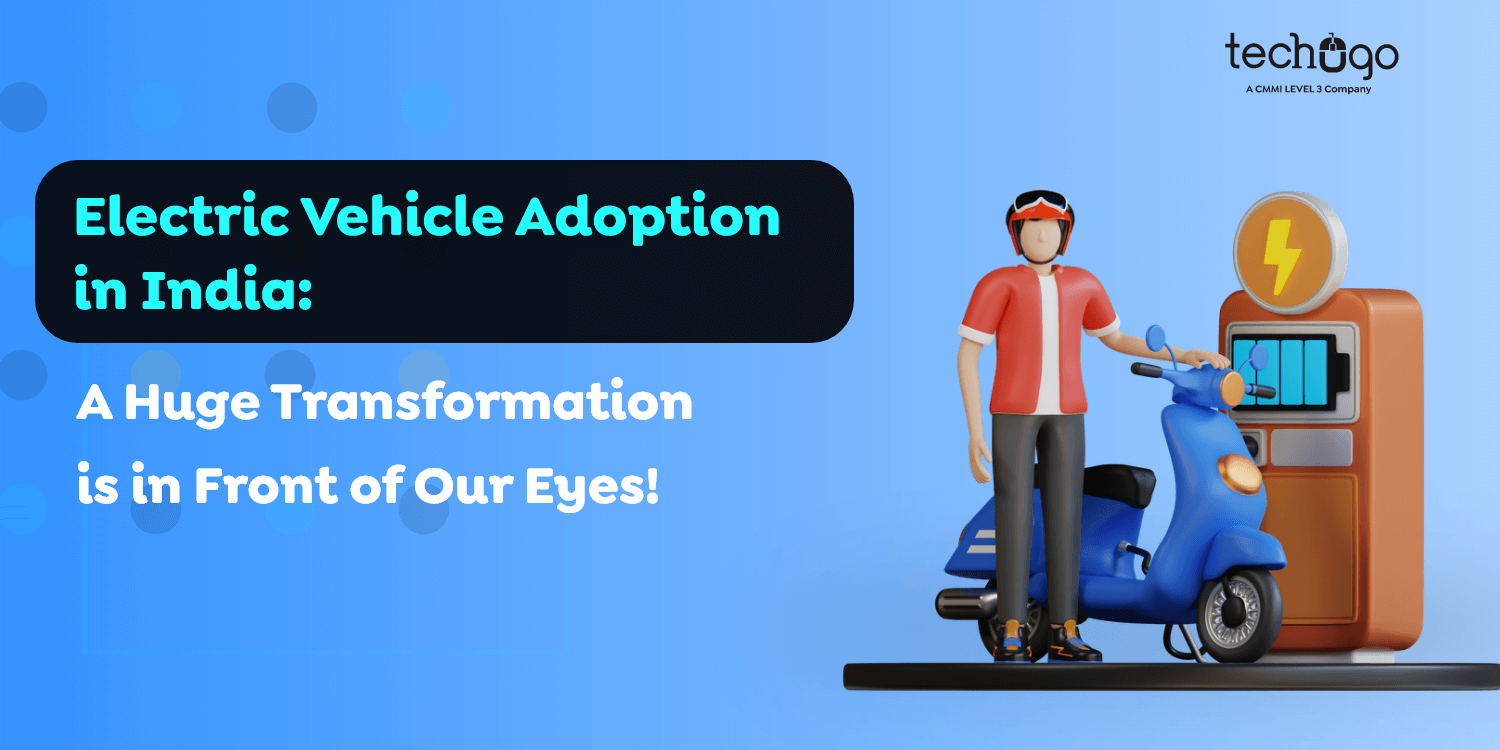


The EV market is boosting up already, and with initiatives brought in by our Indian government, such as FAME (Faster Adoption and Manufacturing of Electric/Hybrid Vehicles in India), it has reached a new level of growth.
According to the International Energy Agency (IEA), India is among the fastest-growing EV markets, with over 1.5 million electric vehicles sold in 2023, supported by subsidies and expanding charging infrastructure.
With targets set for EV sales penetration across buses, cars, two- and three-wheelers, and commercial vehicles, the policy framework encouraged large-scale electric mobility adoption. As electric vehicle usage in India increases, major technological transformation is taking place.
Since electric vehicle adoption in India is increasing, we can witness a lot of technological transformation. For instance, the batteries are replacing the conventional ICE engines, accompanied by a Battery Management System, and the motors and controllers are replacing the traditional transmissions.
Moreover, businesses now have more opportunities to connect with their end-users through tech advancements and trends, such as building their own EV charging station finder apps for people who can take their EVs anywhere without worrying about charging.
A complete guide is right here. Read further to explore the benefits and opportunities hidden inside EV charging station app development.
Also Read: AI in Connected Vehicles: The Massive Revolution in Automotive Industry!
How is India Emerging as a Tech Hub for EVs?
As technology is taking centre stage, India is becoming a tech hub for EVs, and here are the stats proving the same:
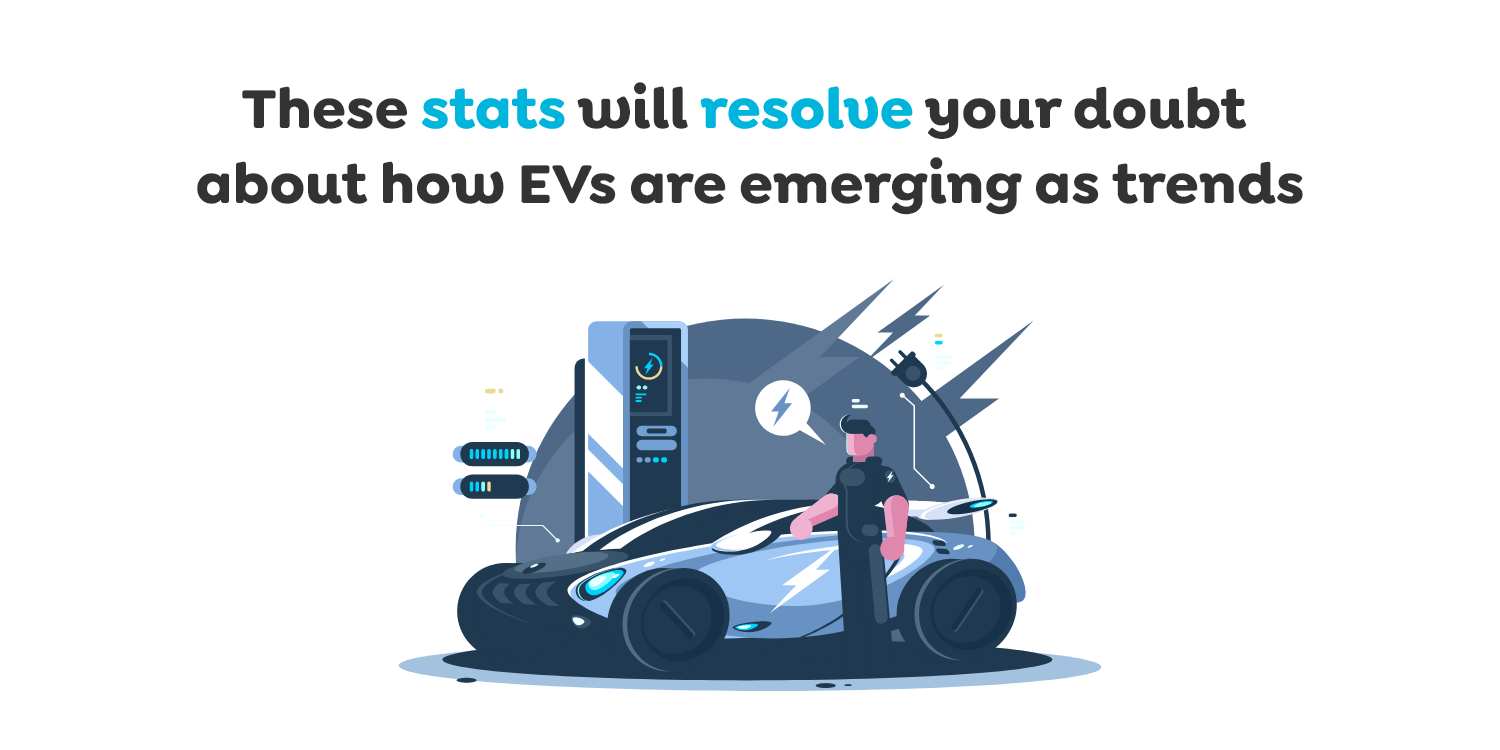
- In 2025, India sold about 2.3 million electric vehicles, accounting for roughly 8 % of all new vehicle registrations, with two-wheelers making up the largest share of that growth.
- EVs accounted for around 6.7 % of total vehicle sales in 2025, with significant penetration in two-wheelers and commercial three-wheelers. A sign that adoption beyond niche segments is gathering pace.
- The Indian public EV charging network has expanded rapidly, with 29,277 public charging stations operational as of August 2025, up sharply from about 5,151 in 2022.
- Analysts project that by 2030 India could see 12 – 13 million new two-wheeler EVs and 1 million new four-wheeler EVs sold annually. This highlights the scale of future growth opportunities across vehicle segments.
- To support this, industry reports indicate the need for 1.3 – 1.32 million EV charging stations by 2030. This requires installation of hundreds of thousands of chargers each year.
- Globally, the EV charging station market was valued at about USD 31.13 billion in 2024 and is forecasted to expand significantly through the end of the decade (up to USD 358.89 billion by 2032), underlining worldwide demand for charging infrastructure
What are the Key Factors Driving EV Adoption in India
Electric vehicle adoption in India is not happening because of one single reason. It is the result of several changes coming together at the same time. Changes in policy, technology, and everyday consumer behaviour. What once felt like a future concept is now becoming part of routine transport across cities and even smaller towns.
One of the biggest drivers is fuel economics.
With petrol and diesel prices remaining unpredictable, EVs are slowly proving to be more practical for daily travel. A two-wheeler used for office commutes or a three-wheeler used for local deliveries can save significantly on running costs over time. This is why electric mobility in India is first growing among delivery fleets, cab operators, and urban commuters who calculate cost per kilometre rather than just vehicle price.
Another major factor is government push and policy direction.
Subsidies under central and state EV policies have lowered the entry barrier for buyers. At the same time, initiatives to boost domestic battery production and EV manufacturing are strengthening the EV market in India from the supply side. This combination of demand incentives and production support is helping EVs move beyond pilot projects into real commercial use.
Then comes charging access, which is closely tied to confidence.
Range anxiety used to be a major obstacle, but EV charging infrastructure in India is slowly becoming more visible in malls, office parks, highways, and residential complexes. For example, highway corridors between metro cities are now seeing fast chargers installed at regular intervals, making intercity EV travel more realistic than it was a few years ago. As this network grows, it directly supports higher electric vehicle adoption in India by reducing dependency on home charging alone.
Technology also plays a quiet but important role.
Smart dashboards, mobile-based monitoring, and location-based services have made EV usage more predictable and manageable. Today, drivers can plan routes based on charger availability, check real-time station status, and even reserve slots in advance. This is where digital platforms and an EV charging app development company naturally become part of the ecosystem, not as the main driver of adoption, but as an enabler that makes EV ownership smoother and more reliable in everyday life.
Also Read: Integrating Generative AI with IoT and Sensor Data in Smart Vehicles
Finally, there is a shift in consumer mindset.
EVs are no longer seen only as eco-friendly alternatives; they are increasingly viewed as practical vehicles for short and medium-distance travel. Two-wheelers for daily commuting, electric autos for city transport, and electric buses for public mobility are proving that EVs fit into real use cases, not just policy targets. This growing acceptance is strengthening the base of battery electric vehicles in India and preparing the market for larger adoption in passenger cars and commercial fleets.
Together, these factors (cost advantage, policy support, expanding EV infrastructure in India, digital tools, and changing user behaviour) are shaping a steady transition toward electric mobility. Rather than a sudden shift, EV adoption in India is unfolding as a connected system where technology, transport, and energy move forward side by side.
What Is an EV Charging Station Finder App?
An electric vehicle charging station app lets the users find a nearby electric station from where they can refill their EVs. Using the app, users can access the ratings, real-time availability, descriptions, and images of the stations and the plugs they support. Not just this but users can also get notifications when they are closest to a charging station.
How Does an EV Charging Station App Work?
No denying the fact that these digital solutions are accelerating the electric vehicle adoption rate in India with the seamless working procedure they provide. Move in to get a complete insight.
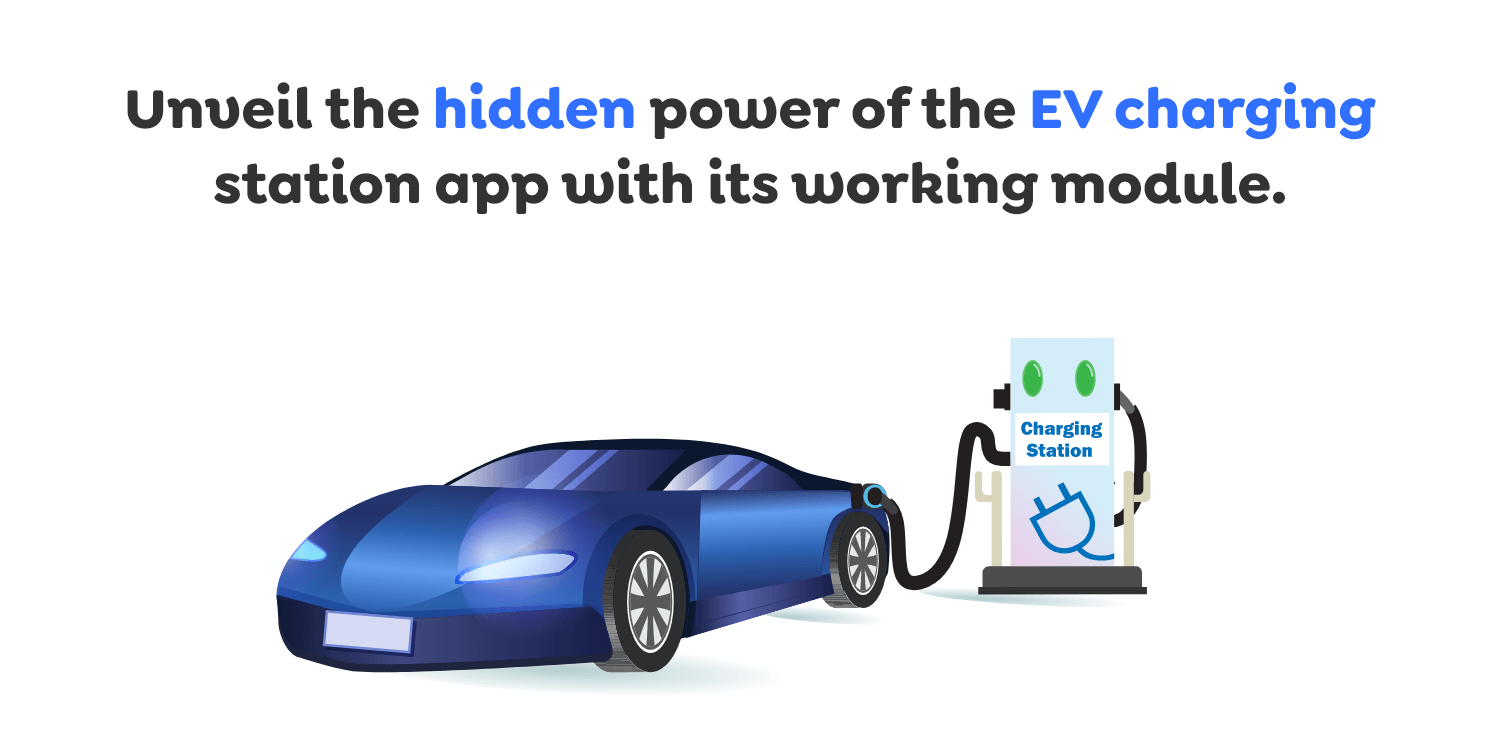
- Registration: Users have to register on the app for its usage, just as they do in any other app, by simply entering their details.
- Location: Location access is a must for EV charging station apps to provide users with all options available nearby their areas.
- Station Details: An insight into the details of an EV charging station, like station images, charging slots, user reviews, and station operational hours, is all accessible to users.
- Slot Booking: Even it is easier to book an available charging slot with these apps.
- Payment Options: Instead of cash, users can pay in different modes such as Crypto wallets, credit/debit cards, PayPal, etc.
- Notifications: Enabling push notifications helps users get alerts and messages about payment confirmation, offers, discounts, and other rewards.
Why Do Users Need an EV Charging Station Finder App?
The reasons why users are emphasizing the use of EV charging station apps are given here.
- To avoid situations like when an EV gets discharged in the middle of the road, users require an EV charging station app.
- Users who don’t have the facility to charge their EVs at home can put their blind trust in these digital solutions.
- The rider will go on a trip smoothly without worrying about stopping in the middle due to an electricity shortage.
Why Entrepreneurs Should Invest in EV Charging Station Apps
Although the beginning of this guide already told you about the emerging opportunities coming with the initiatives by the Indian government, if you still want to know why it is a profitable approach for you to build your own EV charging station finder app, let’s explore further.
For entrepreneurs, this is not just a tech trend but a chance to build a scalable business in the booming electric mobility sector. When you invest in a mobile app for EV users, several advantages come into play:
- When you have your mobile app, improved customer retention, and increased business exposure, all will be achieved sooner.
- Compared to diesel/petrol vehicles, EVs are more pollution-free and economical, increasing the demand for charging stations.
- Multiple advantages can come to your business when you have your own EV charging station app.
- Entrepreneurs will get business reach and extend their user experience.
- The electric vehicle market can reach 26,951,318 units by 2030.
- With many monetization models available, you can earn revenue and make the most of your app.
In short, the combination of policy support, rising EV adoption, and digital solutions like EV app development makes investing in a charging station app a smart, forward-looking business strategy.
Entrepreneurs who step into this ecosystem today are likely to enjoy long-term growth, brand recognition, and the chance to shape India’s electric mobility future.
What Should Be The Top Features of an EV Charging Station Finder App?
As people attract to an app with its features, you must consider suitable approaches and integrate all the top-notch features that make your app a magnetic element among your competitors.
Here are all features for you to add while developing your own EV charging station finder app.
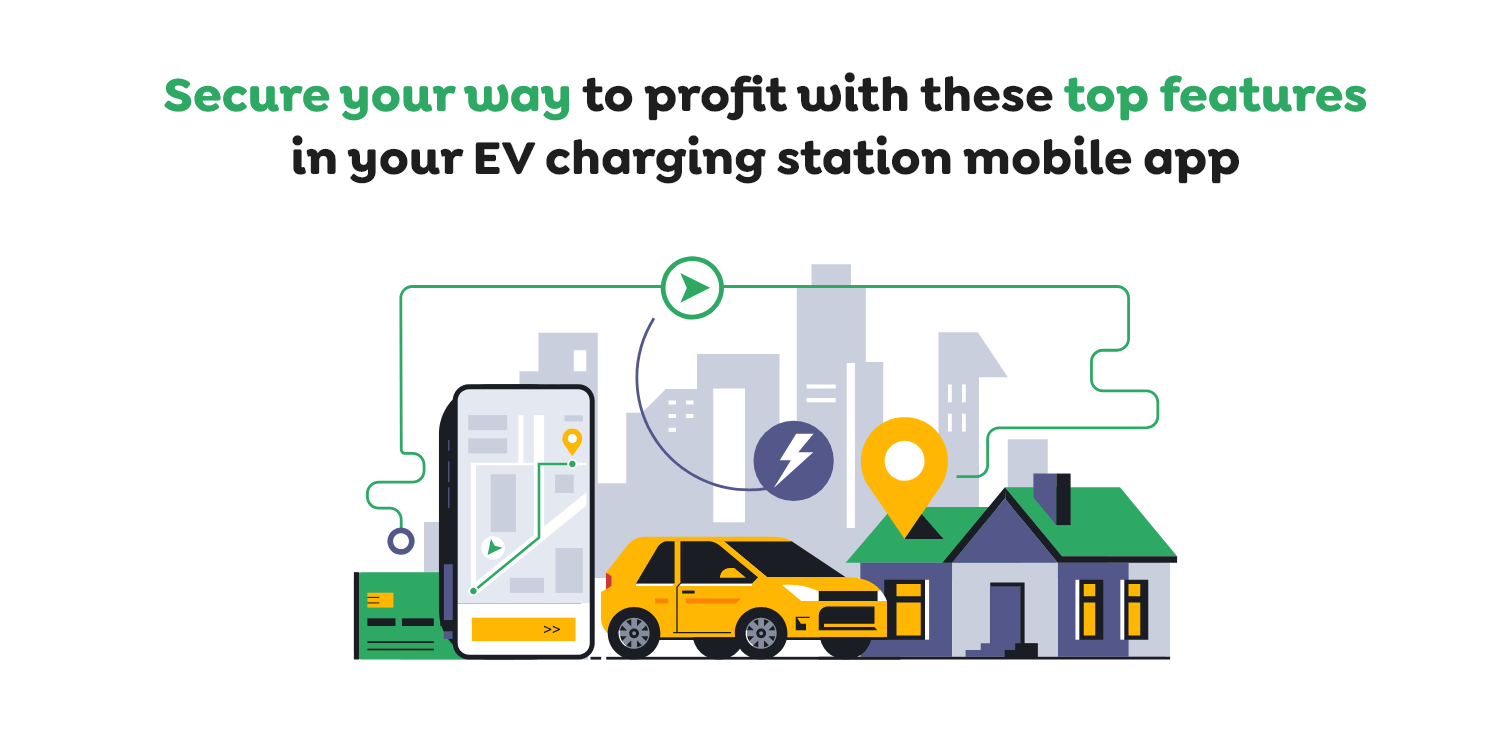
Filter EV Station Search
For users to filter the search as per their requirements, you must provide some options like:
- Station Category (Public, HighPower, LowPower)
- Charging Plugs (Type of plugs at the charging station)
- Availability (Under Maintenance, Restricted, Closed, Open)
- Station Amenities (The charging station’s features)
- Charging Networks (Charging network of any particular company)
- Reviews & Ratings
Book Charging at the Station
To find the available slot to refill their vehicles with electricity, users must be provided with access for booking. This will prevent them from waiting in a long queue at the station.
Payment Facility
Payment should be made in various ways like Net banking, Debit cards, Credit cards, online, cash, or digital wallets, and integration of a robust payment gateway like Stripe can help you achieve that. Instead, users can create their own wallets to store money.
Trip Planner
This feature lets users know when they need charging during a long trip. Interestingly, it will combat the toughest challenge most users feel with EVs.
Residential Charger Sharing
That’s not it, but users can also share their residential charger with any rider who has the urgency to charge their vehicle, and this can be done in any way, free or paid.
Add your Station
Users can use this feature to add details of a recently discovered charging station for future reference.
In-app Navigation
What lets the user find the right spot where they can have their vehicle charged is this feature. The user can reach the supposed destination following the directions provided through GPS and map APIs such as Google Maps.
GPS Tracking
It is similar to what we have mentioned in in-app navigation. However, GPS lets you find your own nearby charging station.
CRM Integration
Every entrepreneur wants to run their business in the long run.
And guess what?
CRM integration ensures the same.
Not only can you maintain your existing ones but also the new customers and serve their different needs and requirements.
Chatbot Integration
Virtual support to your end-users is what chatbots ensure.
Without waiting for long to get support and assistance from customer executives, users can resolve their queries in a matter of a few seconds and minutes.
Interesting, isn’t it?
Loyalty Programs
It is one of the deriving ways that lets you engage your customers on the app. While getting some rewards, opportunities, and special offers, your end-users get a reason to keep returning to your application. Consider the assistance of an Escooter app development company if you want to build your own digital solution today.
Which Tech Stack Should You Use for the EV Charging Station App?
Now that you have mastered everything about all those features that will let your app stay ahead of the curve, it’s time to get a glimpse of a tech stack that will make your app run seamlessly. Indeed, a top mobile app development company in India, will help you integrate all these robust technologies into your app.
- Framework: Laravel
- MS, Voice, and Phone Verification: Nexmo, Twilio
- Cloud Environment: Azure, VULTR, Google, AWS
- Server: NGINX
- Push Notifications: Urban Airship, Twilio, Cloud Messaging, Push.io, Amazon SNS, Firebase Cloud Messaging
- Database: Mail Chimp Integration, MongoDB, MySQL, HBase Cassandra
- Real-time Analytics: BigData, IBM, Hadoop, Apache Flink, Spark, Cisco
- Payments: PayPal, EWallets, Braintree, Stripe
- Find user location: Google Maps, Core Location Framework, Google Places API.
How Much Does It Cost To Develop an EV Charging Station App?
The cost of developing an EV charging station app depends on multiple factors, and understanding them can help you plan your investment better. Some of the main factors include:
Also Read: Electric Vehicle Software Development Guide: Features, Cost & Benefits
- App features – the more advanced functionalities like slot booking, trip planner, residential charger sharing, and loyalty programs you include, the higher the cost.
- App complexity – simple apps with basic features cost less than apps with real-time analytics, payment integrations, or GPS-based navigation.
- Functionalities – features like in-app payments, notifications, and chat support influence development effort.
- Design – custom UI/UX, interactive dashboards, and user-friendly interfaces add to the investment.
- Development team – hiring an experienced team or working with a specialised EV charging mobile app development company can affect pricing.
- App development time – faster delivery or multiple platform support (iOS + Android) can increase costs.
- Other factors – backend infrastructure, third-party integrations, security measures, and ongoing maintenance.
Considering these elements, the estimated cost to develop an EV charging station app in India generally ranges between:
- Basic to Medium Complexity App: ₹16.6 lakh – ₹66.4 lakh ($20,000 – $80,000)
- Advanced App with AI, Analytics, Multi-Platform Support: ₹83 lakh+ ($100,000+)
If you have an app idea and want a precise estimate, it’s best to consult with experts at a leading on-demand app development company, who can guide you through budgeting, features, and the development roadmap.
Future of Electric Vehicles in India
Also Read: Top 7 Automotive Tech Trends in Saudi Arabia: ADAS, Connectivity, & Smart Vehicles
1) Expanding EV Infrastructure Across the Country
The expansion of EV infrastructure in India is one of the key factors shaping the future of electric vehicles. Public and private players are rapidly installing charging stations across metro cities, highways, and industrial corridors, reducing range anxiety for users. Tata Power, for instance, has established over 2,500 charging stations, and several startups are entering the market with innovative solutions like residential charger sharing platforms. These developments are paving the way for higher penetration of battery electric vehicles in India, from two-wheelers and three-wheelers to passenger cars and commercial fleets.
2) Advancements in Battery Technology and Vehicle Efficiency
Cost reductions in lithium-ion batteries and emerging alternatives like solid-state and sodium-ion batteries are making EVs more affordable and efficient. Improved battery performance means vehicles can cover longer distances, enabling practical intercity and rural usage. Entrepreneurs and businesses can leverage this growth by partnering with an EV Charging App Development Company to create digital solutions that connect users with fast, reliable charging networks.
3) Smart Mobility and Digital Integration
Urban mobility is being transformed with smart technologies. Apps for navigation, real-time charger availability, and trip planning are becoming essential tools for EV users. This convergence of EV app development and electric mobility in India not only enhances convenience but also strengthens the overall adoption ecosystem.
4) Projected Growth of India’s EV Market
India’s electric vehicle market is projected to surpass 26 million units by 2030, driven by consumer awareness, fleet electrification, and government policies like FAME II and state-specific incentives. Companies investing in EV software solutions — for charging management, fleet monitoring, or consumer engagement — are positioning themselves to benefit from a high-growth sector in the long term.
5) Business Opportunities in the EV Ecosystem
The future of electric vehicles in India is not just about cleaner transport; it is about creating an ecosystem where technology, infrastructure, and user adoption work together. Businesses that invest in EV mobile app development and digital solutions today can unlock significant opportunities as the country moves toward a greener, smarter, and more connected mobility landscape.
In a Nutshell!
Electric vehicle adoption in India is rising with the technological advancement brought in by the government. The days are not far when India becomes a hub for technology and EVs and brings opportunities for startups and entrepreneurs to surpass the progressive milestones.
For you to earn from this opportunity with your own app for the EV industry, get in touch with our top-notch developers at Techugo.
With our leading expertise, you will have more than you’ve dreamed of.

Get in touch
We'd love to hear from you.