

 SA
SA  KW
KW  IE
IE AU
AU UAE
UAE UK
UK USA
USA  CA
CA DE
DE  QA
QA ZA
ZA  BH
BH NL
NL  MU
MU FR
FR [ LET’S TALK AI ]
X
Discover AI-
Powered Solutions
Get ready to explore cutting-edge AI technologies that can transform your workflow!



Get ready to explore cutting-edge AI technologies that can transform your workflow!






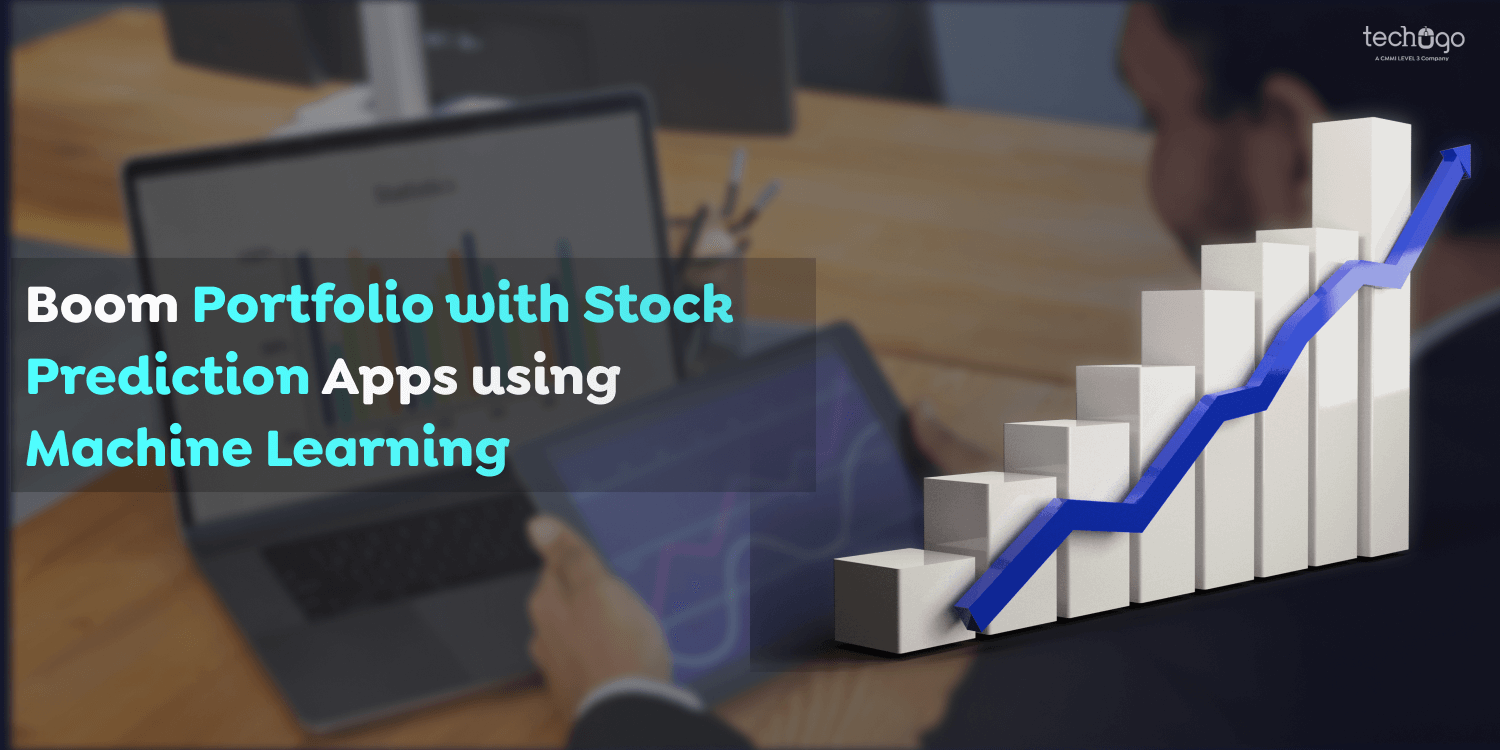
In the modern world, where finance is moving fast, almost too fast sometimes, stock market forecasting tools have become one of the most valuable assets for investors and financial institutions. Prediction systems are no longer built only on past numbers with the growing role of artificial intelligence (AI) and machine learning (ML). They now use intelligent models that study patterns, signals, even sentiment and then attempt to predict future price movements. This shift, slowly but surely, has changed how stock markets behave and how decisions are made.
So, if you are planning to build a stock prediction app using machine learning, working with an experienced fintech mobile app development company becomes important (not optional anymore).
At our machine learning app development company, advanced technologies are used to create data-driven financial applications that scale with market demand. This blog explains how machine learning in stock market prediction actually works, and why modern stock trading and investment apps are increasingly dependent on AI-powered forecasting models for better accuracy, better timing, and ideally better decisions.
Also Read: Why AI in Stock Trading is a Game-Changer for Investors

Many factors influence the financial market experience, including, global econometric drivers and state-of-the-art stockholder sentiment. Hence, a precise forecast can be the difference between the success or failure of investment plans, especially in a turbulent environment.
Stock prediction apps powered by machine learning cater to various users, including:
When users patiently download and install a stock prediction app on their devices, they can quickly make informed decisions based on real-time information, minimizing the risks inherent in a competitive business. Such apps only convert complicated data into helpful decision-making, which is why they are essential to the current financial environment.
Also Read : Unleashing The Power Of Ai Transforming Software Development With Machine Learning
Stock prediction apps are digital tools designed to analyze market data and estimate future stock price movements using algorithms and data models. These apps combine historical price trends, real-time market signals, company fundamentals… and sometimes even news or social sentiment. All of it goes into producing predictive insights for traders and investors.
Unlike traditional stock market tools that depend mostly on charts and manual analysis, modern stock prediction apps using machine learning work differently. They automatically process massive volumes of data, find patterns (some obvious, some hidden), and turn them into signals that support faster decision-making. Especially when the market becomes volatile… or unpredictable.
Several well-known financial platforms already apply prediction logic and AI-driven insights in real-world scenarios:
Uses data-driven models and behavioral analytics to show trend indicators, price movement signals, and market alerts for everyday investors. It is not just about buying and selling anymore, it is also about understanding what might happen next.
Brings together analyst forecasts, historical trend analysis, and predictive metrics to help users estimate how a stock could perform in the near future. News, numbers, projections, all in one place.
Provides technical prediction tools based on indicators and algorithmic models that traders use to anticipate price direction, reversals, and breakout points (before they happen, ideally).
These examples show that machine learning in stock market prediction is no longer theoretical or experimental. It is already influencing how millions of users track stocks, manage portfolios, and react to market movements, sometimes within seconds.
In simple terms, a stock prediction app works like a digital investment assistant. It does not promise guaranteed profits. But it does improve the speed and quality of decisions by converting raw financial data into structured, actionable insights. And that difference matters, especially in modern trading environments.
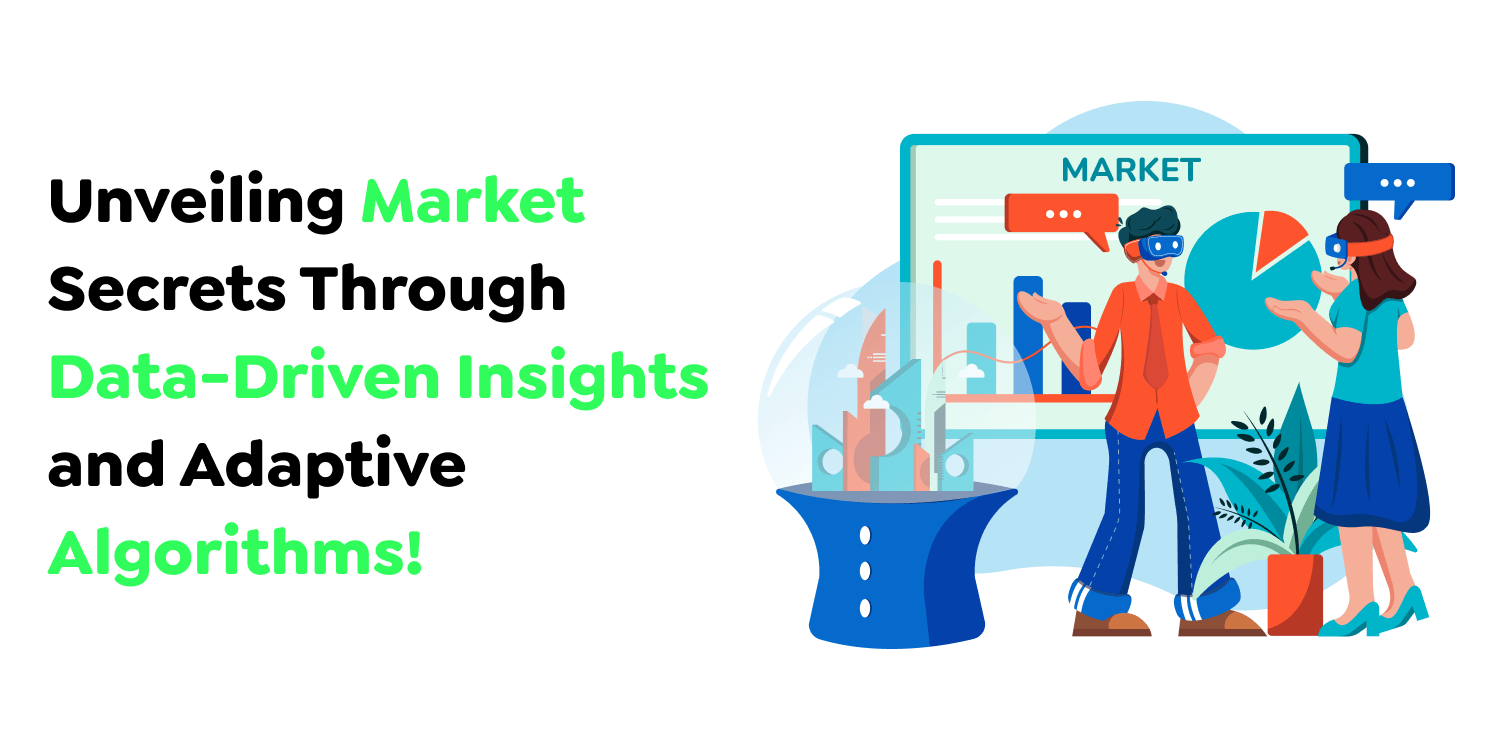
Machine learning excels at finding patterns in large datasets, making it ideal for analysing stock market data. Stock prices are time-series data—sequential and influenced by historical performance—which aligns perfectly with ML algorithms. Here are the key reasons why machine learning is transforming stock prediction:
Just Read : Stock Trading App Development Eliminate Middleman Invest Wisely
Data-Driven Analysis: ML models can analyse large amounts of data and make decisions humans can’t process.
Real-Time Adaptation: Machine learning also means that algorithms are constantly updated as new data arrives, so the predictions are fresh and suited to adjust to a fluctuating market.
Improved Accuracy: Compared with traditional statistical models, forecasts produced with ML models are more accurate because they identify multi-dimensional, non-linear relationships in data.
Diverse Data Integration: Such models take into account features of past and present prices, daily trading volume, the sentiment of the news, and the macroeconomic environment.
Automation: ML allows for the complete automation of trading systems, reducing the chances of errant decisions and eliminating impulses that cloud one’s decision-making.
By leveraging machine learning, stock prediction apps empower users with sophisticated, user-friendly predictive capabilities, transforming how investors approach financial markets.
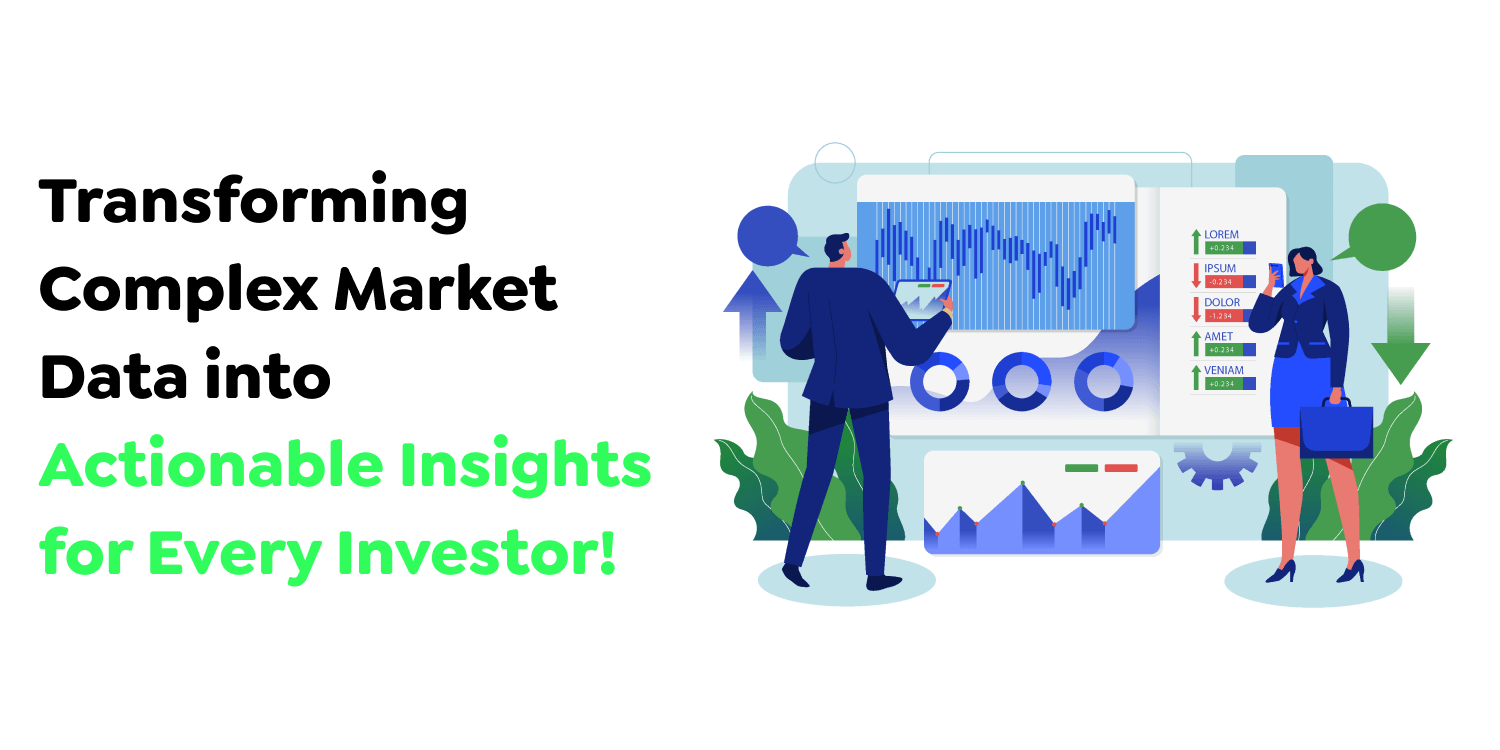
Stock prediction apps use machine learning algorithms to analyse historical data, identify patterns, and predict future price movements. Here’s an in-depth overview of how these apps work:
Data Collection: The app gathers data from various sources, including stock exchanges, financial news, social media, and macroeconomic indicators. This ensures the model has diverse information to analyse.
Data Preprocessing: Raw data is cleaned and formatted to ensure accuracy and compatibility with ML algorithms. Noise and irrelevant information are removed during this step.
Feature Engineering: Key features, such as moving averages, volatility metrics, and sentiment scores, are extracted to enhance model performance and improve prediction accuracy.
Model Training: The app trains ML models, such as Long Short-Term Memory (LSTM) networks or Random Forest, on historical data to learn patterns and relationships critical for making accurate forecasts.
Prediction Generation: The app uses real time data to generate forecasts and actionable insights tailored to user preferences and market trends.
User Interface: Predictions are displayed through interactive dashboards, alerts, and visualisations, making them accessible and easy to interpret for users of all experience levels.
This systematic approach ensures that stock prediction apps are accurate, intuitive, and user-friendly, bridging the gap between advanced analytics and practical application.
Also Read : Doordash Uses Machine Learning And Optimization Models To Enhance Customer Experience Heres How?
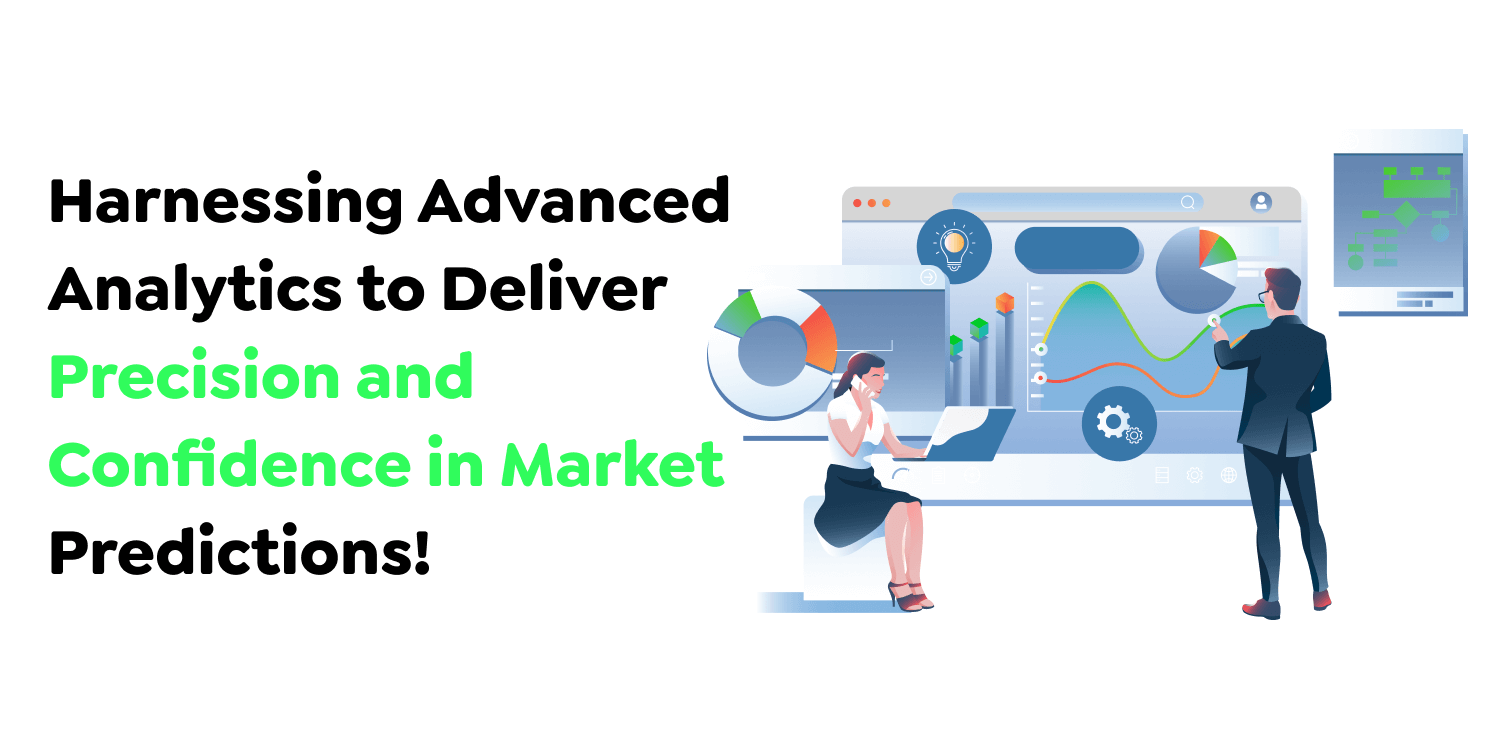
Stock prediction apps, especially those built on machine learning in stock market prediction, can be helpful. But they are not magic. And they are never perfect. No model, no algorithm, no app can promise 100% accuracy mainly because financial markets are volatile by nature. Random and sometimes emotional too.
Still, when researchers test these systems using historical and live datasets, certain performance patterns begin to appear.
Deep learning models such as LSTM (Long Short-Term Memory) usually perform better than traditional statistical methods. In several comparative studies, LSTM-based systems combined with sentiment indicators reached predictive accuracies above 90% for trend classification tasks, while also outperforming models like SVM and Random Forest in directional predictions.
In another study published by Nature, an LSTM model integrated with technical indicators achieved forecasting accuracy close to 93% on optimized datasets.
Broader academic surveys also show a wide performance range. Most machine learning models report accuracy between 60% and 80% when predicting short-term directional price movements. The variation depends on the market, the data, and the testing method.
So yes, accuracy exists. But it depends. It depends on setup, on time frame, and on what exactly you are trying to predict (direction vs. value).
Sentiment-based prediction has gained attention, especially with the use of language models such as BERT, FinBERT, and OPT. In one large-scale analysis, an OPT-based sentiment model achieved classification accuracy above 74%, significantly outperforming dictionary-based sentiment methods that hovered closer to 50%.
This does not mean sentiment can predict prices directly. It helps in a different way. It captures how markets feel about news, events, earnings, politics. And that feeling often moves prices, at least in the short term.
Some machine-learning-driven trading strategies show very high returns in back-testing environments. But real-world performance tells a more cautious story. Research reviews suggest that once biases and unrealistic assumptions are removed, many of these systems perform only slightly better than benchmark strategies.
Which highlights an uncomfortable truth: beating the market consistently is hard. Even with advanced models.
Most reported accuracy figures come from back-testing. Not live markets. Walk-forward testing and out-of-sample validation give a truer picture, though even that changes with market cycles.
Systems that combine historical price data, technical indicators, and sentiment signals tend to perform more consistently than single-input models. Many modern prediction engines use ensemble or stacked architectures for this reason.
When markets shift suddenly (crashes, wars, economic shocks), prediction accuracy drops. Adaptive retraining helps. But it never removes uncertainty entirely.
Most useful prediction systems focus on whether a stock may go up or down, rather than predicting an exact price value. Directional forecasting is more stable. And more practical for trading decisions.
In short, stock prediction apps powered by machine learning do offer analytical advantages. They process more data than humans ever could. They find patterns faster. But their accuracy depends on model design, data quality, and market behavior. They guide decisions. They do not guarantee profits. And that distinction matters more than most investors expect.
Also Read: AI Machine Learning Helping App Development Field
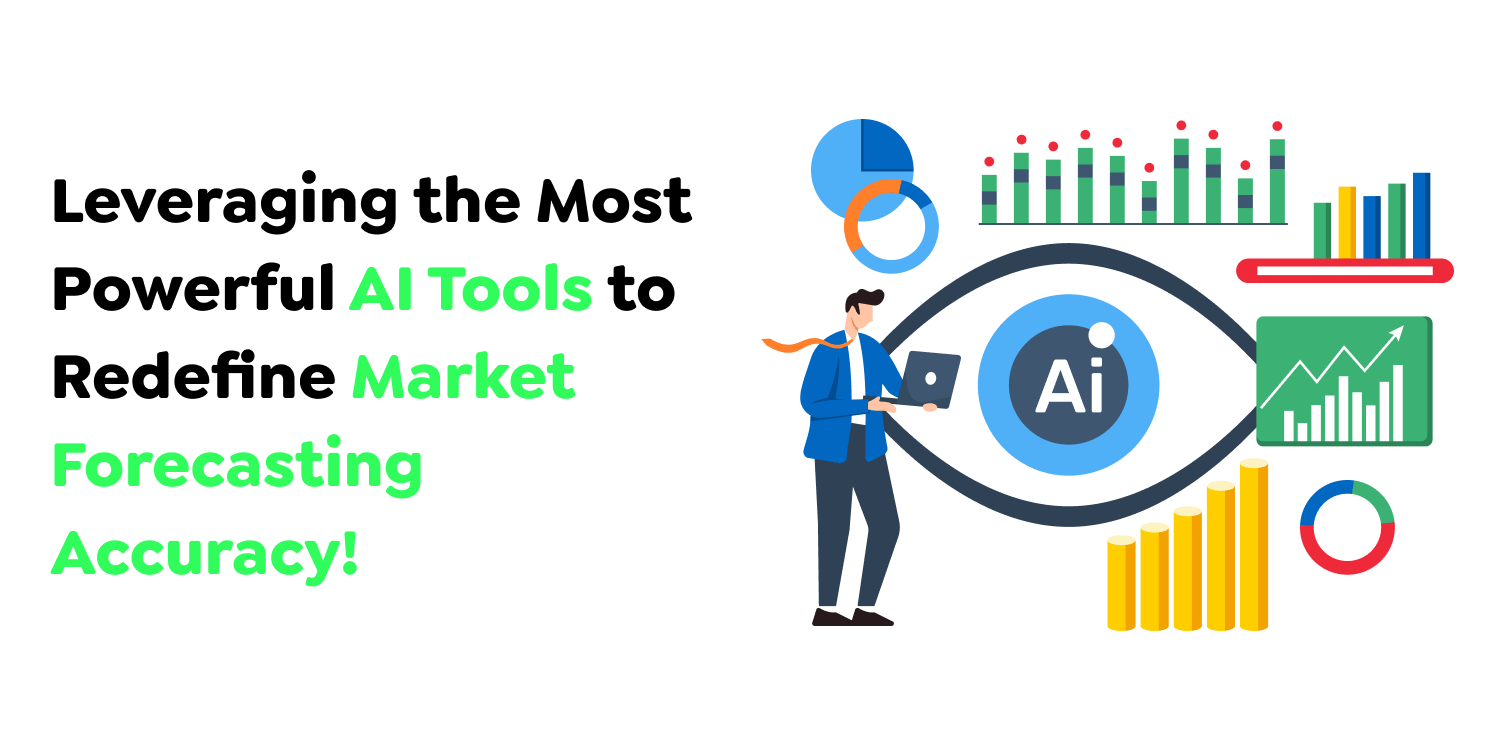
Developing a stock prediction app requires integrating various machine learning technologies. Below are some of the most effective models and techniques:
Stock prices are time-sensitive, meaning time series analysis is a foundation of prediction applications. Commonly used ML algorithms include:
Unlike traditional machine learning methods, reinforcement learning focuses on making sequential decisions. It is very effective for every type of trading where the trading system learns how to buy or sell stocks by furthering its long-term goals through exposure.
Through processing news and social media feeds or financial statements, sentiment analysis models judge the market sentiment on a specific stock or even the entire market. Popular techniques include:
It is widely known that combining different deep learning algorithms improves performance. Decision trees, such as Random Forest, Gradient Boosting, and XGBoost, combine separate estimations to enhance proficiency and stability.
Feature selection plays a critical role in parsing important information from raw data. Taking a derivative of price data improves the forecasts, use of moving averages, Relative Strength Index (RSI), and Bollinger Bands, among others.
These trending technologies constitute the foundation of today’s stock prediction applications, making them accurate and scalable.

In today’s world, where the marketplace is filled to the rafters with stock prediction applications with mobile payment methods, your unique selling proposition has to be distinctive and based on what the consumer wants. Here are some essential features to consider:
Real-Time Predictions: Provide real-time analysis results with accurate time market information to allow interaction with trading signals.
Interactive Dashboards: To demystify data representation, allow users to select visualisation tools such as candlestick charting, trending lines, and heat mapping.
Custom Alerts: Send push notifications and Emails to notify users about probable trading opportunities or changes in the market.
Integration with Brokers: Enable users to trade within this app directly by connecting brokerage accounts, making investing easier.
AI-Driven Recommendations: Give users information about stocks that interest them based on their likes, risk appetite, and previous transactions.
News Aggregation: We supply news on financial performance and an analysis of its sentiment to enhance our understanding of forecasts and help us make the right choices.
Educational Resources: Include tutorials, glossaries, and investment strategies for beginner investors, fostering financial literacy and user engagement.

At our mobile App Development Company, we follow a structured approach to deliver high-quality, robust financial applications. Here’s how we bring your stock prediction app to life:
We understand your business goals, target audience, and desired features. This helps us craft a strategic solution tailored to your needs.
Our team gathers and cleans historical stock price data, financial news, and macroeconomic indicators to train machine learning models effectively.
We choose the most suitable ML algorithms (e.g., LSTM, XGBoost) and train them on your dataset, ensuring accuracy and scalability. This step involves rigorous experimentation to identify the best-performing models for your use case.
Our developers build a robust backend to handle data processing, model predictions, and API integrations seamlessly. The backend architecture is designed to ensure reliability and fast response times.
We design intuitive user interfaces that make complex financial data accessible and actionable for all users. The UI/UX design focuses on customer satisfaction and engagement.
Rigorous testing ensures the app delivers reliable predictions and handles high traffic volumes efficiently. This includes stress testing, usability testing, and performance optimization.
Once the app is live, we provide ongoing support and updates to keep it aligned with market trends and user feedback. Continuous monitoring ensures the app remains competitive in a dynamic market.

High-quality, large datasets are essential for accurate predictions. Our team sources data from reputable providers and applies advanced preprocessing techniques to handle missing or inconsistent entries, ensuring data integrity.
Stock markets are inherently unpredictable. By using advanced ML models like LSTMs and ensemble methods, we capture the nuances of market behavior to mitigate risks and enhance prediction reliability.
Financial apps must handle large volumes of real-time data. We use cloud-based architectures and scalable frameworks to ensure your app performs seamlessly, even during peak usage.
Financial apps must comply with regulations like GDPR and CCPA. Our experts ensure your app meets all legal requirements, protecting user data and maintaining trust.

Deciding to create a stock prediction mobile application is a challenging project focusing on financial and IT knowledge. Here’s why we’re the right partner for your project:
Stock prediction applications are not just a fancy buzz but a phenomenon that redefines the concept of fintech, providing investors with powerful weapons in the shape of applications that can arm them with the information they need to make profitable decisions. Today, in a constantly changing world, the chances of a market response to a price fluctuation are equally as fast, which makes tools that use the help of machine learning invaluable. Such apps accurately predict based on previous data and actively change their forecast, which allows investors to receive only fresh information.
Thanks to machine learning, smartphone applications exist that aid users in predicting the stock markets. These applications minimise risks connected with volatility, implement trading algorithms, and offer personal tips, the influence of which is hardly in doubt. Including sentiment analysis, real-time data, and artificial intelligence help any investor stay on top of the market and capitalise on corresponding opportunities.
Our foremost goal when developing applications at Techugo is to create intelligent, functional, and engaging applications for investors. The in-house professionals will ensure customers get the best solutions through modern, customisable machine-learning approaches. We are here to help with ideas you’re interested in developing and to support you in enhancing your stock prediction app to meet users’ dynamic market demands.
Allow us to assist you in creating your dream innovative and stable stock-predicting application. Call or write to us right now to learn more about your project and begin the process of achieving the impossible and establishing a world-class fintech solution. Collectively, however, we can reshape the trajectory of investing and investing products.
Contact us today to discuss your project and take the first step toward creating a game-changing stock prediction app!
Today, managing investments is not only a matter of choosing the correct stocks or funds; you also have to deal with data as well. This includes marke..


Are you also Googling “cost to build an app like Wag in the USA?" Every big app starts the same way, with a late-night Google search. Most entrepr..


Write Us
sales@techugo.comOr fill this form