

 SA
SA  KW
KW  IE
IE AU
AU UAE
UAE UK
UK USA
USA  CA
CA DE
DE  QA
QA ZA
ZA  BH
BH NL
NL  MU
MU FR
FR [ LET’S TALK AI ]
X
Discover AI-
Powered Solutions
Get ready to explore cutting-edge AI technologies that can transform your workflow!



Get ready to explore cutting-edge AI technologies that can transform your workflow!






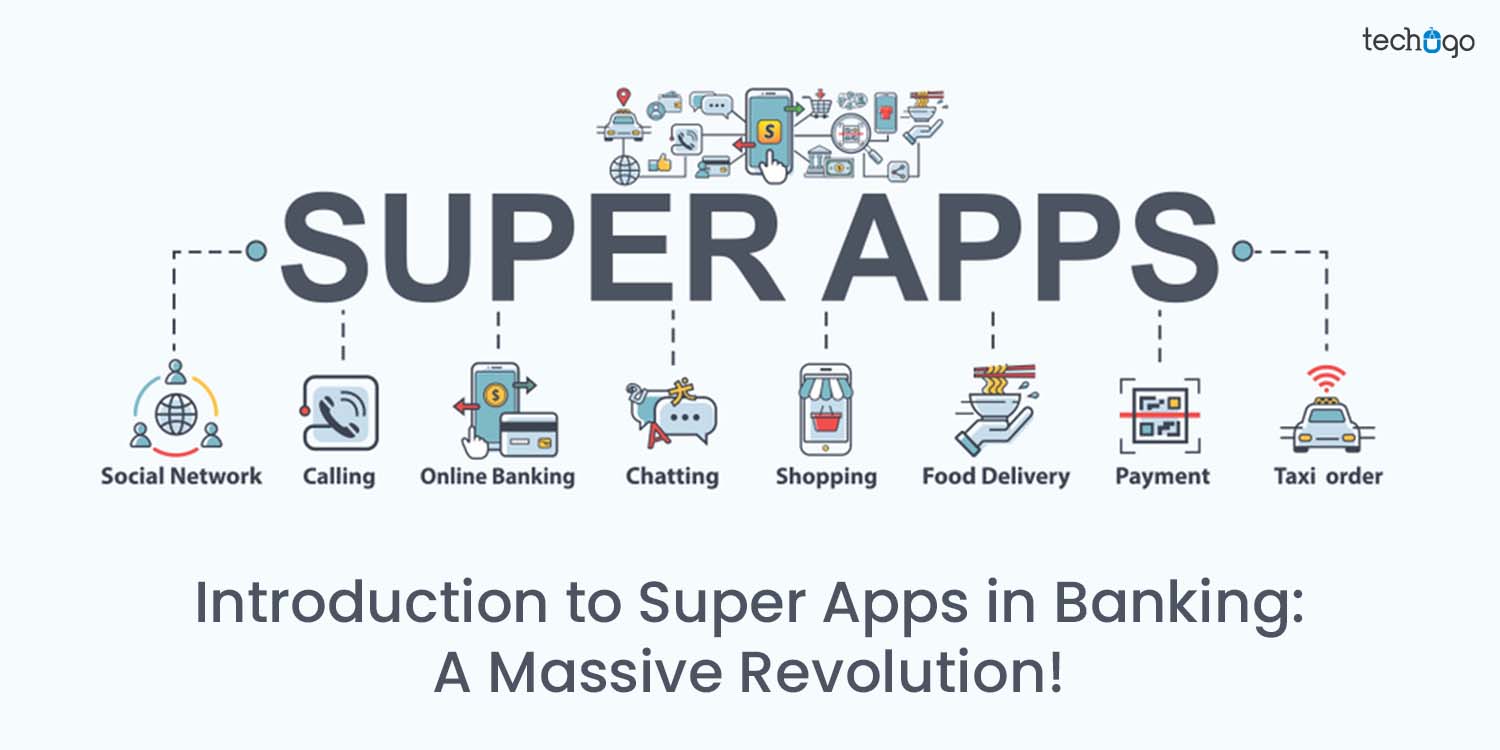
According to American Express, 30% of SMEs had changed their financial service provider by 2021, according to a survey. So what was the most important reason? The new financial institution provided several services under one roof via a new type of app, i.e., the super apps in banking.
Did you know? The global super apps market, driven by banking, payments, and embedded financial services, which was estimated at over USD 127 billion in 2025, is now expected to grow to more than USD 860 billion by 2035.
Well, the super app has been increasing exponentially over the past few years. It is now available in the West from Southeast Asia and will allow the Western world to gain momentum and increase its market share. On the other hand, the digital financial services sector may be disrupted by super apps in finance.
Are lenders to be concerned?
Are super apps dangerous, or can they be a huge opportunity for digital lending companies and the entire banking industry?
Read more to learn about the impact of super apps in banking and finance and their benefits for banks and businesses.
Suggested Read – Why should businesses invest in Fintech Apps?
Super app is a term that dates back to 2010 when it was first used. Super app is a platform that hosts a variety of solutions to combine financial and non-financial or different types of financial services into a single digital product.
A financial super mobile application, in simple terms, is a collection of services and features tailored to each user’s needs. User experience and interconnectedness are the key pieces to this puzzle. Facilitating the user’s access to all features efficiently and easily. Here is a list:
Here are some of the best super apps in banking and finance
1. Alipay (Ant Group, China)
2. WeChat Pay (Tencent, China)
3. Paytm (India)
4. Kaspi.kz (Kazakhstan)
5. Nubank (Latin America)
6. Revolut (Europe)
7. Grab Financial Group (Southeast Asia)
To enhance the customer experience and increase monetization, most super apps integrate financial services into their digital platforms. Banks might feel a threat due to the increased use of super apps. This is because more people may abandon their single-bank apps and begin using super-apps. This threat could also be a chance: super apps can create new financial products that banks can use on an unbranded or branded basis. The ‘banking-as-a-service’ concept introduced within super apps is highly potent: usually, the regulatory framework in financial services is tangled and difficult to deal with. This is where banks can form strategic partnerships with financial super apps and get their share of the cake.
1. To remain competitive and look promising as a strategic partner, banks must accept and improve their digital infrastructure. While well-established banks can maintain their market share, they might see customers looking for quick and easy financial solutions. Banks can be ready for any market change by adopting open data and updating their core banking system architecture.
2. The banks might consider what embedded services they could offer in super apps. Banks can make great revenue streams with white-label services. In some cases, however, co-branded products can be more lucrative.
Super apps have brought great value to people’s lives. Now, the end-user enjoys luxury that was unimaginable just a few decades back. Then, the banking system was rigid and outdated. The consumer was on the receiving end, while the bank controlled the action.
The super app has changed the balance of power, giving consumers control over their finances. Let’s look at some of the key benefits the consumer will enjoy.
Convenience is the most important thing. It’s head and shoulders above all else. This super app was created to provide a single-stop shop for consumers’ finances. To check account balances, transfer funds, pay bills, and so on, consumers used to hop from one platform to the next.
They can now save time and money by logging in to a mobile app and have complete control over their finances.
Do you remember when people called their banker, broker, or accountant to find out how their money was affected by taxes, investments, and other factors? A consumer’s financial knowledge was limited, and any financial decision required the assistance of an expert. Was the expert always in your best interests? How personal and close was your relationship with these experts in order to trust their recommendations?
This app provided a clear, objective, transparent, and precise approach to financial decision-making. It simplified the process and presented people with the best possible option. Are you in search of an insurance package? Are you thinking of investing in stocks? Put down the calculator, pen, and paper, and let your financial super-app take control.
It is common to believe that open banking is opposed to traditional banking. But, on the contrary, open banking is an ally to traditional banking, and both banks, as well as businesses, can benefit greatly from it.
Apps that are super can take over the boring and bureaucratic parts of traditional bank roles and let banks focus on building relationships with customers. The stigma associated with financial institutions is that they are insensitive and faceless. Bankers were too busy with their jobs to have the energy and time to get to know their customers better.
Get the super financial app. Financial institutions can now eliminate transaction processing, data compilation, risk profiling, and other banking functions by using the app. These tasks are automated, which allows banks to concentrate on customer loyalty and retention.
Companies are fighting for a fraction of our shrinking attention span. Our ability to focus on one thing is nearly impossible when we are constantly bombarded daily with information and content.
Businesses have spent thousands of dollars on marketing to find the solution. Finally, the super app was the answer.
The app is a great way to help people manage their time and focus on one app instead of dozens. This super app centralizes people’s attention and allows them to target new products and services with their marketing campaigns. The company now knows where its audience is and can direct them to the right product or service.
Super apps in banking encourage users to interact with more than one financial service within a single digital platform. Payments, savings accounts, investments, and digital lending services are all connected through a unified financial super app experience.
For banks, this results in higher customer engagement, longer session times, and more frequent interactions within the banking super app. For businesses, it creates multiple touchpoints to engage users at different stages of their digital banking journey.
As users access more services through one super app in finance, their reliance on the platform increases, strengthening long-term customer relationships.
Super apps in banking enable banks and businesses to unlock new revenue streams through integrated financial services. These include cross-selling banking products, offering value-added digital services, and collaborating with fintech and third-party providers.
Because services are interconnected within a financial super app ecosystem, users are more likely to discover and adopt additional offerings. This supports scalable, data-driven revenue growth across banking and business platforms.
With multiple financial services operating inside one super app platform, banks gain access to richer and more connected user data. This allows banking and finance teams to better understand customer behaviour, spending patterns, and service preferences.
These insights help improve digital banking product design, personalise financial offerings, and plan future super app features with greater accuracy and confidence.
Before starting the app development process, companies should conduct market research. This will help them identify their target customers and their expectations and needs. Your buyer persona can be used to build amazing apps.
Your target audience will determine which platform you choose to operate on. A single platform may be better if your focus is on a particular set of people. If your audience is large, however, you may need to develop separate apps. The super – app can be developed in three ways:
You may also decide to choose one of these options based on your available resources and budget.
The feature-set integration is a key component of super app development. These features should be designed around major customer needs, user-friendly, and unique enough to make the app stand out. These are just a few of the features you might consider adding to your super app for a seamless experience:
Super apps that have different core products can offer separate services, despite having the same features. It is important to break down the use cases to scale beyond core functionality. You can increase the effectiveness of your current offerings by partnering with or linking services to third parties. Momo’s original concept was the digital wallet. However, Momo has partnered with service providers like 7-eleven and Ahamove. To expand its ecosystem.
The Super App combines multiple functionalities, each with a unique business model and aim. You should consider monetization strategies to generate revenue and maintain the app’s system.
Multiple functionalities in a single app require top-notch technology and a skilled development team to ensure the platform runs smoothly.
After you have established your app’s goals, target audience, business model, and features, the next step in planning your app’s information architecture is to plan it. Once you have settled on the app functionality, the next step is to plan the information architecture. This will include how users will interact with your app and how it will navigate. Finally, you can collect customer feedback and incorporate it into future versions by creating a Minimum Viable Product (MVP).
The design phase involves considering user flow, drawing wireframes for the app, creating prototypes, and building an interface. Wireframes are essentially the skeleton of a mobile app and allow you to visualize it. Once the wireframes have been completed, it’s up to the front-end and back-end developers to code the app and build it. They will organize the technical aspect of the problem, such as how third-party programmers will provide services within the super app in order to maximize its efficiency and minimize disruptions.
QA specialists manage the testing of functionality, interoperability, and system integration during the staging phase. Depending on your project’s requirements, you can choose between automated and manual testing. You can also test the app with real users by using a beta version to improve it.
It is crucial to provide a safe and secure app for users as they are becoming more concerned about privacy. Gojek is not only able to add new features and products at an incredible pace, but also focuses on creating a world-class security program that its users can rely upon. The app’s Security Pipeline can resolve digital problems such as Vulnerable Code dependency and Hardcoded credentials in codes.
You must continue to update the app after you have deployed it. This will keep up with changing trends and satisfy customers’ needs.
Although the super app is designed for glory and success, there are some things that developers, businesses, and users need to be aware of. Let’s look at some factors that will determine the success of the super app in the future.
Open banking and the genesis for the super app opened the floodgates to data. Those who have it must treat it with care.
These apps are built by third parties, fintech companies, and organizations. So they need to know where the data comes from, how it is stored, and how they create bulletproof information flows.
Building trust takes time, and it takes only a few seconds to lose it.
Also Read – Fintech Special: How to Get Your Investor’s Attention?
Super apps are supposed to be universally accessible. Although this is true, we believe that the evolution of these apps will be influenced by specialization. Revolut and other giants have shown the way to what super apps can do. However, as we get more familiar with OB, more market segments will be drawn for specialized apps.
Segments like portfolio investing and insurance have particular details that an app for financial management might not be able to cover. End users can gain immense value from an app that focuses on a specific sector.
It is difficult to create an innovative mobile app. It must contain all the essential services and have a robust technology platform that supports them. The following tips will help you create or transform an existing super app.
Super apps are easier to use than multiple apps and offer more user engagement and acquisition. Don’t complicate your app by adding unnecessary features. Instead, focus on the most important features that users use.
Techugo has helped many companies achieve their visions and create high-quality apps that meet the market standard. As a leading mobile app development company, Techugo has a proven experience in building secure, user-focused banking and fintech solutions. Their team has created products that align with market expectations and user behaviour. They support banks, fintech startups, and enterprises across the entire app development lifecycle, from strategy to development and scaling.
So, what are you waiting for? Contact us today for efficient mobile banking app development, and achieve your dream project.
1. How are banking super apps different from traditional banking apps?
Traditional banking apps offer limited services, while banking super apps integrate multiple financial and digital services to deliver a more connected and seamless user experience.
2. Why are banks investing in financial super apps?
Banks invest in financial super apps to increase customer engagement, improve retention, reduce operational friction, and offer personalised financial services through one digital platform.
3. How much does it cost and how long does it take to build a banking super app?
The cost of building a banking super app typically ranges from USD 150,000 to USD 500,000+, depending on features, security, and integrations. Development timelines usually vary between 6 to 12 months for a scalable, compliant solution.

When was the last time you really stopped to appreciate just how handy it is to unlock your phone with just your face? We use facial recognition softw..

In the current technologically driven environment, where making a name for startups is difficult, it is best highlighted with the presence of a mobile..



Write Us
sales@techugo.comOr fill this form