

 SA
 KW
 IE
 AU
 UAE
 UK
 USA
 CA
 DE
 QA
 ZA
 BH
 NL
 MU
 FR













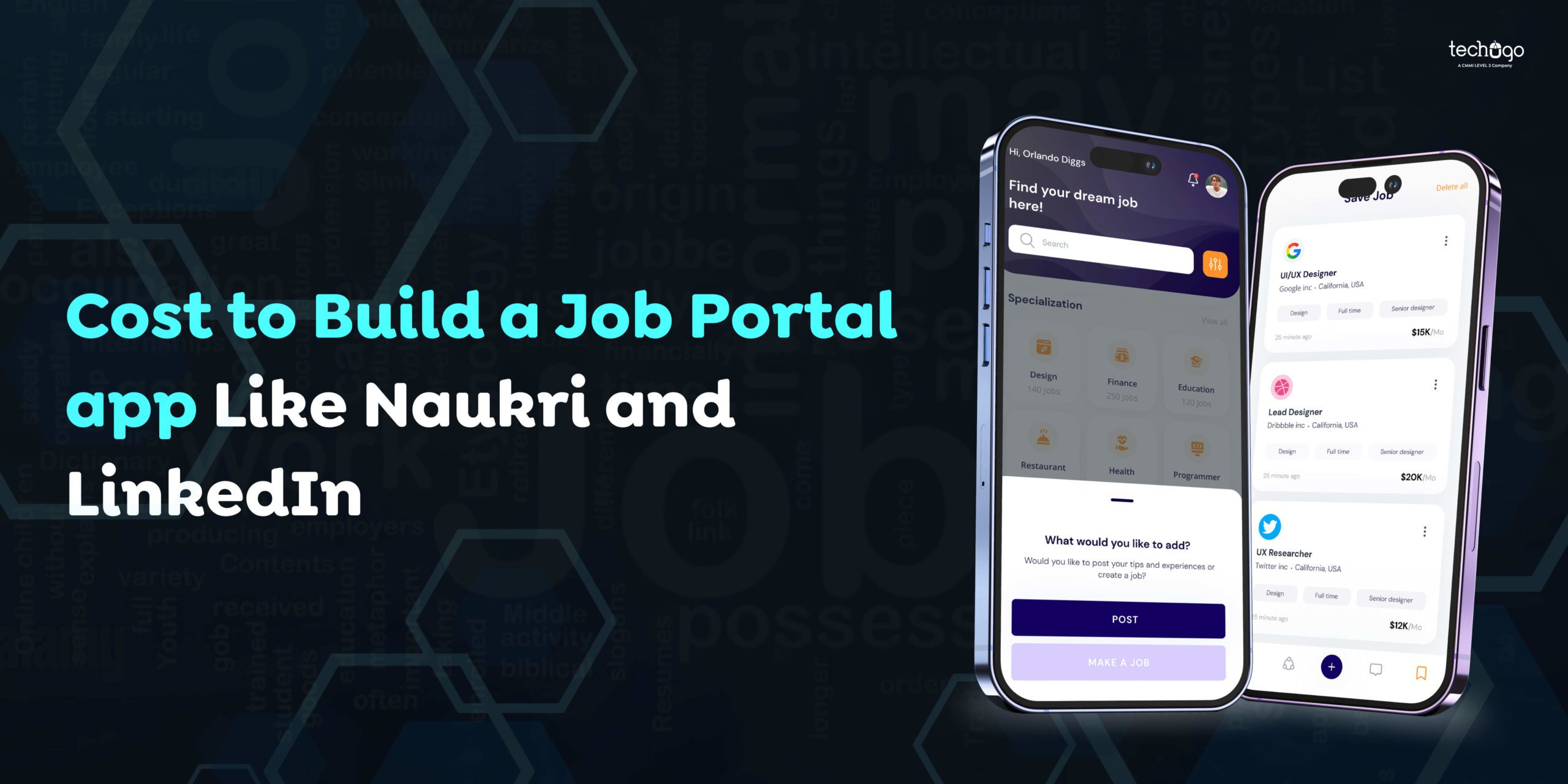


Currently, there are many online job portals, but two significant ones are Naukri and LinkedIn; they serve as job portals that target job seekers and employers or recruiters. They have offered a very good example as per the functionality, user experience, market cover and marketing automation. To compete with these giants of the industry, it is possible to develop a job portal app only with the help of coordinated planning, conceptual vision, and the usage of modern technologies together with an understanding of users’ needs. In this guide, we shall take you through the basic stages and factors that you ought to follow to create a job portal application similar to Naukri and LinkedIn and discuss the cost to build a job portal app like Naukri and LinkedIn.
Also Read : How to Develop an App Like Bayt for Revolutionising Recruitment Process
Understanding the Landscape
Market Analysis
That is why before starting the development of your application, it is important to know all the elements of a competitive environment. While the Naukri app is mainly designed for job seekers, LinkedIn is targeted at business online for professionals.
1. Naukri:
Apart from having an extensive collection of job openings Naukri offers enhanced options for filters, access to the resume database for the recruiters and option for job alerts. It mainly serves the selected Indian job industry providing an enhanced and strong database of both job seekers and job offers.
2. LinkedIn:
The last of the major social networks or social networking sites is LinkedIn which has embraced job searching as a way of social network. It enables users to make associations with working experts, interest groups, and talent demonstrations.
To do this analysis, you have to understand what these platforms do well and the aspects that might require some improvement. It will help you to define the possibilities and the position of your job portal application on the market, as well as unique selling propositions.

Identifying User Needs
Knowledge and identification of the needs of the users is very important.
1. Job Seekers:
They generally look for user-friendly design, a large number of open positions, good filtering capabilities of vacancies, and the ability to track applications. They appreciate sites and applications that provide writing services, individual recommendations, and contact lists.
2. Recruiters:
For instance, they require post jobs, searching resumes and application management tools. Features that help in filtering the candidates and communicating with them are preferred most.
Identifying Essential Features
Key Specifications for the Seekers of Jobs
- User Profiles: Provide a web application that will let the job seekers build and organize their profile and such components as name and surname, information about work experience, CV, motivation letter, portfolio, etc. Some of this can be efficiently addressed through integration with LinkedIn accounts.
- Job Search: Create a technical section with advanced search algorithms and search fields including job type, location, industry, salary range, and experience level. Explain more accurate search algorithms to be integrated into the system.
- Job Alerts: Allow users to be capable of subscribing to receive an e-mail or a push notification any time there are new job listings that fit the criteria of the user.
- Application Tracking: It is also important to give capabilities for following a job application status; particularly if there are messages from the recruiter and schedules for interviews.
- Resume Builder: Provide resources for resume writing such as sample resumes, and how to appropriately format for top of license or skills and experiences.
Basic Attributes for the Recruiters
1. Recruiter Profiles:
Make availability of company information such as the available organization, culture and vacancies that the recruiters offer for the creation of top mobile app development company in India profiles that potential employees can go through. Add the choices for the current company and for the current top employees to demonstrate their victories.
2. Job Posting:
The interface for listing an opportunity should be simple, for listing an opportunity, giving details such as job description, details of the required skills, and how to apply.
3. Candidate Search:
Upgrade the filters for searching the candidates for the recruiters that will enable the user to filter the Candidates by Skills and learning experience as well as the geographical location of the candidate.
4. Application Management:
Create ways for tracking the applicants, arranging the interviews and interacting with the candidates. The features should include the ability to shortlist the applicants and to rate the applicants.
5. Analytics:
Facilitate the process of evaluating the efficiency of job posting, the rate of applications, and candidates’ activity for recruiters.
Building the Next Naukri or LinkedIn?
Turn your idea into a scalable job portal with the right features and budget.
Designing the User Interface (UI) and User Experience (UX)
1. UI/UX Design Principles
- User-Centric Design: Make sure the site is simple to navigate and is designed with a minimal amount of flash and steering wheels. Return must allow simple and easy access to key features for operation by both the job seekers and the recruiters.
- Mobile Responsiveness: The glance of the plan should be coherent from one device to another. Most people use their mobile devices to browse the internet, and therefore the ability of the app to operate, and more to that, presenting a good interface on mobile devices is paramount.
- Visual Appeal: Utilize contemporary designs with attractive colours and styles that you are associated with. Use colours, fonts and images that capture the users’ attention, so they can read and comprehend.
2. Wireframes and Prototypes
Sculpt and simulate the interfaces for the application layout and usability. Applications such as Figma, Sketch or Adobe XD are helpful in interface app design by providing the possibility to create click-through prototypes. Do a review of the prototypes and ask for users’ opinions to help in modifying before going for development.
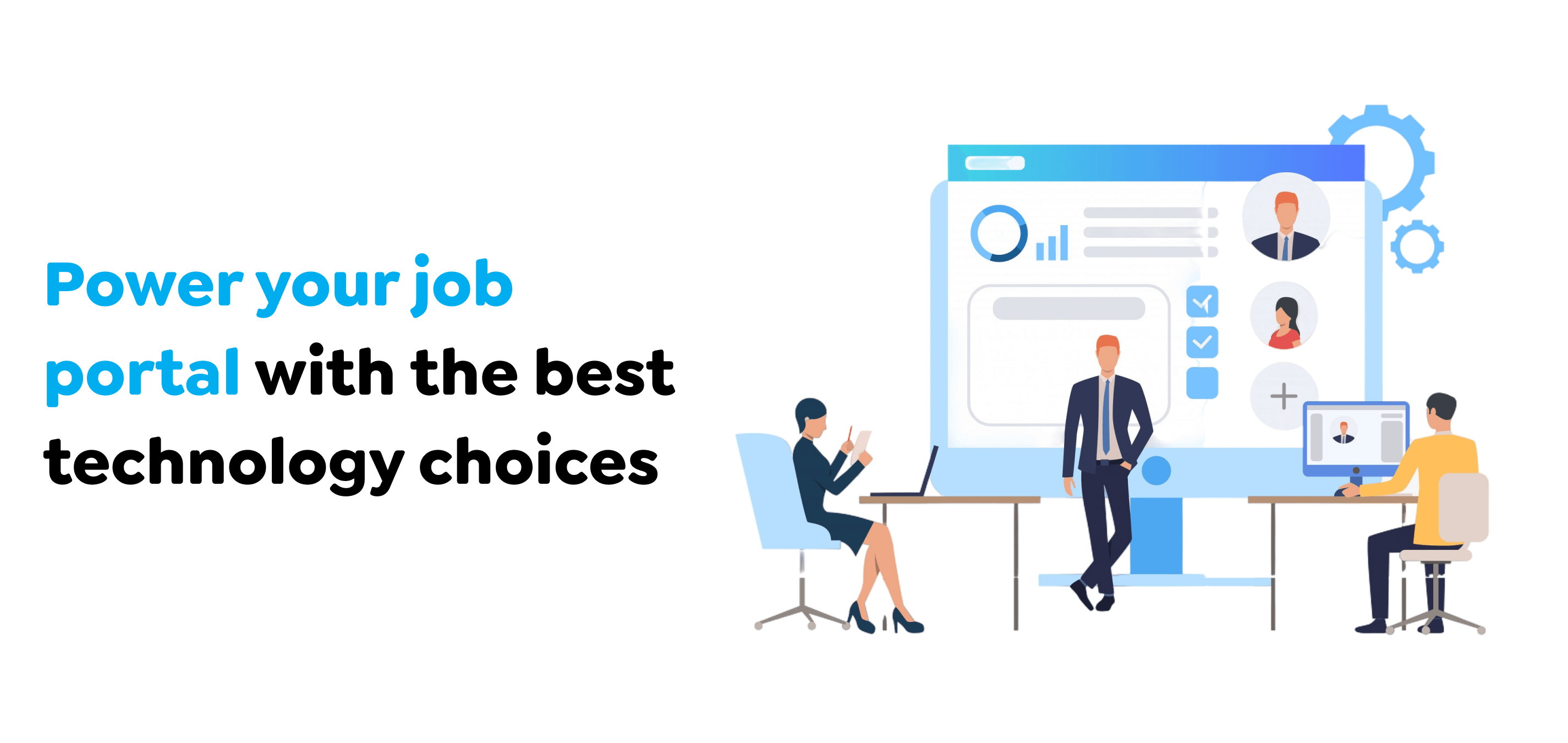
Choosing the Right Technology Stack
1. Front-End Technologies
- HTML/CSS/JavaScript: Needs to be used for the creation of the web interface. Structure the website using HTML5 & CSS 3 and for special effects go for JavaScript.
- React or Angular: Angular or React can be utilized as a frontend to build an exciting and interactive UI, complementing the interaction.
2. Back-End Technologies
- Node. js or Django: Node. js is used for crafting highly scalable server-side apps, and Django is a high-level framework with numerous features for fast app creation.
- Database: SQL databases like PostgreSQL, MySQL, etc., should be used if the data is in a structured format and for large unstructured data, NoSQL databases like MongoDB should be used. Therefore, if you want to combine more than one way of protection, you should consider doing so depending on the may.
3. Mobile Development
- Native Apps: To achieve high-performance applications and very good performance of the applications by the user, it is recommended to work on two different applications for the ios platform using Swift and the android platform using Kotlin.
Also Read : Why Choose Kotlin Over Java For Android App Development?
- Cross-Platform: Select frameworks that support development for both platforms simultaneously such as Flutter or React Native that will help to build applications for both platforms saving time and resources spent on the process as well.
Also Read : Why is React Native the Best Choice for Mobile App Development?
4. Cloud Services
- Hosting: If you want to host it professionally, use Amazon Web Services AWS, Google Cloud, or Microsoft Azure to host the site easily.
- Storage: Employ virtual storage services in the creation of resume databases, job listings and users’ information storage.
Implementing Key Features
1. User Management and Profiles
Set user authentication with email, password and sign-in with social media networks as the options. Mandatory that profiles are conveniently navigable and comprise the general settings for the modification of the details of a member, portfolio, and cover letter.
Also Read : Why do you need a winning social media strategy?
2. Search for Jobs and Filters
Create a user-friendly search engine which will include several filters to enable the users to find the job ad of their interest. A technique of using core search algorithm and indices to improve the search efficiency and relevant results quality.
3. Works Sought and Quest for Applicants
Establish a means to review employment applications, which functionality may include application status, interview scheduling, and communication with the recruiters. Mailing lists for alerting about the application state and changes in the interviews.
4. Analytics and Reporting
Optimise with the help of numerous analytical platforms that will help to trace the users’ activity, job posting effectiveness, and others. Based on this data before job seekers and recruiters make decisions, they should use the generated reports and insights from this information.
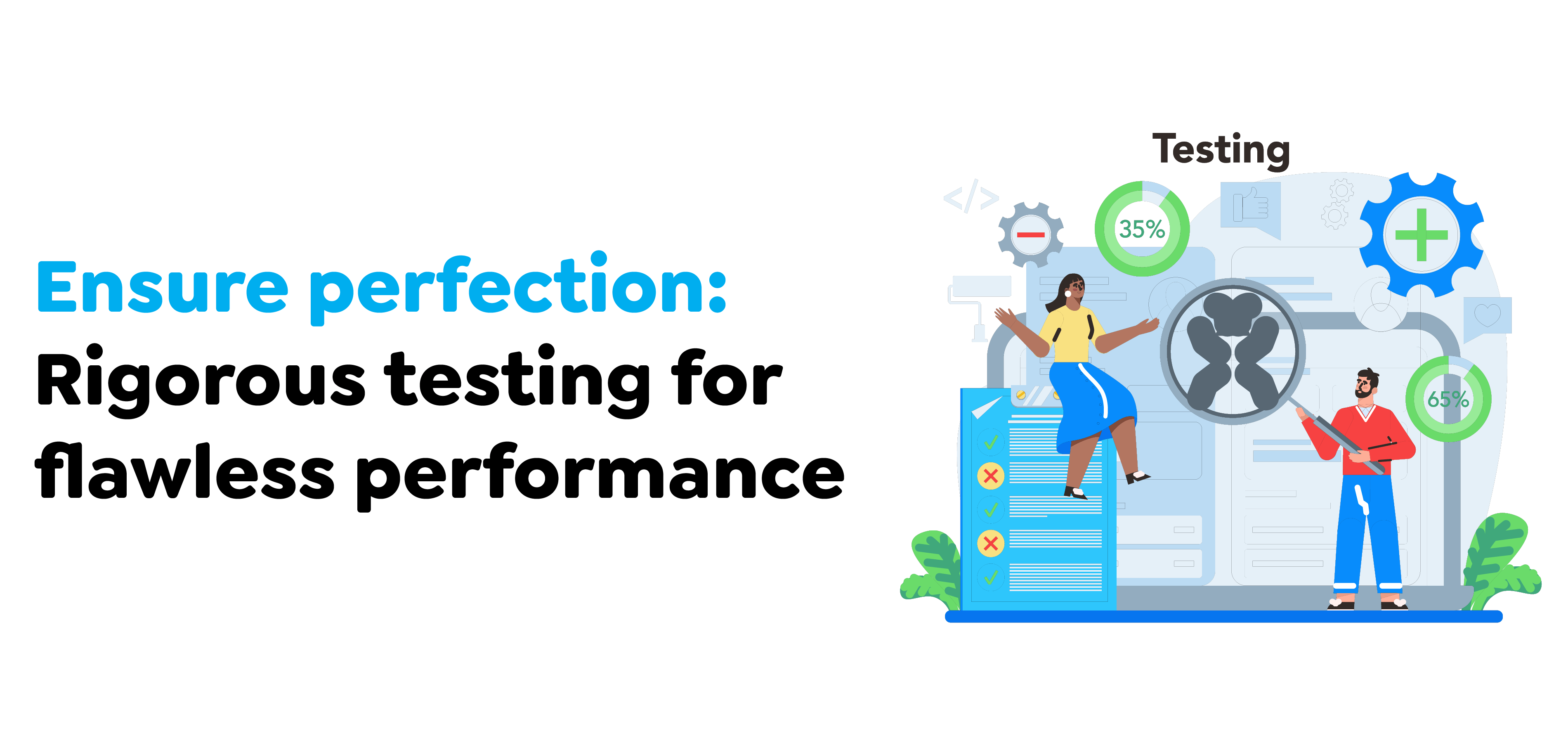
Testing and Quality Assurance
1. Functional Testing
Perform an extensive functional testing to confirm that all features are not only seen by but are functional to the user. Check the usage of such user scenarios as searching for a job, using the application process, and interacting through the app’s communication channels.
Also Read : Impact Of AI On Penetrative Testing
2. Usability Testing
Conduct a usability test to ascertain if the flow and usage of the application are easily comprehensible by the targeted audience. Report to actual users to be able to note any challenges that may be experienced in the system. The feedback collected from users should be used to make changes in the service to give users the best experience.
3. Performance Testing
Loading, units, and transaction processing tests should also be performed to check how the app will perform when there is a large number of user engagement and a large volume of traffic to the site. The performance testing allows one to tune the application for a more effluxion and response input that will be well received by the users.
4. Security Testing
Use security measures which are long-lasting to ensure that their users’ information does not get leaked easily. Assess for weaknesses, check that regulatory acts concerning data protection are followed and employ methods of encryption to safeguard data.

Launching the App
1. Pre-Launch Preparations
Before the launch, put in place necessary marketing methods, fliers, posters, and organizations that can help place workers in jobs. Make sure that all elements are properly examined and that any issues are fixed.
2. App Store Submission
To reach the intended clients, upload your app to app stores, namely Google Play Store and Apple App Store within their rules and regulations. Before proceeding to the ASO optimization, it is necessary to prepare for this step to improve the app’s visibility and attract users’ attention to the download.
Also Read : How To Rank Your Android App On Google Play Store?
3. Post-Launch Support
Supervise the app’s functioning and the users’ attitude towards it after the launch of the application. Continually update and maintain the application as per customers’ comments and market changes – both in terms of fixing bugs and introducing new features. Communicate with users through support channels and feedback should be implemented as features in updates.
Marketing and Growth Strategies
1. Digital Marketing
Apply the best digital marketing techniques that the mobile app developers can use to attract users towards the app. SEO should be used to enhance the rank in search engines, while aesthetic and highly useful content should be developed to engage the targeted users on social networks.
Also Read : Secret Unleashed; Mobile App Developers Can Transform Your Business
2. Partnerships
To increase your user base and the number of downloads, you should collaborate with schools, universities, relevant organizations, and firms. As for further improvement, it is suggested to involve leaders of industries more often to increase the impact.
3. User Engagement
Concentrate on mobile application engagement by using features like notifications, recommended jobs, and updates. Build a community by promoting ratings and comments rewarding the users for their efforts and inviting other people.
Understanding the Costs of Developing a Job Portal App Like Naukri
Naukri is a popular Indian job listing website and the app development company has also developed a mobile application for the same. Now, let’s look at the considerations that can define the cost to build a job portal app like Naukri and LinkedIn. Everything, from the number of features implemented to the choice of technology stack, is a specific important reason behind the price. Knowing these elements lets people, irrespective of whether their primary goal is an MVP or a feature-rich stage, make the right choice and spare their assets. Evaluate how each aspect like the graphical interface, back end and choices of scaling possess a specific cost. And if you are ready to get to the next level? Now it is time to discover the costs we have and discuss how to materialize your ideas!
Ready to Launch Your Job Portal App?
Partner with Techugo to build a feature-rich job portal tailored to your business goals.
Why Techugo as a Platform for Your Job Portal App?
1. Unmatched Expertise:
Techugo has experience in the development of performance and user-friendly job portal applications. Some of their past projects were realized in the job and recruitment sector.
2. Innovative Solutions:
It’s crucial to be seen using state-of-the-art technologies & implement new ideas to guarantee your app is delivered feature-complete, scalable, and ready to stand out.
3. End-to-End Service:
Be it the conceptualization and wireframing phase, development phase or post-launch phase, Techugo portfolio includes all kinds of services to assist you in creating your dream job portal.
4. Client-Centric Approach:
Techugo emphasizes the client’s unique needs and makes sure the solutions delivered for the client will meet the company’s objectives and needs to establish an effective job portal.
5. Proven Success:
Techugo’s satisfied clients and the successful list of developed apps prove that the job portal app development company is capable of designing and developing powerful applications.
Are you all set to unleash the dream job portal of your Organization? Get in touch with Techugo today and let the progressive dream begin for your perfect application also discuss the cost to build a job portal app like Naukri!
FAQs
1. How do job portal apps like Naukri and LinkedIn make money?
Job portal apps generate revenue through premium subscriptions, paid job listings, recruiter access to candidate databases, featured job advertisements, and employer branding services. Some platforms also offer resume enhancement tools and career development subscriptions to diversify their revenue streams.
2. How long does it take to develop a job portal app?
Developing a job portal app typically takes 3–6 months for an initial version, depending on its complexity, integrations, design requirements, and development team’s expertise. Platforms with advanced AI capabilities, enterprise integrations, and extensive recruitment workflows may require additional development time.
3. Is it better to build a niche job portal or a general job portal?
A niche job portal is often a practical starting point because it targets a specific audience, such as healthcare professionals, IT specialists, freelancers, or remote workers. A focused platform can differentiate itself through industry-specific listings and recruitment workflows, whereas a general job portal requires broader market coverage and stronger competition management.
4. How can a new job portal attract its first job seekers and recruiters?
A new job portal can attract its first users by partnering with employers, collaborating with educational institutions, offering introductory recruitment packages, and publishing industry-specific career resources. Building an initial collection of relevant job listings before investing heavily in user acquisition can also help establish credibility and encourage repeat visits.
5. What third-party integrations does a job portal app need?
A job portal app may require integrations with applicant tracking systems (ATS), customer relationship management (CRM) platforms, email and SMS services, payment gateways, identity verification providers, and analytics tools. The appropriate integrations depend on the platform’s business model and the recruitment workflows it supports.
6. How can AI improve a job portal app?
AI can improve a job portal app through intelligent candidate-job matching, resume parsing, automated job description generation, conversational career assistance, and recruiter recommendations. These capabilities can reduce manual screening effort and help users discover relevant opportunities more efficiently. AI-generated recommendations should also be monitored for bias and inaccurate results.
7. What legal and compliance requirements apply to a job portal app?
Job portal apps must consider applicable data protection and privacy laws, employment regulations, accessibility requirements, and rules governing the collection and processing of candidate information. Platforms operating across multiple countries may need to meet different regional requirements. Compliance obligations depend on the markets served and the personal data processed.
8. How can a job portal protect resumes and sensitive candidate information?
A job portal can protect candidate information through encryption, role-based access controls, secure authentication, consent management, and defined data retention policies. Regular security assessments and audit logs can help identify unauthorized access. Resume visibility settings should also allow candidates to control how recruiters access their profiles.
9. Should a business launch a job portal as a website, mobile app, or both?
The right approach depends on the target audience, usage patterns, and available budget. A responsive website can help users discover jobs through search engines, while mobile apps can support push notifications and convenient application tracking. Businesses can begin with a responsive web platform or minimum viable product (MVP) and expand to mobile apps as user demand grows.
10. How can a job portal compete with established platforms like Naukri and LinkedIn?
A new job portal can compete by targeting an underserved industry, offering verified job listings, improving candidate-job matching, simplifying applications, and providing specialized recruitment tools. Focusing on a clearly defined audience and delivering a better experience for a specific recruitment need can be more effective than replicating every feature offered by established platforms.
Conclusion
Creating an application like Naukri and LinkedIn, the creation of a job portal app, requires planning, proper development, and user’ needs analysis.
Incorporating constructive attributes, focusing on the correct technologies, and applying efficient marketing techniques are the ways to develop a stable and result-oriented job portal application that can efficiently fulfil the requirements of both employers and job seekers.
Thus, you are armed with this guide to kick-start the development of the job portal app in today’s competitive market. Take the future with open arms and opportunities, and build a platform that will help user to get their dream job.

Get in touch
We'd love to hear from you.